Intensity minutes—workouts performed at a higher effort level, typically above 70 percent of your maximum heart rate—directly improve your mood through measurable biochemical changes in your brain. When you run hard enough that conversation becomes difficult, your body releases endorphins, serotonin, and dopamine, the same neurochemicals that antidepressants target. A runner who previously struggled with midday anxiety noticed that three weekly sessions of tempo runs or interval work eliminated the need for afternoon walks just to calm down; the intensity itself became the intervention.
The mood boost from intensity minutes isn’t temporary or psychological—it’s physiological. Your nervous system shifts from sympathetic (fight-or-flight) dominance during the run itself, then rebounds into a parasympathetic (rest-and-digest) state afterward, leaving you calmer and more resilient to stress. This effect compounds: runners who accumulate intensity minutes regularly report lower baseline anxiety, better sleep quality, and improved motivation, not because running is fun, but because their brain chemistry has actually changed.
Table of Contents
- How Do Intensity Minutes Boost Neurochemistry and Mental Health?
- The Science Behind Intensity Minutes and Serotonin Regulation
- Intensity Minutes Versus Low-Intensity Running: Which Helps Mood More?
- Building Intensity into Your Weekly Routine Without Burnout
- Why Some Runners Don’t See Mood Benefits and When to Pause
- Long-Term Mood Stability from Consistent Intensity Training
- The Future of Intensity Training for Mental Health
- Conclusion
- Frequently Asked Questions
How Do Intensity Minutes Boost Neurochemistry and Mental Health?
High-intensity exercise triggers the release of brain-derived neurotrophic factor (BDNF), a protein that supports the growth and survival of neurons, particularly in the hippocampus—the region responsible for mood regulation and memory. This is why runners often report clarity and perspective after a hard workout, not just from the endorphins, but from actual structural improvements in how their brain processes emotion. Research comparing runners who do only easy runs to those who include weekly intensity work shows measurable differences in mood markers within 4–6 weeks. The mechanism works partly through stress inoculation: when you deliberately stress your cardiovascular system in a controlled way, your body learns to manage stress hormones more efficiently.
A runner who regularly runs at tempo pace gradually develops better cortisol regulation throughout the day, meaning everyday frustrations—traffic, work deadlines, social tension—feel less overwhelming. This is different from low-intensity steady running, which is meditative but doesn’t produce the same neurochemical remodeling. One limitation to understand: the mood benefits plateau if intensity becomes your only workout. Runners who push hard five days a week without easy recovery runs often see diminishing returns and increased irritability, because they’re constantly in a stressed state without adequate recovery for adaptation to occur.

The Science Behind Intensity Minutes and Serotonin Regulation
Intensity minutes trigger acute serotonin release during the run and sustained improvements in serotonin sensitivity afterward—meaning your brain’s serotonin receptors become more responsive over time. This is why consistent intensity work acts like a non-pharmaceutical intervention for mild to moderate depression and anxiety; the effect sizes in research are comparable to some antidepressant medications, though intensity work complements rather than replaces clinical treatment. The lactate produced during intense running also plays a role that’s often overlooked. Lactate crosses the blood-brain barrier and serves as fuel for brain cells, while simultaneously triggering the release of GDNF (glial cell line-derived neurotrophic factor), another neuroprotective compound.
Elite runners and casual joggers alike experience this, though the magnitude of mood benefit correlates with consistency and total volume of intensity minutes accumulated per week. A critical caveat: individual response to intensity varies significantly based on genetics, training age, and baseline mental health. Someone new to running might find intensity minutes overwhelming rather than mood-boosting at first, and pushing too hard too fast can increase anxiety rather than decrease it. Starting with moderate-intensity intervals (85–90 percent max heart rate) rather than all-out sprints is more sustainable and safer for mood improvement.
Intensity Minutes Versus Low-Intensity Running: Which Helps Mood More?
A 30-minute easy run elevates mood modestly through the repetitive motion, social connection if done with others, and fresh air exposure. A 20-minute run containing four 4-minute intervals at race pace produces a more pronounced and longer-lasting mood improvement in most runners, partly because the physiological stimulus is greater. This doesn’t mean easy runs are worthless—they’re essential for recovery and consistency—but they operate through different mechanisms: mindfulness and stress relief rather than neurochemical remodeling.
When runners compare their mood across a week of easy-only runs versus a week that includes one or two intensity sessions, the difference is striking. Mood stability improves, energy levels rise even on days off, and sleep quality deepens. The caveat is that not all runners tolerate intensity equally; some thrive on the psychological challenge, while others find high-intensity work anxiety-provoking if they’re new to it or recovering from overtraining. Combining both approaches—mostly easy runs with weekly intensity—produces the best mood outcomes and is more sustainable than emphasizing intensity exclusively.

Building Intensity into Your Weekly Routine Without Burnout
A practical starting point is one dedicated intensity session per week: either four to six intervals of 3–5 minutes at 85–90 percent max heart rate, or one longer tempo run at 80–85 percent max heart rate. This frequency is enough to trigger the neurochemical benefits without accumulating excessive fatigue or injury risk. A runner might do easy runs on Monday, Wednesday, and Friday, a tempo run on Tuesday, and a longer easy run on the weekend. The tradeoff is that intensity requires more recovery.
You can’t do hard workouts every day without losing the mood benefits and developing overtraining syndrome, which actually worsens mood. The metabolic cost is also higher—intensity minutes burn more calories and deplete glycogen more quickly than easy running, so nutrition and sleep become non-negotiable if you want to sustain the practice. A common mistake is adding intensity on top of an already high total volume. A runner logging 40 miles per week who adds intensity without reducing easy mileage often ends up injured or burned out within 4–8 weeks. The sweet spot for mood benefits with sustainable load is typically 15–25 total miles per week with 20–30 percent of that volume at intensity.
Why Some Runners Don’t See Mood Benefits and When to Pause
Intensity minutes fail to improve mood if the runner isn’t recovering adequately. Poor sleep, chronic stress, inadequate nutrition, or training despite illness will overwhelm any neurochemical benefits from the workout itself. A runner doing hard intervals while sleep-deprived or undertrained will often feel worse afterward—more irritable, more anxious—because the stress stimulus isn’t being appropriately buffered by recovery systems.
There’s also a psychological pattern worth recognizing: runners who attach their mood to performance can find intensity sessions demoralizing if workouts don’t meet expected paces or if they’re having an off day. Using intensity minutes as a tool for mood benefit requires decoupling the psychological experience from the physiological one—trusting that the nervous system is adapting even if the stopwatch doesn’t show improvement. A warning for runners with anxiety disorders or depression: intensity work should ideally be combined with professional support, not used as a replacement. The mood benefits are real but take weeks to accumulate, and they work best when integrated with adequate sleep, social connection, and stress management.
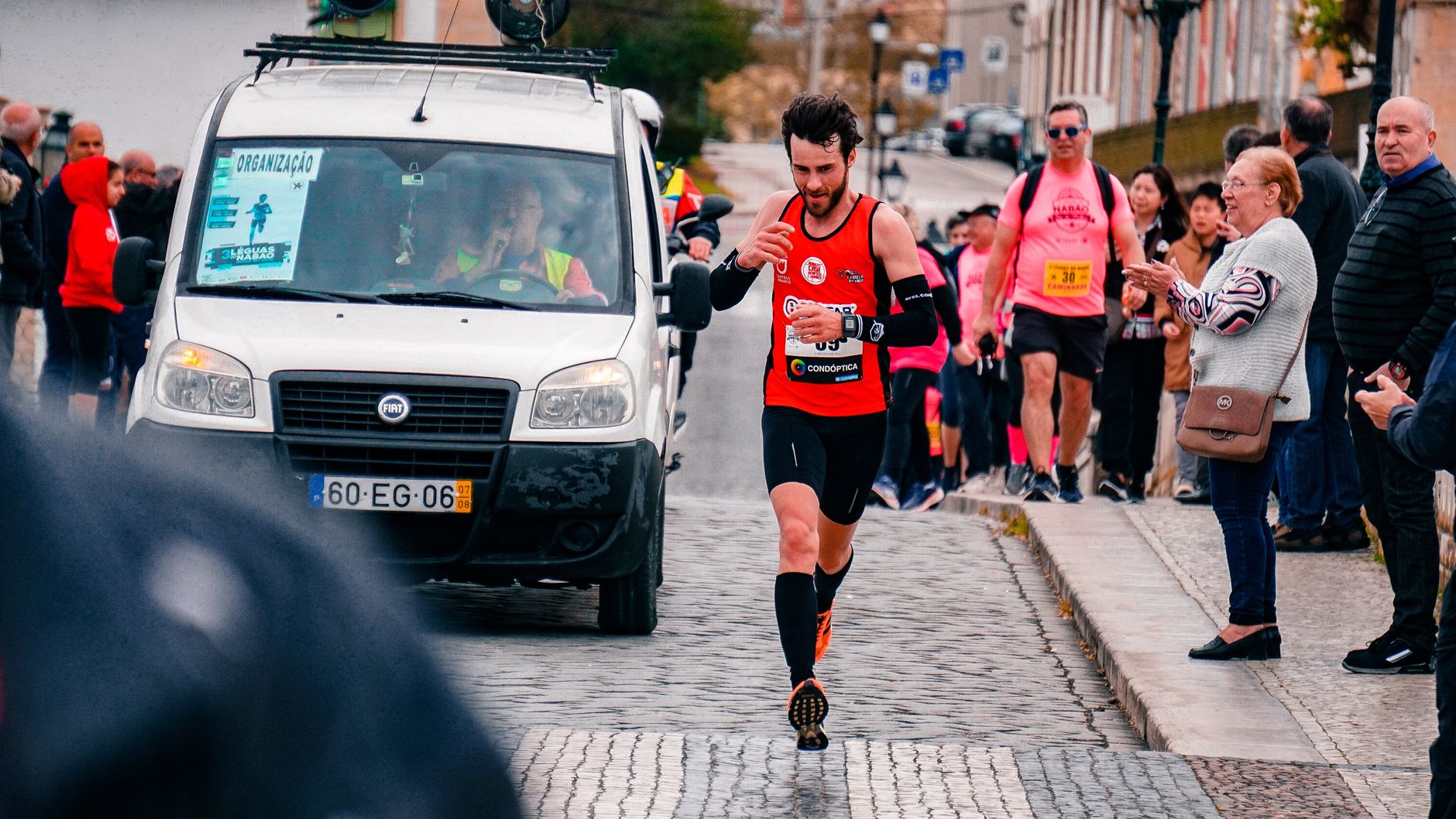
Long-Term Mood Stability from Consistent Intensity Training
Runners who accumulate intensity minutes consistently over months and years report a baseline mood shift—not just better days after hard workouts, but a general elevation in resilience and optimism. This reflects sustained changes in brain structure and function: increased gray matter in the prefrontal cortex, improved dopamine receptor sensitivity, and better stress hormone regulation.
A runner might notice that frustrations that once spiraled into hours of worry now resolve within minutes. This long-term benefit requires consistency, which is why many runners structure their training to include intensity year-round rather than in phases. Running through the off-season with at least one intensity session every 7–10 days maintains the neurochemical adaptations and prevents the mood crashes that can occur during complete training breaks.
The Future of Intensity Training for Mental Health
As research on exercise and mental health advances, the specificity of intensity work—that harder exercise produces different neurochemical profiles than easy exercise—is becoming clearer. Future training plans may become more personalized based on individual neurochemistry and mood needs, with some runners prescribed higher intensity volumes and others guided toward lower intensity for anxiety management.
What remains constant is that intensity minutes matter for mood in ways that low-intensity exercise doesn’t, and incorporating them sustainably into your routine is one of the most evidence-backed interventions available to runners. The simplest takeaway: if you run only for easy, meditative miles and your mood hasn’t shifted, adding one intensity session per week is worth trying for six weeks before evaluating the effect.
Conclusion
Intensity minutes improve mood through mechanisms that go beyond psychology—endorphins, serotonin regulation, neurotropic factor release, and nervous system rebalancing all occur during and after hard running. The effect compounds with consistency, building baseline mood stability and resilience over months.
Sustainable implementation means one or two intensity sessions per week, combined with adequate easy running and recovery, not intensity every day or intensity substituting for sleep and nutrition. Start by adding one tempo run or interval session to your current routine and track not just your mood immediately after, but how you feel across the following week. Most runners notice the difference within 4–6 weeks of consistency.
Frequently Asked Questions
How long does it take to feel a mood boost from intensity minutes?
Acute mood improvement (better than normal baseline) can occur within hours of a hard run, but sustained, baseline mood shifts typically take 4–6 weeks of consistent weekly intensity work to become noticeable.
Can I do intensity work every day?
No. Daily intensity prevents adequate recovery and actually worsens mood over time through overtraining. One to two intensity sessions per week, spaced by easy recovery runs, is the standard and sustainable approach.
What if I have anxiety—will intensity minutes make it worse?
Moderate intensity can help anxiety, but all-out sprinting might initially increase anxiety if you’re new to intensity. Start conservatively at 80–85 percent max heart rate rather than maximum effort, and combine with professional mental health support if you have clinical anxiety.
Is intensity running the same as “high-intensity interval training” (HIIT)?
Related but not identical. Intensity minutes in running can be steady-state tempo runs or intervals; HIIT specifically refers to very short all-out efforts with minimal recovery. Both improve mood, but tempo runs may be more sustainable for long-term practice.
Can running slowly help my mood at all?
Yes, easy running improves mood through stress relief and mindfulness, but the neurochemical remodeling associated with intensity is notably different. Easy running is essential for recovery; intensity is what triggers deeper mood changes.
Do I need to run to get these intensity benefits, or can cycling or other sports do it?
Any sustained high-intensity cardiovascular work produces similar neurochemical effects. Cycling, rowing, swimming, or trail running at intensity all trigger the same serotonin and endorphin responses and BDNF release.