
Yes, pickleball can improve your intensity minutes, but only if you play at a competitive level that keeps your heart rate elevated. Casual, recreational pickleball—the kind many players treat as social activity—won’t cut it. You need the fast-paced rallies, aggressive shot-taking, and constant movement that characterize competitive play to sustain the elevated heart rates (typically 70–85% of max heart rate) that count toward intensity minutes. A 60-minute competitive doubles match with minimal rest between points can easily generate 20–30 intensity minutes, similar to a moderate-pace run.
The catch is consistency and intensity control. Unlike running or cycling, where you can deliberately push yourself into a target intensity zone, pickleball depends heavily on your opponent’s skill level and playing style. You might play one 90-minute session that delivers substantial intensity work, then have a casual social game the next week that barely elevates your heart rate. This unpredictability makes pickleball better as supplementary cross-training rather than a primary intensity builder.
Table of Contents
- How Does Pickleball Contribute to Intensity Minutes?
- Why Pickleball’s Intensity Is Unreliable Compared to Structured Cardio
- Pickleball as Cross-Training for Runners Seeking Intensity Work
- Matching Pickleball Intensity to Your Fitness Goals
- The Injury Risk of Relying on Pickleball for Intensity
- Real-World Example: The Runner Who Went All-In on Pickleball
- The Future of Pickleball in Fitness Cross-Training
- Conclusion
- Frequently Asked Questions
How Does Pickleball Contribute to Intensity Minutes?
Pickleball generates intensity minutes through intermittent bursts of activity punctuated by brief recovery periods—a pattern resembling high-intensity interval training. During rallies, players explode forward from the baseline, decelerate sharply, change direction rapidly, and return to the net. Each shot demands a short burst of power. Over a full match, these repeated micro-efforts accumulate.
Research on racquet sports shows heart rates often spike to 150–170 bpm during competitive exchanges, well into Zone 4 (85–90% max HR) for many players. The intensity also depends on court positioning and play style. Aggressive net players who initiate rallies stay in elevated heart rate zones longer than baseline sloggers. A player constantly rushing the net, attacking weak returns, and finishing points at the kitchen line will accumulate more intensity minutes than someone who stands back and lobs defensive shots. One 50-year-old runner who switched to competitive pickleball reported 25–35 intensity minutes in matches where opponents matched his pace; in social games with beginners, he recorded fewer than 5.
Why Pickleball’s Intensity Is Unreliable Compared to Structured Cardio
The fundamental problem is that you cannot control pickleball’s intensity the way you can control running. When you run, you set your pace and stick to it—a 6-minute-mile pace is a 6-minute-mile pace regardless of weather or how you feel. In pickleball, your intensity depends on your opponent’s ability and aggression. Playing a faster, more athletic opponent? You’ll work harder. Playing a steady baseline player who doesn’t attack? Your heart rate may drift lower.
This variability makes it impossible to rely on pickleball as a predictable way to hit a weekly intensity target. There’s also the rule structure issue. Pickleball rallies are often short—15 to 40 seconds—followed by score announcements, server changes, and ball resets. This breaks up sustained effort. Tennis players experience the same thing, but tennis rallies tend to last longer, creating longer high-intensity windows. For a dedicated intensity session, running or cycling allows you to sustain 20–40 consecutive minutes in Zone 4, whereas pickleball may only allow 15–20 minutes of actual high-intensity effort spread across 90 minutes of play.
Pickleball as Cross-Training for Runners Seeking Intensity Work
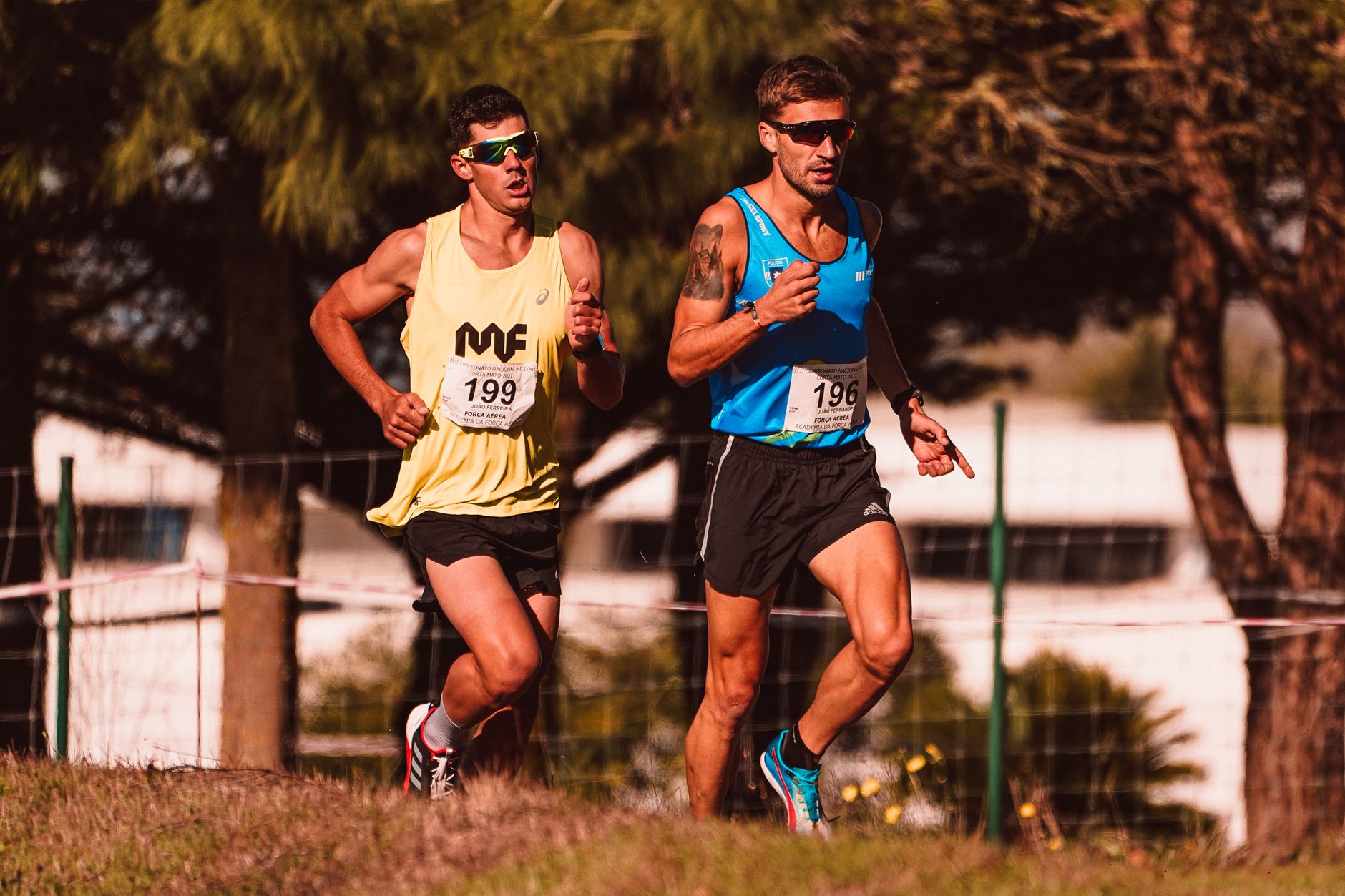
Pickleball excels as supplementary intensity work for runners building overall fitness without running a second hard workout week. Many runners use pickleball as their “secondary intensity” on days they don’t do track work or tempo runs. The lateral demands, deceleration forces, and explosive footwork strengthen muscles runners need for injury prevention and power—particularly around the ankles, hips, and rotational core. The irregular court movement also develops agility and proprioception in ways that steady-paced running doesn’t.
A marathon runner using pickleball twice weekly alongside a single hard running workout (tempo run or intervals) reported improved lower-leg strength and fewer knee issues. However, they noted that pickleball alone never replicated the deep aerobic adaptation they got from 20-minute tempo runs. Pickleball worked better as a third piece: running for aerobic base, a tempo run for intensity threshold, and pickleball for power and agility. The combination kept them fresher than pounding out multiple hard running sessions alone.
Matching Pickleball Intensity to Your Fitness Goals
If your goal is accumulating intensity minutes for aerobic fitness, you should prioritize it only if you can consistently find competitive opponents or higher-skill groups. Recreational picklelball leagues vary widely. Some have skill-based divisions where A-level players compete intensely; others are purely social and feature lots of lofts and soft play. Before betting your intensity work on pickleball, attend a few sessions and honestly assess the pace.
A practical approach: use pickleball as intensity cross-training if you already hit your weekly intensity target through running or cycling. Play 1–2 times per week with competitive partners, and accept that some sessions will be easier than others. Track your heart rate if possible to know which sessions counted as intensity work. Compare this to a dedicated tempo run or interval session, which guarantees your target zone. A 4-mile tempo run at 8:30 pace will reliably deliver 25–30 intensity minutes; a pickleball session might deliver 20 or might deliver 5, depending on circumstances.
The Injury Risk of Relying on Pickleball for Intensity
One often-overlooked limitation is injury risk. Pickleball involves explosive lateral movements on a hard court, which can strain ankles, knees, and hips—especially if you play multiple times weekly. Runners who add 3+ sessions of competitive pickleball per week sometimes overload lower-body tissues already stressed by running. The stop-start nature of pickleball, combined with the rotational forces and frequent direction changes, puts significant demand on joints not always adapted for that pattern.
A warning: do not use pickleball as a substitute for a true running intensity session without understanding the trade-off. Running engages different muscle groups and movement patterns than pickleball, so swapping a 20-minute tempo run for pickleball deprives you of specific aerobic adaptations. Runners who replaced structured intensity work with 3+ hours of weekly pickleball often noticed a decline in running performance within 8–12 weeks. Pickleball improves power and agility, but it doesn’t build the same aerobic threshold that running does. Think of it as complementary, not equivalent.
Real-World Example: The Runner Who Went All-In on Pickleball
A 52-year-old runner with 25 years of experience joined a competitive pickleball league, reasoning that 4 hours weekly of competitive play could replace one of his two running-based intensity sessions. Initially, he felt stronger laterally and his legs felt fresher. But his 5K time dropped by 90 seconds over 12 weeks, and his aerobic fitness declined noticeably.
He was accumulating intensity minutes on the court, but not the aerobic adaptations his running had built. When he returned to a balanced approach—keeping one running-based intensity session, using pickleball as a secondary cross-training activity twice weekly—his running fitness recovered and improved further. The lesson: intensity minutes alone don’t tell the whole story.
The Future of Pickleball in Fitness Cross-Training
Pickleball is growing fastest among recreational athletes precisely because it offers accessible, lower-impact intensity work compared to tennis or running. As competitive pickleball structures improve—with more skill-based divisions and organized leagues—it’s becoming a more reliable cross-training tool.
Heart rate monitors and sports watches are making it easier to quantify exactly how many intensity minutes any given session delivers. For runners, the practical outlook is that pickleball will remain most valuable as a targeted cross-training addition, not a replacement for dedicated running intensity work. As the sport matures and more tracking tools become standard, runners will be better able to predict and manage their intensity contributions from pickleball—much like they do with cycling or rowing cross-training today.
Conclusion
Pickleball can meaningfully contribute to your weekly intensity minutes if you play at a competitive level with skilled opponents, but it’s unreliable as a primary intensity source because you can’t control the pace the way you can with running or cycling. A competitive match might deliver 20–30 intensity minutes, but a casual session with social players might deliver none. Most runners see the best results treating pickleball as secondary cross-training that builds power, agility, and mental freshness while contributing some quantity of intensity work.
Start by playing 1–2 competitive sessions per week while maintaining your primary intensity work through running. Use a heart rate monitor to track which sessions actually count as intensity work, so you know what you’re building. Avoid the trap of replacing structured running intensity with pickleball, even if the intensity minutes look equivalent on paper—aerobic adaptations from running cannot be fully replaced by the stop-start pattern of racquet sports. Balance is the key: pickleball improves intensity, but it works best as part of a complete fitness plan.
Frequently Asked Questions
How many intensity minutes can I expect from one pickleball session?
Competitive play typically delivers 15–35 intensity minutes per 60–90 minute session, depending on opponent skill and play aggressiveness. Social recreational play may deliver fewer than 5 intensity minutes. Use a heart rate monitor to track your actual zones.
Can pickleball fully replace my running intensity workout?
No. Pickleball delivers different aerobic adaptations than running due to its interval-based nature and court movement patterns. It works best as a supplement. Runners who replaced running intensity with pickleball saw performance declines within 8–12 weeks.
Is pickleball safe to do alongside heavy running training?
Generally yes, but limit intensity sessions to 1–2 per week to avoid overloading your legs. The lateral forces and explosive movements can strain ankles and knees if combined with high running volume.
Which is better for intensity minutes: pickleball or tennis?
Tennis typically generates longer rallies and more sustained intensity windows, but both depend on opponent skill. Pickleball is lower-impact and more accessible for building intensity through cross-training.
Can I track intensity minutes from pickleball?
Yes, with a sports watch or heart rate monitor that tracks zones. Look for sessions where your heart rate stays in Zone 4 (70–85% max HR) or Zone 5 (85%+ max HR) for the cumulative duration.
Is recreational pickleball worth my time if I’m focused on running fitness?
Recreational pickleball offers benefits for agility, strength, and mental recovery, but won’t reliably contribute intensity minutes. If intensity work is your goal, prioritize competitive play or structured training like running and cycling.


