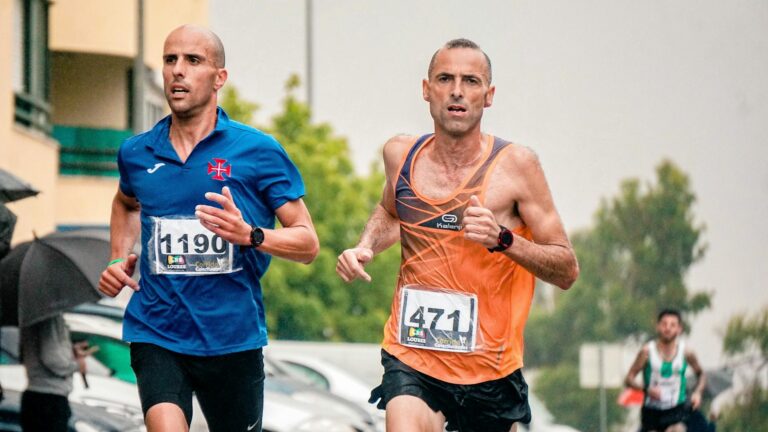
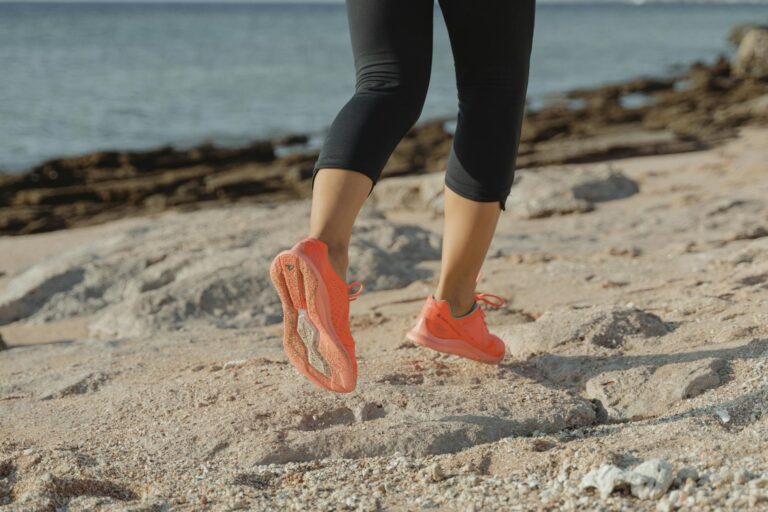
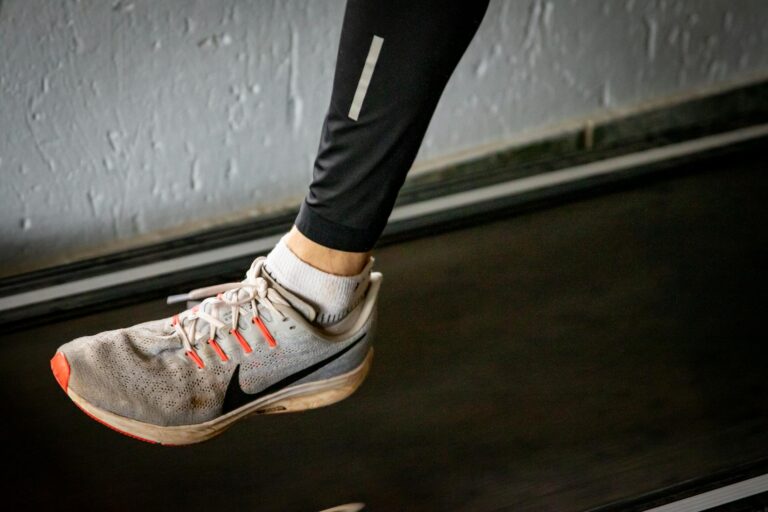
Finding the best shoes for long treadmill runs when pace starts to drift represents one of the more nuanced challenges in running footwear selection. Unlike outdoor running, where terrain variations and environmental factors naturally engage different muscle groups, treadmill running demands consistent repetitive motion on an unchanging surface. This uniformity places specific stresses on the feet, ankles, and lower legs that compound over time, particularly during extended sessions when fatigue sets in and running form begins to deteriorate. The phenomenon of pace drift””that gradual, often unconscious slowing that occurs during long runs””signals more than just cardiovascular fatigue.
It reflects a breakdown in neuromuscular efficiency, biomechanical compensations, and often inadequate footwear support that fails to maintain its performance characteristics over extended durations. When runners notice their pace slipping from 8:30 to 9:00 to 9:30 per mile despite consistent perceived effort, the shoes on their feet play a larger role than many realize. The right footwear can delay this drift, support fatiguing muscles, and maintain energy return when the body’s own systems begin to flag. This article examines what makes certain shoes superior for long treadmill sessions, how to identify when your current footwear might be contributing to pace instability, and which specific features matter most when fatigue becomes a factor. By understanding the biomechanical demands of extended treadmill running and matching those needs to appropriate footwear characteristics, runners can optimize their equipment choices to support consistent performance throughout their longest indoor sessions.
Table of Contents
- Why Do Long Treadmill Runs Cause Pace to Drift and How Do Shoes Factor In?
- Key Features of the Best Shoes for Maintaining Pace on Long Treadmill Sessions
- How Treadmill Running Differs from Outdoor Running in Shoe Requirements
- Selecting the Right Shoe to Prevent Pace Drift on Extended Treadmill Runs
- Common Mistakes When Choosing Shoes for Long Treadmill Workouts
- The Role of Midsole Technology in Combating Late-Run Fatigue
- How to Prepare
- How to Apply This
- Expert Tips
- Conclusion
- Frequently Asked Questions
Why Do Long Treadmill Runs Cause Pace to Drift and How Do Shoes Factor In?
Pace drift during long treadmill runs stems from multiple physiological and biomechanical factors that interact in complex ways. Glycogen depletion affects muscular power output, core temperature elevation reduces efficiency, and accumulated muscle damage from repetitive impact diminishes the elastic recoil that propels each stride forward. The treadmill’s perfectly flat, consistently cushioned surface””while seemingly advantageous””actually eliminates the natural variations that help distribute stress across different tissue structures. Every footstrike loads the same anatomical structures in nearly identical fashion, accelerating localized fatigue.
Footwear enters this equation as the primary interface between the runner and the running surface. Shoes with inadequate cushioning compound impact forces as muscles lose their ability to absorb shock through eccentric loading. Shoes with insufficient stability allow increasing pronation or supination as the intrinsic foot muscles fatigue, leading to energy leaks and inefficient force transfer. Perhaps most significantly, shoes that lose their responsiveness over the duration of a run””due to midsole compression, heat buildup, or material fatigue””progressively reduce the energy return that helps maintain pace with less metabolic cost.
- **Repetitive loading patterns** on treadmills stress identical tissue structures without the relief of terrain variation, demanding shoes with consistent performance characteristics
- **Midsole compression** under sustained loading can reduce cushioning effectiveness by 15-25% over runs exceeding 90 minutes, directly impacting ground contact efficiency
- **Heat accumulation** in shoe materials affects both foam responsiveness and upper conformity, with temperatures inside running shoes reaching 35-40°C during extended sessions
- **Proprioceptive feedback** from footwear influences running mechanics, and shoes that distort this feedback as they compress can contribute to form breakdown and pace instability
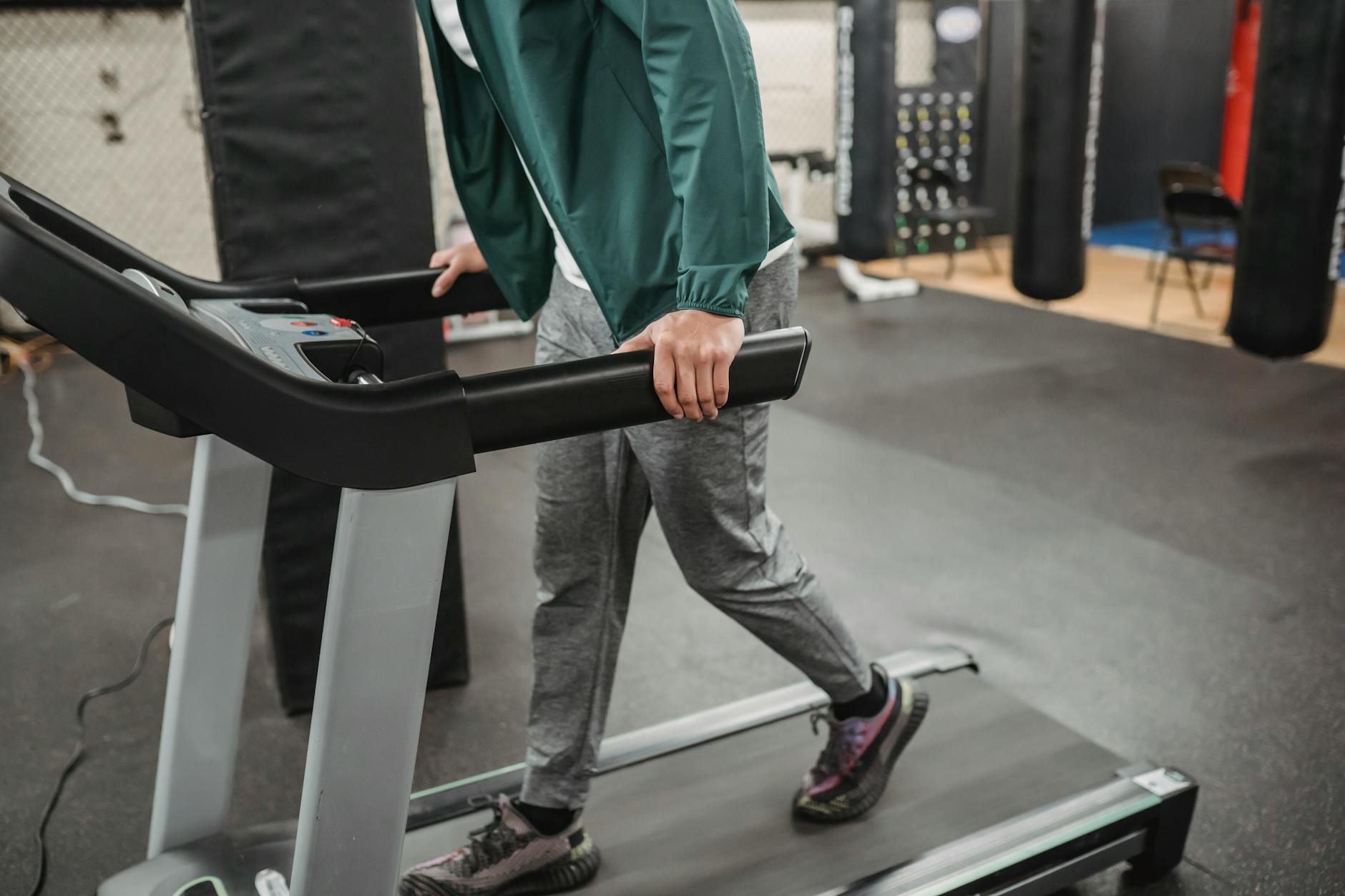
Key Features of the Best Shoes for Maintaining Pace on Long Treadmill Sessions
The architecture of a shoe designed for sustained treadmill performance differs meaningfully from footwear optimized for short, fast efforts or varied outdoor terrain. Energy return becomes paramount when muscular systems can no longer contribute their full elastic power. Modern midsole foams like Nike ZoomX, Saucony PWRRUN PB, and Adidas Lightstrike Pro offer energy return rates between 85-88%, compared to 60-65% for traditional EVA foams. This difference compounds dramatically over thousands of footstrikes, potentially reducing the metabolic cost of maintaining pace by measurable margins.
Cushioning geometry matters as much as material composition. Shoes with higher stack heights (35-40mm) provide more material to absorb impact but can reduce proprioceptive connection with the running surface. The ideal balance for extended treadmill running typically falls in the 32-38mm range, offering substantial protection without completely isolating the foot from feedback. Rocker geometries””the curved sole profile that facilitates forward momentum through the gait cycle””can reduce the muscular effort required for toe-off, though excessive rocker can feel unstable as fatigue compromises balance.
- **Foam density consistency** across temperature ranges prevents performance degradation as shoe interiors heat up during long efforts
- **Heel-to-toe drop** between 6-10mm generally supports the slight forward lean that efficient treadmill running demands while protecting the Achilles tendon during extended loading
- **Upper breathability** becomes critical during indoor runs where ambient cooling is reduced; mesh uppers with minimal overlays prevent the heat and moisture buildup that leads to friction, blistering, and discomfort
- **Weight considerations** favor shoes under 280 grams (10 ounces) for men’s size 9, as the cumulative energy cost of moving heavier footwear becomes significant over 10,000+ footstrikes
How Treadmill Running Differs from Outdoor Running in Shoe Requirements
The biomechanics of treadmill running create distinct demands that outdoor shoes may not optimally address. Research from the University of Calgary’s Human Performance Laboratory has documented subtle but meaningful differences in ground contact patterns, joint angles, and muscle activation between belt running and overground locomotion. The moving belt essentially pulls the leg backward during stance phase, reducing the hip extension demands but potentially increasing stress on the anterior chain. Shoes designed for treadmill-specific use can account for these differences.
Traction requirements represent the most obvious distinction. Aggressive outsole patterns designed for trail grip or wet road traction become unnecessary on a textured rubber belt, and their added weight works against long-run efficiency. Conversely, the absence of any debris or surface irregularities means outsole durability matters less for treadmill runners, allowing for lighter rubber compounds or exposed foam designs that would wear prematurely outdoors. Many runners find that outsoles begin squeaking on treadmill belts as they wear smooth from outdoor use””a sign that the shoe’s interface with the belt has degraded even if cushioning remains adequate.
- **Reduced lateral stability demands** on the treadmill’s straight, flat surface allow for narrower platforms and lighter stability features than variable terrain would require
- **Consistent surface hardness** enables more precise cushioning calibration, as shoes need not accommodate the range from soft dirt to concrete
- **Climate control** in indoor environments means waterproofing and weather resistance add unnecessary weight and reduce breathability
- **Proprioceptive simplicity** of the treadmill surface can mask the gradual loss of shoe responsiveness that variable terrain would more immediately reveal

Selecting the Right Shoe to Prevent Pace Drift on Extended Treadmill Runs
Matching footwear to individual biomechanics becomes increasingly important as run duration extends and fatigue erodes the body’s natural compensatory mechanisms. Runners with mild overpronation may function well in neutral shoes during fresh, short runs but require structured support to maintain gait efficiency beyond the 60-minute mark. This individualization process begins with understanding one’s own fatigue patterns and where mechanical breakdown first appears.
Gait analysis, whether through professional assessment or careful self-observation via treadmill video recording, reveals the specific failure modes that extended running triggers in each individual runner. Some runners demonstrate increasing heel striking as posterior chain muscles fatigue, suggesting shoes with substantial heel cushioning and smooth heel-to-toe transitions. Others show ankle instability and excessive inward rolling, indicating the need for medial post support or structured heel counters that maintain their positioning effectiveness under prolonged loading.
- **Rotation strategies** using two or more shoe models with different characteristics can help prevent the tissue adaptation and overuse patterns that contribute to pace drift and injury
- **Break-in periods** of 40-60 miles allow midsole foams to stabilize at their true performance level, making early impressions unreliable for judging long-run suitability
- **Stack height matching** to running speed helps optimize the cushioning-to-responsiveness ratio for individual performance levels and pacing strategies
- **Upper fit assessment** should occur after running, when foot volume has increased 3-5% from fluid accumulation and mechanical stress; shoes that fit perfectly when fresh may constrict circulation after 45 minutes
Common Mistakes When Choosing Shoes for Long Treadmill Workouts
The most prevalent error runners make when selecting long-run treadmill shoes is prioritizing race-day performance characteristics over durability and consistency. Super-foam racing shoes with carbon fiber plates deliver remarkable energy return when fresh but often compress significantly during extended efforts, with some models losing measurable bounce within a single marathon-length session. Training shoes built for volume work typically sacrifice peak performance for sustained performance””a trade-off that serves long treadmill runs better than racers designed for peak output over shorter durations.
Size selection errors compound over distance as feet swell and slide forward during extended running. The rule of thumb suggesting one thumbnail’s width of space in the toebox applies doubly for long treadmill runs, where repetitive impact without terrain variation causes consistent anterior foot loading. Shoes that feel roomy during a short jog may prove inadequate when the same area of the foot contacts the same part of the shoe thousands of times in succession. Black toenails and blisters that appear only after longer runs often indicate sizing rather than shoe model problems.
- **Overvaluing cushioning softness** at the expense of energy return leads to shoes that feel plush initially but demand more muscular effort to propel forward, accelerating fatigue
- **Ignoring weight accumulation** from sweat absorption in synthetic uppers can add 20-40 grams per shoe during long indoor runs, negating the benefits of lightweight construction
- **Choosing based on aesthetic** rather than functional fit frequently results in shoes that look good in photos but fail to address individual biomechanical needs
- **Extending shoe lifespan** beyond midsole functionality compromises both performance and injury prevention; most running shoes lose critical cushioning responsiveness between 400-500 miles, regardless of outsole appearance
The Role of Midsole Technology in Combating Late-Run Fatigue
Modern midsole materials represent the most significant running shoe innovation of the past decade, with direct implications for maintaining pace during extended efforts. Nitrogen-infused TPU foams like Adidas Boost and Saucony’s PWRRUN+ maintain their energy return characteristics across wide temperature ranges and extended compression cycles. PEBA-based super foams including Nike ZoomX, New Balance FuelCell, and ASICS FF Blast Turbo offer the highest energy return percentages but vary in their durability under sustained loading.
The interaction between foam geometry and material properties creates the overall ride character that determines long-run suitability. Dual-density constructions that place firmer foam medially can guide the foot through efficient gait patterns even as supporting muscles fatigue. Rocker geometries with the apex positioned appropriately for individual stride mechanics reduce the active muscular effort required for propulsion. These structural elements complement foam performance to create systems that support pace maintenance through comprehensive design rather than single-feature solutions.
How to Prepare
- **Analyze your current fatigue patterns** by recording video of your treadmill form at the beginning, middle, and end of long runs. Note where mechanical breakdown first appears””foot strike changes, increasing pronation, forward lean loss, or arm swing asymmetry””to identify what type of support your fatiguing form most needs.
- **Measure your feet at the end of a long run** rather than when fresh. Foot volume increases 3-8% during extended running, and sizing decisions made with fresh feet frequently result in constrictive fit during the critical later stages of long efforts where pace drift typically accelerates.
- **Research midsole materials and their fatigue characteristics** specific to your pace range and body weight. Heavier runners and slower paces compress foam more aggressively, potentially requiring higher-density materials that lighter or faster runners might find unresponsive.
- **Calculate your weekly treadmill mileage** to estimate shoe replacement intervals. At 500 miles maximum lifespan, a runner averaging 40 weekly treadmill miles needs new shoes roughly every three months to maintain optimal midsole performance.
- **Plan a shoe rotation system** with at least two models featuring different cushioning characteristics and drop heights. Alternating shoes between sessions allows foam recovery time and reduces the repetitive loading patterns that contribute to both shoe degradation and overuse injury.
How to Apply This
- **Introduce new shoes during shorter treadmill sessions first**, limiting initial use to 30-40 minutes before extending to full long-run duty. This allows adaptation to the shoe’s characteristics while fresh enough to notice potential issues before they cause injury.
- **Track pace drift data** across multiple long runs in the same shoes, establishing baseline performance and monitoring for degradation as mileage accumulates. A consistent increase in late-run pace drop may indicate the shoe is no longer providing adequate support.
- **Match shoe selection to workout intent** within your long-run sessions. If the goal involves sustained steady-state effort, prioritize cushioning and efficiency. If the session includes faster finish segments, consider slightly firmer, more responsive options that facilitate pace increases despite accumulated fatigue.
- **Reassess shoe fit and function** at regular intervals rather than running shoes to complete failure. Scheduling evaluation every 100 miles catches developing problems before they affect performance or cause injury, allowing proactive replacement before critical long runs or race preparation periods.
Expert Tips
- **Let shoes rest 24-48 hours between long treadmill sessions** to allow compressed midsole foams to recover their original geometry. Research suggests EVA foams recover approximately 90% of their cushioning within this window, while newer PEBA and TPU foams recover more completely and quickly.
- **Consider slightly lower stack heights** for treadmill running than you might choose for roads. The consistent, predictable surface reduces the need for maximum cushioning, and the improved ground feel can help maintain efficient form when fatigue begins to compromise proprioception.
- **Pay attention to heel counter rigidity** for late-run stability. As the posterior tibial tendon and intrinsic foot muscles fatigue, a structured heel counter can maintain rearfoot positioning that unsupported uppers cannot, reducing the energy leaks that contribute to pace drift.
- **Evaluate shoes in the temperature conditions you will run in**””indoor treadmill environments often reach 20-25°C, which affects foam performance differently than outdoor winter conditions or summer heat. Test in representative conditions for accurate assessment.
- **Document shoe performance subjectively** through brief post-run notes rating cushioning feel, stability, and late-run comfort. This longitudinal data reveals degradation patterns that day-to-day perception might miss and helps predict optimal replacement timing for future pairs.
Conclusion
The search for the best shoes for long treadmill runs when pace starts to drift ultimately requires balancing multiple factors specific to individual biomechanics, training goals, and fatigue patterns. No single shoe model serves all runners optimally, but understanding the characteristics that support sustained performance””consistent energy return, appropriate stability features, durable cushioning materials, and proper fit under fatigue conditions””enables informed selection from among the many quality options available. The investment in proper footwear extends beyond improved workout performance to reduced injury risk and more enjoyable long-run experiences.
The discipline of systematically evaluating and rotating running shoes, matching footwear to workout demands, and replacing shoes before performance degradation becomes significant represents one of the highest-return investments in training equipment a runner can make. While the perfect shoe cannot eliminate the physiological fatigue that causes pace drift, appropriate footwear can delay its onset, reduce its magnitude, and support continued forward progress when the body’s own systems begin to falter. Taking the time to find and maintain the right shoes for long treadmill running pays dividends across every extended session.
Frequently Asked Questions
How long does it typically take to see results?
Results vary depending on individual circumstances, but most people begin to see meaningful progress within 4-8 weeks of consistent effort. Patience and persistence are key factors in achieving lasting outcomes.
Is this approach suitable for beginners?
Yes, this approach works well for beginners when implemented gradually. Starting with the fundamentals and building up over time leads to better long-term results than trying to do everything at once.
What are the most common mistakes to avoid?
The most common mistakes include rushing the process, skipping foundational steps, and failing to track progress. Taking a methodical approach and learning from both successes and setbacks leads to better outcomes.
How can I measure my progress effectively?
Set specific, measurable goals at the outset and track relevant metrics regularly. Keep a journal or log to document your journey, and periodically review your progress against your initial objectives.
When should I seek professional help?
Consider consulting a professional if you encounter persistent challenges, need specialized expertise, or want to accelerate your progress. Professional guidance can provide valuable insights and help you avoid costly mistakes.
What resources do you recommend for further learning?
Look for reputable sources in the field, including industry publications, expert blogs, and educational courses. Joining communities of practitioners can also provide valuable peer support and knowledge sharing.