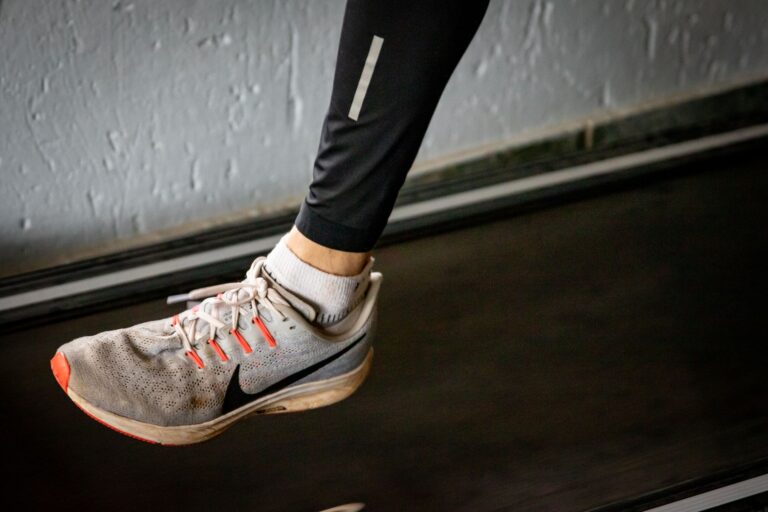
Stair climbing challenges range from casual fitness pursuits to competitive racing events that test human endurance and cardiovascular capacity. Whether you’re climbing the 86 flights of the Empire State Building in October’s 48th annual run-up or tackling San Francisco’s 900+ public stairways in the May 2026 SF Stair Challenge, stair climbing presents a unique fitness challenge that bridges the gap between everyday movement and intense athletic competition. The challenge isn’t just physical—it’s metabolic, mental, and logistical.
The appeal of stair climbing as a fitness challenge lies partly in its efficiency and accessibility. Climbing stairs for just 4 minutes provides cardiovascular benefits roughly equivalent to 10 minutes of brisk walking or 20 minutes of slower walking. This makes stairs an attractive option for time-constrained runners and fitness enthusiasts looking to maximize their training impact. Yet despite this efficiency, most people drastically underestimate what stair climbing demands.
Table of Contents
- WHY ARE STAIRS SO MUCH HARDER THAN RUNNING?
- THE INJURY RISK MOST PEOPLE MISUNDERSTAND
- HOW STAIR CLIMBING TRANSFORMS MENTAL RESILIENCE
- TRAINING STRATEGIES THAT ACTUALLY WORK
- THE PACING MISTAKE THAT DERAILS MOST COMPETITORS
- THE COMPETITIVE STAIR CLIMBING CIRCUIT
- THE FUTURE OF STAIR CLIMBING IN RUNNER FITNESS
- Conclusion
WHY ARE STAIRS SO MUCH HARDER THAN RUNNING?
Stair climbing challenges your body differently than running on flat ground. Each step requires lifting your entire body weight vertically against gravity, recruiting muscles throughout your lower body—quads, glutes, hamstrings, and calves—simultaneously. Unlike running, where you can find a rhythm and coast somewhat, stairs demand maximum effort on every single repetition. Runners often find that a stairwell that takes 2 minutes to climb feels harder than a 10-minute road run at similar heart rate zones.
The reason is muscular specificity. Your legs aren’t adapted to repeated vertical loading the way they’re adapted to forward propulsion. This is why competitive stair climbers train year-round on stairs themselves rather than assuming their running fitness transfers directly. The 36-floor stair climb at Indianapolis’s Bop to the Top (January’s 43rd annual event) regularly humbles experienced ultramarathoners and track runners because their training hasn’t prepared their muscles for sustained vertical work. Your aerobic system might be fit enough, but your legs will feel like concrete before you reach the top.

THE INJURY RISK MOST PEOPLE MISUNDERSTAND
Many runners assume stair climbing carries high injury risk, but research indicates very little risk of injuries for people climbing stairs—provided they approach the activity with respect and proper progression. This might surprise those who’ve experienced knee or hip pain during casual stair climbing. The key distinction is between casual, untrained stair use and intentional stair training. The real challenge is overuse syndrome from rapid progression.
Runners transitioning to regular stair climbing often jump into too much volume too quickly, leading to overuse injuries in the knees, hips, and Achilles tendons. The damage doesn’t come from the stairs themselves but from inadequate adaptation time. Regular stair climbing as a routine activity—especially moderate-intensity work like using stairs as part of your daily commute—appears genuinely safe. However, using stairs sporadically and intensely while also maintaining high running mileage creates a compounding stress that can lead to problems.
HOW STAIR CLIMBING TRANSFORMS MENTAL RESILIENCE
Beyond the cardiovascular and strength benefits, stair climbing improves feelings of energy and has potential to improve mental health, according to recent research. This mental component is often what separates recreational stair climbers from those who tackle competitive events. The psychological demand of watching the stairwell stretch above you, knowing you must climb every single step, builds a different kind of mental toughness than running a road race where you can coast downhill or adjust your pace dynamically.
Participants in events like London’s Charity Challenge (October 10, 2026) or the 9/11 Memorial Stair Climbs across multiple cities report a profound sense of accomplishment that exceeds what they feel from running equivalent distances. Part of this comes from the visibility of effort—there’s nowhere to hide on a stairwell, and the goal is absolutely clear. You either reach the top or you don’t. This clarity, combined with the sustained effort required, creates a focused mental state that many runners find clarifying after months of moderate-paced training.

TRAINING STRATEGIES THAT ACTUALLY WORK
Preparing for stair climbing challenges requires a different approach than training for road races. Strength and power training become essential rather than supplementary. Most competitive stair climbers perform specific stair intervals 2-3 times per week, varying intensity from steady-state climbing to shorter, explosive repeats. They also incorporate heavy lower body strength work—squats, deadlifts, lunges—to build the muscular capacity stairs demand.
A practical progression for road runners new to stair climbing looks like this: start with one moderate stair session per week (10-15 minutes of easy-to-moderate climbing), maintain for 3-4 weeks, then add a second session focused on shorter, faster repeats. Only after 8-12 weeks of this foundation should you attempt a competitive event. This timeline feels slow compared to how fast you can adapt to road running, but it reflects the unique stress stair climbing places on muscles and connective tissues. The 333-stair Dragon’s Tail challenge in St. George, Utah (3rd annual) attracts competitors who spend months training specifically on stairs, not just relying on general fitness.
THE PACING MISTAKE THAT DERAILS MOST COMPETITORS
Most runners who attempt stair climbing challenges make a critical pacing error: they start too fast. On flat ground, you can recover on downhills or easier sections. Stairs offer no recovery. Starting hard means you’ll hit a wall—often around 60-70% of the way up—where your legs simply stop responding and your aerobic system can’t carry you further. Experienced stair climbers adopt a different pacing strategy: start conservatively, find a sustainable rhythm early, and hold it to the finish.
Another overlooked challenge is the descent. While climbing demands strength and aerobic capacity, descending requires eccentric strength and quadriceps control. Untrained descenders experience severe delayed-onset muscle soreness that can impair training for days afterward. Many competitive stair climbers actually train their descents with the same focus they give to climbing, yet recreational participants often ignore this entirely. After the Empire State Building Run-Up’s 1,576 stairs, participants face the challenge of descending on fatigued quads, which is where many experience their worst injuries.

THE COMPETITIVE STAIR CLIMBING CIRCUIT
Organized stair climbing events have grown significantly, offering runners a structured outlet for this niche challenge. Beyond the high-profile Empire State Building Run-Up, there are events across the country targeting different distances and difficulties. The SF Stair Challenge in May celebrates San Francisco’s unique topography with 500+ participants, while the Dragon’s Tail in St.
George adds a unique twist—after climbing, participants must descend and climb repeatedly, turning it into an endurance challenge rather than a single-effort race. The 9/11 Memorial Stair Climbs held throughout September in cities including Los Angeles (September 25) and Biloxi (September 12) add a layer of purpose beyond personal achievement. These events honor firefighters who climbed stairs under extreme conditions, and participants often report that climbing with this context creates a powerful emotional experience. For runners seeking a new challenge that combines fitness, community, and meaning, the competitive stair climbing circuit offers genuine variety.
THE FUTURE OF STAIR CLIMBING IN RUNNER FITNESS
Stair climbing has shifted from a niche training tool to a recognized fitness modality with growing scientific support. Research from Frontiers in Cardiovascular Medicine (2026) demonstrates that regular stair climbing is associated with reduced risk of valvular heart disease, particularly for people unable to meet current physical activity recommendations through traditional exercise. This research suggests stair climbing could become a standard prescription for populations with limited mobility or time constraints.
The workplace relevance is substantial: 60% of U.S. workers are employed in multistory buildings with stairwells. As employers increasingly focus on employee health and organizations recognize the efficiency of stair climbing, we may see more intentional integration of stair climbing into workplace wellness programs. For distance runners, stair climbing increasingly appears as a valuable cross-training tool rather than a curiosity, offering cardiovascular and mental benefits that complement traditional running training.
Conclusion
Stair climbing challenges test runners in ways that flat-ground running cannot. The demand is immediate, unforgiving, and honest—there’s no pacing strategy that lets you coast, no downhill sections to recover, and no way to fake fitness. Whether you’re preparing for a single competitive event like the Empire State Building Run-Up or integrating stair climbing into your regular training rotation, the challenge demands respect and proper progression.
The opportunity, however, extends beyond fitness metrics. Stair climbing builds mental resilience, delivers impressive cardiovascular adaptations in minimal time, and connects you to a growing community of athletes pursuing this challenging pursuit. If you’re a runner looking to break out of the flat-ground monotony and discover what your legs are truly capable of, stairs are waiting.