
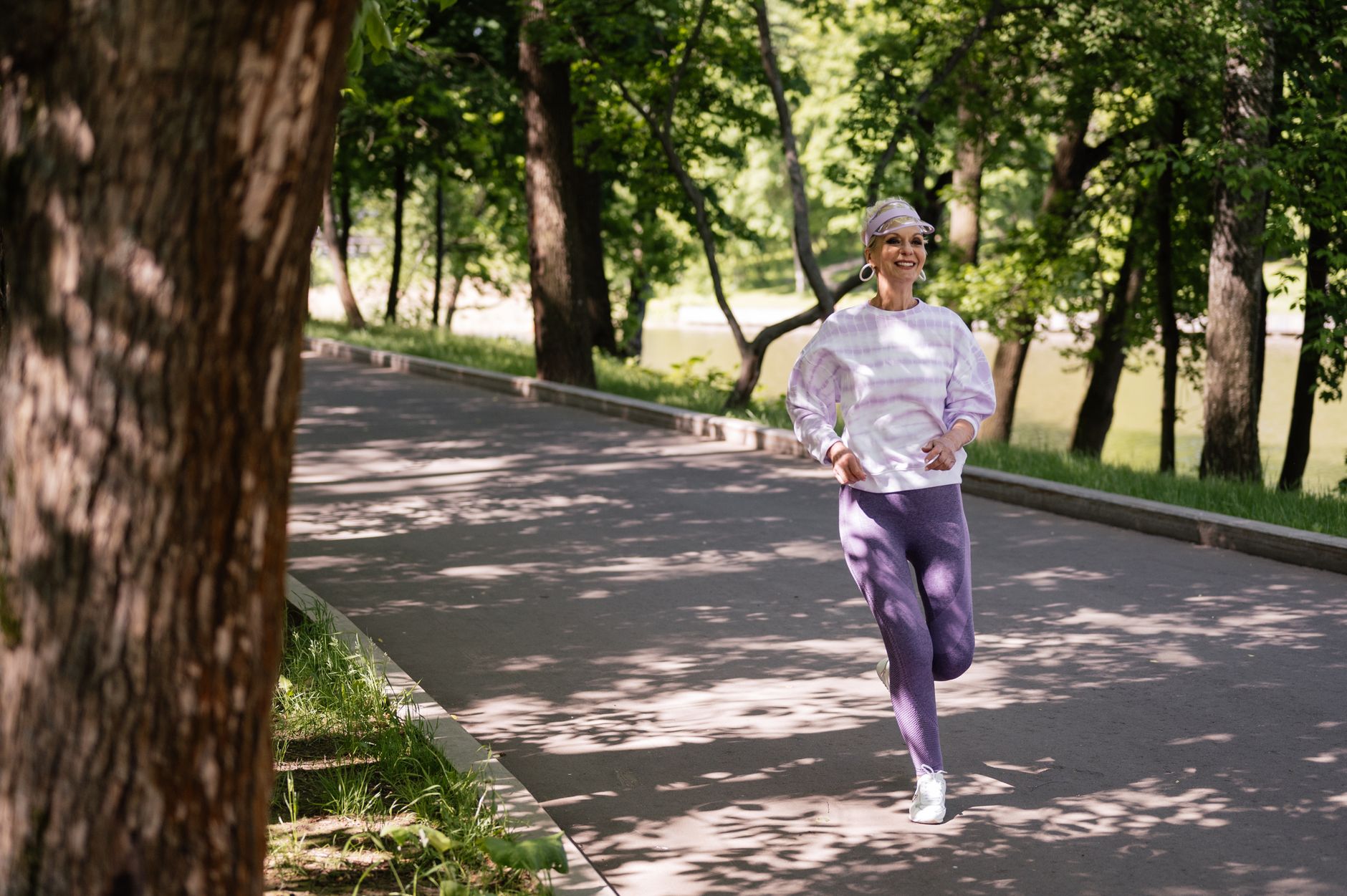
A running age-group checklist gives masters runners a clear plan for gear, fluids, and preparation. Age-group means race organizers place runners in brackets by age, so training must fit changing heat tolerance and recovery. Use it before long runs, tune-ups, and race day. It links shoes, visibility, fluids, sodium, heat checks, and gradual warm-weather buildup into one routine.
Medical information disclaimer: This article is for general educational purposes only and does not provide medical advice, diagnosis, or treatment. Always consult a physician or other qualified health professional about symptoms, medications, tests, or treatment decisions.
Table of Contents
- What gear prevents blisters and keeps you visible?
- How much should you drink before, during, and after?
- How do age and heat change your safeguards?
- How do you build heat tolerance and check risk?
What gear prevents blisters and keeps you visible?
Break in shoes before any long run or race. Choose ventilated shoes and clothing to cut heat buildup. Pick moisture-wicking or padded socks instead of cotton for long efforts to reduce blisters and chafing.
Wear bright colors in daylight and add reflective or LED gear in low light. Good options include vests, headlamps, shoe clips, wrist bands, and knuckle lights. Carry light rain gear or gloves because conditions can shift fast on a run.
- Shoes broken in, ventilated top and shorts
- Moisture-wicking socks, with a dry spare for rain
- Reflective vest or lights, plus shell or gloves
How much should you drink before, during, and after?
Start well hydrated. According to the American College of Sports Medicine, drink about 500 mL (17 oz) about 2 hours before exercise ACSM fluid-replacement guidance. That gap promotes hydration and leaves time to pass excess water. Drink early and at regular intervals once you start.
According to the National Athletic Trainers' Association fluid-replacement statement, the goal is to limit loss to under 2% of body weight. Voluntary drinking often replaces only about half of sweat and urine losses, so do not wait for thirst alone. For long or very sweaty runs, include sodium from fluids and food. According to the National Athletic Trainers' Association heat-illness guidance, rehydrate after with about 450-675 mL per 0.5 kg lost NATA exertional heat-illness guidance. Plain-water overdrinking can cause dangerous exertional hyponatremia.
How do age and heat change your safeguards?
Adults 65 and older face higher heat-illness risk. According to CDC guidance on heat and older adults, they adjust less well to sudden temperature change CDC guidance on heat and older adults. Chronic conditions and common medicines can further impair heat response, so older age-group runners need extra cooling and hydration precautions.
Watch the heat index before you decide distance and pace. Fatigue is possible with prolonged activity at 80-90 F. Cramps, exhaustion, and heatstroke are possible at 90-105 F, so shorten the run, reschedule to cooler hours, or move indoors as the index rises.
How do you build heat tolerance and check risk?
Acclimatize by adding hot-environment exposure gradually over 7-14 days. Start with shorter, easier sessions in heat, then add time and intensity. This slow buildup helps the body learn to sweat and cool more effectively.
Get screening before competition if you have warning signs. According to the American Heart Association preparticipation guidance and CDC NIOSH acclimatization guidance, seek review for exertional chest pain, unexplained fainting, excess breathlessness, a murmur, or family early cardiac death. Book the check before the heat buildup and bring a list of medicines and family heart history.