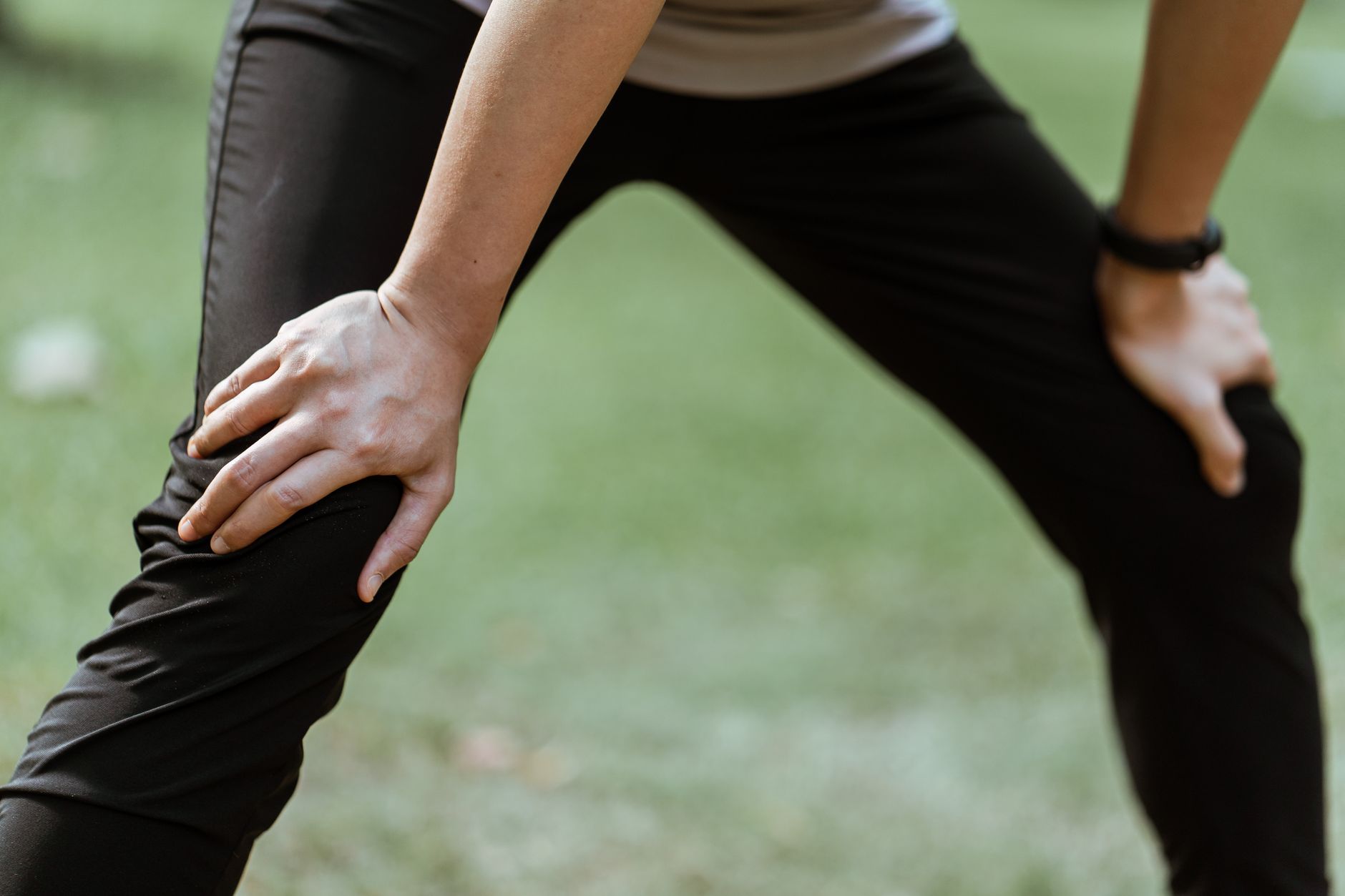
Runner's knee is patellofemoral pain syndrome, a dull ache in front of the knee around or behind the kneecap. Stop running and seek evaluation for swelling that will not settle, locking, giving way, or trouble bearing weight or straightening the knee. Pain often rises with running, stair climbing, or squatting. Tracking triggers and red flags helps you choose between activity changes and prompt care.
Medical information disclaimer: This article is for general educational purposes only and does not provide medical advice, diagnosis, or treatment. Always consult a physician or other qualified health professional about symptoms, medications, tests, or treatment decisions.
Table of Contents
- What does runner's knee feel like?
- What sets it off?
- Which warning signs mean stop now?
- When should you seek care?
What does runner's knee feel like?
Mayo Clinic, via the St. Clair Health library, describes runner's knee as patellofemoral pain syndrome with dull, aching pain around or behind the kneecap Mayo Clinic information on patellofemoral pain. Pain grows with running, stair climbing, or squatting.
The location is the front of the knee. Nemours KidsHealth notes some people feel popping, creaking, grinding, catching, or locking when getting up from sitting or using stairs. These sensations can appear without a single injury. They are more concerning with pain, swelling, or giving way.
What sets it off?
Nemours KidsHealth lists walking up or down stairs, kneeling, squatting, and running as typical triggers. Symptoms can also start after prolonged sitting with a bent knee.
Think of a long car ride or time in a movie theater seat. Pain on standing or taking the first steps on stairs points toward this pattern. Noting the exact trigger helps a clinician sort the pattern.
Which warning signs mean stop now?
Dr. Cory Calendine advises runners to stop running and seek evaluation for these problems orthopaedic guidance on running knee pain: Do not run through these signs to test the knee.
STLSportsPage health guidance treats a hot, red, swollen knee with fever, rapid swelling within hours of injury, obvious deformity, or a pop followed by swelling or instability as urgent knee popping guidance on urgent warning signs. These urgent patterns are not routine runner's knee. They need urgent care, not home management.
- swelling that will not settle
- locking or catching
- giving way
- inability to bear weight
- inability to fully straighten the knee
When should you seek care?
The Princeton Medicine sports medicine guide advises prompt care if symptoms last more than 1-2 weeks, keep returning, cause limping, or interfere with training or daily activity sports medicine guide on how long runner's knee lasts. Waiting through repeated flare-ups can delay appropriate treatment. Limping is itself a stop signal. Spectrum Health Lakeland clinician guidance, via HealthyKneesClub, favors relative rest and activity change plus ice and physical-therapy strengthening of hips and quadriceps.
Return to sport usually waits until everyday walking and stairs are pain-free. Sports physician Adam B. Cohen notes front-knee pain overlaps other injuries. X-ray or MRI is used mainly to rule out other conditions when the diagnosis is unclear or symptoms do not improve.