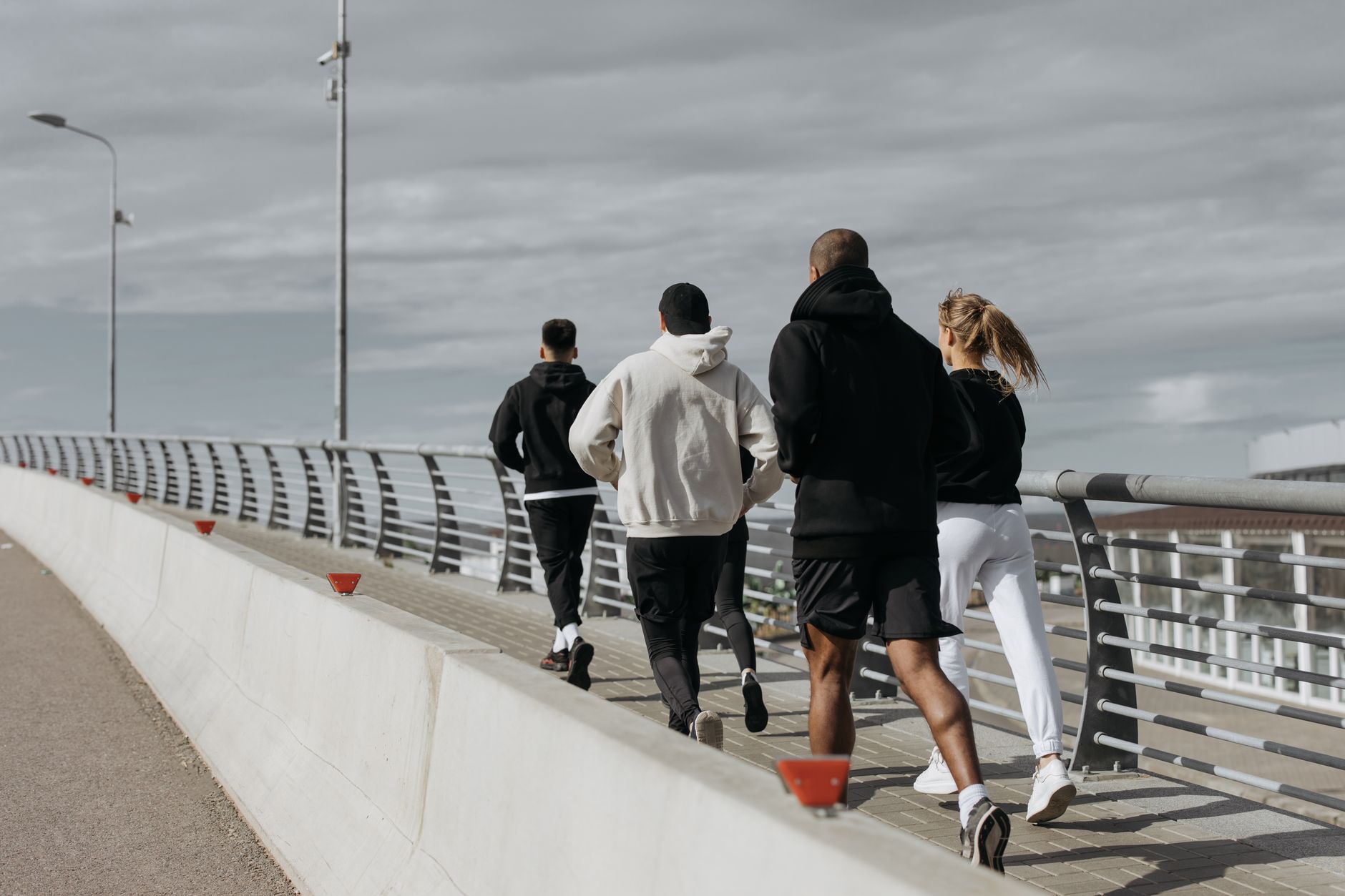
This biomechanics running workout guide organizes warm-up, main session, and recovery around efficient movement. Biomechanics means how joints, muscles, and impact forces work together when you run.
You will prime muscles, practice shorter quicker steps, land softer, and support training with strength and sleep. The focus is recreational runners building steady form without extra gear. Each part gives simple actions for your next run.
Medical information disclaimer: This article is for general educational purposes only and does not provide medical advice, diagnosis, or treatment. Always consult a physician or other qualified health professional about symptoms, medications, tests, or treatment decisions.
Table of Contents
- How should you warm up?
- What cadence and stride should you practice?
- Where should your foot land?
- How do you build strength and recover?
How should you warm up?
Start with easy jogging plus leg swings, then add static or dynamic stretches. Researchers in the International Journal of Environmental Research and Public Health found those stretches improved running economy at submaximal load. The same runners also reported lower effort after exhaustion.
Keep pre-run stretching brief and consistent. In 2,729 runners running 10 or more miles per week, 3–5 minutes of pre-run stretching neither prevented nor caused injury, according to the George Mason study summary. The strongest risks were prior injury, higher body weight, and changing a usual stretching routine. Use one repeatable sequence before most runs:.
- Walk or jog slowly for five minutes.
- Add leg swings, walking lunges, and ankle circles.
- Finish with a few short strides at comfortable effort.
What cadence and stride should you practice?
Cadence means steps per minute. A 2025 systematic review found typical recreational cadence is 150–170 steps per minute, versus 180 or more for elites. It also reported ground contact time of 200–300 milliseconds, with stride length falling as cadence rises. Try a small increase of about 5–10% above your usual cadence.
That change shortens stride length, lowers vertical bounce and braking forces, and reduces knee bending and kneecap stress, according to the MDPI Sensors study. It can help runners who overstride or feel pain at the front of the knee. Use a watch or phone metronome for one easy run per week. Raise cadence slightly while keeping the same speed and relaxed breathing. Stop the drill if form feels forced or pain increases.
Where should your foot land?
Aim to land with your foot closer under your body. Harvard cross-country research found heel-strikers had about twice the repetitive-stress injury rate of forefoot-strikers, reported by the Harvard Gazette. Lab work also showed forefoot landing with less impact force. A softer footfall matters more than forcing a new foot strike.
Think quiet steps, bent knee, and hips tall over the feet. Avoid reaching far forward with a straight leg. Practice on a flat path during an easy run. Run for one minute with quicker, lower steps, then jog normally for two minutes. Repeat four to six times and keep total effort comfortable.
How do you build strength and recover?
Train major muscles at least twice weekly. American College of Sports Medicine guidance calls for heavier loads through a full range of motion, with progressive overload for growth. Add squats, hinges, lunges, calf raises, rows, and presses after easy runs. Sleep 7–9 hours nightly and refuel soon with water, carbohydrates, and protein.
Sleep, nutrition, and gentle movement outweigh gadgets for most runners, according to ACSM's Health and Fitness Journal. Take a short walk later in the day to ease stiffness. Expect some soreness after harder sessions. A randomized trial found warm-up slightly reduced soreness at 48 hours, but cool-down afterward had no effect, and a 2018 review found active cool-downs generally do not reduce soreness or speed muscle-damage recovery.