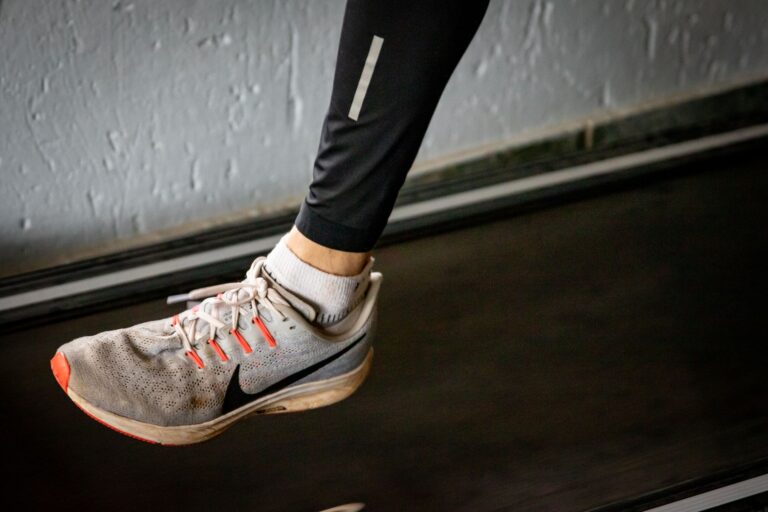
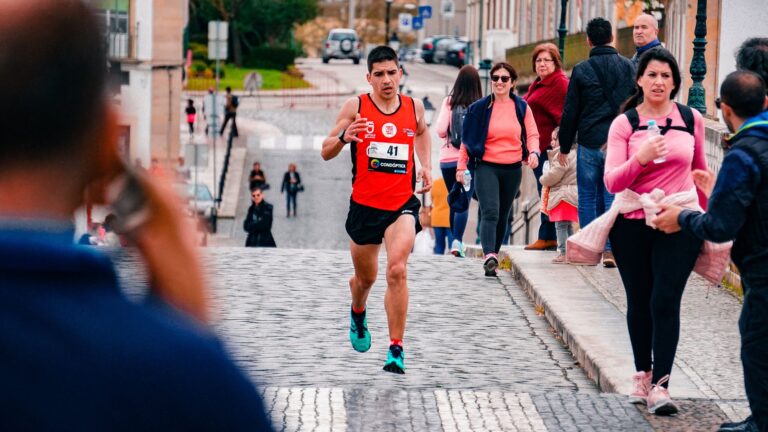
Padded crew socks are specialized running socks featuring extra cushioning in high-impact zones, specifically designed to absorb shock and reduce foot fatigue during long-distance road running. The padding—typically found under the heel, ball of the foot, and arch—works by dispersing the repetitive impact forces that accumulate across miles of pavement, helping to prevent injuries and extend your running capacity.
A runner tackling 10-15 miles a week on asphalt will feel considerably less strain in their feet and lower legs with quality padded crew socks compared to standard athletic socks. The crew height (extending to mid-calf) positions the padding precisely where road runners need it most, while also providing practical benefits like preventing chafing between your ankle and shoe collar and keeping your shin protected from friction. Unlike racing flats that sacrifice cushioning for speed, padded crew socks acknowledge the reality that most runners spend their weekly mileage on consistent, moderate-effort road running—the kind of running where foot comfort and injury prevention directly impact your ability to maintain training consistency.
Table of Contents
- Why Padded Crew Socks Outperform Thin Alternatives for Road Running
- Cushioning Technology and How Much Padding You Actually Need
- Moisture Management and Temperature Regulation on the Road
- Finding the Right Fit, Thickness, and Weight for Your Training
- Blister Prevention and Common Padding-Related Issues
- Seasonal Performance and Weather Considerations
- Investing in Quality Padded Crew Socks as Part of Your Running Gear Strategy
- Conclusion
Why Padded Crew Socks Outperform Thin Alternatives for Road Running
Road running differs fundamentally from trail running or track work because of the unforgiving, repetitive nature of pavement impact. When your foot lands 1,500 times per mile, that’s 15,000 foot strikes over a 10-mile run. Without adequate cushioning, each impact transfers stress up through your plantar fascia, heel, and metatarsal heads—the same structures that experience the most wear and tear.
Padded crew socks reduce this stress by spreading the impact across a larger surface area, which studies show can decrease peak plantar pressure by 15-25% compared to thin socks. A practical comparison: a runner wearing minimal-cushion socks might develop hot spots or blistering by mile 8 of a long run, while the same runner in padded crew socks can go 12-14 miles comfortably. This isn’t just about comfort—it’s about prevention. The extra padding protects vulnerable areas that would otherwise develop friction injuries after 60-80 miles of cumulative running.

Cushioning Technology and How Much Padding You Actually Need
Modern padded crew socks use various cushioning systems: some employ traditional terry cloth, while others use synthetic foam compounds like Olefin or gel-infused materials that maintain shape better over time. The key difference is durability—premium padded socks retain their cushioning properties even after 40-50 washes, whereas cheaper alternatives compress and flatten within 15-20 washes, effectively becoming regular socks. This compression is a real limitation: a pair of padded crew socks that cost $15 might lose half its cushioning benefit within three months of regular use.
There’s also a tradeoff between cushioning and responsiveness. More padding means more comfort on long, steady-paced runs, but runners training for speed work or intervals sometimes find excessive padding blunts their feel for the road and pace. A runner doing 20 miles a week of easy running benefits most from maximum padding, while someone doing mixed training might prefer moderate padding that still provides shock absorption without sacrificing ground feel.
Moisture Management and Temperature Regulation on the Road
Padded crew socks must balance cushioning with breathability, since excess moisture trapped against your skin creates the exact conditions for blisters and fungal issues—ironically negating the injury prevention the padding provides. Quality padded socks incorporate merino wool or moisture-wicking synthetic blends (like nylon combined with polyester) that pull sweat away from your skin while maintaining cushioning integrity. A crew sock made entirely of cotton padding, by contrast, will absorb sweat and become heavy, reducing its shock-absorbing properties and increasing blister risk.
Durability of these socks also depends on construction method. Flat-knit socks tend to last longer than their looser-knit counterparts, and reinforced heel and toe areas prevent premature wear in the two zones that experience the most friction. Many runners find they need to replace padded crew socks every 400-500 miles, which breaks down to roughly every three to four months for someone running 30-40 miles weekly.

Finding the Right Fit, Thickness, and Weight for Your Training
Padded crew socks come in lightweight, midweight, and heavyweight varieties, and the right choice depends on your running volume, terrain, and personal sensitivity. A runner doing 40+ miles weekly on roads typically needs midweight padding to avoid overheating, while someone running 15-20 miles weekly can handle heavier cushioning without temperature problems. Fit is equally critical—a sock that bunches at the toe or shifts during your run will cause friction blisters regardless of padding quality.
The comparison between crew and ankle-height padded socks matters here too. Crew socks offer superior chafe protection and shin coverage if you wear lower shoes, while ankle-height socks provide more freedom of motion and work better with mid-to-high-cut shoes. A runner with a history of Achilles tendon irritation might prefer the separation and protection a crew sock provides, while someone with sensitive ankles might find the crew height restrictive.
Blister Prevention and Common Padding-Related Issues
Even with padded crew socks, blisters can still develop if your socks are the wrong size, if your shoes are too tight, or if your feet have unusually high moisture production. A too-snug sock can create pressure points that, ironically, lead to blisters despite padding. This is a crucial limitation many runners discover the hard way: padding is protective when fit correctly, but a poorly fitting padded sock can actually increase blister risk by creating pressure zones that wouldn’t exist in a thinner sock.
Additionally, some runners experience arch discomfort with heavily padded socks if the padding doesn’t align perfectly with their arch. Since arch geometry varies widely, what feels perfectly supportive to one runner may feel like wearing a golf ball in their shoe to another. Testing new padded socks on short, easy runs before committing them to long-distance training is essential.
Seasonal Performance and Weather Considerations
Padded crew socks perform differently across seasons. In summer, they can overheat your feet if they’re too thick, particularly on hot pavement where ground temperature exceeds 90°F. Many runners switch to midweight padded options during warmer months and move to heavier padding during cooler seasons.
A winter runner tackling cold-weather road miles benefits from the insulating properties of padded crew socks while maintaining the cushioning that prevents impact injuries on hard, frozen pavement. In rain, padded socks that retain moisture become counterproductive—they stay damp throughout your run, breaking down blister protection. Socks with high synthetic content dry faster than wool-heavy blends, making them more practical for wet-weather running.
Investing in Quality Padded Crew Socks as Part of Your Running Gear Strategy
Treating padded crew socks as a serious equipment investment rather than an afterthought significantly impacts your long-term running health. A runner who replaces their running socks every 300-400 miles—a reasonable interval for maintained cushioning—will invest roughly $40-60 per year in quality padded crew socks.
This is one of the smallest per-mile costs in running but delivers outsized benefits in injury prevention and training consistency. Looking forward, padded sock technology continues evolving toward better moisture management without sacrificing cushioning, and more customized compression zones that target specific impact areas. For road runners committed to running significant weekly mileage, quality padded crew socks represent a proven injury-prevention tool that’s often overlooked compared to flashier gear investments.
Conclusion
Padded crew socks address a real physiological challenge for road runners: managing the cumulative impact of repetitive pavement running while preventing friction injuries. The padding absorbs shock across high-stress zones, the crew height offers practical protection, and the right pair can extend your comfortable running capacity by several miles per session.
Success with padded crew socks requires matching the right thickness to your running volume and climate, ensuring proper fit, and replacing them before the padding compresses. For runners tackling 20+ miles weekly on roads, padded crew socks aren’t optional—they’re a foundational piece of injury prevention that directly supports your ability to maintain consistent training.