
A smart postpartum return to running starts with remeasured shoes and one high-support nursing bra, not extra trackers or shorts. The best value comes from matching gear to changing feet, breasts, and pelvic-floor recovery. Return-to-running means a graded walk-run buildup to continuous running after birth.
Early weeks favor walking, pelvic-floor work, and leg and hip strength over mileage. Fit shifts drive purchases, and symptoms decide timing. This guide shows what to check, what features help, and what to buy first.
Medical information disclaimer: This article is for general educational purposes only and does not provide medical advice, diagnosis, or treatment. Always consult a physician or other qualified health professional about symptoms, medications, tests, or treatment decisions.
Table of Contents
- When should running wait?
- Are you ready to run today?
- Why do shoes feel tight after birth?
- What makes a nursing bra run-ready?
- What should you buy first?
When should running wait?
The American College of Obstetricians and Gynecologists advises gradual return once medically safe toward 150 minutes per week of moderate aerobic exercise. The American College of Obstetricians and Gynecologists links that aerobic base to pelvic-floor-inclusive strengthening in its updated exercise guidance for pregnancy and postpartum. Physiotherapists Goom, Donnelly and Brockwell advise no running before 12 weeks, with low-impact work and walk-run at three to six months without pelvic symptoms.
NHS maternity guidance starts gentle pelvic-floor exercise within a day or two after birth and holds higher-impact exercise until after the six-week check. One NHS trust places running and lifting near 12 weeks with symptom checks. Clearance is permission, not readiness. Pain, leaking, heaviness, or pressure means delay running and keep building strength and walking fitness.
Are you ready to run today?
Pelvic-health clinicians use a simple field test before running. Rosanna Physiotherapy, citing postpartum-runner consensus, describes brisk walking for 30 minutes without leaking, heaviness, pressure, or pain. That walk also needs solid core, hip, and pelvic-floor strength.
Stop the test and seek pelvic evaluation for: Passing once is not a season pass. Repeat the check when mileage, hills, speed, or baby-carrying load increase. Leaking or heaviness means stop running and seek pelvic evaluation.
- leaking urine
- vaginal heaviness or pressure
- pelvic, back, or joint pain
- need to rush to the toilet
Why do shoes feel tight after birth?
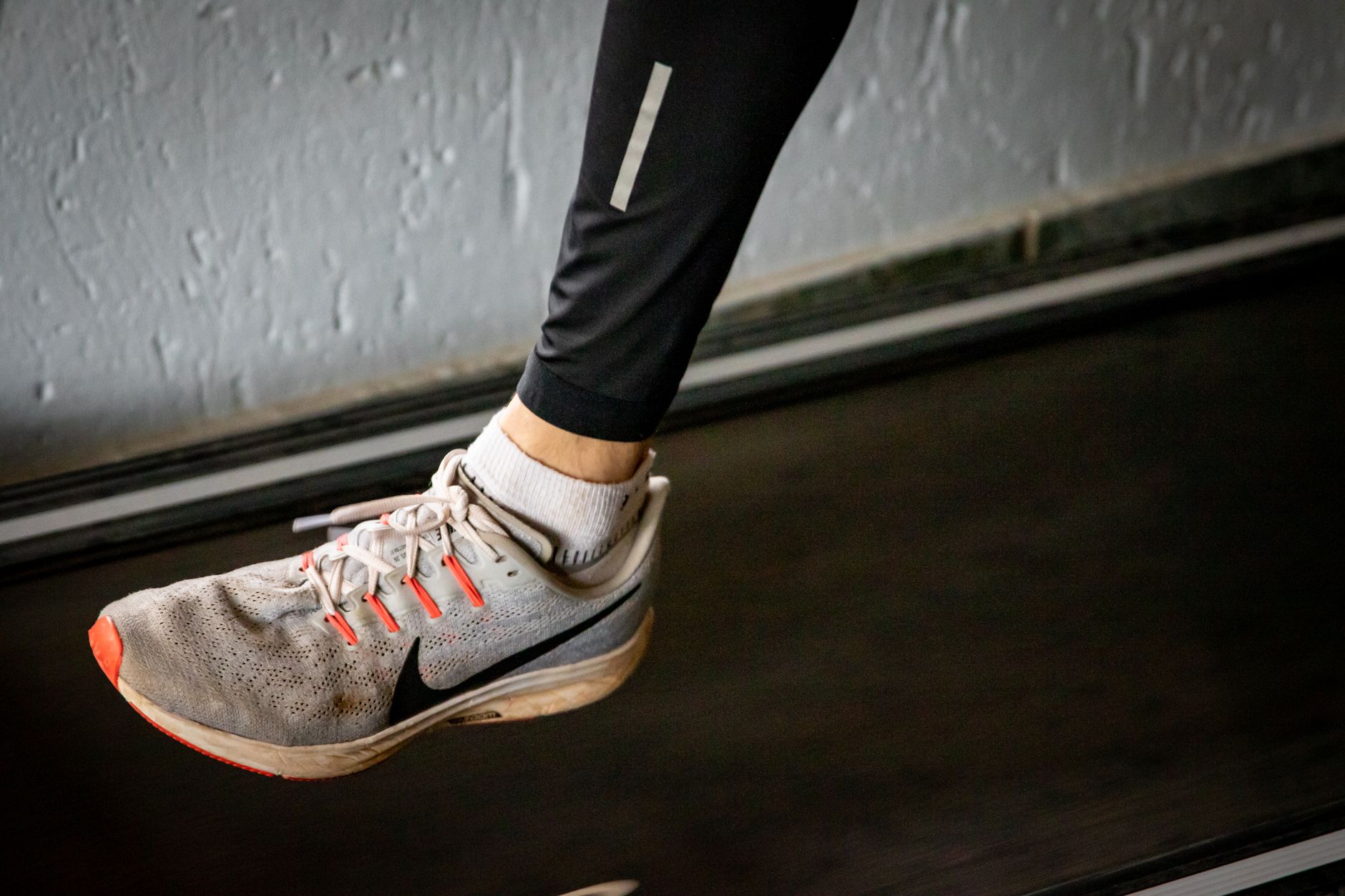
Feet often stay larger after pregnancy. University of Iowa researchers tracked 49 pregnant participants and found arch height and rigidity fell by five months postpartum. Foot length grew 2 to 10 millimeters, and 60 to 70 percent had longer or wider feet, as reported in the Iowa foot-facts report. That change explains pressure on the arch, heel slip, or numb toes in old trainers.
Remeasure both feet late in the day and fit to the larger foot. Allow thumb room ahead of toes and choose stable support if arches feel flat. Replace worn foam before adding mileage. Comfort on a brisk 30-minute walk is the filter before a run shoe earns regular use.
What makes a nursing bra run-ready?
Breast-biomechanics research found encapsulation bras cut running displacement by about 59 percent and compression bras by about 51 percent versus no bra. Less motion meant less exercise breast pain in those studies, as reported in the Scientific Reports breast-biomechanics study. Portsmouth modelling in 2025 warned that blocking 100 percent of bounce can raise spinal loading.
Aim for firm, comfortable control rather than total lockdown. Maker specification pages show postpartum high-impact nursing designs pair one-hand drop-down cups and a coverage sling with wide adjustable or racerback straps. Kindred Bravely lists a secure band and A to G sizing for feeding support in its high-impact nursing sports bra specifications.
What should you buy first?
Return timelines rest on consensus and cohort studies rather than randomized trials. That limit favors conservative, symptom-led buying. Synthesis of the College guidance, Goom framework, and Iowa foot work points to free checks first. Use the brisk-walk test and strength base before spending.
Then fund a shoe re-fit and one truly supportive nursing bra. Add compression shorts or trackers only after symptom-free walk-run weeks. Shop late-day feet, test straps one-handed, and jog in place for a dressing-room bounce test. Keep receipts until two easy walk-run weeks feel dry, light, and pain-free.