
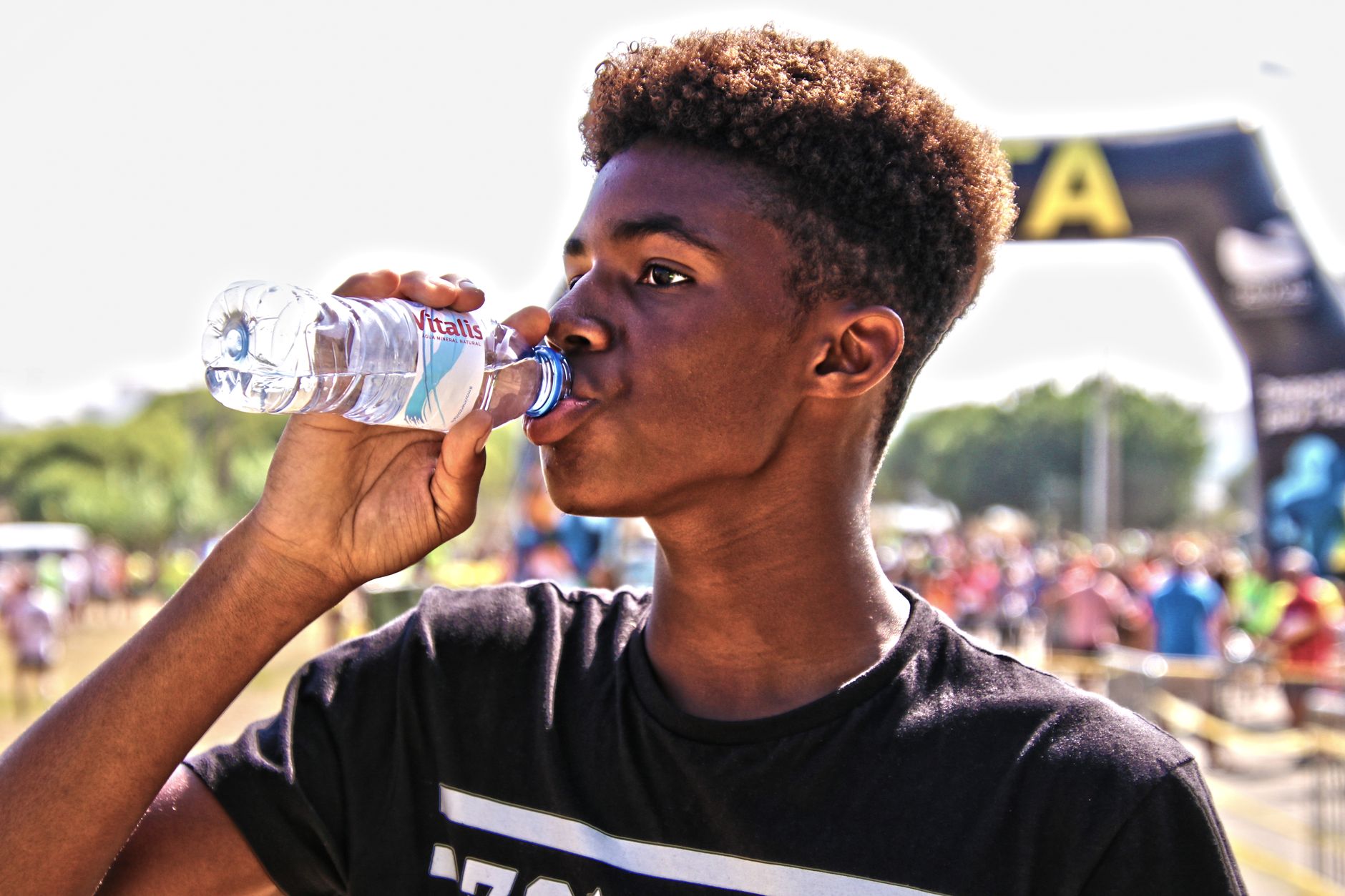
A running hydration strategy is a gear, drinking, and preparation checklist matched to sweat loss. It covers pre-hydration, drinking during the run, fuel and sodium, and heat safety. Hydration strategy means deciding in advance what to carry, when to drink, and how to recover. The checklist changes with distance, heat, clothing, and access to aid stations.
Medical information disclaimer: This article is for general educational purposes only and does not provide medical advice, diagnosis, or treatment. Always consult a physician or other qualified health professional about symptoms, medications, tests, or treatment decisions.
Table of Contents
- How should you pre-hydrate?
- How much should you drink during the run?
- What gear should you plan for?
- How do you recover and stay safe in heat?
How should you pre-hydrate?
Drink about 500-600 mL of fluid 2-3 hours before exercise. Then drink another 200-300 mL about 10-20 minutes before the start. This approach comes from the National Athletic Trainers' Association position statement.
After starting, the goal is to replace sweat and urine losses. Weighing before and after training runs helps set a personal target. Use that weight change to adjust volume for similar weather and effort.
How much should you drink during the run?
For most runners, drink to thirst during prolonged activity. Sustained overdrinking is the main cause of exercise-associated hyponatremia, meaning low blood sodium during or up to 24 hours after exercise, according to the Wilderness Medical Society 2019 update. As a starting framework, aim for about 0.4-0.8 liters per hour.
Faster and heavier runners in heat often need more. Adjust the amount for sweat rate, clothing, duration, and weather. For intense runs over 45-50 minutes, use a drink with about 6% carbohydrate. Add 0.3-0.7 g sodium per liter when meals are missed, activity exceeds four hours, or during first hot-weather sessions.
What gear should you plan for?
Carry what the course allows and practice with it before race day. Waist packs work well when vests are restricted.
Know where water stops are and what drink they serve. Boston Marathon prohibits bladder-style hydration vests and backpacks. Runners there must use waist packs within size limits and rely on course aid stations for water and lemon-lime sports drink.
- Check bag, vest, and bottle rules before packing
- Carry planned carbohydrate and sodium for long efforts
- Wear lightweight clothing and keep water accessible
- Plan shade or cool-area breaks for hot runs
How do you recover and stay safe in heat?
After running, drink about 1.5 liters per kilogram of weight lost, or about 23 fl oz per pound lost. Spread intake gradually until 1-2 hours before the next session, according to the American College of Sports Medicine recommendations. This steady replacement matters most when recovery is under 12 hours.
To reduce heat illness, schedule rest breaks in shade or cool areas. Wear lightweight clothing and keep water within reach. If heat exhaustion symptoms appear, move to a cool place and sip water or sports drink.