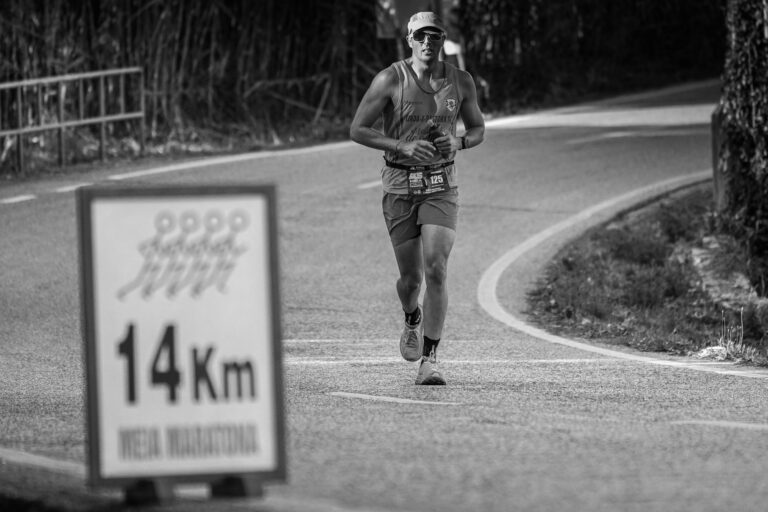
Starting a running routine with diabetes is entirely possible—and increasingly common. More than 37 million Americans have diabetes, and thousands of them run marathons, half-marathons, and regular 5K routes. The key difference isn’t whether you can run, but how you prepare: checking your blood glucose before and after runs, adjusting medication timing with your coach or doctor, understanding how your specific diabetes responds to aerobic exercise, and carrying fast-acting carbs. Most people with diabetes need 2-4 weeks to learn how their body reacts to running before settling into a sustainable pattern. Sarah, a 34-year-old with type 2 diabetes, started running at 5:30 a.m. three days a week.
Her first two weeks taught her that morning runs required eating a small banana 15 minutes before stepping outside to prevent a low blood sugar crash halfway through. After adjusting her insulin dose timing with her endocrinologist and learning to recognize her body’s signals, she built up to running 20 minutes without incident. Most beginners follow a similar learning curve: the first few runs feel unstable, but within weeks your body becomes predictable. Running with diabetes requires more planning than running without it, but the extra steps become routine. You’ll monitor glucose, time meals and medications, wear appropriate gear to prevent foot injuries, and communicate with your healthcare team. These safeguards transform running from risky into manageable.
Table of Contents
- Do People with Diabetes Actually Run?
- How Your Blood Sugar Reacts During a Run
- Timing Your Medications and Meals Around Runs
- Building a Running Schedule That Works with Your Diabetes Routine
- Hypoglycemia During Runs and How to Prevent It
- Shoes, Socks, and Foot Care on the Run
- Continuous Glucose Monitors and Wearable Tech for Running
Do People with Diabetes Actually Run?
Yes—successfully and in large numbers. Diabetes has not prevented elite ultramarathoners, college cross-country runners, and weekend joggers from competing. Type 1 runners report more variability in glucose response to exercise (sometimes dropping 100+ mg/dL during a run, sometimes staying stable), while type 2 runners often experience more gradual changes and sometimes benefit from the glucose-lowering effect of exercise so much that they reduce medication doses. Both groups run.
The American Diabetes Association explicitly encourages aerobic exercise, including running, as part of diabetes management. A 2019 study in *Diabetes Care* found that people with type 2 diabetes who exercised regularly—including running—showed improved blood sugar control and reduced cardiovascular risk over 12 months. Type 1 runners work more closely with their endocrinologists on insulin-to-carbs ratios and timing, since the pancreas doesn’t respond to exercise signals the way a working pancreas does. The limiting factor is not diabetes itself but how well you understand your body’s response. A runner with well-managed diabetes and a clear glucose monitoring system is safer than an unfit person with prediabetes who ignores symptoms.
How Your Blood Sugar Reacts During a Run
Blood glucose behavior during running depends on your diabetes type, current medication, what you ate, and how hard you’re working. Type 1 runners almost always see a drop in blood glucose during running because insulin keeps circulating, and muscles pull glucose from the bloodstream without the normal regulatory feedback loop. Type 2 runners might see a drop, a plateau, or occasionally a rise early in exercise (especially if liver glucose release outpaces muscle uptake). The unpredictability is the core challenge—and why testing before, during, and after runs matters. Intense or long runs (anything over 30 minutes) increase your risk of hypoglycemia up to several hours *after* the run ends. This is called the “lag effect,” and it catches many new runners off guard.
You might finish a 6-mile run feeling fine, eat a normal dinner, and then hit a low glucose level three hours later while sitting on the couch. This delayed response is why you cannot simply eat carbs at the end of a run and call it done. You need to monitor for the next 4-6 hours and be prepared to eat additional snacks or adjust medication timing with your doctor. A major limitation: continuous glucose monitors (CGMs) make this vastly easier, but they are not universally available or affordable. If you check glucose with finger sticks, you’ll need to test before, potentially during long runs, immediately after, and at several points during recovery. This is more cumbersome than managing diabetes during non-exercise days, and it is a legitimate barrier some people face.
Timing Your Medications and Meals Around Runs
Medication timing is the single most important adjustment when you add running to your diabetes routine. If you take fast-acting insulin (like Novolog or Humalog), you’ll likely need to reduce your pre-run dose or skip it entirely, depending on run length and intensity. If you take a basal insulin (like Lantus or Levemir), your doctor may suggest a slight reduction on running days, or they may keep it steady and instead account for the glucose drop through carbohydrate intake during the run. Talk with your doctor at least two weeks before your first run—not during it. A physician or certified diabetes educator (CDE) can model out what your insulin adjustment should look like based on your typical doses, your weight, and your baseline activity level. If you run at 6 a.m. but take a long-acting insulin at bedtime, your doctor might recommend taking 10-15% less insulin the night before a morning run.
The math is specific to your body and medications; it cannot be guessed. As for food, eating too much before a run can spike blood glucose and make you feel sluggish. Eating too little risks a dangerous low during the run. The sweet spot for most runners is a small carbohydrate snack (15 grams) 15-30 minutes before a 30-minute run. For longer runs (60+ minutes), some runners need additional carbs during the run. A runner in a running forum reported that a 45-minute tempo run required just a banana beforehand, but a 90-minute long run required a banana, then a sports drink checkpoint at 45 minutes. This variation is normal and worth experimenting with in a safe setting (like your neighborhood, not a trail alone) during early training.
Building a Running Schedule That Works with Your Diabetes Routine
Start with running two to three days per week, spaced out so you do not run on consecutive days. This spacing allows you to establish a pattern with each run’s effect on your blood sugar and medication before layering in complexity. Running on Monday, Wednesday, and Friday, for example, gives you non-running days to observe how your body recovers and what your baseline glucose looks like away from exercise. Choose a consistent time of day to run, at least for the first four weeks. Running at 6 a.m. on Monday, 6 a.m. on Wednesday, and 6 a.m.
on Friday is better for learning than running at 6 a.m. one day, noon another, and 5 p.m. the third. Consistent timing makes it easier to predict what your glucose will do, because circadian rhythm, meal timing, and medication timing all line up the same way each time. Once you understand your body’s pattern, you can vary your running schedule. The tradeoff is that consistency feels boring and rigid at first, especially compared to runners without diabetes who can simply lace up and go whenever. You are trading flexibility for safety and understanding. After 4-6 weeks, when your glucose response becomes predictable, you gain some flexibility back.
Hypoglycemia During Runs and How to Prevent It
Hypoglycemia—low blood glucose under 70 mg/dL—is the most common problem runners with diabetes face. Symptoms include shakiness, dizziness, tunnel vision, irritability, and a pounding heartbeat. If you feel these during a run, stop immediately and consume 15 grams of fast-acting carbohydrates (three glucose tablets, half a sports drink, or four ounces of juice). Wait 15 minutes, check your glucose, and eat another 15 grams if still below 100 mg/dL. Then decide whether to walk home or resume running after an additional 10 minutes. Many runners carry glucose tablets or a small tube of honey in a pocket, running belt, or handheld bottle. A real-world example: Marcus, a 28-year-old type 1 runner, began feeling shaky around mile 1.5 of his usual 3-mile route.
He stopped, took three glucose tablets he carried in his shorts pocket, waited 15 minutes, retested at 95 mg/dL, and walked the remaining 1.5 miles home. The next day, he adjusted his insulin dose down slightly with his endocrinologist and finished the same 3-mile run without a low. A critical warning: severe hypoglycemia, where you lose consciousness or cannot treat yourself, is rare but possible. This is why running with a partner or on a familiar route (not deep in a forest alone) is advisable, especially during the learning phase. Some runners tell a family member when they are heading out. Others run loops around their neighborhood. The point is to ensure someone knows where you are in case you need help.
Shoes, Socks, and Foot Care on the Run
People with diabetes face higher risk of foot complications—blisters, cuts, and infections can escalate faster—so running shoes and sock choice matter more than they do for people without diabetes. Invest in a proper running shoe fitted at a specialty running store, where staff can assess your gait and foot strike. Shoes designed for your gait reduce impact stress and lower blister risk. Replace running shoes every 300-500 miles (roughly every 3-4 months for a runner doing three 3-mile runs per week). Wear moisture-wicking socks made of synthetic blends or merino wool, not cotton.
Cotton traps moisture and increases blister and fungal infection risk. Check your feet after every run: look for redness, blisters, cuts, or swelling. If you notice a blister forming, treat it promptly before it becomes infected. Many people with diabetes develop neuropathy (nerve damage) in their feet, which means you might not feel a blister or cut developing. This is why visual inspection after runs is non-negotiable. Some runners photograph their feet with a timestamp to track any recurring problem areas.
Continuous Glucose Monitors and Wearable Tech for Running
A continuous glucose monitor (CGM) like the FreeStyle Libre, Dexcom G7, or Medtronic Guardian gives you real-time glucose readings and trend arrows during your run. This transforms the uncertainty: instead of guessing whether a slightly dizzy feeling is low blood sugar or just fatigue, you see the number. Many runners find CGMs reduce anxiety and allow them to run longer distances because they can intervene before a low becomes severe.
However, CGMs require ongoing cost, skin irritation can occur at sensor sites (requiring rotation), and they are not covered by all insurance plans. A runner without a CGM can absolutely run safely using finger-stick glucose checks and careful meal timing; it is simply more labor-intensive. Some runners use both: a CGM for everyday management and glucose checks on run days to validate the CGM reading and build confidence. A 45-year-old type 2 runner reported that after six months with a CGM, she no longer felt anxious during runs and had reduced her blood sugar variability enough that her A1C dropped from 7.8% to 6.9%.
- —