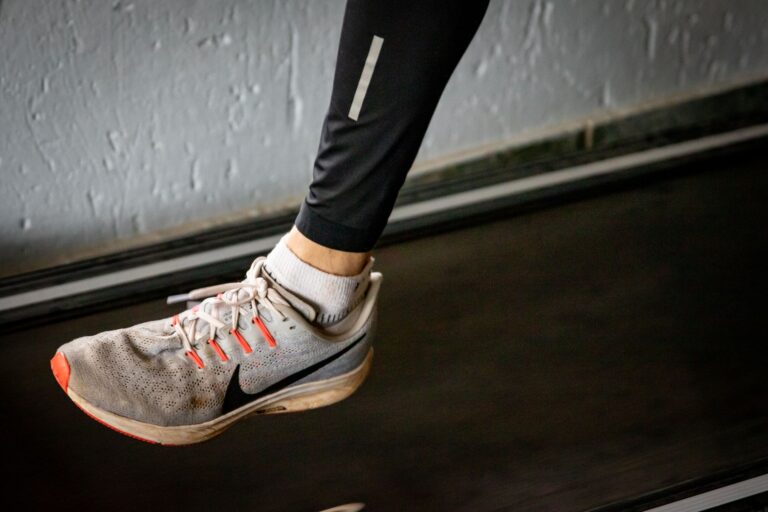
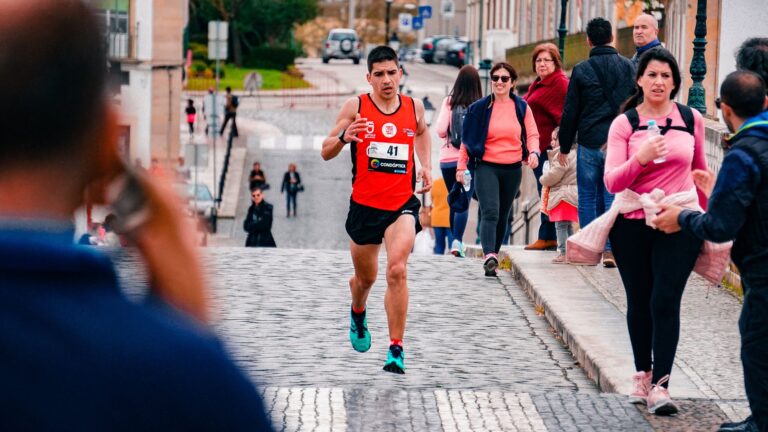
The best running form cue is the one that actually changes your movement, not the one that sounds the most scientific. When a coach tells you to “land midfoot,” another suggests “lean from your ankles,” and a third recommends “increase your cadence to 180 steps per minute,” you’re not getting contradictory advice—you’re getting different solutions to potentially different problems. The cue that works depends on what your body actually needs to fix, your current injury history, and how your nervous system responds to verbal instruction. For example, a runner with overstriding issues might improve with a cadence-based cue, while someone with excessive heel striking might respond better to a cueing strategy focused on ground contact point.
Choosing between running form cues means understanding that no single cue works for everyone, and that the most popular advice on running social media often oversimplifies how human bodies adapt. Your job is to find the cue that produces the actual mechanical change you need without creating new problems downstream. This requires testing cues individually, understanding what problem each one solves, and being honest about whether a cue is actually helping or just making you feel like you’re doing something different. The following framework will help you navigate the contradictory advice and find cues that work specifically for you, not just ones that work for the runner with 50,000 Instagram followers.
Table of Contents
- WHAT PROBLEM IS EACH RUNNING FORM CUE ACTUALLY SOLVING?
- THE DANGER OF STACKING TOO MANY CUES AT ONCE
- HOW YOUR RUNNING HISTORY SHAPES WHICH CUES WORK
- TESTING CUES SYSTEMATICALLY BEFORE COMMITTING
- THE DIFFERENCE BETWEEN CUES THAT WORK FOR SPEED VERSUS CUES THAT WORK FOR INJURY PREVENTION
- WHEN A RUNNING FORM CUE JUST ISN’T THE ANSWER
- BUILDING A PERSONAL FORM CUE LIBRARY FOR LONG-TERM RUNNING
- Conclusion
- Frequently Asked Questions
WHAT PROBLEM IS EACH RUNNING FORM CUE ACTUALLY SOLVING?
Every running form cue exists because it addresses a specific biomechanical issue. “Lean from your ankles” targets overstriding and excessive braking forces at foot strike. “Drive your knees” addresses runners who take short, shuffling steps or those with weak hip flexor engagement. “Land midfoot” attempts to reduce impact shock by removing the initial heel strike spike.
Understanding which problem a cue targets lets you match it to your actual form breakdown, rather than assuming one universal cue will fix everything. The trap most runners fall into is adopting a cue because it’s trendy or because a fast runner uses it, without first identifying whether that’s addressing their limitation. A runner with naturally high cadence and short stride length doesn’t need “increase your cadence”—that cue might actually create a shuffling gait that reduces power output. Conversely, a runner with a 160 steps-per-minute cadence and significant overstriding will see immediate improvements from focusing on cadence. The same cue produces opposite results depending on where someone is starting from.
THE DANGER OF STACKING TOO MANY CUES AT ONCE
One of the most common mistakes is trying to implement three or four form cues simultaneously. Your nervous system can only process one or two focal points during running—any more than that and you’re creating cognitive overload that actually disrupts the automatic rhythms of running. A runner trying to simultaneously “increase cadence,” “lean from the ankles,” “drive the knees,” and “relax the shoulders” is essentially fighting their own body’s ability to coordinate movement. They might improve one metric while their upper body tension increases, or they might maintain better posture but lose power in their stride.
The scientific evidence suggests that form cues work best when given singularly, then layered after adaptation occurs. Research in motor learning shows that too many simultaneous instructions activate the analytical brain rather than the automatic motor system, leading to stiff, forced movement that feels unnatural and is often less efficient than pre-cue form. The limitation here is that improvement takes time—you won’t fix multiple issues in a single week or even a single month. Patience is required, which runs counter to the instant-gratification mentality of modern fitness culture.
HOW YOUR RUNNING HISTORY SHAPES WHICH CUES WORK
A runner with ten years of cement-heel striking has neurological patterns that are deeply ingrained. Simply telling them to “land midfoot” creates an identity conflict between how their body wants to move and what they’re consciously trying to do. That same runner might respond better to a cadence-based cue because increasing steps per minute naturally shortens stride, which leads to a more midfoot strike without directly fighting the original pattern. Their nervous system accepts this as a variation rather than a complete override.
Someone returning from an injury requires different cues than someone building fitness from a baseline of health. An achilles tendonitis recovery responds better to cues focused on lower leg stiffness and dorsiflexion awareness. A runner coming back from a knee injury might need cues about gluteal engagement and hip stability rather than foot-strike focus. The injury itself has often created compensatory patterns, and forcing the original “correct” form before those compensations are addressed usually leads to re-injury. This is where working with someone who understands your specific injury history matters—generic form cues ignore the context that makes them safe or unsafe for your particular body.

TESTING CUES SYSTEMATICALLY BEFORE COMMITTING
The only way to know if a cue actually works for you is to test it under controlled conditions for long enough to see real adaptation. One-mile test runs don’t count. Your nervous system needs at least 3 to 4 runs (ideally over two weeks) to integrate a new pattern before you can accurately assess whether it’s creating mechanical change or just creating effort. During this testing window, you should measure specific metrics: cadence (via running watch), perceived effort level, pacing at the same perceived exertion, and notably, any changes in where you feel fatigue.
A cue is working if you’re achieving the intended change without compensation. If you increase cadence by using arm flailing or upper body tension, the cadence cue is creating a problem elsewhere. If you land midfoot by over-emphasizing ankle stiffness, you’ve just shifted impact load to your calves and shins. The comparison that matters is not “does this feel different” but “does this change the specific metric I’m targeting without breaking something else.” Most runners fail this test because they don’t systematically compare before and after—they feel like they’re trying and assume success. Video analysis, running watch data, and honest self-assessment reveal whether the cue is actually working or just creating an illusion of effort.
THE DIFFERENCE BETWEEN CUES THAT WORK FOR SPEED VERSUS CUES THAT WORK FOR INJURY PREVENTION
A cue can be mechanically correct from a physics standpoint and still be wrong for your current goal. “Increase your cadence” is excellent for improving running economy and speed—it reduces the braking phase and increases power output. But it’s often the wrong cue during injury recovery, where the priority is reducing total impact load, which is sometimes better served by allowing comfortable cadence and reducing pace instead. Choosing a cue that aligns with your current priority prevents pursuing improvements that undermine your actual objective.
The warning here is that many runners optimize for form metrics that don’t align with their stated goals. A runner focused on injury prevention but obsessed with achieving a perfect midfoot strike might be creating impact patterns that are mechanically fine but biomechanically stressful for their specific tissues. Someone aiming to run a faster 5K might be trying to protect their form using injury-prevention cues that actually slow them down. Understanding whether you’re currently in a “build speed” phase, a “build resilience” phase, or a “return from injury” phase determines which cues are even relevant to test. A cue that’s optimal for one phase can be counterproductive in another.

WHEN A RUNNING FORM CUE JUST ISN’T THE ANSWER
Some performance problems aren’t actually form problems, and applying form cues to them wastes time and can create frustration. Chronic fatigue in the calves during runs is sometimes a form issue, but it’s often a strength issue, a running volume issue, or a muscle imbalance problem that no cue will fix. A runner experiencing this might spend weeks experimenting with foot-strike cues when what they actually need is targeted calf strengthening and gradual volume progression.
Similarly, persistent IT band pain isn’t automatically a running form problem—it can be hip strength, glute activation, or training load that requires structural intervention, not cueing. The key is distinguishing between form problems (which cues address) and strength or conditioning problems (which require targeted exercises or training modifications). Many runners default to form adjustments because they feel like action, but they’re often addressing the symptom rather than the cause. Getting honest feedback about whether your actual limitation is neuromuscular versus structural or conditioning-related can save months of trial-and-error with form cues.
BUILDING A PERSONAL FORM CUE LIBRARY FOR LONG-TERM RUNNING
Over years of running, you’ll discover that different cues work best for different contexts. A cadence cue might be your go-to for tempo runs when you need to stay sharp and efficient. A hip-stability cue might become essential during long runs when fatigue creates sloppy movement. A relaxation cue might be what you reach for when you’re mentally tight during a race.
Rather than looking for the one perfect form cue, the long-term approach is building a small library of 2 or 3 cues that address your most common form breakdowns and rotating between them based on context. As running culture continues to emphasize form optimization, the direction seems to be moving away from prescriptive cues and toward individualized assessment. The runners who improve most aren’t those who chase viral form tips—they’re those who understand their own baseline, test changes systematically, and build a personal toolkit of interventions that work specifically for them. This requires patience and self-knowledge rather than following the latest running form trend.
Conclusion
Choosing between multiple running form cues starts with identifying what specific problem you’re actually trying to solve, then testing one cue at a time over enough runs to see real adaptation. The best cue isn’t the most popular or the most scientifically published—it’s the one that produces measurable mechanical change without creating compensation patterns or contradicting your current training priority.
Your running history, injury patterns, and individual neuromuscular response all shape which cues will work, which means the answer is always specific to you rather than universal. Start by picking one cue, testing it for 3 to 4 weeks, measuring what actually changed, and honestly assessing whether it solved the problem you identified or just created a different problem. Build your personal form cue library slowly, verify that each addition genuinely improves your running rather than just making you feel like you’re working harder, and remember that sometimes the answer to form issues isn’t a different cue—it’s strength training, training load adjustment, or just more years of running experience.
Frequently Asked Questions
How do I know if a running form cue is actually working?
A working cue produces measurable change in a specific metric (cadence, ground contact time, perceived effort at the same pace) without creating compensation patterns elsewhere. Test over 3-4 runs minimum and compare video or watch data before and after, rather than relying on how it feels.
Can I use multiple running form cues at the same time?
No. Your nervous system processes one focal point efficiently during running. Using more than two cues simultaneously creates cognitive overload and actually disrupts automatic movement patterns. Implement cues sequentially, allowing adaptation time between each addition.
What if a cue doesn’t work after two weeks?
Move on to a different cue. Not every cue works for every runner, even if it’s biomechanically sound. Some people respond better to cadence-based cues, others to position-based cues, others to proprioceptive cues. Testing is the only way to find what your nervous system accepts.
Is my form problem actually a form problem?
Not always. Chronic pain or fatigue might be a strength issue, training load issue, or conditioning issue rather than a form issue. Get honest assessment of whether you need structural intervention (exercises, reduced volume, strength training) versus neuromotor intervention (form cues). Form cues don’t fix strength problems.
Should I use the same running form cue for all types of runs?
No. Different run types benefit from different cues. Use an efficiency cue for tempo runs, a stability cue for long runs when fatigue arrives, a relaxation cue for races when tension builds. Build a small library of 2-3 cues for different contexts.
How long does it take for a running form change to become automatic?
Most research suggests 3 to 6 weeks of consistent practice for a new movement pattern to integrate into automatic motor control. During the first 2-3 weeks you’ll need conscious focus; after that, it should start feeling natural.