

The most common mistakes during evening runs stem from inadequate preparation for the unique challenges darkness and fatigue create—runners often skip proper visibility measures, ignore their body’s signals after a full day, and fail to adjust their pace and fueling to match the evening’s different demands. A runner might head out after sitting at a desk all day, skip a proper warm-up, and hit a hard pace immediately, only to feel completely depleted halfway through because they never fueled properly after lunch. Evening running presents real obstacles that don’t exist on morning routes: reduced visibility, cooler temperatures, a body that’s already spent energy on work and meals, and the mental challenge of pushing hard when fatigue sets in naturally.
Understanding the specific pitfalls of evening runs matters because the consequences are compounded—an injury sustained at 6 p.m. affects your sleep quality, a poor fueling strategy leaves you exhausted the next workday, and a pace misjudgment early in the evening can derail your entire week of training. Many runners treat evening runs as afterthoughts, squeezing them in between work and dinner without the intentionality their morning counterparts receive.
Table of Contents
- Why Do Evening Runners Neglect Warm-Up and Cool-Down?
- Fueling Mistakes That Sabotage Evening Performance
- Underestimating the Impact of Darkness and Visibility
- Pacing Errors and Temperature Miscalculation
- Overtraining in Evening Sessions and Ignoring Recovery Signals
- Hydration and Electrolyte Oversight
- The Sleep Cycle Interference
- Conclusion
- Frequently Asked Questions
Why Do Evening Runners Neglect Warm-Up and Cool-Down?
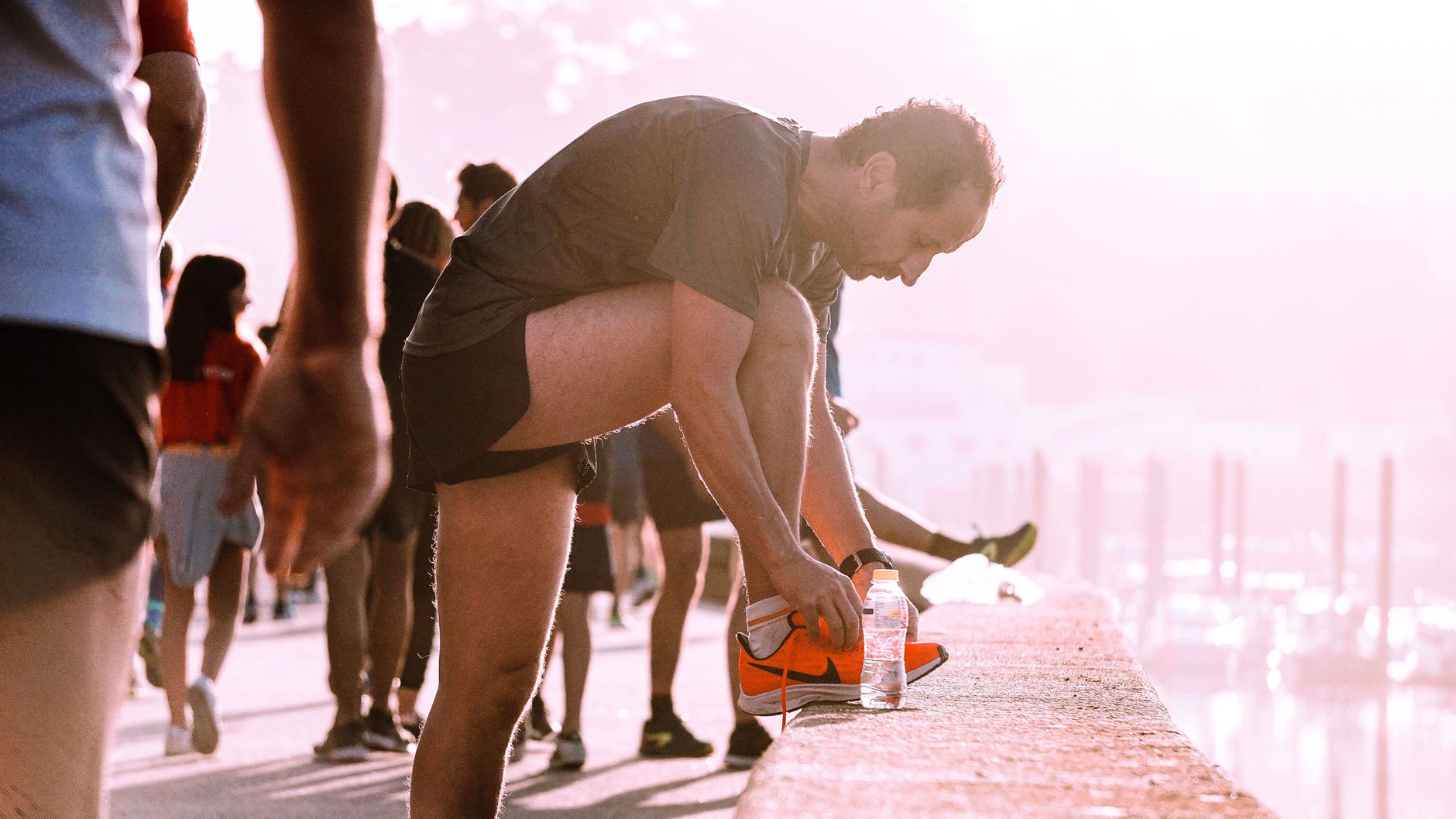
The evening run’s biggest structural problem is timing pressure. Most runners have limited daylight and want to maximize distance before dark, so they skip or abbreviate warm-ups to save minutes. This creates immediate injury risk—a cold body tightens faster, muscles are less pliable, and your nervous system hasn’t primed for explosive movement.
A runner who rushes out after work might go from sitting in a car to a 6-minute-mile pace in under five minutes, when their connective tissue still needs 8-10 minutes of easy movement to prepare safely. Cool-downs matter even more in evening runs because your body needs to transition toward sleep, not elevated heart rate and adrenaline. Skipping a 10-minute easy jog and walk leaves your nervous system in sympathetic dominance (fight-or-flight mode) when you should be shifting toward parasympathetic rest. The runner who sprints home and immediately collapses on the couch often experiences restless sleep and wakes sore, confusing muscle soreness with overtraining when the real culprit was insufficient cool-down.
Fueling Mistakes That Sabotage Evening Performance
Evening runners face the fueling paradox: they’re often not hungry enough to eat a full meal two hours before running, but they run on insufficient energy and crash. Some runners eat too close to their run (a heavy dinner at 5:30 p.m. for a 6 p.m. start), causing digestion to compete with running and creating cramping or nausea. Others run completely fasted because they “don’t want to be heavy,” then bonk by mile three and feel depleted all evening.
The limitation here is that afternoon eating patterns determine evening run quality more than morning practice. A runner who snacked lightly at 2 p.m. and didn’t touch food until after their 7 p.m. run has now gone five hours without meaningful fuel, depleting glycogen stores and making recovery harder. The practical window is narrow: a small carbohydrate snack 45-60 minutes before the run (a banana, half a bagel, or a handful of crackers) provides fuel without digestive burden, but many evening runners skip this because they’re focused on dinner timing instead.
Underestimating the Impact of Darkness and Visibility
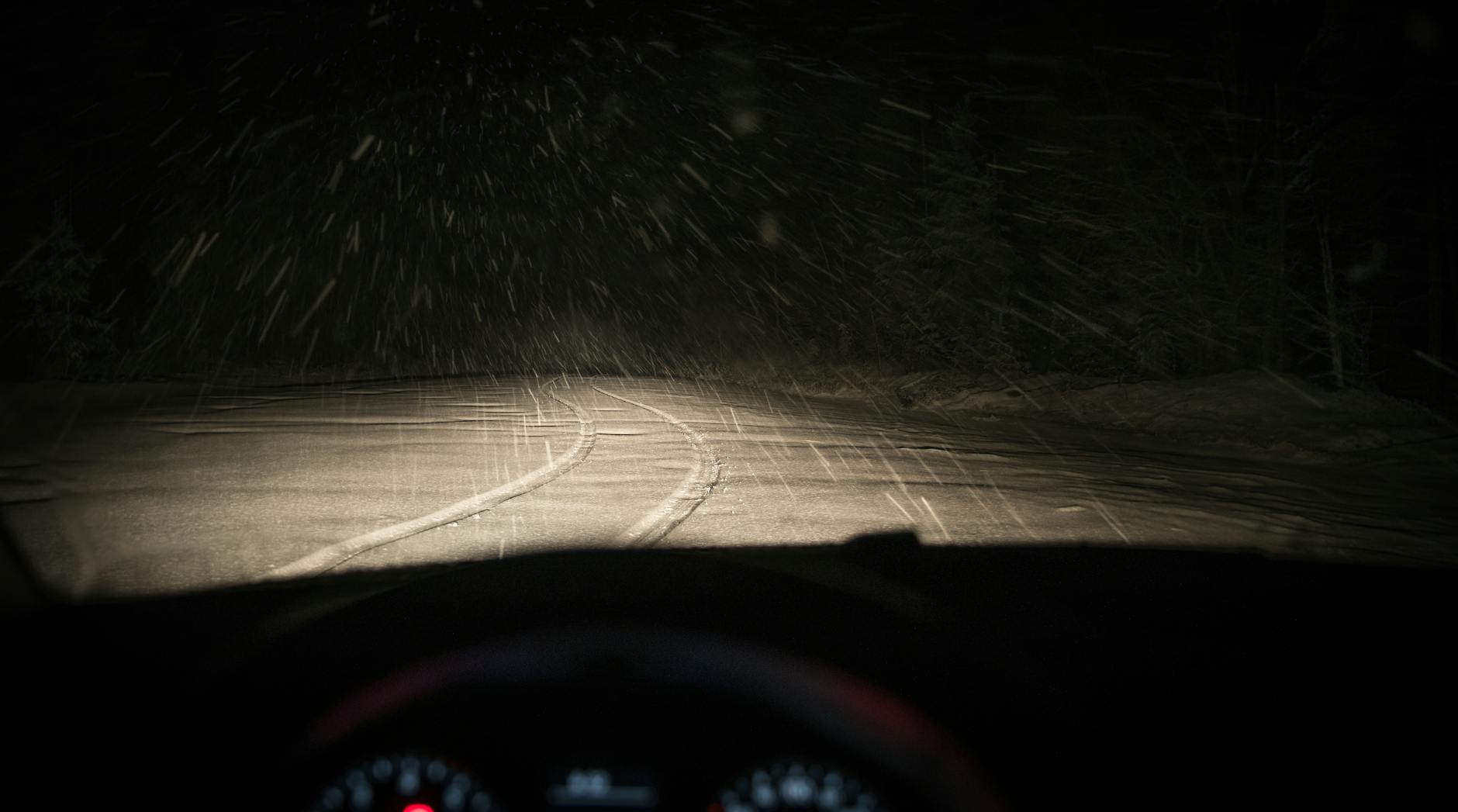
Evening runners systematically underestimate how much darkness degrades performance and increases injury risk. Your perception of pace changes in low light—the same effort feels faster than it is, leading runners to go out harder than intended. Additionally, uneven sidewalks, curbs, and obstacles become genuine ankle-twist hazards when you can’t see clearly, and cars cannot see you the way they can in daylight.
A runner wearing all dark clothing on an unlit street at 7 p.m. is essentially invisible to traffic, yet many skip reflective gear because they view it as uncomfortable or unfashionable. The actual tradeoff is simple: a reflective vest adds negligible weight and drag but reduces your chance of being hit by a car from near-certain to very unlikely. Night-time running also affects your mental state—darkness amplifies perceived exertion and makes the run feel longer, causing runners to cut distance short or quit early on runs they’d easily complete in daylight.
Pacing Errors and Temperature Miscalculation
Evening runners often fail to adjust their target pace for the unique conditions. Morning temperature is usually cooler and more stable; evening temperature drops as the sun sets, particularly in spring and fall. A runner who plans a 7-minute-mile pace assuming 65-degree conditions but starts in 72 degrees will find themselves overheated within two miles, with core temperature continuing to climb as darkness and cooling offset each other unpredictably.
The comparison worth making: an evening 5-mile run at perceived effort should run 30-45 seconds per mile slower than your morning equivalent, accounting for post-work fatigue and the effort required for safety in darkness. Many runners ignore this adjustment and wonder why they’re burning out or feeling injured. Temperature swings also create layering challenges—you’re too cold at the start but too warm within ten minutes, forcing you to choose between carrying extra clothes or being uncomfortable. The practical solution is starting with one lightweight layer you can tie around your waist, accepting slight initial discomfort.
Overtraining in Evening Sessions and Ignoring Recovery Signals
Evening runners frequently underestimate cumulative fatigue because the day’s work is invisible in their training log. You’ve already stressed your cardiovascular system with stress, sitting, and mental effort; adding a hard evening interval session on top creates a recovery debt your body will collect overnight through poor sleep and elevated cortisol. A runner doing tempo work at 6 p.m. on a day when they sat at a desk, managed stressful emails, and skipped lunch is overtraining by a significant margin compared to the same workout after a rest day with adequate fueling.
A critical warning: evening running can mask overtraining initially because you’re already tired, making the run feel appropriately hard. But this is false feedback—your body is already depleted, and you’re running on fumes, not on genuine aerobic capacity. The consequence appears 3-5 days later as persistent fatigue, elevated resting heart rate, and accumulated soreness that suggests injury. Running easy in the evening is often the smarter choice than running hard, yet many runners reverse their priorities, saving their hard efforts for the evening when they’re most fatigued.

Hydration and Electrolyte Oversight
Evening runners forget that hydration status carries over from earlier in the day. If you’ve been dehydrated since afternoon due to work stress, skipped water intake, or afternoon coffee, you start your evening run in a deficit. This isn’t just uncomfortable—it degrades thermoregulation, increases perceived effort, and heightens injury risk because muscles fatigue faster when dehydrated.
The specific example: a runner drinking 16 ounces of water before a 6 p.m. run after a day of limited hydration will likely experience cramping or GI distress during miles 2-4, mistaking it for fitness when it’s actually electrolyte and fluid depletion. An evening run lasting longer than 60 minutes requires water stops or a hydration strategy (carrying a small handheld bottle or hydration pack), yet many runners treat evening runs as too short to bother with fluids when they’re actually dehydrated from the day prior.
The Sleep Cycle Interference
Evening running close to bedtime disrupts sleep quality even when the run itself feels fine. Your core body temperature remains elevated for 1-2 hours post-run, your sympathetic nervous system is activated, and your brain is stimulated by outdoor conditions. A runner finishing at 8 p.m. and heading to bed at 10 p.m.
often experiences 30-60 minutes of sleep latency (lying awake) because their physiology isn’t ready for rest. The forward-looking consideration is timing: evening runs should ideally finish by 7:30 p.m. to allow adequate cool-down and parasympathetic transition. Runners training later than this should expect sleep quality degradation and account for this in their recovery planning. As evening schedules become more common for working adults, understanding this tradeoff prevents runners from abandoning evening training entirely when they can simply adjust timing and cool-down protocol.
Conclusion
Evening running mistakes cluster around three core issues: inadequate preparation (warm-up and fueling), underestimation of darkness and fatigue’s impact, and failure to adjust intensity and pacing for post-work physiology. Each of these is correctable—a 10-minute warm-up, a light snack 45 minutes prior, reflective gear, and a modest pace adjustment transform evening runs from risky afterthoughts into effective training sessions.
The path forward isn’t eliminating evening runs but running them intentionally. Treat your evening session with the same planning discipline you’d give a morning run: fuel appropriately, warm up fully, dress for darkness and temperature, dial back intensity compared to your morning equivalent, and finish early enough that sleep isn’t compromised. Evening running can be sustainable and effective when you stop fighting the constraints and start designing your session around them.
Frequently Asked Questions
How much slower should I run in the evening compared to morning?
Plan for 30-45 seconds per mile slower as a baseline, accounting for post-work fatigue and the effort required for safety and navigation in darkness.
What’s the best time to eat before an evening run?
A small carbohydrate snack 45-60 minutes before the run works best—timing between a full meal (which causes cramping) and running fasted (which causes bonking).
Can I run safely in the evening without reflective gear?
Technically yes on lit streets with traffic awareness, but reflective vest or gear reduces accident risk from extremely high to very low. The safety upgrade is worth the minor discomfort.
Does evening running affect sleep quality?
Yes—finish runs by 7:30 p.m. to allow 2-3 hours for core temperature and nervous system to normalize before bed. Later finishes often cause sleep latency and reduced sleep quality.
Why do I feel more tired on my evening runs than morning runs at the same pace?
You’re accumulating fatigue from the day’s work, stress, and energy expenditure. Additionally, darkness and temperature changes increase perceived effort. Both are normal—adjust expectations rather than pushing harder.
Should I do hard workouts in the evening or save them for morning?
Save harder sessions for morning or midday when you’re fresher. Evening runs are better suited to easy pace and recovery work, reserving occasional tempo or interval work for evenings when you’ve had adequate fueling and recovery.
3 thoughts on “Common Mistakes During Your Evening Run”
Comments are closed.