
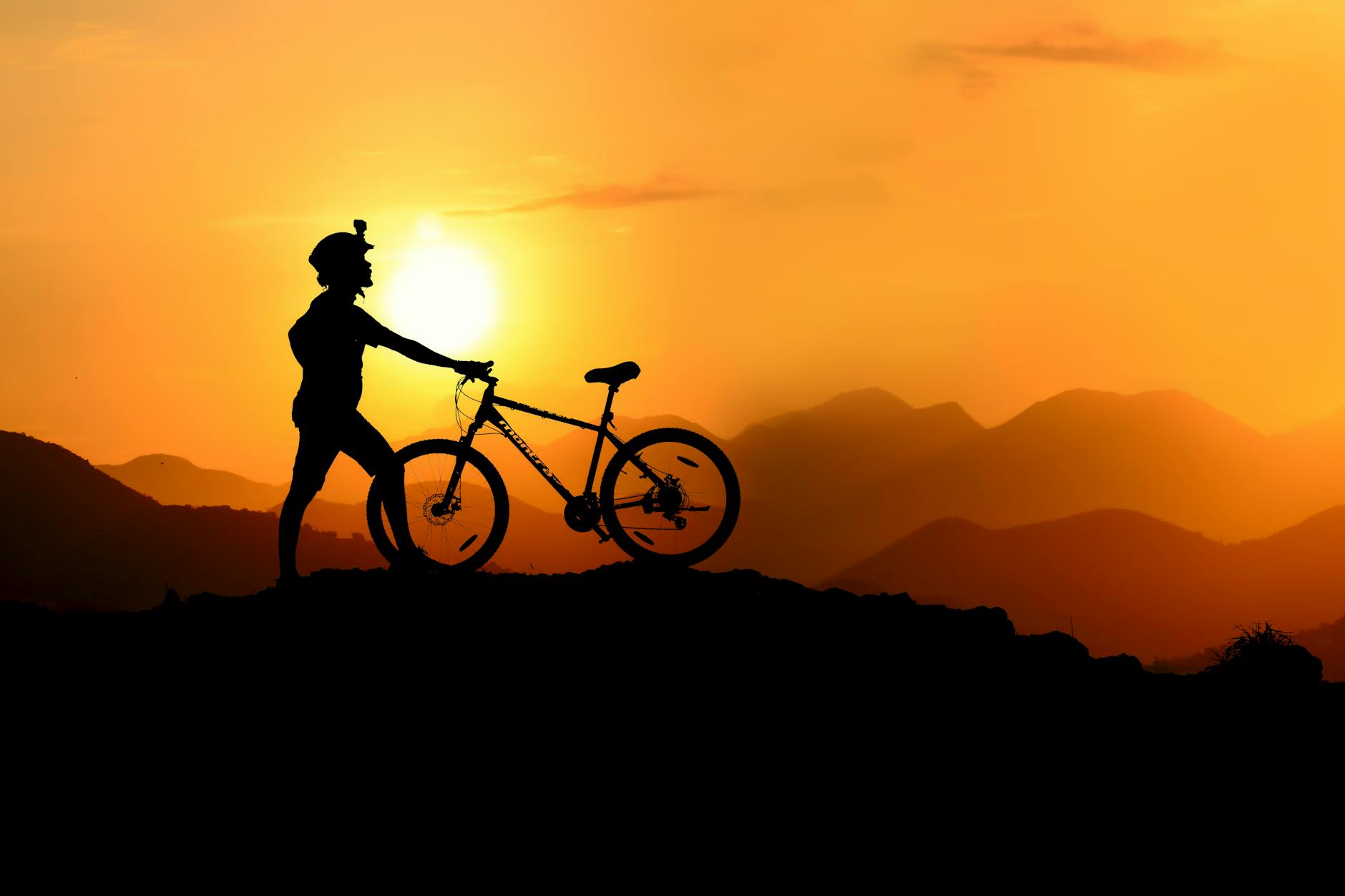
Yes, you can absolutely enjoy hiking, cycling, and traveling after 60—and the evidence suggests you should. The common assumption that turning 60 means hanging up your hiking boots or parking your bike is fundamentally wrong. What determines whether you can hike ten miles through mountain terrain or pedal through Europe isn’t your age; it’s your commitment to staying active. A 62-year-old who has maintained regular physical activity will outperform a sedentary 45-year-old on the trail every time. The key insight is this: physical inactivity, not aging itself, is the primary driver of health decline.
This distinction matters enormously because it means the outcome is within your control. Whether you want to summit a 10,000-foot peak, complete a long-distance cycling tour, or spend three weeks exploring new countries, the pathway exists. Your 60s and beyond can be among the most adventurous decades of your life—if you approach them with intention and realistic preparation. The shift in what older adults are doing has become undeniable. Travel agencies and adventure companies report a dramatic change in their clientele, and the statistics back it up. Today’s active older adults aren’t exceptions; they’re part of a growing movement that redefines what’s possible in this stage of life.
Table of Contents
- How Hiking After 60 Strengthens Your Heart and Body
- Cycling: Maintaining Muscle and Endurance Into Your 60s and Beyond
- The Exploding Reality of Travel After 60
- Building the Physical Foundation for Multi-Sport Adventures
- Injuries, Recovery, and Staying Safe During Active Pursuits
- The Unexpected Mental and Social Benefits of Active Adventures
- Why Your 60s Can Be Your Best Adventuring Years
- Conclusion
- Frequently Asked Questions
How Hiking After 60 Strengthens Your Heart and Body
Hiking is one of the most accessible ways to rebuild and maintain cardiovascular health, regardless of your age at the start. When you hike—especially on varied terrain with elevation changes—your heart works harder, your lungs expand, and your circulation improves noticeably. These adaptations reduce blood pressure and cholesterol levels in measurable ways. Beyond the heart, regular hiking strengthens muscles in your legs, core, and back that tend to weaken without use, making everyrunning-every-day-bad-for-you/” title=”Is Running Every Day Bad for You”>day activities like climbing stairs or carrying groceries easier. The specific health benefits are worth knowing because they’re not theoretical. A consistent hiking practice reduces your chance of developing coronary heart disease, colon cancer, high blood pressure, and diabetes.
These aren’t small wins; they’re the difference between spending your 70s managing multiple medications and spending them on adventures. One 70-year-old hikers in the Colorado Rockies reported that after six months of regular hikes ranging from 4 to 8 miles, her blood pressure medications were reduced by half—a change driven entirely by the physical conditioning hiking provided. The practical framework for building hiking capacity is straightforward. Start with shorter outings and build gradually. An appropriate goal for older hikers is typically 8 to 12 miles per day depending on terrain, with shorter days early in multi-day trips to let your body adapt. Someone beginning a hiking program at 60 shouldn’t attempt a 12-mile peak bagging day without months of preparation, but with consistent effort, that becomes achievable within a year.

Cycling: Maintaining Muscle and Endurance Into Your 60s and Beyond
One of the most encouraging facts about aging is this: if you’re 65 and you bike regularly, you can maintain approximately 90 percent of the muscle mass you had when you were 20 to 30. This preservation of muscle is not guaranteed—it requires activity—but it’s far better than the alternative of gradual decline. Cycling is particularly effective at maintaining muscle because the pedaling motion engages large muscle groups repeatedly, and the resistance of the pedals and terrain provides the stimulus muscles need to stay strong. A ten-year study conducted in Japan followed thousands of seniors and found that those who rode bicycles regularly had significantly lower risks of needing long-term care and faced lower mortality rates overall. The protective effect wasn’t marginal; cycling consistently emerged as one of the most reliable predictors of healthy aging.
Cycling also improves cardiovascular health the way hiking does, but with one important difference: cycling is lower-impact on your knees and joints, making it a viable option for people with arthritis or joint pain that makes hiking uncomfortable. A 64-year-old woman with knee osteoarthritis might find that she can cycle 30 miles comfortably while a 5-mile hike leaves her in pain—the difference is that cycling distributes her Weight Loss“>weight across the bike seat, while hiking forces joints to absorb repetitive impact. The mental and emotional benefits of cycling add another dimension. People who cycle regularly report better mood, sharper thinking, and a greater sense of independence. Cycling takes you outdoors or through your neighborhood, creates a sense of movement and progress, and provides the meditative quality of rhythmic physical activity. These are benefits that don’t show up on a blood test but profoundly shape quality of life.
The Exploding Reality of Travel After 60
The statistics on travel among adults over 60 reveal a complete reshaping of what this age group expects from life. Seventy percent of adults aged 50 and older plan to travel this year, up from 65 percent just two years ago. This isn’t a niche group of particularly adventurous retirees; it’s the mainstream expectation. Forty-four percent of people over 50 plan at least one international trip, meaning they’re not content with domestic getaways—they want to experience other cultures and countries. Even more telling are the bucket list numbers. Among Americans aged 60 to 69, 69 percent have a specific list of destinations they want to visit before they die. For those 70 and older, the number remains substantial at 60 percent.
These aren’t vague wishes; they’re concrete plans. On average, seniors spend $6,847 per person annually on travel and take nearly four trips per year. That translates to an average of 27 travel days per year, meaning many active older adults are spending nearly a month of their year on the road. This is the new normal for people who have maintained their health and energy. The adventure travel sector has noticed and responded. The average age of adventure travelers has risen from 36 to 48 over the past decade, and people aged 50 and older now represent about 35 percent of the clientele for adventure travel companies. Tour operators that once designed trips for younger, more aggressive travelers now explicitly market multi-week hiking tours, cycling expeditions, and active cultural immersion trips to people in their 60s and 70s. The industry has fundamentally shifted because the demand is real and the market is substantial.

Building the Physical Foundation for Multi-Sport Adventures
Preparing your body to handle hiking, cycling, and travel together requires a layered approach because each activity develops different capacities, and they don’t fully overlap. Hiking emphasizes leg strength and cardiovascular endurance on uneven terrain, while cycling emphasizes sustained cardiovascular output with less impact. Travel adds variables: irregular terrain, unfamiliar altitudes, and disrupted sleep schedules. An effective preparation program includes both activities, plus strength training for stability and injury prevention. A practical progression looks like this: if you’re starting from a baseline of light activity, begin with three days per week of either hiking or cycling for 4 to 6 weeks, gradually increasing duration. Then add a second activity on a different day.
After three months, you’re ready to attempt a longer adventure—a multi-day hiking trip or a week-long cycling tour. Someone who can comfortably hike 8 miles with moderate elevation gain and cycle 20 to 25 miles on flat terrain has the baseline fitness to attempt many classic adventure itineraries. The comparison matters: a 60-year-old with six months of consistent training is generally better prepared than a 35-year-old who is fit but hasn’t trained for the specific demands of the trip. One common mistake is doing too much too fast. Enthusiasm often leads people to book an ambitious trip—say, a two-week mountain hiking expedition in Peru—and then try to cram their training into the three months before departure. This approach significantly increases injury risk and often results in frustration rather than enjoyment. A better pattern is building gradually over 12 months, treating the upcoming trip as a goal that shapes your year-round training, not something you prepare for in a panic.
Injuries, Recovery, and Staying Safe During Active Pursuits
The risk of injury doesn’t disappear after 60; if anything, recovery takes longer, which makes prevention more important than ever. Overuse injuries—tendinitis, bursitis, stress fractures—are more common than acute injuries among active older adults. A 63-year-old cyclist who suddenly increases mileage by 20 percent in a week to “get ready” for a tour might develop Achilles tendinitis that sidelines her for six weeks. The same progression in a 33-year-old might be handled without incident, illustrating the difference in how connective tissue adapts to stress at different ages. Strength training becomes not optional but essential as a preventive tool. Three days per week of resistance work—whether with weights, resistance bands, or bodyweight—maintains the muscle that stabilizes joints and protects them from injury. This is especially true for the core, hip stabilizers, and ankle muscles, all of which prevent falls and ankle sprains on uneven terrain.
A fall that a younger person would brush off can result in a broken hip for someone over 60, which explains why prevention is genuinely a matter of maintaining independence. The winter before a major spring hiking expedition is the right time to focus on strength, not the month before departure. Recovery protocols also shift with age. A long hike or bike ride at 60 requires more deliberate recovery than it did at 40. This means easier days between hard efforts, adequate sleep, proper nutrition including protein, and paying attention to early warning signs of overtraining. A 65-year-old who experiences persistent fatigue, irritability, elevated resting heart rate, or declining performance is experiencing signs of overtraining, not laziness. The pathway back is rest and recovery, not pushing harder.

The Unexpected Mental and Social Benefits of Active Adventures
The cardiovascular and muscular adaptations of hiking and cycling are measurable and important, but they’re not the only reason people in their 60s increasingly pursue these activities. The mental health benefits are equally significant and often unexpected. Adventure—whether it’s a remote hiking trail, a cycling tour through countryside, or travel to an unfamiliar country—engages your mind in a way that routine life often doesn’t. You’re noticing new landscapes, solving real problems (which direction is the trail? how will we navigate this small town?), and experiencing novelty, all of which improve cognitive function and mood.
Travel in particular offers profound social and psychological returns. Many people who travel in their 60s and beyond report a deepened sense of purpose, expanded perspective, and stronger connections with travel companions or newly met locals. A 67-year-old woman who spent three weeks cycling through Tuscany with friends reported that the shared challenges and accomplishments created bonds deeper than years of routine social contact. The active nature of the travel—the physical effort required—somehow deepens the experience in ways that passive tourism doesn’t. You remember the hill you climbed more vividly than the hotel you stayed in, and that memorable effort becomes part of how you construct meaning in your life.
Why Your 60s Can Be Your Best Adventuring Years
There’s a genuine convergence happening for active adults in their 60s. You have greater financial resources and longer vacation flexibility than in your working years. You have the time to pursue the adventures that youth was too busy to attempt. And you likely have better judgment, clearer priorities, and stronger relationships than you did in your younger decades.
The combination creates a unique window in which to pursue active travel and outdoor adventure. The trend toward adventure-oriented travel for people 50 and older isn’t a temporary fad; it reflects a fundamental shift in how healthy older adults view aging. The bucket lists aren’t fantasy—they’re real itineraries being tackled. The hikes, the bike tours, the trips to mountain regions and remote countries are happening, and they’re happening in the hands of people who spent their 50s building fitness and their 60s realizing that the capacity they’ve built can take them places they never expected to go.
Conclusion
The answer to whether you can enjoy hiking, cycling, and travel after 60 is unambiguously yes—provided you build the physical foundation and approach these activities with realistic preparation. The evidence is overwhelming: your cardiovascular system responds to training at any age, your muscles respond to use, and adventure travel is becoming increasingly accessible to people in their 60s and beyond because the demand exists and the preparation path is clear. Start where you are.
Build gradually. Commit to consistency over intensity. The 60-year-old who hikes twice a week for six months will have opened a door to a entire category of adventures that seemed impossible at the start. Your 60s aren’t the beginning of a decline from which you manage aging; they can be the beginning of a new chapter of physical accomplishment and exploration.
Frequently Asked Questions
At what age is it too late to start hiking or cycling?
There’s no age limit. People in their 80s successfully take up hiking and cycling with appropriate preparation. The determining factor is current fitness level and the willingness to train progressively, not chronological age.
How do I know if a hiking or cycling trip is appropriate for my fitness level?
A good test is whether you can comfortably perform the activity at about 80 percent of the trip’s expected difficulty in training conditions. If the trip requires 10-mile days, you should be able to comfortably hike 8 miles in training before departing.
Is it common to travel internationally at 60?
Yes. Forty-four percent of adults over 50 plan at least one international trip per year, and the number has grown significantly in recent years. International travel is a mainstream expectation for active older adults.
How much training do I need before a major hiking or cycling adventure?
A typical progression is 6 to 12 months of consistent training, with the more ambitious the trip, the longer the preparation. A weekend hike requires 8 weeks of preparation; a two-week mountain expedition requires 12 months.
Do I need expensive gear or equipment to hike and cycle after 60?
No. A pair of good hiking boots and a reliable bicycle are sufficient to start. Advanced gear becomes valuable only after you’ve established consistency with basic equipment.