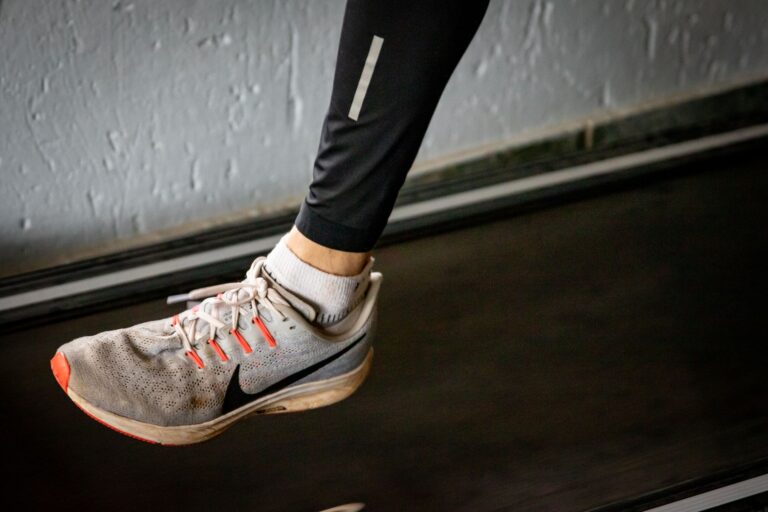
Yes, e-bike riding counts as exercise—but with important caveats. When you’re actively pedaling an e-bike, your heart rate increases, your muscles engage, and you burn calories. The motor provides assistance, not a free ride, and the effort required depends heavily on how you use it. A rider who tackles hills on an e-bike while using moderate motor assistance will get a genuine workout comparable to a slower-paced traditional bike ride, though typically less intense than unassisted cycling at the same speed.
The confusion stems from the motor itself. Many people assume e-bikes let you coast effortlessly, but that’s not how pedal-assist systems work. When you engage the motor on a pedal-assist e-bike, it amplifies your pedaling effort—it doesn’t replace it. You’re still pushing the pedals, still fighting wind resistance, and still working against gravity on climbs. A study tracking riders on a popular e-mountain bike model found that pedal-assist users maintained average heart rates of 115-140 beats per minute during sustained riding, putting them in the moderate aerobic exercise zone.
Table of Contents
- How Much Physical Effort Does an E-Bike Really Require?
- Is E-Bike Exercise as Effective as Traditional Cycling?
- Who Benefits Most From E-Bike Exercise?
- Building a Real Workout on an E-Bike
- The Motor Setting Matters More Than You Think
- E-Bikes vs. Traditional Cycling for Different Goals
- The Future of E-Bikes as a Fitness Tool
- Conclusion
- Frequently Asked Questions
How Much Physical Effort Does an E-Bike Really Require?
The physical demand of e-bike riding sits on a spectrum. On the lowest motor assistance setting, you’re doing nearly all the work yourself—the motor provides just 20-25% extra power. On the highest setting, the motor might deliver 50% or more of the pedaling force, reducing your muscular effort significantly but not eliminating it. The motor only activates when you’re pedaling; it doesn’t work on throttle-only e-bikes (which are sometimes classified differently under local regulations). Your leg muscles still do substantial work, controlling the bike, maintaining cadence, and providing the initial pedal stroke that triggers the motor.
A practical example: climbing a steep hill without a motor might get your heart rate to 160 bpm and leave your legs burning. On the same hill with moderate e-bike assistance, your heart rate might stay around 130 bpm and your legs feel less fatigued. The motor hasn’t done all the work—it’s reduced the peak intensity. But you’re still exercising in a measurable sense. Studies comparing traditional cyclists to e-bike riders find that e-bike users are more likely to ride longer distances and ride more frequently, which can offset the lower per-ride intensity.

Is E-Bike Exercise as Effective as Traditional Cycling?
E-bike exercise is less intense than unassisted cycling on the same terrain, but this doesn’t make it worthless. A lower-intensity, longer-duration workout can provide comparable cardiovascular benefits to a shorter, harder effort—this is the premise behind steady-state cardio training. If an e-bike allows you to ride for an hour where you might only manage 30 minutes unassisted, the e-bike workout delivers comparable or superior aerobic benefit despite the lower peak effort.
The limitation is that e-bikes won’t give you the same high-intensity interval benefits that unassisted cycling does. If you’re specifically training for power, speed, or significant leg strength gains, an e-bike with heavy motor assistance will shortchange your progress compared to traditional cycling. Your fast-twitch muscle fibers won’t be recruited as aggressively, and you won’t develop the same peak power output. However, for general fitness, weight management, and cardiovascular health, an e-bike is a legitimate exercise tool.
Who Benefits Most From E-Bike Exercise?
E-bikes open cycling to groups who would otherwise struggle with traditional bikes. An older adult with knee pain might find that e-bike assistance reduces joint stress enough to make cycling enjoyable and sustainable. A person returning to fitness after injury or illness can use the motor to start conservatively and gradually reduce assistance as fitness improves. Someone with limited time during their day can cover more distance and accumulate more aerobic work in a shorter session because they’re moving faster than they would on a traditional bike.
Consider a 50-year-old commuter with arthritis in both knees. A 10-mile round trip on an unassisted bike might be painful and impossible to repeat regularly. With an e-bike on moderate assistance, the same commute becomes manageable, and doing it five days a week provides sustained aerobic training despite the individual rides being lower-intensity. Over a year, this consistent activity delivers cardiovascular adaptation, weight loss, and joint strengthening—measurable health benefits that wouldn’t have occurred without the e-bike.
Building a Real Workout on an E-Bike
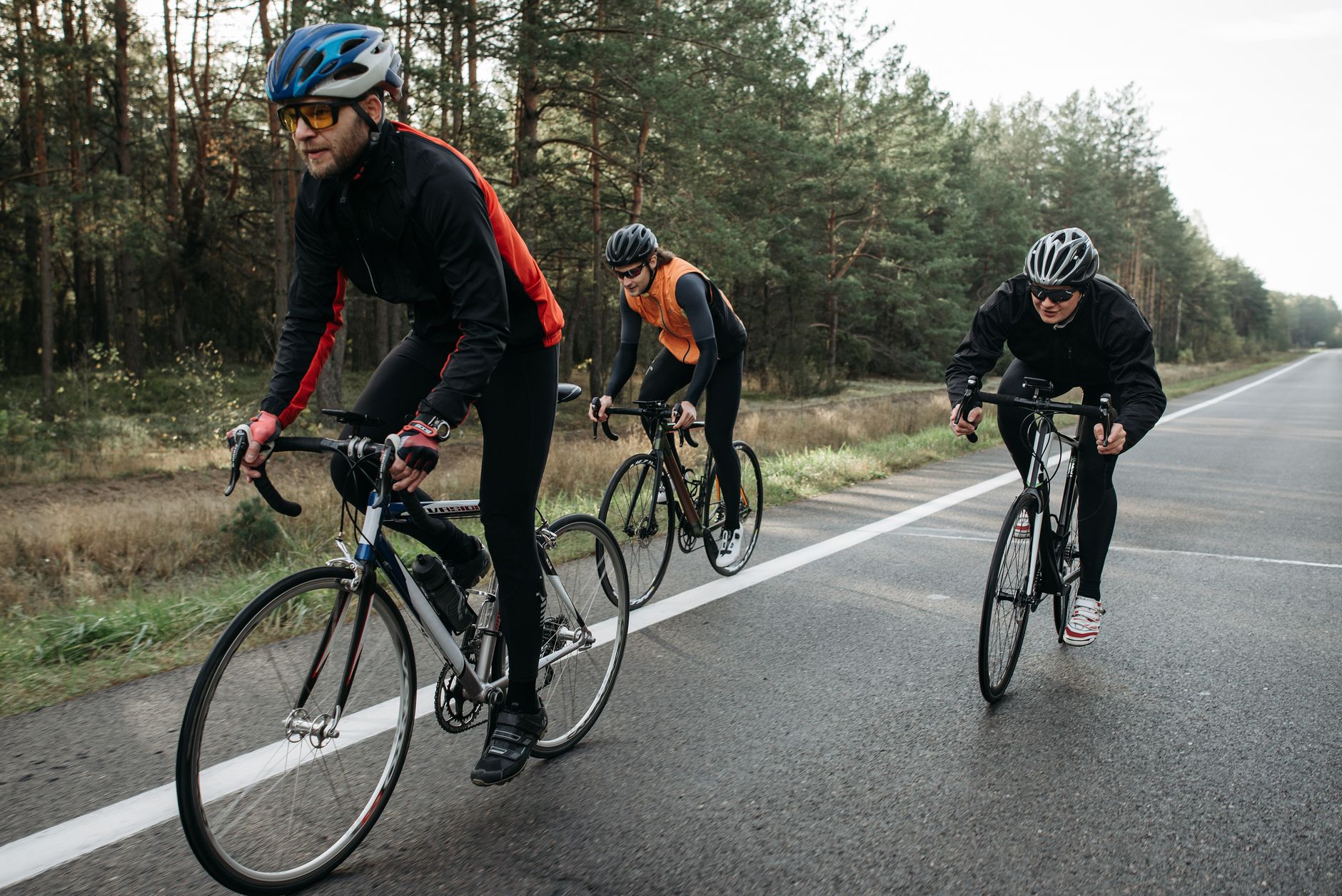
You can increase the exercise intensity on an e-bike by lowering the assistance level. Instead of riding on the highest setting, use medium or low assistance to force your muscles to do more work. You can also tackle hillier terrain, which automatically increases demand regardless of motor assistance level. Interval training works on e-bikes too—use low assistance for hard efforts and high assistance for recovery intervals.
The tradeoff is that building intensity requires discipline and intention. With an unassisted bike, the hill naturally forces you to work harder. With an e-bike, you can always turn up the motor and spin comfortably. Creating a real workout means resisting that temptation. Some e-bike models include settings that gradually reduce assistance as you ride, forcing progressive effort—a useful feature if you want to guarantee the workout gets harder without relying on willpower.
The Motor Setting Matters More Than You Think
Your choice of motor assistance level determines whether you’re exercising or just riding. Using the maximum assistance on flat ground is more like a motorized leisure ride than exercise. Using low assistance on rolling terrain is a legitimate aerobic workout. The same e-bike model used two different ways will deliver completely different exercise stimulus.
A warning: it’s easy to develop a habit of always using high assistance, especially on a commute where you want to arrive fresh. This habit defeats the exercise purpose. If you’re buying an e-bike to get fit, you need to commit to using lower assistance levels regularly, even when the motor could make the ride easier. Some riders find this psychologically difficult—the motor is right there, tempting you to reduce effort.
E-Bikes vs. Traditional Cycling for Different Goals
If your goal is general fitness and regular activity, an e-bike excels. People who use e-bikes consistently tend to report higher satisfaction and longer-term adherence compared to traditional bike ownership, partly because the e-bike removes barriers like hills or fatigue.
If your goal is racing, building maximum leg power, or preparing for multi-hour mountain biking events, an unassisted bike is more appropriate. A real-world comparison: a recreational cyclist training for a 50-mile charity ride might find that mixing e-bike rides (longer distances, more frequent) with occasional unassisted rides (shorter, higher intensity) creates a balanced training plan. The e-bike builds aerobic base and ride volume while the traditional bike maintains leg strength and power.
The Future of E-Bikes as a Fitness Tool
E-bike technology is improving, and fitness applications are becoming more sophisticated. Newer models include power meters, which measure the exact watts you’re producing (independent of motor assistance), allowing you to track and quantify your actual effort. This lets you use an e-bike for structured training where you hit specific power targets.
As these tools proliferate, e-bikes are shifting from a perception problem to an opportunity—they’re becoming devices that genuinely measure fitness progress rather than appearing to obscure it. Health trends increasingly support active transportation as a key fitness pillar. Public health organizations recognize that getting people to exercise more matters more than optimizing the intensity of individual workouts. An e-bike that gets someone outside three times a week on a 40-minute ride is delivering more health benefit than a traditional bike that sits in the garage because the owner finds it too hard to use regularly.
Conclusion
E-bike exercise counts, though it’s typically lower-intensity than unassisted cycling at the same speed. The real question isn’t whether e-bikes are “real” exercise—it’s whether they get you moving consistently. For many people, the answer is yes. An e-bike that you actually use beats a traditional bike that you don’t.
If you’re considering an e-bike for fitness, set realistic expectations. You won’t get the same high-intensity leg-building stimulus as an unassisted road bike. You will get a legitimate cardiovascular workout, especially if you manage motor assistance thoughtfully and tackle varied terrain. And you’ll likely ride more often and for longer distances, which compounds the fitness benefit over time.
Frequently Asked Questions
How many calories do you burn on an e-bike?
It varies widely, but research suggests 200-400 calories per hour depending on terrain, assistance level, and rider fitness. Compare this to 400-800 calories per hour on an unassisted bike. Higher assistance = fewer calories burned during the ride, but you ride longer, so total weekly burn may be similar.
Can you lose weight using an e-bike?
Yes, if you ride consistently. The lower per-ride intensity is offset by longer rides and more frequent outings. Several studies show e-bike users experience weight loss comparable to unassisted cyclists, particularly in commuting scenarios where the e-bike enables regular activity.
Should you use an e-bike for training a race bike?
Not as your primary training tool for high-intensity racing. E-bikes are better for base-building and recovery rides. Mix them with unassisted cycling if racing performance is your goal.
Is an e-bike good for cardiovascular health?
Yes. Your heart doesn’t distinguish between intensity sources—steady riding at moderate intensity (achievable on an e-bike) improves aerobic capacity and heart health.
Do you need to pedal an e-bike, or can you just use the throttle?
Most pedal-assist e-bikes require pedaling to activate the motor. Some models include a throttle option that lets the motor run without pedaling, but this is closer to a motorized scooter and provides no exercise benefit.
What assistance level should you use for fitness?
Use the lowest level that lets you maintain a sustainable pace for 45-90 minutes. This varies by terrain and your fitness. You should feel like you’re working, not cruising effortlessly.