A double under is one jump with two complete rope rotations beneath the feet, making it one of the most recognizable—and most challenging—movements in fitness training. Unlike a single under, which completes just one rotation per jump, the double under requires the rope to pass under your feet twice before you land again. What makes this movement distinctive isn’t jump height; it’s the speed of rope rotation driven almost entirely by your wrists. You might have seen athletes at the 2026 CrossFit Quarterfinals grinding through 150 double unders in a single workout, and that’s precisely why understanding this skill matters for anyone serious about their fitness.
Double unders are deceptively simple to watch but remarkably difficult to execute consistently. The movement exposes weaknesses in coordination, tendon stiffness, aerobic capacity, rhythm, and mental control—which is exactly why they’ve become a staple in CrossFit programming and serious conditioning work. The skill demands precision, timing, and practice. Once you develop proficiency, though, double unders unlock powerful cardiovascular and muscular endurance benefits that few other movements can match.
Table of Contents
- The Technical Mechanics of Double Unders
- Proper Form and Body Position for Maximum Efficiency
- The Fitness Benefits of Double Unders
- Progressive Training and Learning Double Unders
- Common Training Challenges and Mistakes
- Double Unders in Real Competition
- Building Long-term Consistency and Development
- Conclusion
The Technical Mechanics of Double Unders
Understanding how double unders work requires shifting your perspective on what creates the movement. The speed of rope rotation is what distinguishes double unders from single unders, not jump height or explosive power. Many beginners make the critical mistake of jumping higher when they should be focusing on wrist speed. Your hands should be positioned slightly in front of your hips, with rope rotation coming entirely from the wrists rather than large arm movements.
This positioning is key—when your hands drift too far back or your arms start making bigger circles, the rope loses the tight speed needed to rotate twice beneath your feet. The rope itself needs to clear approximately chest height during execution for the double rotation to work properly. This is why shorter rope lengths are easier for learning; they require less speed to clear that threshold and give your timing more margin for error. A rope that’s too long will demand excessive wrist speed or higher jumps, both of which derail your efficiency and burn out your forearms faster than necessary. Getting the rope length right is your first real step toward learning the skill.
Proper Form and Body Position for Maximum Efficiency
Effective double unders demand a hollow body position with your core, glutes, and legs working together as one tight unit. Your torso should remain upright, your hands should stay slightly forward of your hips, and you should minimize jump height—just a few inches off the ground is all you need. This isn’t a movement where explosive vertical power helps; in fact, excessive jump height works against you. The tighter your body position, the easier the rope passes underneath and the less energy you waste fighting gravity.
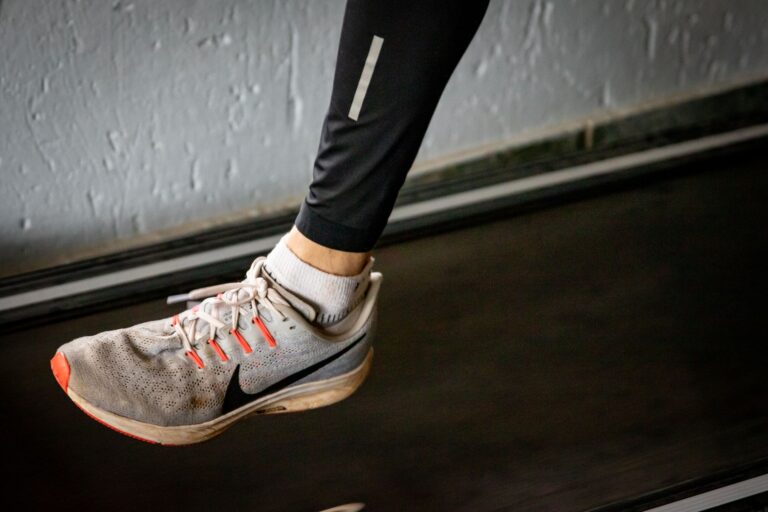
One common limitation runners and endurance athletes face is that they often default to their natural stride mechanics and leg position, which don’t translate well to double unders. Keeping your legs together and your knees relatively straight (avoiding the tuck jump that many athletes instinctively perform) requires conscious body control that your running stride never demands. This mismatch is why many otherwise fit runners struggle with double unders initially. Your legs need to behave more like a single unit rather than the independent leg drive that serves you well in running.
The Fitness Benefits of Double Unders
Double unders deliver substantial returns on training time. They build muscular endurance, improve cardiovascular health, and provide serious fat-burning benefits—all within a very short training window. A few rounds of double unders can elevate your heart rate as effectively as much longer cardio sessions, making them valuable for time-constrained athletes.
The movements also build grip strength and wrist stability that carry over to other training and everyday life. Beyond the cardiovascular component, double unders strengthen the connection between your nervous system and your legs, feet, and wrists in ways that pure running cannot. This neuromuscular coordination becomes more valuable as you age, and it carries real functional benefits that extend beyond fitness competition. The mental resilience required to push through challenging double under sets also builds mental toughness in ways that steady-state conditioning often doesn’t.
Progressive Training and Learning Double Unders
Learning double unders requires a structured approach that most runners don’t naturally adopt. Start with short windows of practice—even 30 to 60 seconds of consistent effort is productive. Focus on developing rhythm and timing before worrying about speed. Many athletes benefit from practicing double unders when they’re fresh rather than tacking them onto the end of a tiring workout, since fatigue makes the coordination even more difficult.
A common training pathway involves practicing single unders first, then mixing in occasional double unders to build confidence and timing. The difference between learning double unders as a young athlete versus a veteran runner often comes down to patience. Your body needs time to adapt to the wrist-driven mechanics, and the learning curve is genuinely steep for most people. Unlike running improvements that come gradually with each workout, double under progress can feel binary for weeks—you either get them or you don’t. Once the movement clicks, though, progress often accelerates as your body locks in the pattern and your aerobic capacity increases.
Common Training Challenges and Mistakes
Double unders expose weaknesses that other training modalities hide. Poor aerobic capacity becomes immediately obvious when your rope rhythm falls apart after 30 seconds. Weak wrist strength reveals itself through inability to maintain rope speed. Coordination problems surface as the rope consistently hits your feet or hands. These challenges aren’t weaknesses in the movement itself—they’re information about what your body actually needs to develop.
The problem is that the feedback is brutally honest and sometimes discouraging early in the learning process. A warning worth heeding: avoid the common mistake of tensing your entire body when attempting double unders. Many athletes clench their shoulders, neck, and upper back, which actually disrupts wrist speed and rhythm. Your shoulders should remain relatively relaxed and low, allowing your wrists to drive the movement independently. You’ll also find that consecutive high-volume sets of double unders can irritate tendons and connective tissue if you haven’t built sufficient durability, so progression should be measured rather than aggressive.

Double Unders in Real Competition
The 2026 CrossFit Games programming demonstrated just how central double unders have become in competitive fitness. Quarterfinal workouts featured impressive volume—up to 150 double unders per competition across three rounds of 50 and two additional rounds of 50, plus one final round of 50. This isn’t incidental programming; it’s deliberate testing of an athlete’s ability to execute efficient, consistent movement under fatigue. Competitors must maintain those official standards even when their aerobic system is screaming—upright torso, hands forward of hips, minimal jump height, and consistent wrist-driven rotation.
What makes competition double unders particularly challenging is the mental component. Strings of consecutive failures under competition conditions test your resilience and focus more severely than training ever will. Athletes who master the technical movement but struggle mentally tend to either grind to a halt or force increasingly desperate repetitions that miss the standard. The best performers maintain consistency through difficult sequences, knowing that rhythm and efficiency matter more than raw speed.
Building Long-term Consistency and Development
Double unders represent a skill that benefits from regular practice even at elite levels. Unlike running fitness, which you can maintain with consistent volume, rope skills deteriorate surprisingly quickly without regular practice. Many athletes rediscover this when they take training breaks; the movement feels foreign when they return.
Integrating short double under sessions into your regular training schedule—even just once or twice weekly—maintains proficiency and allows steady improvement over months and years. The broader fitness community recognizes that skill development and community involvement drive sustained participation. While 90 percent of CrossFit participants cite community as a key retention factor, the challenge and achievement of mastering difficult movements like double unders contributes significantly to that community engagement. Working toward improvement in double unders connects you with others pursuing the same skill, creating shared goals and mutual support that extends beyond the individual movement itself.
Conclusion
Double unders are fundamentally about efficient wrist-driven rope rotation rather than jumping higher or being stronger. The movement demands proper hand positioning slightly forward of your hips, a tight hollow body position, and minimized jump height—all of which require conscious practice and attention to detail. When executed correctly, double unders deliver cardiovascular benefits, muscular endurance, and the mental resilience that comes from mastering a genuinely difficult skill.
Your next step is straightforward: begin practicing with a properly-sized rope in short intervals, focusing on rhythm and timing before worrying about speed. If you’re a runner, acknowledge that the body position and mechanics differ significantly from your natural stride, and give yourself patience while your nervous system adapts. The skill curve is steep early, but once you develop consistency, double unders become a powerful tool in your fitness arsenal that rewards regular practice with measurable improvements in speed, endurance, and mental control.