
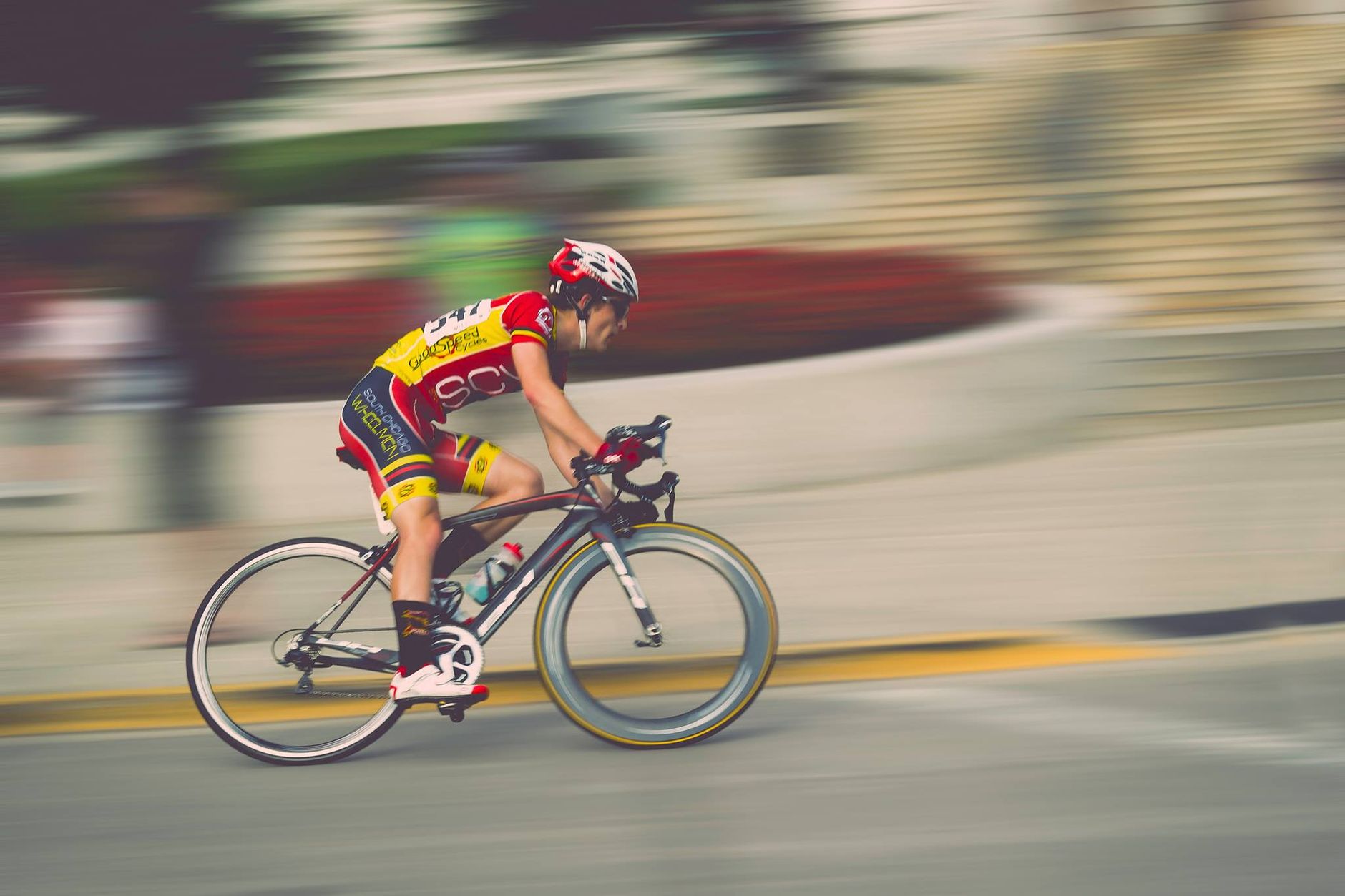
When it comes to intensity minutes on a bike, the distance you travel is almost irrelevant to what actually matters: how hard you’re working. Two cyclists could cover the same five-mile route, but if one rides at a leisurely pace and the other maintains a sustained effort that elevates their heart rate into the higher zones, they accumulate vastly different intensity minutes. Intensity minutes measure the time you spend exercising at a moderate effort level or above—typically defined as 50% or more of your maximum heart rate—and distance has nothing to do with it. A ten-mile recovery ride at an easy spin might give you zero intensity minutes, while a three-mile hill repeat session could net you twenty.
The fundamental disconnect comes from how fitness trackers and exercise science define “intensity.” Your body doesn’t care how many miles you’ve pedaled; it cares how hard your cardiovascular system is working. When you climb a steep hill for two minutes at maximum effort, you’re accumulating intensity minutes even though you’ve covered barely half a mile. When you coast downhill for ten minutes after that climb, you’re not accumulating anything despite covering more distance. This is why a cyclist training for power and speed often has more intensity minutes than someone who rides twice as far at a conversational pace.
Table of Contents
- What Determines Intensity on the Bike, Not Distance?
- Understanding Heart Rate Zones and Effort Thresholds
- How Short, Hard Efforts Beat Long, Easy Rides
- Translating Intensity Minutes Into Training Strategy
- The Heart Rate Variability and Effort Measurement Problem
- Power Meter Alternatives: A More Precise Approach
- The Future of Intensity Metrics in Cycling
- Conclusion
- Frequently Asked Questions
What Determines Intensity on the Bike, Not Distance?
Effort is the engine that drives intensity minutes, and effort comes from several factors working together: cadence, resistance, and terrain. On flat ground at a low gear with a slow pedal speed, you can cover miles with minimal effort. On the same flat road, switch to a high gear, increase your cadence to 95 RPM, and your effort skyrockets immediately—your intensity minutes climb proportionally. Terrain amplifies this effect dramatically. A steep hill forces higher effort in seconds; even if you’re only climbing for three minutes, you might accumulate the equivalent intensity of a half-hour easy ride on flats.
Many cyclists underestimate how much climbing amplifies their intensity minutes. A rider tackling a steep 6% grade hill for twenty minutes at steady effort may accumulate more intensity minutes than someone riding 15 miles on completely flat terrain at a moderate pace. Wind resistance and surface conditions add another layer. Riding into a headwind is harder than riding with a tailwind over the same distance at the same speed, so you accumulate intensity minutes faster fighting headwind. Gravel and poor road surfaces demand more muscular effort to maintain speed, increasing overall exertion compared to smooth pavement. This is why some of your hardest rides might feel shorter than your easy rides—the effort level is higher, even if you haven’t covered more ground.

Understanding Heart Rate Zones and Effort Thresholds
Most fitness trackers measure intensity minutes based on heart rate zones, specifically zones 3, 4, and 5 (moderate, hard, and maximum effort). Your body’s heart rate response to effort is highly individual, which means two cyclists side by side doing the same activity might accumulate intensity minutes at different rates. One person’s threshold heart rate—the point where they transition from aerobic to anaerobic work—might be 160 BPM, while another’s is 175 BPM. This individual variation means pacing by feel is often unreliable if you’re trying to hit specific intensity minute targets. You could feel like you’re working hard but not actually be in the zone, or you could be working well above the threshold without realizing it.
One common limitation is that heart rate takes time to respond to sudden effort changes. When you sprint hard for thirty seconds, your heart rate lags behind your actual muscular effort by several seconds. During short, sharp efforts like a thirty-second hill attack, your intensity minutes might not register properly because your heart rate hasn’t caught up to your effort level by the time the effort ends. This is why cyclists doing interval training sometimes see lower intensity minutes than they feel they’ve earned. Additionally, factors like stress, caffeine, heat, dehydration, and fitness level all affect heart rate independent of actual effort, creating gaps between what you feel and what your tracker records.
How Short, Hard Efforts Beat Long, Easy Rides
A thirty-minute steady hill climb at consistent hard effort will accumulate more intensity minutes than a ninety-minute easy cruise on flat terrain, even though the flat ride covers three times the distance. This surprises many cyclists, but it’s rooted in basic exercise physiology. Intensity minutes accumulate based on time spent at elevated effort levels, not ground covered. A cyclist doing six repeats of a three-minute hard effort with three-minute recoveries in between might accumulate eighteen intensity minutes from the hard efforts alone, which equals or exceeds what they’d get from an hour-long easy ride.
This principle explains why interval training is so effective for building fitness despite being much shorter than traditional long steady efforts. A Tuesday night interval session—say, five times three minutes at 95% max effort with equal recovery—takes thirty minutes total but generates significant intensity minutes. The same cyclist could ride for two hours on Saturday at a conversational pace and accumulate far fewer intensity minutes, despite the time investment being four times longer. Professional cyclists and coaches understand this deeply, which is why structured interval training dominates competitive training plans compared to simply logging miles.

Translating Intensity Minutes Into Training Strategy
If your goal is accumulating intensity minutes rather than distance, your approach to planning rides changes fundamentally. You stop thinking about doing a “fifty-mile weekend ride” and start thinking about doing a “high-intensity interval session” or a “threshold hill repeat workout.” A forty-five-minute bike commute at a steady moderate effort might generate twenty intensity minutes. The same cyclist could do a thirty-minute workout with just five minutes of hard interval work and accumulate the same or more intensity minutes, leaving them significantly less fatigued for recovery. The tradeoff here is important: chasing intensity minutes over distance can increase injury risk if you’re not careful.
Repeated high-effort cycling sessions demand more recovery and place higher stress on joints, muscles, and connective tissue than easier-paced rides. A cyclist who does intense intervals five days a week will likely face overtraining symptoms and potential injury faster than someone balancing three intense sessions with two or three easy days. Building a sustainable training plan means using intensity minutes as a target, but structuring the week with adequate recovery rides and rest days. Many cyclists improve faster by doing one or two focused, well-executed high-intensity sessions per week alongside several easy rides than by trying to cram intensity into every single outing.
The Heart Rate Variability and Effort Measurement Problem
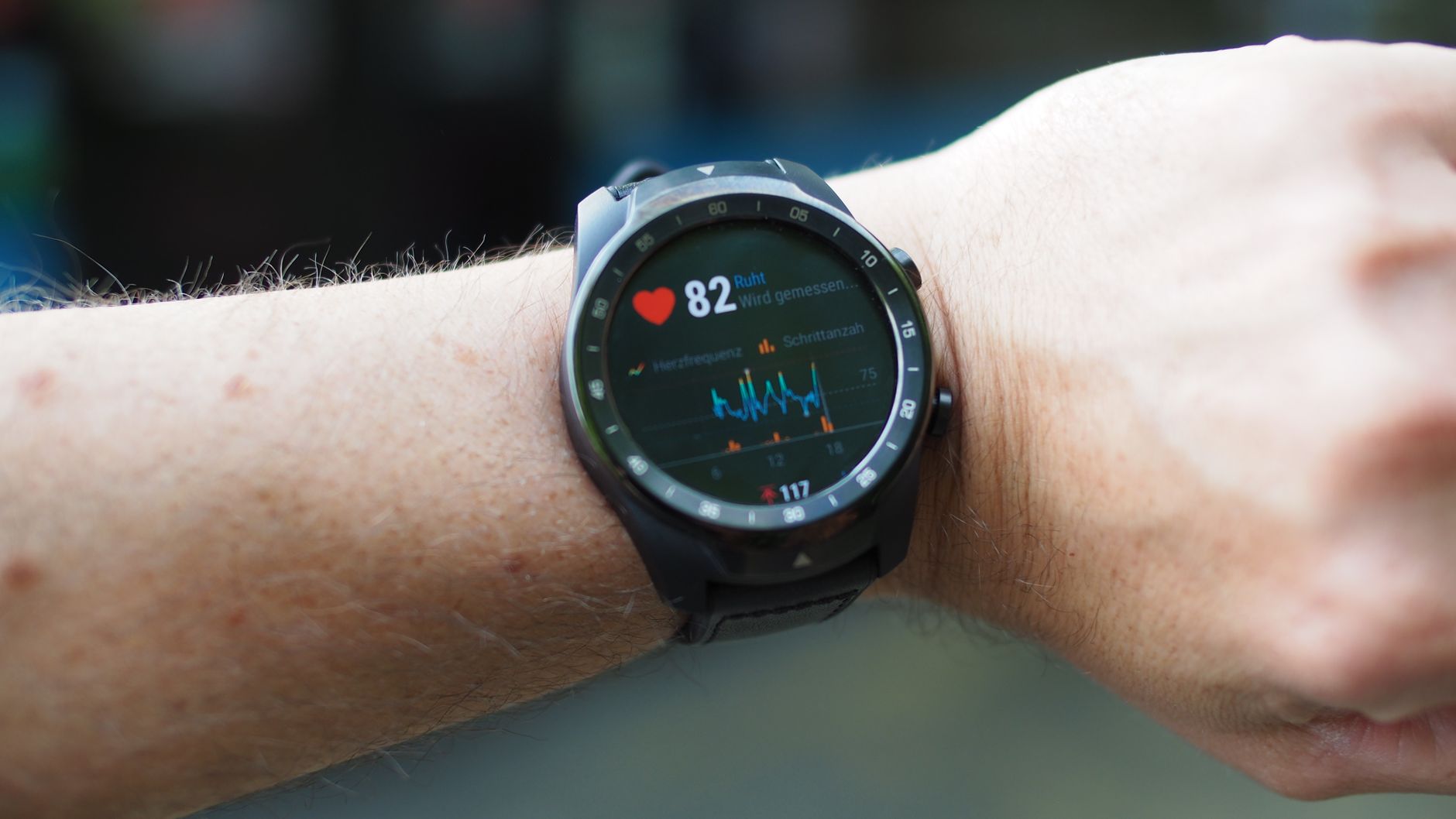
Even though heart rate is the most common way fitness trackers measure intensity, it’s an imperfect proxy for actual effort. Heart rate variability—the millisecond-by-millisecond changes in time between heartbeats—can be high or low depending on your autonomic nervous system state, stress levels, and recovery status. On a day when you’re well-rested, your heart rate might climb quickly in response to effort, allowing your tracker to register intensity minutes sooner. On a day when you’re tired, stressed, or dehydrated, your heart rate response is sluggish, and your tracker might underestimate the intensity of work you’re actually doing.
One specific limitation arises in warm weather or humid conditions. Your body diverts blood flow to the skin for cooling, which means your heart has to beat faster to deliver oxygen to working muscles. On a hot day, you might hit higher heart rates at the same perceived effort level, causing your tracker to overestimate intensity minutes. Conversely, in cold weather, your resting heart rate might be higher, compressing your available heart rate zones and making it harder to accumulate intensity minutes at the same absolute wattage output. Cyclists training year-round should be aware that their intensity minute targets might shift with the seasons even if their actual fitness and power output remain constant.
Power Meter Alternatives: A More Precise Approach
While heart rate is accessible and inexpensive, cyclists serious about intensity training often use power meters—devices that measure actual wattage output in watts. A power meter shows the exact mechanical work you’re doing, eliminating the guesswork of heart rate variability and individual physiology. If your threshold power is 300 watts, then any sustained effort above 300 watts is intensity work, regardless of your heart rate, stress level, or weather. Two cyclists with power meters doing the exact same workout will accumulate the same intensity metrics, whereas heart rate-based tracking might show different results for the same effort.
The downside is cost and complexity. A good power meter system costs between $500 and $2,000, and the data requires more sophisticated analysis to interpret correctly. A casual cyclist might not need this level of precision, especially if they’re training for general fitness rather than competitive performance. However, if intensity minutes are the metric you’re targeting, a power meter provides the ground truth that heart rate approximates but doesn’t guarantee.
The Future of Intensity Metrics in Cycling
As wearable technology evolves, multiple metrics beyond heart rate are being layered into intensity calculations. Some newer systems combine heart rate with power meters, cadence, temperature, and even blood oxygen levels to give a more complete picture of actual effort. Artificial intelligence is also being applied to individual cycling data to account for personal baselines—essentially teaching your device what your unique heart rate response looks like at different effort levels based on your historical data.
This personalization reduces some of the variability that makes heart rate-based tracking imperfect. The underlying message won’t change regardless of technology: distance is a poor proxy for cycling intensity. Whether you measure intensity through heart rate, power, or a combination of metrics, the fundamental principle remains that a shorter, harder ride accumulates more fitness-building intensity than a longer, easy ride. As cyclists continue prioritizing quality over quantity, the focus on intensity minutes—measured by effort, not miles—will only grow more central to how people structure their training.
Conclusion
The next time you plan a cycling workout, forget about targeting a specific distance. Instead, think about the intensity effort and how much time you’ll spend working at an elevated level. A focused one-hour interval session with just twenty minutes of actual hard work can be more valuable to your fitness than a three-hour casual cruise.
Your body responds to effort, not distance; your fitness improves based on how hard you’re working, not how far you’ve traveled. Start by getting clear on your personal heart rate zones through a threshold test, or consider investing in a power meter if you want precision. Track your intensity minutes alongside distance, and you’ll likely notice that your best training weeks aren’t your highest-mileage weeks—they’re your highest-quality weeks. The most efficient path to cycling fitness runs through effort, not distance, and intensity minutes are the metric that proves it.
Frequently Asked Questions
How do I know if I’m in the right heart rate zone for intensity minutes?
Your perceived effort should match the zone. Zone 3 (moderate) feels like you could hold a conversation but would prefer not to; Zone 4 (hard) means you can speak only a few words at a time; Zone 5 (maximum) allows almost no speech. Use this as a backup check to your tracker numbers.
Can I accumulate intensity minutes on a stationary bike?
Yes, absolutely. Stationary bikes often provide excellent data on effort through resistance levels and wattage, making them reliable for intensity minute training. Some argue indoor training is more accurate because weather and wind variability is eliminated.
Does climbing the same hill repeatedly give me more intensity minutes than climbing different hills?
The intensity minutes depend on effort level and duration, not the specific hill. A steep hill climbed slowly might generate fewer intensity minutes than a gradual climb ridden hard. Two climbs of similar gradient and duration at the same effort level will generate roughly the same intensity minutes.
What’s a reasonable intensity minute target per week for recreational cyclists?
Most fitness guidelines suggest 150 minutes of moderate-intensity activity per week, which translates to roughly 150 intensity minutes. Many recreational cyclists accumulate 200–300 intensity minutes weekly by mixing easy rides with two or three focused hard efforts.
Why does my intensity minute count drop in summer even though I ride more?
Higher temperatures can elevate resting heart rate and compress your usable heart rate zones, making it harder to register in the intensity zones. Additionally, you might naturally ride easier in heat to manage core temperature, reducing actual effort even if distance increases.
Should I do intense cycling every day?
No. Repeated high-intensity efforts require recovery. Most cyclists benefit from two or three focused intensity sessions per week, with easy-pace rides or rest days filling the remaining days. Overtraining leads to plateaus, fatigue, and increased injury risk.
4 thoughts on “Cycling: How Effort, Not Distance, Drives Intensity Minutes”
Comments are closed.