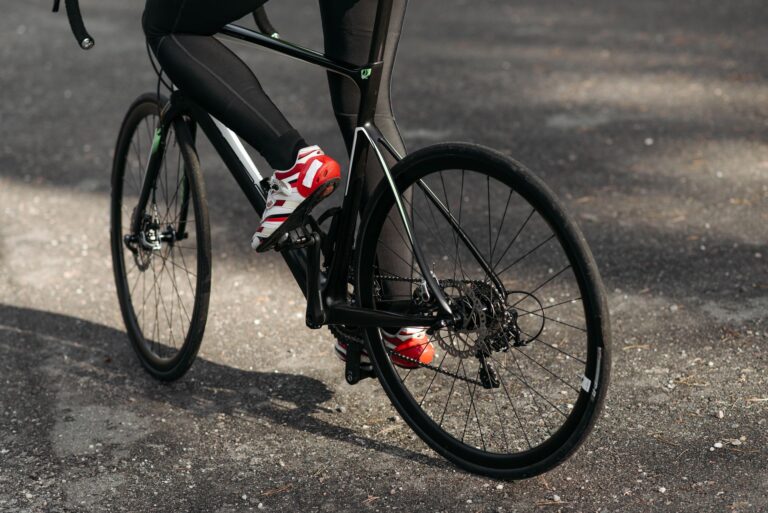
Recreational cycling under 10 mph earns 1x credit because it falls below the intensity threshold required for higher credit multipliers in most fitness tracking systems. At this speed, you’re moving at a casual pace—roughly equivalent to a leisurely bike ride through your neighborhood or a flat park path—where the physiological demands on your body are minimal and calorie expenditure is low. A 160-pound person cycling at 8 mph burns approximately 240 calories per hour, compared to 480 calories at 12 mph, which is why fitness platforms distinguish between intensity levels with different credit values. The credit system is designed to incentivize more vigorous activity while still acknowledging that light-intensity exercise offers health benefits.
When you ride under 10 mph, you’re not elevating your heart rate enough to trigger the cardiovascular adaptations that come with moderate or vigorous exercise. This is the baseline—1x credit—against which all other cycling intensities are measured. A real-world example: if you take a 30-minute recreational bike ride at 8 mph on a flat route, you’d earn 30 credits in most systems, whereas the same time spent at 14 mph on rolling terrain might earn 45 or 60 credits. Understanding this distinction matters because it shapes how you approach your fitness routine. The credit system isn’t meant to discourage slow cycling—it’s meant to be transparent about the physiological investment required for different activities.
Table of Contents
- What Makes Speed and Effort the Key Factors in Cycling Credit Classification?
- The Physiological Limitations of Low-Intensity Cycling and Credit Justification
- How Does Recreational Cycling at 10 mph Compare to Other Low-Intensity Activities?
- Practical Implications of 1x Credit for Your Fitness Planning
- Common Misconceptions About 1x Credit and Why Your Actual Experience Might Differ
- Real-World Examples of 1x Credit Cycling Sessions
- The Evolution of Credit Systems and What Future Fitness Tracking Might Look Like
- Conclusion
- Frequently Asked Questions
What Makes Speed and Effort the Key Factors in Cycling Credit Classification?
The primary reason recreational cycling under 10 mph earns base-level credit is that speed is the most measurable proxy for intensity. When you’re pedaling slowly on flat terrain, your muscles aren’t working hard enough to demand significant oxygen or generate substantial cardiovascular demand. The metabolic rate during leisurely cycling is only slightly elevated above sitting on a stationary bike or walking at a moderate pace. Fitness systems use speed as a metric because it’s objective and easy to measure through GPS or wheel sensors, making it fairer than subjective measures like “how hard it feels.” Terrain also plays a role that’s often overlooked. A 10 mph ride up a steep hill requires more effort than a 14 mph ride on flat ground, yet the speed-based credit system wouldn’t capture that difference.
This is one reason why some advanced fitness trackers incorporate altitude data, gradient information, or power output measurements. However, the baseline 1x credit system assumes flat or mostly flat conditions, which is why an athlete on rolling terrain at 9 mph might argue they deserve more credit than the standard classification suggests. The heart rate data confirms this speed-to-intensity relationship. At 8-10 mph, a typical cyclist maintains a heart rate of 100-120 beats per minute—the lower end of the aerobic zone where fat is the primary fuel source. Moving to 12-14 mph pushes most people into 130-150 bpm, a zone where glycogen becomes a significant fuel source and the training stimulus becomes noticeably stronger. This physiological shift is what justifies the jump from 1x to higher credit multipliers.
The Physiological Limitations of Low-Intensity Cycling and Credit Justification
Recreational cycling under 10 mph doesn’t trigger the same muscular and cardiovascular adaptations as faster riding, which is why credit systems appropriately assign it a lower multiplier. Your body doesn’t need to recruit as many fast-twitch muscle fibers, your mitochondria don’t face as strong a stimulus to improve, and your cardiovascular system isn’t pushed to enhance its pumping capacity or oxygen delivery efficiency. Over time, this matters: an athlete who only does 1x credit activities will see slower fitness improvements than someone who regularly includes higher-intensity work. There’s an important caveat here: low-intensity cycling isn’t worthless. It builds aerobic capacity when done consistently, it’s sustainable for longer durations, and it carries minimal injury risk. A 90-minute ride at 8 mph can actually burn more total calories than a 30-minute ride at 14 mph.
But the credit system isn’t measuring total work output; it’s measuring intensity-adjusted effort. A warning: if you’re training for a cycling event that requires sustained efforts at 15+ mph, accumulating credits purely through leisurely rides under 10 mph won’t adequately prepare you. The credit multiplier reflects this—you’d need more hours of low-intensity cycling to achieve the same fitness benefit as fewer hours of higher-intensity riding. The nervous system adaptation is another limitation of slow-cycling workouts. Pedaling at 10 mph requires minimal neuromuscular coordination compared to the demands of managing higher speeds, technical terrain, or sustained efforts. This is why recreational cycling under 10 mph scores 1x credit: the complete training stimulus—muscular, cardiovascular, and neurological—is baseline.
How Does Recreational Cycling at 10 mph Compare to Other Low-Intensity Activities?
When you compare recreational cycling under 10 mph to other base-credit activities, the picture becomes clearer. Walking at 3 mph also earns 1x credit in most systems, yet it’s far less demanding than easy cycling. A 160-pound person burns about 240 calories per hour walking versus 240 calories per hour cycling at 8 mph—they’re nearly equivalent in energy expenditure, which justifies similar credit values. However, cycling is slightly easier on the joints and can feel less monotonous for longer durations, making it a preferable option for some people. Swimming at a conversational pace (roughly 1 mph in the water) also typically earns 1x credit, though some systems give it slightly higher credit due to the full-body muscular engagement and water resistance.
Running at 5 mph—a slow jog—often earns 1.5x to 2x credit because the impact force and muscular demand of running exceeds that of cycling at the same perceived effort. This is where comparisons get interesting: a runner logging easy miles at 5 mph might accumulate credits twice as fast as a cyclist doing the same activity duration at 8 mph, even though both feel similarly easy. The practical implication is that if you want to maximize credits, you need to choose your activity wisely. Forty minutes of recreational cycling at 8 mph earns you about 40 credits, while 40 minutes of easy jogging at 5 mph might earn you 60-80 credits. This is why some people cross-train strategically—using low-intensity cycling for recovery days while reserving running or higher-speed cycling for harder sessions.
Practical Implications of 1x Credit for Your Fitness Planning
Understanding that recreational cycling under 10 mph earns 1x credit should shape how you structure your weekly training. If your goal is accumulating credits efficiently, leisurely cycling is best viewed as a recovery or active rest activity rather than a primary training stimulus. A 60-minute easy ride at 8 mph earns 60 credits—the same as a 60-minute walk. But if your goal is long-term aerobic development and you enjoy cycling, those easy hours are still valuable; they just won’t progress your fitness as rapidly as higher-intensity sessions. There’s a trade-off worth considering. High-intensity cycling sessions earn 3x to 4x credits per hour but are demanding on your body and can only be sustained 1-2 times per week before fatigue accumulates.
Low-intensity rides under 10 mph can be done 5-6 days per week without overtraining. So an athlete doing three hard rides per week (earning 9x credits total) plus two easy rides at 8 mph (earning 10x credits) might accumulate 19x weekly credits. This mixed approach builds fitness through variety rather than pure credit accumulation. For beginners or people returning to exercise, this distinction is essential. Starting with recreational cycling under 10 mph—earning 1x credit—is perfect because it allows you to build consistency without overwhelming your body. You’re not chasing high credit numbers; you’re building the aerobic foundation that makes faster, harder riding possible later.
Common Misconceptions About 1x Credit and Why Your Actual Experience Might Differ
Many cyclists are frustrated when their leisure rides earn only 1x credit, believing that they “deserve” more because they feel tired afterward or because they rode for a long time. This misconception overlooks the difference between duration and intensity. You can feel fatigued after a 90-minute easy ride, but fatigue isn’t the same as training intensity. Real intensity is measured by heart rate percentage, power output, or speed relative to your capability. If you’re naturally tired after riding, it might mean you need better nutrition, more sleep, or that you’re simply unused to extended activity—not that the credit system is unfair. Another common misunderstanding involves terrain variation. A rider who takes an 8 mph route with several hills might insist they deserve 1.5x or 2x credit because of the added difficulty.
Some advanced systems do account for this through power meters or gradient data, but the standard speed-based system doesn’t distinguish between flat and hilly slow rides. A warning: if you’re using a basic fitness tracker that only measures speed, you might want to upgrade to one that captures elevation gain if you regularly ride on varied terrain. The 1x credit you’re earning might not reflect your actual effort. Weather conditions can also create a perception problem. Riding at 8 mph into a strong headwind requires more effort than riding at 8 mph with a tailwind, yet both earn the same credit. This is a limitation of speed-only metrics—the context around your effort isn’t captured. Elite cyclists know this well and don’t obsess over credits; they focus on how the workout felt and what they learned from it.

Real-World Examples of 1x Credit Cycling Sessions
Consider a typical scenario: a 50-year-old commuter rides to the coffee shop and back, covering about 3 miles at an easy 8 mph pace on flat streets. The round trip takes 22 minutes, earning 22 credits. It’s not impressive on the leaderboard, but it’s a sustainable habit that, accumulated over weeks and months, contributes to cardiovascular health and keeps the habit of movement alive. This is precisely what 1x credit is designed for—recognizing real activity that contributes to overall health without overstating its training intensity.
Another example: a group of friends takes a leisure cycling trip through a park, stopping frequently to rest, chat, and look at scenery. Over two hours, they average 6 mph due to the stops and flat terrain. That’s 12 credits, similar to what they’d earn jogging that entire time at 5 mph, but far more enjoyable and socially rewarding. The credit system properly values this—it’s genuine activity, just not high-intensity training.
The Evolution of Credit Systems and What Future Fitness Tracking Might Look Like
Fitness tracking systems have evolved over the past decade to become more sophisticated in how they measure and credit activity. Early systems relied purely on heart rate or calories burned, which could be misleading. The shift toward speed-based and power-based metrics brought more accuracy, though imperfection remains. The 1x credit for cycling under 10 mph is actually a step forward in standardization and fairness compared to older systems.
Looking ahead, wearable technology is moving toward more holistic metrics that might eventually replace simple speed-based classification. Some advanced systems now incorporate HRV (heart rate variability), power output, and contextual data to give you a more nuanced picture of your actual training stimulus. As these technologies become more accessible and affordable, the rigid 1x credit boundaries might soften, allowing for more personalized feedback. What remains constant is this principle: effort and intensity matter more than duration, and the credit system exists to guide your training toward the activities that move you toward your fitness goals.
Conclusion
Recreational cycling under 10 mph earns 1x credit because the speed, intensity, and physiological demand fall at the baseline level used by fitness tracking systems. It’s a fair classification that reflects the real difference between casual riding and sustained, vigorous cycling. Understanding this isn’t about judging your activity as “not good enough”—it’s about making informed decisions about how to structure your training for maximum benefit.
If leisurely cycling is what you enjoy, continue doing it. Just know that it works best as a recovery activity or as a consistent habit that builds volume and aerobic capacity over time. If you want to see fitness gains accelerate and earn higher credits, you’ll eventually need to push harder. The 1x credit baseline actually makes this journey clearer: you know exactly what intensity threshold you need to cross to move to the next level, and you can track your progress toward that goal with precision.
Frequently Asked Questions
Will I get fitter if I only do recreational cycling under 10 mph?
You’ll develop aerobic capacity and build the habit of regular movement, both valuable for health. However, your fitness progress will plateau relatively quickly compared to cycling at higher intensities. For sustained fitness gains, you’ll need to gradually incorporate faster, harder efforts.
Why does walking and cycling at similar speeds earn the same 1x credit if cycling feels easier?
The credit system is based on energy expenditure and physiological demand, which are surprisingly similar between slow walking and easy cycling. Cycling may feel easier because you’re not fighting gravity as much, but your metabolic cost is comparable.
If I ride on hills at 8 mph, should I get more than 1x credit?
Ideally, yes—your actual effort is higher. However, basic speed-based systems don’t account for terrain. If hill riding is important to you, consider upgrading to a fitness tracker that measures gradient or power output.
Can I build muscle from recreational cycling under 10 mph?
You’ll maintain muscle and build endurance, but you won’t develop significant strength or power. Muscle building requires higher resistance, which comes from faster speeds, climbing, or gym-based work.
How many hours of 1x credit cycling equals one hour of higher-intensity cycling?
It depends on the intensity gap. Generally, one hour of vigorous cycling (3x credit) might produce similar fitness benefits to two to three hours of easy cycling (1x credit), but the relationship isn’t perfectly linear. Consistency matters as much as intensity.
Should I avoid recreational cycling because it only earns 1x credit?
No. Recreational cycling is excellent for building habits, enjoying the outdoors, and maintaining aerobic base fitness. Use 1x credit cycling for active recovery and consistency, then supplement with harder sessions for progression.