
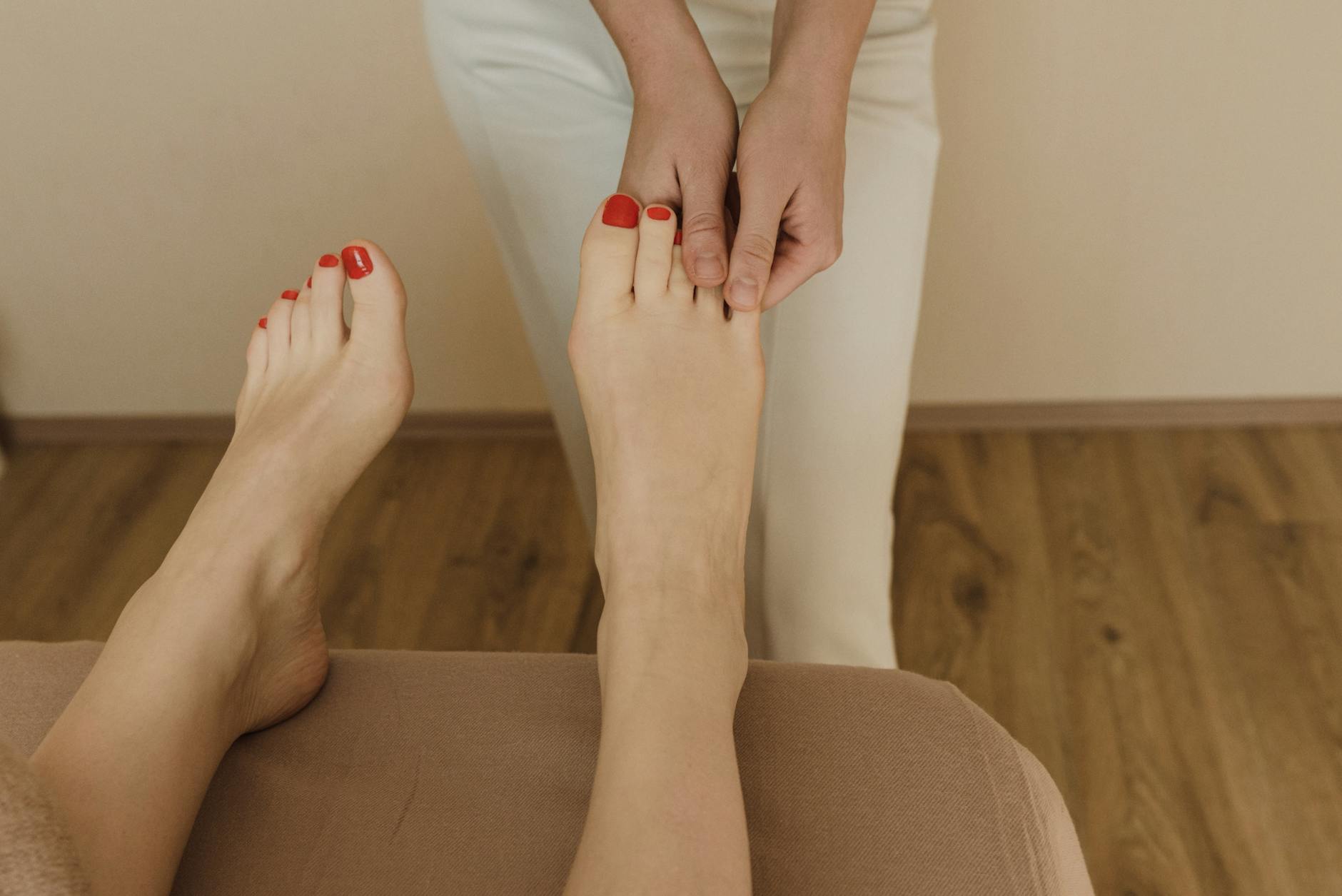
The big toe plays a surprisingly critical role in generating powerful running strides, functioning as your body’s final lever for propelling yourself forward with efficiency and force. While many runners focus on leg strength or cadence, they overlook how the extension of the big toe during the push-off phase determines how much power transfers from your leg muscles into forward momentum. When you run, your big toe extends upward as your foot leaves the ground—a movement called plantarflexion—and this extension directly affects your stride length, running economy, and the force you can generate with each step. Consider a sprinter accelerating out of the blocks.
The explosive power they generate comes not just from their glutes and quads, but from a forceful extension of the big toe that propels them forward. Without proper big toe extension, even the strongest runner loses efficiency, experiencing reduced stride length and increased energy expenditure. This mechanic applies to all running distances, from endurance runners seeking better economy to athletes pursuing speed. The big toe extension is governed by the hallux limitus—the range of motion available in the joint—and any restriction in this movement can compromise running performance and increase injury risk. Understanding how your big toe functions during running can help you identify biomechanical issues, improve your stride efficiency, and prevent common overuse injuries.
Table of Contents
- How Does Big Toe Extension Generate Running Power?
- The Biomechanical Mechanism Behind Toe Extension and Power Output
- What Happens When Big Toe Extension Is Restricted?
- Improving Big Toe Extension for More Powerful Strides
- Turf Toe and Other Big Toe Injuries That Affect Running
- The Relationship Between Big Toe Extension and Running Efficiency
- Screening Your Own Big Toe Extension and Long-Term Foot Health
- Conclusion
- Frequently Asked Questions
How Does Big Toe Extension Generate Running Power?
during the running stride, your big toe doesn’t passively leave the ground—it actively extends, pushing off with force just before your foot leaves contact with the running surface. This extension is powered by muscles in your foot and calf, working together with connective tissue including the plantar fascia. The plantarfascial system acts like a mechanical spring, storing energy as your foot strikes the ground and releasing that energy as your big toe extends, contributing significant force to propulsion. The mechanics are straightforward: a stronger, more mobile big toe extension means better energy transfer from your lower leg muscles into forward movement. Research on sprinters shows that athletes with greater plantarflexion range consistently produce faster acceleration.
Similarly, distance runners with efficient big toe extension demonstrate better running economy—they cover more distance with the same energy expenditure compared to runners with restricted toe extension. This matters because running economy is a key predictor of endurance performance. However, the big toe’s contribution becomes even more apparent when it’s compromised. Runners with turf toe (a sprain of the big toe joint) or hallux limitus (restricted big toe movement) experience immediate performance drops. They compensate by relying more heavily on their mid-foot or smaller toes, shifting strain to tissues not designed for that load and often leading to new injuries in the foot, ankle, or knee.

The Biomechanical Mechanism Behind Toe Extension and Power Output
The power generated by big toe extension comes from a combination of active muscle contraction and passive spring-like recoil in the plantar fascia and foot ligaments. As your foot strikes the ground, these structures stretch and store elastic energy. During push-off, the big toe extends, and this stored energy releases explosively, amplifying the force your muscles alone can produce. This is why runners with stiff feet—those lacking flexibility in the plantar fascia—often feel like they’re working harder to maintain their pace. The first metatarsophalangeal joint (the joint at the base of your big toe) must have at least 65-75 degrees of extension to accommodate normal running mechanics. If you have less range of motion than this—a condition called hallux limitus—your biomechanics shift.
Rather than pushing off with the big toe, you’ll compensate by shifting weight to the outer part of your foot or by increasing the load on your second toe. This compensation is not sustainable over long distances or high mileage, and it often triggers issues like metatarsalgia (pain in the ball of the foot) or stress reactions in the second metatarsal. A critical limitation to understand: not all big toe extension problems are obvious. Some runners have adequate passive range of motion when their foot is stretched by hand, but their big toe doesn’t achieve full extension during the push-off phase of running. This dynamic restriction—where the toe doesn’t move through its full range under load—is harder to spot but just as performance-limiting. Addressing this requires specific strengthening and mobility work, not just stretching.
What Happens When Big Toe Extension Is Restricted?
Restricted big toe extension, whether from injury, prior trauma, or genetic foot structure, changes how your entire kinetic chain functions. A runner might experience pain in the arch of the foot, ball of the foot, or even in the shin or knee because the absence of efficient toe-off forces compensation up the leg. This is a common scenario: a runner develops shin splints despite doing everything right with strength training and rest, only to discover the root cause is hallux limitus limiting their push-off mechanics. A specific example: a long-distance runner began experiencing chronic knee pain despite stable training volume and no recent changes to their routine. Initial assessment revealed restricted big toe extension—only 40 degrees of motion instead of the normal 65-75 degrees.
The runner had a history of turf toe from college football but didn’t realize it had affected their running mechanics years later. By shifting weight to the outside of their foot during push-off, they’d altered the alignment of forces through the knee. Once they addressed the toe restriction through targeted mobility and strengthening work, the knee pain resolved within weeks. The compensation patterns from poor big toe extension can persist even after the initial injury heals, becoming ingrained into your movement habits. This is why runners with a history of big toe injuries benefit from specific rehabilitation that restores both range of motion and strength, not just waiting for pain to subside.
Improving Big Toe Extension for More Powerful Strides
Strengthening and improving big toe extension involves both mobility work and targeted strength training. Simple calf raises on a step—where your heels hang off the edge and you rise up onto your toes—directly challenge big toe extension under load. Similarly, plantar fascia rolling with a tennis ball or specialized foot roller can improve flexibility in the tissues that facilitate toe extension. These are accessible exercises most runners can incorporate into their routine. Yoga-based flexibility work, particularly poses like downward dog where the foot is actively plantarflexed, also builds range of motion. However, there’s an important tradeoff: improving flexibility without building strength in the big toe flexors and extensors won’t improve running performance.
A flexible but weak big toe won’t generate the power needed for efficient running. The optimal approach combines mobility work two to three times per week with strengthening exercises like toe raises (standing on your heels with toes lifted) and weighted foot exercises using resistance bands. Progress is gradual—expect 4-6 weeks to notice meaningful improvements in running sensation and efficiency. For runners with significant hallux limitus or a history of turf toe, working with a physical therapist or sports podiatrist is worth considering. They can assess whether your limitation is primarily a mobility issue, a strength issue, or a structural limitation that might benefit from custom orthotics or other interventions. Some runners have foot structures that naturally limit big toe extension range, and in these cases, learning to work within your biomechanical constraints, rather than fighting them, often produces better results.
Turf Toe and Other Big Toe Injuries That Affect Running
Turf toe—an acute sprain of the big toe joint that occurs when the toe is forcefully bent backward—is a common injury in sprinters and field sport athletes but affects runners less frequently. When it does occur, runners often underestimate its impact on running performance. The injury itself might heal in a few weeks, but the resulting stiffness and weakness can persist for months if not properly rehabilitated, creating the compensation patterns described earlier. A significant warning: returning to running too quickly after big toe injuries is a primary cause of chronic hallux limitus. Rest and gentle motion are necessary initially, but the rehabilitation phase is equally critical.
Without progressive loading and strengthening during return to running, scar tissue in the joint can limit motion permanently, even if the acute pain resolves. This is why a structured physical therapy program makes a meaningful difference in outcomes. Other big toe problems affecting runners include hallux rigidus (arthritic stiffness of the big toe joint) and sesamoiditis (inflammation of the small bones under the ball of your foot). Both conditions restrict big toe extension and require conservative management including anti-inflammatory measures, activity modification, and often custom orthotics to limit painful motion while maintaining some functional extension. These are conditions where running through the pain isn’t advisable—they typically worsen without appropriate treatment.
The Relationship Between Big Toe Extension and Running Efficiency
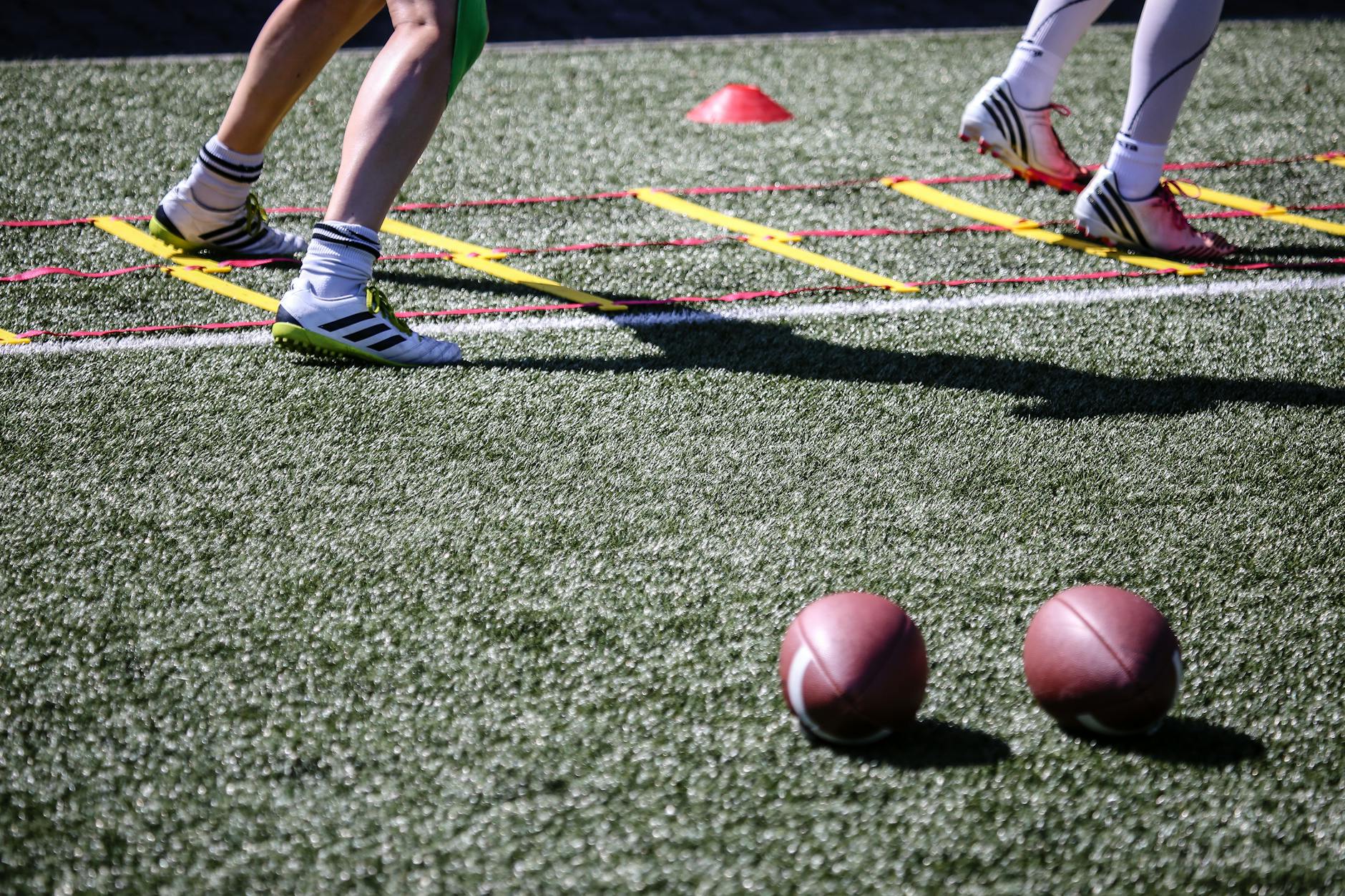
Running efficiency—the amount of energy required to maintain a given pace—is influenced by dozens of biomechanical factors, and big toe extension is one that deserves more attention than it typically receives. A runner with poor big toe extension must work harder to achieve the same stride length as a runner with good extension. Over a 10-mile run, this compounds into significantly higher total energy expenditure.
Consider two runners of similar strength and size, one with full big toe extension and one with hallux limitus limiting extension to 45 degrees. The first runner can generate power through the big toe and maintain stride length with relatively lower effort. The second runner must compensate, either by shortening stride length (requiring more steps to cover the same distance) or by working harder to maintain the same stride length through alternative muscle groups. Studies on running economy have found differences of 3-5 percent between runners with unrestricted and restricted big toe motion, which translates to noticeable differences in how hard a given pace feels.
Screening Your Own Big Toe Extension and Long-Term Foot Health
You can do a basic assessment of your own big toe extension at home. Sit with your leg extended, and gently pull your toes backward toward your shin. Your big toe should bend back at least 65-70 degrees. If your big toe barely moves, you likely have significant restriction.
While this passive test doesn’t replicate the demands of running, it gives you a baseline to compare over time. Looking forward, maintaining big toe extension and foot health becomes increasingly important as running volume increases or as you age. Runners who treat their feet as worthy of attention—through regular mobility work, strength maintenance, and prompt attention to injuries—maintain better running performance and lower injury rates throughout their careers. The big toe might be small, but its role in running is outsized.
Conclusion
The big toe extension is a fundamental but often-overlooked component of powerful, efficient running. From generating propulsive force to maintaining biomechanical alignment throughout your kinetic chain, the health and mobility of your big toe directly influences your running performance and injury risk. Whether you’re sprinting or running a marathon, the ability to extend your big toe forcefully during push-off affects how fast you can accelerate, how far you can stride, and how much energy your run demands.
If you’ve experienced foot pain, noticed reduced performance without obvious explanation, or have a history of big toe injuries, assessing your big toe extension and mobility is a worthwhile step. Simple strengthening and mobility work can often improve extension range and restore running efficiency within weeks. For more significant restrictions or structural issues, a physical therapist or sports podiatrist can provide targeted assessment and intervention. Taking your foot health seriously—starting with the big toe—is an investment in your running longevity and performance.
Frequently Asked Questions
How long does it take to improve big toe extension for running?
Most runners notice improvement within 3-4 weeks of consistent mobility and strengthening work, with significant gains visible after 6-8 weeks. The timeline depends on how restricted your extension is and whether you’re managing an injury. More severe restrictions may require longer rehabilitation.
Can I run with hallux limitus, or should I stop running?
Many runners with hallux limitus continue running, but performance typically suffers and injury risk increases. Rather than stopping, focus on treating the underlying restriction through physical therapy and potentially custom orthotics. Running can resume as your mobility and strength improve.
What’s the difference between big toe extension and ankle plantarflexion?
Ankle plantarflexion is pointing your foot downward (what you do when pressing the gas pedal in a car). Big toe extension is bending the big toe backward toward the shin. Both occur during running push-off, but they involve different joints. Good running mechanics require both.
Does footwear affect big toe extension during running?
Yes. Shoes with very stiff soles or minimal flexibility can restrict how much your big toe can extend during push-off. Minimalist shoes or shoes designed for flexibility in the forefoot generally allow better big toe extension, though individual fit varies.
Why don’t more running coaches discuss big toe extension?
It’s not typically visible during a basic gait analysis, and many coaches focus on larger muscle groups like glutes and quads. Big toe mechanics require specific assessment and sometimes imaging to identify restrictions, so it’s often overlooked unless a runner has overt foot pain.
Can tight calves limit big toe extension?
Indirectly, yes. Very tight calves can reduce ankle dorsiflexion (pointing toes upward), which may affect how your foot loads during running. However, calf tightness and big toe restriction are separate issues, and improving calf flexibility alone won’t fix hallux limitus.