Yes, cleaning the house can count as cardio, but with important caveats. Vigorous cleaning activities like scrubbing floors, vacuuming, and doing laundry can elevate your heart rate into the aerobic zone, and research shows that sustained housework can provide genuine cardiovascular benefits comparable to moderate-intensity exercise. However, the cardio benefit depends entirely on how intensely you clean and whether you maintain elevated effort throughout the session.
The key is treating household chores like a workout rather than a leisurely task. Someone rapidly vacuuming an entire 2,000-square-foot house without stopping might accumulate 20-30 minutes of legitimate cardio. The same person slowly tidying up while checking their phone and taking frequent breaks gets minimal cardiovascular benefit. Your body doesn’t distinguish between “intentional exercise” and “intense physical activity”—what matters is sustained effort and elevated heart rate.
Table of Contents
- What Type of Cardio Does Housecleaning Provide?
- The Reality of Housework Versus Structured Exercise
- Which Cleaning Tasks Provide the Most Cardio?
- How to Maximize Cleaning as Part of Your Cardio
- Common Misconceptions About Housecleaning as Exercise
- Combining Housecleaning with Your Running Training
- Building Housecleaning Into Your Fitness Mindset
- Conclusion
- Frequently Asked Questions
What Type of Cardio Does Housecleaning Provide?
Housecleaning falls into the moderate-intensity cardio category when done with actual effort. Moderate-intensity exercise means you’re working at 50-70% of your maximum heart rate—hard enough that you can talk but not sing. Vigorous scrubbing, vacuuming multiple rooms without stopping, or rapidly moving between cleaning tasks can achieve this zone. Studies on occupational physical activity have found that people in cleaning professions show cardiovascular adaptations similar to those who exercise regularly.
Not all cleaning is created equal, though. Dusting picture frames while standing still doesn’t count. Vigorously scrubbing a bathtub with full-body movement, pushing a heavy vacuum while lunging to reach corners, or doing multiple loads of laundry with stairs involved—these create the muscle engagement and sustained effort needed for real cardio benefits. The type of cleaning that makes you sweat and breathe harder is the type that counts.

The Reality of Housework Versus Structured Exercise
Here’s where housecleaning as cardio hits a serious limitation: you probably won’t maintain consistent intensity long enough to get real benefits. A cardio workout needs to be sustained—at least 20-30 minutes of elevated heart rate to create an adaptive response in your cardiovascular system. Most people don’t clean continuously for that long. You clean the bathroom, step back to admire your work, check a text message, move to another room and work at a slower pace. These interruptions drop your heart rate out of the training zone.
The other limitation is difficulty and variability. With running or cycling, you control the difficulty and can push yourself harder as you get fitter. With housecleaning, you’re limited by how much effort cleaning tasks inherently demand. Once your house is clean, there’s no way to make vacuuming harder—you either clean faster, which isn’t always possible or safe, or you move on to something less intense. This variability makes it nearly impossible to progressively overload your cardiovascular system the way you would with intentional cardio exercise.
Which Cleaning Tasks Provide the Most Cardio?
Certain cleaning activities deliver more cardio than others. Vacuuming large areas is one of the best options because it requires continuous movement, engages multiple muscle groups, and naturally keeps you moving from room to room. The pushing and pulling motions, combined with the need to navigate furniture and reach under items, maintain elevated effort. Similarly, scrubbing bathrooms—especially if you’re scrubbing tiled shower walls or getting on your hands and knees for tile grout—creates sustained muscular effort and cardiovascular demand.
Laundry provides surprising cardio benefits if you do it the traditional way: carrying heavy baskets up and down stairs, sorting by hand, and folding while standing rather than sitting. Someone doing multiple large loads while managing stairs could accumulate 20-25 minutes of moderate activity. Mopping floors is another solid option, as it requires rhythmic full-body movement and sustained effort. Kitchen cleaning—especially when rapidly scrubbing pots, wiping cabinets, and cleaning counters in one focused session—can work, but it tends to be shorter and less intense than the bathroom or vacuuming work.

How to Maximize Cleaning as Part of Your Cardio
If you want housecleaning to count as real cardio, approach it strategically. First, commit to a 30-minute focused cleaning session where you work continuously without stopping. Choose your most labor-intensive tasks—vacuuming, scrubbing, moving furniture to clean underneath—and do those first while you’re fresh. Put on music with a steady tempo around 120-130 beats per minute, which naturally encourages faster movement.
Second, increase the intensity by adding movement variation. Don’t just vacuum back-and-forth in straight lines; add lunges to reach corners, squat to get baseboards, and make deliberate movements that engage more muscle groups. When scrubbing, use larger arm motions and engage your core instead of just arm strength. Carrying cleaning supplies between rooms rather than doing everything in one area also maintains higher overall activity. The tradeoff is that you’ll be less thorough—rushing to maximize cardio means you might miss details—so you need to decide whether you’re cleaning for cleanliness or for fitness benefit.
Common Misconceptions About Housecleaning as Exercise
Many people overestimate how much cardio housecleaning actually provides. A leisurely hour of tidying, straightening, and light dusting—the way most people actually clean—might burn 150-200 calories, which is less than a 30-minute easy jog. Yet people often count an entire day of housework as their exercise, which isn’t accurate. Housecleaning can be a supplement to your fitness routine or work as low-intensity activity on easy days, but it’s not a replacement for structured cardio training if your goal is fitness improvement.
Another misconception is that housecleaning intensity is something you can control reliably. Unlike running where you can run faster or add hills, you can’t easily make scrubbing harder tomorrow than it was today. The effort ceiling is lower. So while vigorous housecleaning can count as cardio, you can’t depend on it as your primary cardio training method if you’re trying to build fitness over time or train for endurance. It’s genuinely cardio when done intensely, but it’s not progressive cardio, which most people need for measurable fitness gains.

Combining Housecleaning with Your Running Training
Many runners find that using housecleaning as active recovery works well. On easy days when you’re recovering from harder training, an intense housecleaning session keeps you moving and maintains daily activity without adding stress to your cardiovascular system.
This fits well into a running schedule—do your key workouts with dedicated running, use housecleaning as supplementary movement on the easy days. One practical example: a runner doing a structured weekly schedule of two hard workouts and five easier days could use one of those easier days for household tasks. A focused 45-minute cleaning session provides active recovery, gets your house clean, and counts as legitimate low-level cardio without interfering with your running performance or recovery.
Building Housecleaning Into Your Fitness Mindset
Treating housecleaning as potential cardio shifts your perspective on daily movement. Instead of viewing cleaning as a chore separate from fitness, you can count intense housecleaning sessions toward your weekly activity goals. This doesn’t mean abandoning structured exercise—it means recognizing that some intense household work legitimately counts and using it as part of a broader active lifestyle.
The future of fitness and health increasingly recognizes that “cardio” doesn’t have to mean treadmills or track workouts. Any sustained physical activity that elevates your heart rate into training zones counts. As people move away from rigid exercise dogma, integrating household chores as intentional physical activity—when done with real effort—becomes a valid part of maintaining cardiovascular health alongside more structured training.
Conclusion
Housecleaning can provide genuine cardiovascular benefits when done with intensity and sustained effort, but the conditions matter significantly. Vigorous, continuous cleaning—focused on labor-intensive tasks like vacuuming, scrubbing, and stair climbing—can elevate your heart rate into the moderate-intensity training zone. For many people, especially those busy balancing work and life, using household chores as supplementary cardio makes practical sense.
However, don’t rely on housecleaning as your primary cardio training if you’re building fitness or training for running performance. Treat it as what it is: valuable active recovery and supplementary movement that gets your house clean while providing some cardiovascular work. The best approach combines structured cardio training with intentional, vigorous housecleaning used strategically as part of your broader activity routine.
Frequently Asked Questions
Does vacuuming my house count as a cardio workout?
Vigorous vacuuming for 30+ continuous minutes can provide moderate-intensity cardio, especially if you use larger movements and add lunges to reach corners. Light or leisurely vacuuming won’t provide meaningful cardiovascular benefits.
How many calories does intense housecleaning burn?
Depending on body weight and intensity, rigorous housecleaning burns approximately 200-400 calories per hour, comparable to moderate-intensity exercise. However, most people don’t maintain high intensity for a full hour.
Can housecleaning replace my regular cardio workouts?
No. While intense housecleaning provides some cardiovascular stimulus, it’s not progressive and doesn’t provide the consistency needed for fitness development. Use it as supplementary activity, not as a primary training method.
What’s the best time to do housecleaning as exercise within my running schedule?
On easy recovery days, housecleaning provides active recovery without adding training stress. Avoid doing an intense housecleaning session before or after hard running workouts.
Which cleaning tasks burn the most calories?
Vacuuming large areas, scrubbing bathrooms, carrying laundry up and down stairs, and mopping floors are the most physically demanding cleaning tasks that maintain elevated heart rate.
Is my heart rate actually high enough during housecleaning to count as cardio?
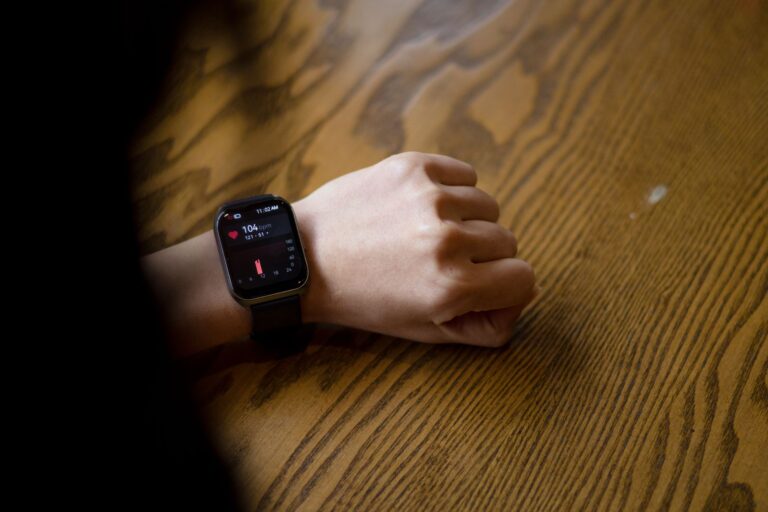
Only if you’re working vigorously and maintaining the effort. Wear a heart rate monitor or use a fitness tracker to verify you’re hitting 50-70% of maximum heart rate for sustained periods.