

Cardio workouts support longevity by strengthening the cardiovascular system, reducing all-cause mortality risk, and extending both lifespan and healthspan. Research consistently shows that people who engage in regular aerobic exercise live significantly longer than sedentary counterparts—studies indicate that 150 minutes of moderate-intensity cardio per week can add up to seven years to your life expectancy. A 55-year-old runner who maintains consistent cardio training may live into their mid-80s with functional independence, while someone sedentary might face disease and decline a decade earlier.
Cardio workouts achieve this through multiple biological pathways: they improve heart efficiency, lower resting heart rate and blood pressure, reduce inflammation, enhance endocrine function, and strengthen the arterial system. The effect is dose-dependent but not linear—more intense training isn’t always better, and the longevity gains plateau beyond certain thresholds. The most sustainable approach combines steady-state aerobic work with periodic higher-intensity sessions, tailored to your age and current fitness level.
Table of Contents
- WHICH CARDIO WORKOUTS DELIVER THE GREATEST LONGEVITY BENEFITS?
- THE CARDIOVASCULAR ADAPTATION WINDOW—HOW LONG AEROBIC TRAINING EXTENDS YOUR LIFE
- INTENSITY, FREQUENCY, AND THE DOSE-RESPONSE RELATIONSHIP FOR LIFESPAN EXTENSION
- BUILDING A LONGEVITY-FOCUSED CARDIO PROGRAM—PRACTICAL IMPLEMENTATION
- OVERTRAINING AND THE PARADOX OF EXCESSIVE CARDIO
- AGE-SPECIFIC CARDIO STRATEGIES FOR SUSTAINED LONGEVITY
- THE LONG-TERM LIFESTYLE INTEGRATION—BUILDING CARDIO INTO YOUR LONGEVITY ARCHITECTURE
- Conclusion
WHICH CARDIO WORKOUTS DELIVER THE GREATEST LONGEVITY BENEFITS?
Different cardio modalities produce similar longevity outcomes when performed at appropriate intensity and consistency, but some carry advantages for specific populations. Running, cycling, swimming, rowing, and brisk walking all reduce cardiovascular disease risk and mortality when sustained regularly. A 20-year follow-up study of runners found that even leisure-time running reduced all-cause mortality by 27 percent compared to non-runners, regardless of running pace—meaning a slow, consistent jogger lives longer than someone who doesn’t run at all.
Low-impact options like cycling and swimming become increasingly valuable as you age or if you have joint issues. A 60-year-old with knee arthritis may sustain a longer training career on a bike than on pavement. Conversely, running offers a higher caloric burn per unit time and engages more total muscle mass, making it particularly efficient for metabolic health. The key difference is adherence: the longevity benefit only materializes if you actually do the exercise consistently, so choosing a modality you genuinely tolerate matters more than chasing the theoretically optimal option.

THE CARDIOVASCULAR ADAPTATION WINDOW—HOW LONG AEROBIC TRAINING EXTENDS YOUR LIFE
Your cardiovascular system adapts to consistent aerobic work by becoming more efficient at oxygen utilization, reducing resting heart rate, and improving endothelial function (the health of blood vessel linings). These adaptations accumulate over years and directly correlate with longevity. Someone training for 30 years might see their resting heart rate drop from 70 to 45 beats per minute—each beat spares cardiac workload and extends the functional lifespan of the organ.
The limitation here is that cardiovascular benefits plateau after approximately 5-7 years of consistent training in most people. Your maximal aerobic capacity may improve 15-25 percent in the first 2-3 years, then stabilize despite continued effort. Additionally, excessive endurance training (100+ miles per week for runners, or equivalent on bike) can produce cardiac stress, with some ultra-endurance athletes showing temporary inflammation markers or arrhythmias. The longevity sweet spot appears to be 150-300 minutes of moderate intensity per week, or 75-150 minutes of vigorous intensity—beyond that, you’re working for fitness gains rather than longevity gains.
INTENSITY, FREQUENCY, AND THE DOSE-RESPONSE RELATIONSHIP FOR LIFESPAN EXTENSION
The relationship between workout intensity and longevity benefit follows a clear dose-response curve that levels off rather than climbing indefinitely. Moderate-intensity aerobic work (60-70 percent max heart rate) performed 5 days per week produces greater longevity gains than a single weekly high-intensity interval session, even when total time investment is equal. A person who runs 40 minutes at a steady, conversational pace five times per week will likely live longer than someone doing one 20-minute all-out interval workout weekly. Frequency matters more than most people realize.
Three full rest days per week is recoverable for most ages; one full rest day often isn’t sufficient for chronic adaptation. If you’re 50 and doing hard cardio six days weekly, you’re living in a state of incomplete recovery that suppresses immune function and increases injury risk—potentially counteracting the longevity benefits. A practical approach: four moderate-intensity sessions per week plus one lighter session keeps you in the adaptation window without overtraining. This is less glamorous than “sprint three times weekly,” but the data supports it.

BUILDING A LONGEVITY-FOCUSED CARDIO PROGRAM—PRACTICAL IMPLEMENTATION
Start by establishing a baseline of 150 minutes of moderate-intensity work per week before adding intensity. If you’re currently sedentary, walking 30 minutes daily (even at 3 miles per hour) for four weeks establishes aerobic base fitness and begins the longevity clock. Once that’s sustainable, add one weekly session that edges toward vigorous intensity—this might be a tempo run at 80 percent max heart rate, or a long bike ride with rolling hills.
For someone already doing 150 minutes weekly, the next step is optimizing consistency and structure. A practical week might look like: Monday easy run 30 minutes, Tuesday rest or yoga, Wednesday tempo session 40 minutes (10 min warmup, 20 min at 80 percent effort, 10 min cool-down), Thursday recovery cardio 30 minutes, Friday rest, Saturday long aerobic session 60 minutes at 65 percent intensity, Sunday 30-minute easy effort. This distributes stimulus without triggering overtraining, and the Saturday long session triggers metabolic adaptations that extend across the week.
OVERTRAINING AND THE PARADOX OF EXCESSIVE CARDIO
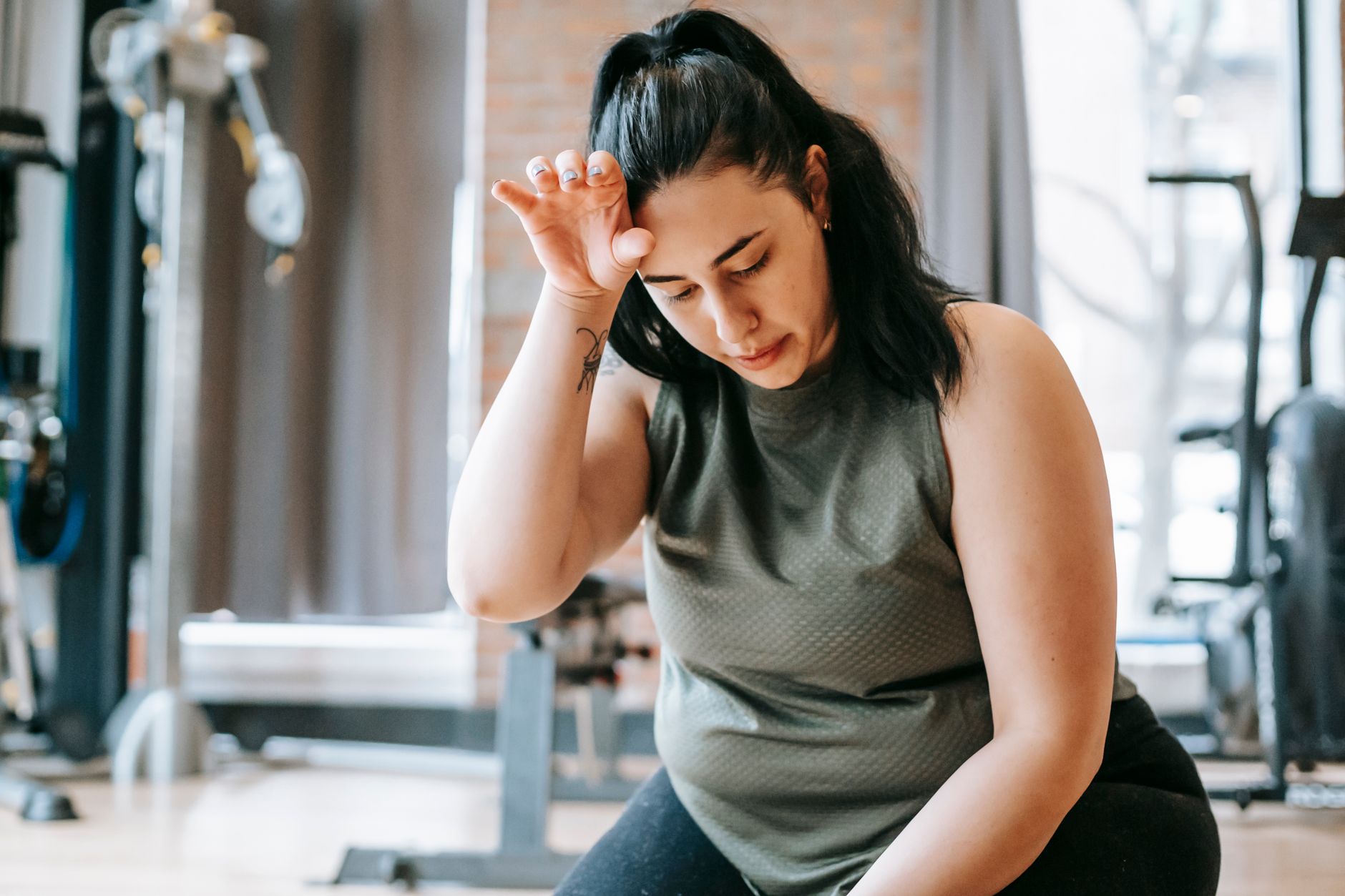
A hidden risk in pursuing longevity through cardio is the paradox that too much exercise can create systemic stress that cancels the benefits. Excessive training volume—particularly when combined with inadequate recovery, poor nutrition, or high life stress—elevates cortisol, suppresses immune function, and increases injury risk. A runner pushing 60 miles per week on a calorie deficit with poor sleep may actually have worse health metrics than someone running 20 miles per week with adequate recovery.
The warning sign is persistent elevated resting heart rate (5-10 beats higher than baseline), poor sleep quality, frequent minor infections, or loss of training enthusiasm. If you notice these, the intervention is simple: reduce volume by 40 percent for two weeks, maintain intensity, and prioritize sleep and nutrition. Once recovered, rebuild more gradually. Additionally, if you have existing cardiac risk factors (family history of early MI, prior arrhythmia, uncontrolled hypertension), consult a cardiologist before adopting high-intensity training; the longevity benefit of moderate cardio is well-established, but your personal risk-benefit calculation may differ.
AGE-SPECIFIC CARDIO STRATEGIES FOR SUSTAINED LONGEVITY
Cardio training strategies should evolve with age to maintain longevity gains while accommodating joint stress and recovery capacity. In your 30s and 40s, you can tolerate higher weekly volumes and more frequent high-intensity sessions; a 35-year-old runner doing 5 runs weekly with two moderate-intensity sessions often shows excellent longevity markers. By your 50s and 60s, the same training volume often produces accumulated joint stress and slower recovery.
A 60-year-old will typically see better longevity gains from 4 runs weekly (including one tempo effort and one longer aerobic run) with cross-training like swimming or cycling. In your 70s and beyond, low-impact modalities become central: cycling, swimming, elliptical training, and brisk walking deliver longevity benefits with minimal joint stress. Consistency matters far more than intensity—a 75-year-old who cycles 45 minutes four times weekly has better mortality outcomes than a 75-year-old who runs 8 minutes per mile twice weekly and is mostly sedentary. The goal shifts from building fitness to maintaining cardiovascular adaptation and functional capacity.
THE LONG-TERM LIFESTYLE INTEGRATION—BUILDING CARDIO INTO YOUR LONGEVITY ARCHITECTURE
The longest-living populations in blue zones (Okinawa, Sardinia, Mediterranean regions) don’t build cardio through structured workouts; they weave consistent low-to-moderate intensity movement into daily life. Walking, gardening, climbing stairs, and farming represent the real-world cardio dosage that extends lifespan. The implication is that a person who runs 4 times weekly but sits eight hours daily is missing the compounding effect of continuous movement.
A complete longevity approach combines structured cardio with incidental movement. This might mean 180 minutes of intentional aerobic exercise weekly, plus walking or cycling for transportation, taking stairs, and standing during work. Research suggests this combined approach produces superior longevity outcomes compared to someone doing 300 minutes of cardio but then sedentary for the remaining 16 hours daily. The future outlook increasingly supports this integrated view—wearable data shows that consistent daily movement beats intermittent bursts of intense training for mortality reduction.
Conclusion
Cardio workouts support longevity primarily through cardiovascular adaptation, systemic inflammation reduction, and metabolic improvement—effects that accumulate over years and directly extend both lifespan and functional years. The evidence is clear: 150 minutes of moderate-intensity aerobic exercise weekly adds years to your life, with maximum benefit around 250-300 minutes per week. The specific modality matters less than consistency; a swimmer or cyclist who trains steadily will live longer than a sporadic runner.
Your next step is assessing your current baseline and committing to a repeatable program, not a perfectionistic one. If you’re sedentary, start with 30 minutes of walking daily and reassess in four weeks. If you’re already active, review whether your current volume and intensity align with your age and recovery capacity, then adjust structure to sustainable consistency. The longevity benefit of cardio is one of the most evidence-backed health practices available—but only if you actually maintain it.
2 thoughts on “Cardio Workouts That Support Longevity”
Comments are closed.