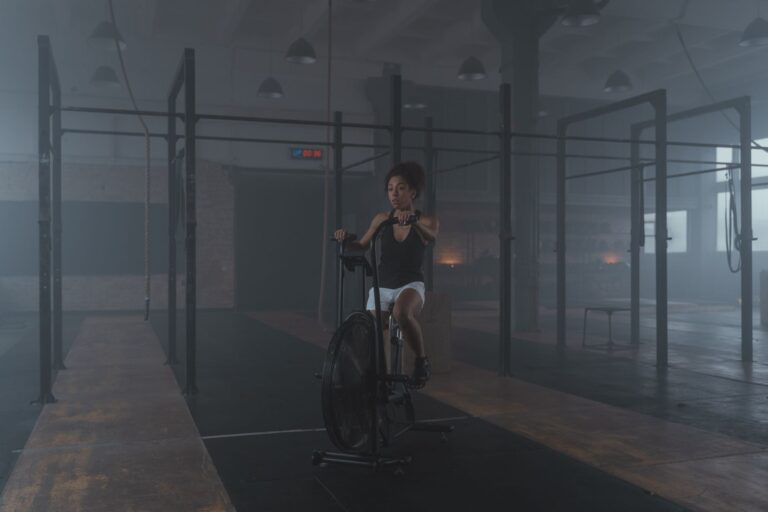
Measuring cardiovascular fitness as you age requires tracking how efficiently your heart, lungs, and muscles work together during physical activity. The most accurate method is VO2 max testing, which measures the maximum amount of oxygen your body can utilize during intense exercise, but simpler field tests like the six-minute walk test or step tests provide practical alternatives you can perform at home or your local track. Your resting heart rate, recovery heart rate, and ability to maintain steady-state effort all shift with age, so the benchmarks that applied at 35 are not the same at 55 or 75—what matters is establishing your personal baseline and tracking your own trends rather than chasing age-group averages.
The stakes of regular measurement go beyond vanity. Declining cardiovascular fitness is one of the strongest predictors of mortality and health complications as you age, which is why monitoring it can catch problems early. A 58-year-old runner I know discovered through regular six-minute walk tests that her aerobic capacity was declining faster than expected, leading her cardiologist to identify mild arrhythmias that were easily managed once detected. By systematically measuring your fitness, you create a paper trail of your health that can alert you to real changes and give your doctor concrete data to work with.
Table of Contents
- Why Cardiovascular Fitness Matters More as You Age
- The Gold Standard Test and Its Limitations
- Field Tests You Can Perform Regularly Without Equipment
- Using Resting and Recovery Heart Rate as Ongoing Markers
- The Problem of Age-Adjusted Standards and What They Hide
- Heart Rate Variability and Why It Matters More With Age
- Building Your Personal Testing Protocol as You Age
- Conclusion
Why Cardiovascular Fitness Matters More as You Age
cardiovascular fitness is a stronger predictor of longevity than almost any other modifiable health factor—stronger than weight, cholesterol, or blood pressure alone. As you age, your heart’s maximum pumping capacity (maximum heart rate) declines by about one beat per year, and your body’s ability to extract and use oxygen from the blood diminishes. This is normal aging, not a sign of failure, but it happens at different rates depending on your activity level, genetics, diet, and overall health. A sedentary 60-year-old might see their VO2 max decline by 10% per decade, while an active 60-year-old might lose only 3-5%.
The difference is profound. Research from the Cooper Institute has shown that improvements in cardiovascular fitness in your 50s and 60s can add years to your life expectancy, sometimes as much as three to seven additional years. This is not about running marathons—modest improvements in aerobic capacity through consistent training produce measurable longevity gains. Measuring fitness regularly keeps you honest about whether your activity level is actually maintaining or improving your capacity, or whether you’re slowly declining without noticing.
The Gold Standard Test and Its Limitations
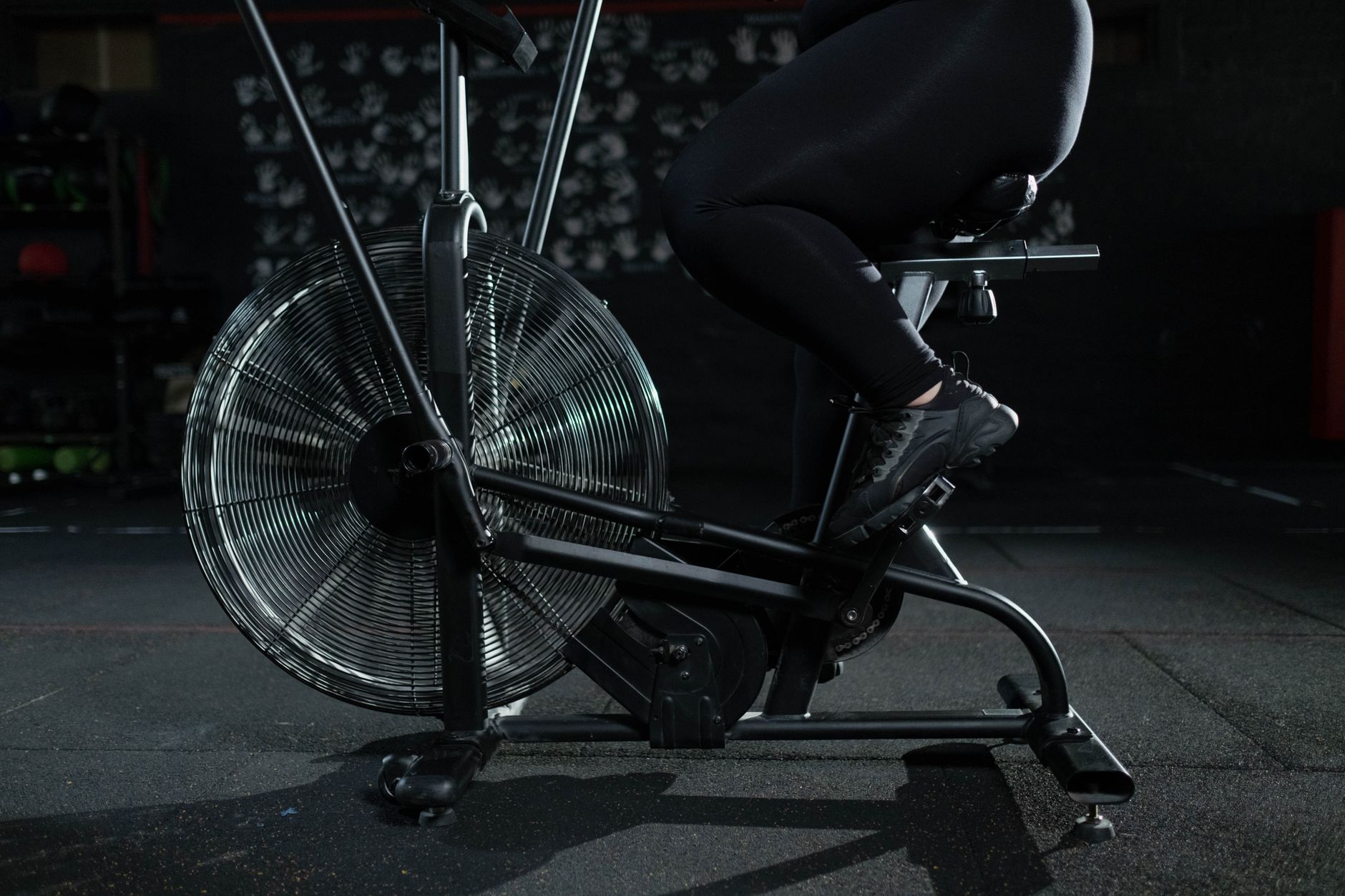
VO2 max testing, performed in a laboratory with a treadmill or stationary bike and respiratory gas analysis equipment, is the most precise way to measure aerobic fitness. During this test, you exercise at progressively harder intensities while breathing through a mask that measures oxygen consumption and carbon dioxide production. The test continues until you reach your maximum effort—when your oxygen consumption plateaus despite increased effort. Results are expressed in milliliters of oxygen per kilogram of body weight per minute (ml/kg/min), allowing meaningful comparisons across people of different sizes. The limitation is cost and accessibility.
A VO2 max test typically runs $150 to $500 and requires specialized equipment and trained technicians. Most runners and cyclists will never have one performed. Some tests are also influenced by your motivation and pain tolerance on the day of testing—a runner who’s tired or anxious might not achieve their true maximum, leading to an underestimated result. Additionally, VO2 max can improve substantially with training, sometimes by 15-25% over several months, which is encouraging but also means a single test is a snapshot, not a destiny. You need repeat testing to measure improvement, adding to the expense and time commitment.
Field Tests You Can Perform Regularly Without Equipment
The six-minute walk test is simple enough to do anywhere: find a flat path or track, walk as far as you can in six minutes at a pace you could sustain, and note the distance. Men in their 60s typically cover 600-700 meters; women of the same age typically 550-650 meters. Decline from these ranges suggests deteriorating aerobic capacity. The beauty of this test is that you can repeat it monthly or quarterly at minimal cost and effort, creating a personal trend line that shows whether your fitness is stable, improving, or declining. A 67-year-old runner I know has done this test four times a year for a decade and noticed her distance holding steady around 750 meters, which gives her confidence that her training is maintaining her fitness.
Another accessible test is the three-minute step test: step up and down on an eight-inch step at a rate of 24 steps per minute for three minutes, then measure your heart rate one minute after stopping. Younger adults recover to around 120 bpm; older adults might sit at 130-140 bpm. Recovery heart rate—how quickly your heart rate drops in the minutes after exercise—is itself a marker of cardiovascular fitness. Slower recovery suggests poorer aerobic conditioning. You can also run a measured distance and note your pace while keeping your effort consistent—if your average pace for a “comfortable run” gets slower over time, that’s a signal that your fitness may be declining. The limitation of field tests is that they require some fitness to perform safely and they measure aerobic capacity indirectly rather than directly.
Using Resting and Recovery Heart Rate as Ongoing Markers
Your resting heart rate, measured after sitting quietly for five minutes, is one of the easiest metrics to track and it correlates with cardiovascular fitness. A well-trained older adult might have a resting heart rate of 50-55 bpm, while a sedentary person of the same age might be at 70-80 bpm. Improvements in fitness typically lower resting heart rate by 1-2 beats per year, so a gradual decline in your resting heart rate over months suggests your training is working. Most smartwatches and fitness trackers measure this automatically, making it a low-friction way to monitor trends.
Recovery heart rate—how quickly your heart rate returns to baseline after exercise—is arguably more useful than resting heart rate for gauging aerobic fitness. After a hard three-minute effort, a fit person might drop 20-25 beats per minute in the first minute; a less fit person might only drop 5-10 bpm. You can track this by finishing a hard workout, checking your heart rate at the one-minute mark and the five-minute mark, and looking for improvement over weeks and months. The tradeoff is that recovery heart rate is more effort-dependent than resting heart rate—if you don’t push hard during the effort, the recovery metric becomes meaningless. Many runners find this harder to use consistently because it requires discipline to actually work hard during the measured session.
The Problem of Age-Adjusted Standards and What They Hide
Age-graded calculators and percentile tables exist to adjust fitness scores for age, allowing a 60-year-old to compete fairly against other 60-year-olds. These tables are based on historical population data, but they often embed assumptions about aging that are increasingly outdated. If the data was collected in 1990 when 60-year-olds were typically less active, the standards might be lower than they should be for today’s cohort of active 60-year-olds. A common warning: don’t use age-adjusted standards as permission to decline. Just because your percentile for your age group is “good” doesn’t mean your absolute fitness is stable—your fitness might be dropping, but your peer group is dropping faster.
Another hidden issue is that population averages mask huge variation. Two 65-year-olds with similar VO2 max might have arrived there through completely different paths: one might have trained consistently for decades while the other only started exercising recently. Their future trajectories are probably very different. The data point alone—”VO2 max of 28 ml/kg/min”—tells you something, but it doesn’t tell you whether you’re maintaining, improving, or declining from your personal prior baseline. This is why personal tracking matters more than comparing yourself to the population.
Heart Rate Variability and Why It Matters More With Age
Heart rate variability (HRV) measures the tiny fluctuations in the time between heartbeats. High HRV generally correlates with better cardiovascular fitness and indicates that your parasympathetic nervous system—the “rest and recover” system—is working well. With age, HRV tends to decline, but trained older adults maintain higher HRV than sedentary peers. Many smartwatches now provide HRV scores, making it another low-cost metric to track.
HRV is useful as an indicator of recovery and overtraining. If your HRV drops noticeably for several consecutive days, it might indicate that you’re under-recovered from training, stressed, or fighting off illness. It’s less precise than VO2 max but more practical for daily decision-making about whether today is a good day to push hard or a day to rest. The caveat is that HRV varies a lot day-to-day based on sleep, stress, caffeine, and alcohol, so you need weeks of data to see meaningful patterns.
Building Your Personal Testing Protocol as You Age
Rather than chasing perfect testing protocols, create a simple system you’ll actually maintain. Pick one or two metrics that matter to you and that you can measure consistently: perhaps resting heart rate plus a six-minute walk test every quarter, or pace and heart rate from your regular runs. Track these in a spreadsheet or notes app with the date so you can spot trends.
Over a year or two, patterns emerge that tell you whether your training is working and whether your body is aging into a different fitness tier. The forward-looking reality is that fitness in older age is not fixed by genetics alone. Recent studies on masters athletes—people who continue training intensively into their 60s, 70s, and 80s—show that muscular and cardiovascular capacity can be maintained at levels similar to sedentary people 20 years younger. This is not a promise that you’ll stay young forever, but it is evidence that systematic training and measurement, combined with honest assessment of what changes and what doesn’t, can preserve meaningful fitness through your later decades.
Conclusion
Measuring cardiovascular fitness as you age means establishing a personal baseline and tracking your own trends rather than chasing population standards. Use affordable, repeatable tests—six-minute walk, resting heart rate, recovery heart rate, or simply pace and effort from your regular training—to create data you can act on. The real value is not in any single number but in the pattern: are you stable, improving, or declining? And are your training choices actually producing the fitness outcomes you want? Start with whatever measurement system you’ll use consistently.
Many runners find that simply noting their pace and perceived effort on regular runs, combined with periodic resting heart rate checks, provides enough signal to identify meaningful changes. As you age, this data becomes more valuable, not less, because it’s often the only thing that will reveal gradual drift in your fitness before it becomes a health problem. Your future self will thank you for having created this baseline.