

As we age, the cardiovascular system undergoes significant physiological changes that affect how our hearts work, how efficiently blood circulates, and how our bodies respond to exercise. These adaptations are largely a product of declining cellular function, reduced elasticity in blood vessels, and decreased hormonal support—but the process is not inevitable or irreversible. The good news for runners is that regular aerobic training can substantially slow or even partially reverse many age-related cardiovascular declines.
A 65-year-old runner who has trained consistently throughout their life may maintain a VO2 max of 35 ml/kg/min, while a sedentary peer of the same age might have a VO2 max closer to 20—a difference that translates directly to endurance capacity and overall heart health. The cardiovascular adaptations that come with aging affect multiple systems simultaneously: the heart becomes stiffer, the arterial walls lose compliance, blood pressure regulation becomes less efficient, and the nervous system’s ability to modulate heart rate variability diminishes. These changes accumulate gradually, often unnoticed, and create a cascade of compensatory adjustments that demand more effort for the same level of physical performance. Understanding these adaptations is essential for runners who want to maintain fitness, avoid injury, and run sustainably into their later years.
Table of Contents
- How Does Aerobic Capacity Decline With Age and What Role Does VO2 Max Play?
- Arterial Stiffness and Vascular Changes: The Hidden Driver of Cardiovascular Aging
- Heart Rate Variability and Autonomic Nervous System Changes in Aging Athletes
- Smart Training Strategies for Maintaining Cardiovascular Fitness in Older Runners
- Common Age-Related Cardiovascular Issues and When to Seek Medical Evaluation
- Recovery, Cardiac Stress, and the Importance of Adequate Rest Days
- The Long-Term View: Lifespan Benefits and the Future of Masters Running
- Conclusion
- Frequently Asked Questions
How Does Aerobic Capacity Decline With Age and What Role Does VO2 Max Play?
Maximal aerobic capacity, measured as VO2 max (milliliters of oxygen utilized per kilogram of body weight per minute), is perhaps the most quantifiable marker of cardiovascular aging. On average, sedentary adults lose approximately 10% of their VO2 max per decade after age 30, with the rate of decline accelerating after age 50. This decline stems from several mechanisms: the heart pumps less blood per beat as the ventricles become stiffer, the muscles become less efficient at extracting oxygen from the blood, and mitochondrial density in muscle fibers decreases. However, this trajectory is far from fixed. Studies of long-distance runners show that those who maintain consistent training can reduce their VO2 max decline to just 5% per decade, a substantial difference that translates to years of preserved endurance capacity.
The relationship between age and heart rate response also shifts with time. Resting heart rate typically remains stable or may even decrease with training as the heart becomes more efficient, but maximum heart rate—the theoretical ceiling of beats per minute during all-out effort—decreases predictably at approximately one beat per year after age 30. A 30-year-old runner might have a max heart rate of 190 bpm; by age 60, that same runner would expect a max heart rate around 160 bpm. This is not a training problem but a consequence of stiffening cardiac muscle and changes in the sinoatrial node, the heart’s natural pacemaker. The practical implication is that heart rate zones shift with age, meaning a runner cannot rely on the same percentage-based training zones they used at 25.

Arterial Stiffness and Vascular Changes: The Hidden Driver of Cardiovascular Aging
Arterial stiffness emerges as one of the most consequential but underappreciated changes in the aging cardiovascular system. In youth, arterial walls contain abundant elastin and collagen in balanced proportions, allowing them to expand and recoil smoothly with each heartbeat—a property called compliance. With age, elastin breaks down and collagen accumulates, making vessels stiffer and less able to accommodate the pulse wave generated by the heart. This stiffening increases central blood pressure even when peripheral blood pressure remains stable, forces the left ventricle to work harder, and impairs the heart’s ability to relax between beats. A warning here is important: stiff arteries are not just an inconvenience—they are a primary risk factor for hypertension, left ventricular hypertrophy, and eventual heart failure, especially in runners who maintain high training volumes without adequate recovery.
The endothelium, the single-cell layer lining the inside of blood vessels, also undergoes significant changes with age. In younger individuals, the endothelium efficiently produces nitric oxide, a molecule that facilitates vasodilation and improves blood flow. In aging athletes, endothelial function declines, leading to impaired vasodilation and reduced delivery of oxygen and nutrients to working muscles. This change is not inevitable—sustained aerobic training preserves endothelial function and nitric oxide production—but it requires consistency. Runners who stop training or reduce their volume significantly will see endothelial function decline within weeks, a limitation that underscores the importance of maintaining regular activity. Additionally, age-related arterial stiffness can actually increase training stress on the cardiovascular system; a runner maintaining the same pace at age 60 as at age 30 is asking their stiffer arteries to do more work, which is one reason recovery needs become longer.
Heart Rate Variability and Autonomic Nervous System Changes in Aging Athletes
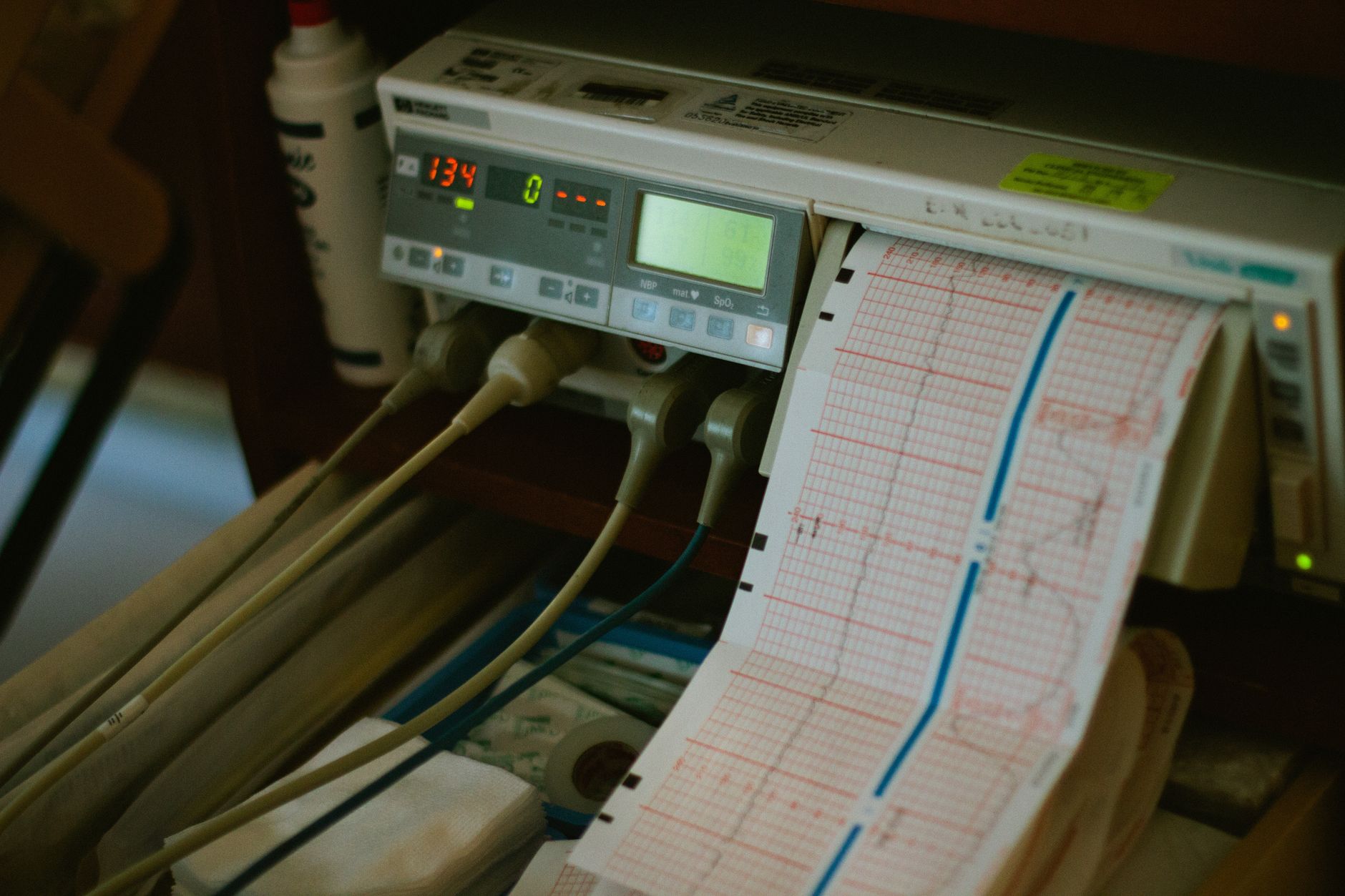
Heart rate variability (HRV)—the natural variation in time between consecutive heartbeats—is a window into autonomic nervous system function and overall cardiac health. In younger athletes, HRV is typically high, reflecting a nervous system that shifts fluidly between sympathetic (fight-or-flight) and parasympathetic (rest-and-digest) states. With age, HRV generally declines as parasympathetic tone weakens and the system becomes more “stuck” in a sympathetic-dominant state. A 25-year-old runner might have an HRV of 80-100 milliseconds; a fit 65-year-old runner might have an HRV of 30-50 milliseconds. This decline reflects less efficient autonomic regulation and a nervous system that is slower to shift gears between effort and recovery.
The practical consequence of declining HRV is that aging runners often struggle with recovery and are more prone to overtraining. The same training stimulus that an athlete tolerated at 30 may require more recovery time at 60, in part because their nervous system is less efficient at downregulating arousal after hard efforts. Monitoring HRV can help older athletes recognize when they are under-recovered and at risk of illness or performance decrement. One specific example is a 58-year-old marathoner who noticed his HRV dropping from his baseline of 45 milliseconds to 25 milliseconds; upon reflection, he realized he was averaging only 5.5 hours of sleep per night and his training volume had crept up 15% in three weeks. When he reduced volume and prioritized sleep, his HRV rebounded and his training performance improved. This demonstrates that HRV is not just a number but a tool for self-awareness in aging athletes.
Smart Training Strategies for Maintaining Cardiovascular Fitness in Older Runners
Aerobic training remains the gold standard for preserving cardiovascular adaptations with age, but the implementation must account for changing physiology. Longer, slower runs—the backbone of most runners’ weekly volume—continue to build aerobic base and preserve VO2 max even in older athletes, but the recovery demand from these efforts increases. A 55-year-old runner might need 48-72 hours of reduced intensity between two longer runs, whereas at 35 they might have recovered in 24-36 hours. High-intensity interval training (HIIT) and tempo runs remain valuable for maintaining cardiovascular power and max aerobic power, but the frequency and volume should typically decrease with age to avoid excessive stress and allow recovery. Research suggests that one high-intensity session per week is often optimal for runners over 50, compared to two or three sessions for younger athletes.
Cross-training and strength work take on added importance in aging athletes because they address cardiovascular adaptations indirectly. Strength training, particularly resistance work, helps maintain cardiac function and reduces arterial stiffness through mechanisms beyond just running. For example, a 62-year-old runner who added two 30-minute sessions of lower-body resistance training per week saw measurable improvements in leg power output and reported feeling stronger on climbs; over six months, her running pace at threshold effort improved despite no increase in running volume. Conversely, runners who continue high mileage without strength work often see a steady erosion of power and economy. The trade-off is time: adding strength requires either accepting reduced running volume or adding time to weekly training. Most aging runners benefit from choosing quality running work and targeted strength over high volume alone.
Common Age-Related Cardiovascular Issues and When to Seek Medical Evaluation
Atrial fibrillation (AFib) is a common cardiac arrhythmia that increases in prevalence with age and, somewhat paradoxically, in endurance athletes who have trained at high volume for decades. AFib is characterized by irregular, often rapid heart rate and can cause palpitations, shortness of breath, and reduced exercise capacity. While the exact mechanism linking endurance training to AFib is not fully understood, it may involve atrial remodeling from sustained high heart rates and autonomic nervous system changes. A warning here is critical: any runner experiencing palpitations, lightheadedness, or unexplained changes in resting heart rate should seek medical evaluation rather than assuming it is a training effect. Some runners continue training with undetected AFib, unknowingly placing stress on their hearts; early detection and management can prevent complications.
High blood pressure, or hypertension, becomes increasingly common with age and is partly a consequence of arterial stiffness and endothelial dysfunction. The limitation runners face is that exercise, while beneficial, does not reliably prevent or resolve hypertension on its own; some older runners maintain high blood pressure despite consistent training. In these cases, antihypertensive medications are often necessary and should not be avoided out of concern for performance. In fact, proper blood pressure management allows runners to train more safely and consistently. Additionally, age-related left ventricular hypertrophy—a thickening of the heart’s main pumping chamber in response to sustained high blood pressure—can eventually impair the heart’s ability to relax and fill, leading to diastolic heart failure. This is a particular risk for masters runners with untreated hypertension and high training volumes, because the additional cardiac stress from intense exercise accelerates the pathological remodeling.
Recovery, Cardiac Stress, and the Importance of Adequate Rest Days
As cardiac function declines with age, the heart’s need for recovery between hard efforts increases proportionally. The left ventricle requires time to repair micro-damage, restore glycogen stores, and reduce circulating inflammatory markers after intense exercise. Recovery days—days of easy running, cross-training, or complete rest—are not optional for aging athletes; they are a structural component of training that becomes more essential with each passing year. A specific example is a 60-year-old ultramarathoner who habitually took one full rest day per week but maintained 5-6 days of moderate-to-hard running. After experiencing chest discomfort during a long run and undergoing cardiac testing (which revealed no structural disease but elevated circulating troponin, a marker of cardiac stress), he added a second rest day per week and reduced high-intensity volume. His cardiac biomarkers normalized, his perceived effort on the same-pace runs decreased, and his performance improved over the subsequent months.
This demonstrates that more rest is not laziness but a legitimate training adaptation for older athletes. Sleep becomes another critical component of cardiovascular recovery in aging athletes. Sleep disruption—whether from poor sleep quality, reduced quantity, or sleep disorders like sleep apnea (which becomes more common with age)—impairs parasympathetic recovery and leaves the heart in a state of elevated sympathetic tone. Poor sleep also reduces nitric oxide production and accelerates arterial stiffness. Older runners who prioritize 7-9 hours of quality sleep per night report better recovery, lower resting heart rate, higher HRV, and improved training performance. For runners who struggle with sleep, addressing underlying causes—through evaluation for sleep apnea, adjustment of training timing, or consulting a sleep specialist—can be as valuable as any training intervention.
The Long-Term View: Lifespan Benefits and the Future of Masters Running
Despite the inevitable declines in peak performance that come with age, evidence consistently shows that runners who maintain cardiovascular training throughout their lives have substantially longer lifespans and better quality of life than sedentary peers. Studies of masters runners reveal that the cardiovascular benefits of consistent aerobic training—improved endurance capacity, better blood pressure regulation, preserved arterial compliance, and enhanced autonomic function—translate into a 3-5 year lifespan advantage compared to sedentary adults of the same age. This is not a small effect and reflects the profound impact that cardiovascular fitness has on overall health and mortality risk.
The field of exercise physiology continues to evolve, and emerging research is uncovering novel ways that aging cardiovascular systems adapt to sustained training. Studies suggest that combining high-intensity interval training, steady-state aerobic work, strength training, and adequate recovery may be more effective at preserving cardiovascular function than single-mode training approaches. Additionally, personalized medicine and the use of biomarkers like VO2 max, arterial stiffness measurements, and HRV may soon allow runners to tailor training to their individual aging profile rather than following age-based guidelines. For now, the principle is clear: the cardiovascular system remains plastic and adaptable well into advanced age, and the training stimulus and recovery practices older runners choose directly shape how their hearts age.
Conclusion
The cardiovascular adaptations that accompany aging—declining VO2 max, arterial stiffness, reduced heart rate variability, and altered autonomic function—are real physiological changes that every runner must acknowledge and account for. However, these adaptations are not a sentence to decline. Consistent aerobic training, strategic high-intensity work, strength training, and adequate recovery can slow or partially reverse many age-related changes and allow runners to maintain fitness and performance well into their 60s, 70s, and beyond.
The key is understanding that training needs change with age, that recovery becomes more important than volume, and that listening to biomarkers like resting heart rate, HRV, and perceived effort is essential for long-term success. For runners over 50, the path forward is not to abandon the sport but to train smarter: prioritize quality work over quantity, include consistent strength training, take adequate rest days, prioritize sleep, and monitor for warning signs of overtraining or cardiac stress. By doing so, you honor the remarkable plasticity of your cardiovascular system and position yourself for decades of healthy, sustainable running.
Frequently Asked Questions
At what age does cardiovascular decline become noticeable in runners?
Most runners begin to notice a small decrease in max aerobic power and faster recovery times in their late 40s and early 50s. However, this does not mean you are getting slower—consistent training can maintain performance well into your 60s and beyond.
Can I prevent arterial stiffness with exercise?
You cannot completely prevent it, as it is a normal part of aging, but consistent aerobic training and strength training preserve arterial compliance far better than sedentary aging. Runners who maintain training have significantly less arterial stiffness than sedentary peers of the same age.
Is high-intensity training safe for older runners?
High-intensity training is safe for older runners in good health, but frequency and volume should typically decrease with age. One high-intensity session per week is often sufficient for runners over 60, with adequate recovery between sessions. Always consult with a physician before beginning a new training program.
Why do I need more recovery as I get older?
Aging reduces the nervous system’s ability to shift between effort and recovery states, impairs cardiac function’s capacity to tolerate repeated high stress, and decreases the efficiency of repair processes. This means your heart and body need more time to adapt and recover between hard efforts.
How can I monitor if I’m overtraining as an aging athlete?
Track resting heart rate, heart rate variability (if you have a device), sleep quality, perceived effort on routine runs, and mood or motivation. A rising resting heart rate, declining HRV, poor sleep, or an increase in perceived effort on easy runs are signs of inadequate recovery. When you notice these changes, reduce training volume or intensity.
Should older runners worry about atrial fibrillation?
While AFib risk increases with age and there is a small increased risk in endurance athletes, the vast majority of older runners do not develop AFib. However, any new onset of palpitations, lightheadedness, or irregular heart rate should be evaluated by a physician rather than ignored.
1 thought on “Cardio Adaptations the Body Makes With Age”
Comments are closed.