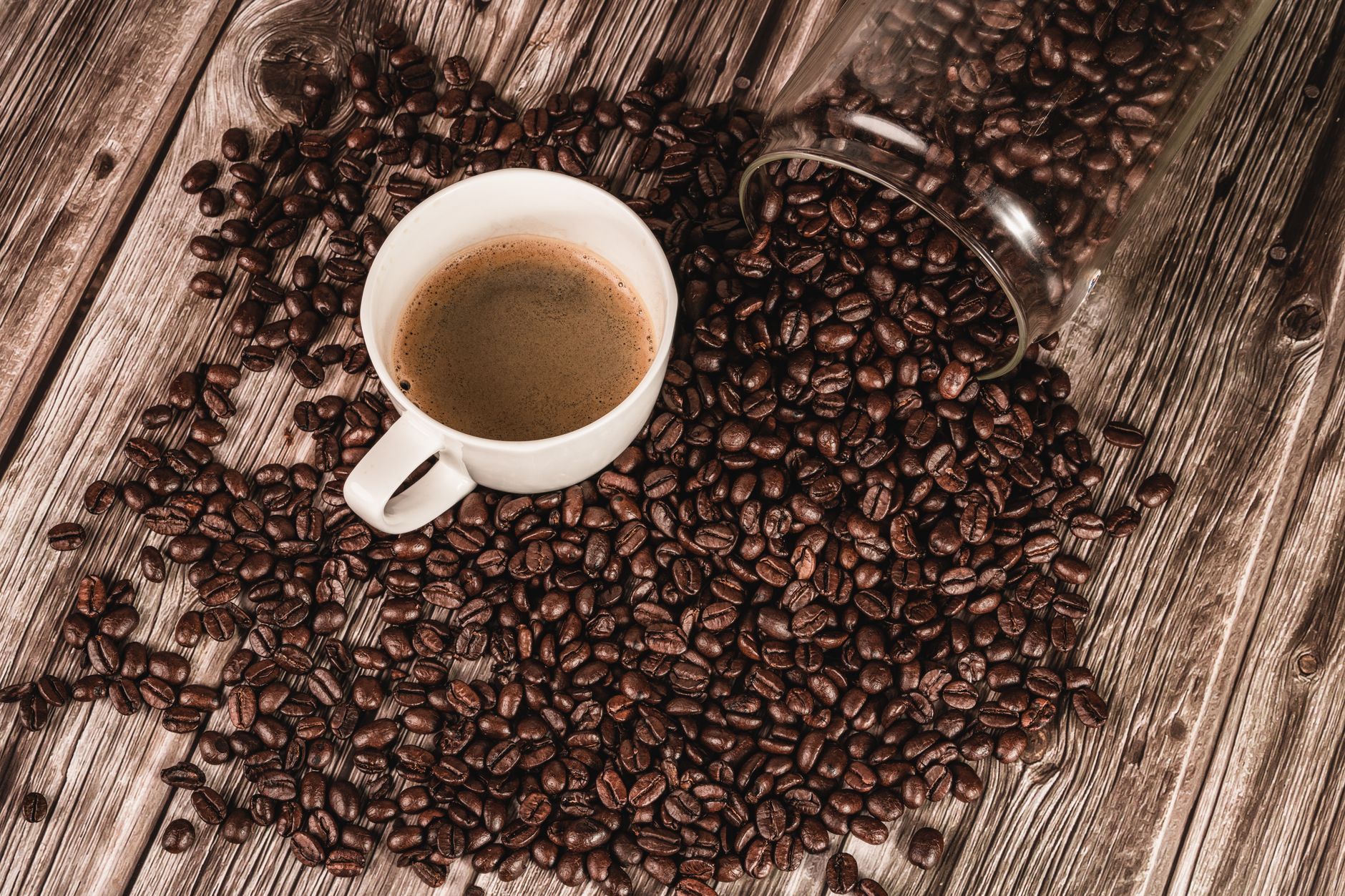
For runners with a 10 p.m. bedtime, the practical caffeine cutoff — the latest time for coffee without harming sleep — is about 2 p.m.
Late coffee shortens total and deep sleep and leaves you less refreshed for recovery. Sleep loss directly slows recovery because muscles repair and adapt during deep, continuous sleep. Afternoon caffeine stays partly active at night, so morning training can still suffer from a late cup the day before.
Medical information disclaimer: This article is for general educational purposes only and does not provide medical advice, diagnosis, or treatment. Always consult a physician or other qualified health professional about symptoms, medications, tests, or treatment decisions.
Table of Contents
- How much sleep does late caffeine cost?
- Why do you feel awake but recover poorly?
- Will caffeine help an evening workout?
- What time should you stop drinking coffee?
How much sleep does late caffeine cost?
In 12 healthy normal sleepers, 400 mg of caffeine taken even 6 hours before bed cut total sleep by over 1 hour, according to the American Academy of Sleep Medicine in a summary of the 2013 sleep study. The same doses taken 3 hours and right before bed disrupted objectively measured sleep even more.
A larger picture comes from Gardiner and colleagues, whose 2023 meta-analysis of 24 studies found caffeine averaged 45 minutes less total sleep in the full caffeine and sleep meta-analysis. Sleep efficiency fell 7 percent, sleep onset took 9 minutes longer, wake after sleep onset rose 12 minutes, and deep sleep fell 11.4 minutes.
Why do you feel awake but recover poorly?
Caffeine blocks adenosine receptors that build sleep pressure during the day. That delay makes falling asleep harder and shortens restorative slow-wave sleep.
The trap for runners is perception. Drinkers often report sleeping fine while objective measures show lighter, broken sleep. You wake less refreshed, with less overnight repair for muscles, tendons, and the nervous system.
Will caffeine help an evening workout?
For trained runners, probably not enough to justify the cost. In one evening 800-m trial, 6 mg per kg of body weight before the run did not improve performance but significantly impaired subjective sleep quality, calm sleep, ease of falling asleep, and feeling refreshed on waking, reported by Nutrients in the evening running trial report.
Cycling data show the same tradeoff more sharply. A 2026 systematic review found evening 6 mg per kg could improve time-trial output yet prolonged sleep latency from 10.2 to 51.1 minutes and cut sleep efficiency. For runners training again within 24 hours, that lost night often costs more than race-day gain.
What time should you stop drinking coffee?
Use bedtime minus 8 hours as a starting rule. From a dose-timing model, a standard 107-mg coffee must finish about 8.8 hours before bed and a 217-mg pre-workout about 13.2 hours before bed to avoid meaningful loss. For a 10 p.m.
bedtime, that means regular coffee by about 1:10 p.m. Individual range is wide because caffeine is cleared in the liver by CYP1A2, with average half-life of 5 to 6 hours but a 2 to 10 hour range by genetics, age, sex, smoking, and medications. The landmark 6-hour finding also used only 12 healthy sleepers and a high 400-mg dose, about 2 to 3 coffees.
- Set an 8-hour cutoff: 2 p.m. for 10 p.m. sleep, 3 p.m. for 11 p.m. sleep.
- Cap the day under 400 mg total caffeine.
- Move long runs and hard sessions to morning when you want a pre-run boost.
- Switch afternoon cravings to water, milk, or decaf after cutoff.