Runner Completes 650-Kilometer Ultramarathon Race Dedicated to Two Deceased Friends Memory
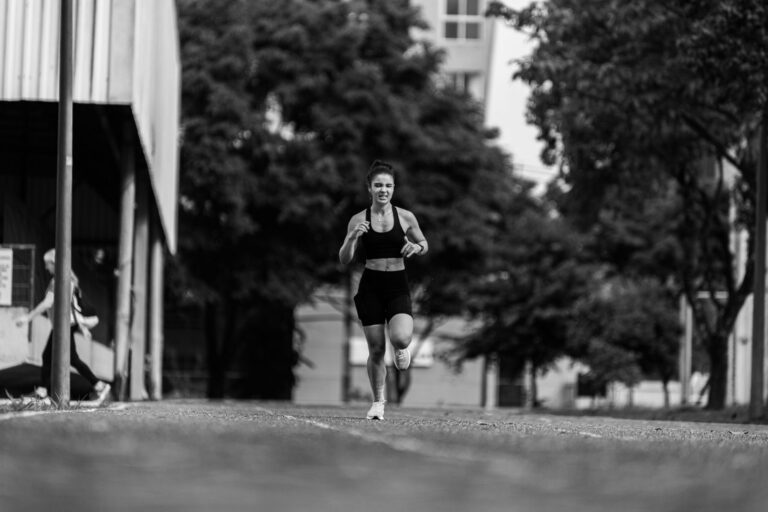
One runner's 650-kilometer dedication became a physical testament to friendship and loss.

One runner's 650-kilometer dedication became a physical testament to friendship and loss.

You're absolutely never too old to start running. Whether you're 55, 65, or older, your body retains the capacity to adapt to running and improve...

Running performance doesn't decline in your 30s if you adjust training, prioritize recovery, and build strength.
Your fitness log is telling you a story about who you are as a runner, but probably not the story you think you're tracking.
Progress is easier to see than you think because you're already generating the data—you just haven't organized it yet.
After logging over 500 intensity minutes through a combination of tempo runs, interval workouts, and high-intensity training sessions, the most important...

Intensity minutes—the time you spend doing moderate to vigorous exercise—can serve as a useful health predictor, but they're far from a crystal ball.

Recording every workout matters because it transforms your running from guesswork into a data-driven practice that reveals patterns you cannot see from...

Intensity minutes forced me to confront a reality I'd been avoiding: my body's capacity for sustained effort has changed in ways I can't ignore or outrun.
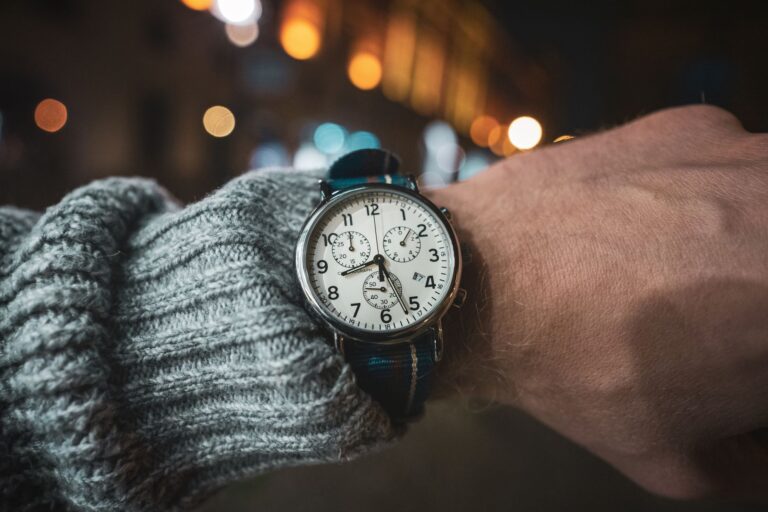
Weekly intensity minutes reveal your progress by measuring the most demanding work your body does during running—not how far you go, but how hard you push.