Progress Is Measured in Weeks, Not Days

Progress in running is measured in weeks, not days, because your body needs time to adapt to the training stress you're placing on it.

Progress in running is measured in weeks, not days, because your body needs time to adapt to the training stress you're placing on it.

After injury, the path back to running requires patience with tissue healing phases, not just calendar days—plus fixing the biomechanical factors that caused the injury in the first place.

The compounding effect of daily exercise works like financial interest for your body—small, consistent efforts multiply into dramatic results over time.

While this isn't purely biological destiny—training can shift energy metabolism significantly—many male runners train with insufficient attention to fat...

Oregon runner Simeon Birnbaum partners with Diadora, demonstrating how NIL deals are reshaping college athletics beyond Nike's traditional dominance.

Returning to running after injury requires patience and a structured plan that prioritizes tissue healing over ambition.

Missing a single workout won't derail your fitness progress or reverse your improvements. Your body adapts to training over weeks and months, not days.

The best time to start exercising is today, not tomorrow or next Monday. This isn't motivational rhetoric—it's backed by biology.

Returning to running after injury requires patience, progressive loading, and listening to delayed-onset signals your body sends—not just acute pain.
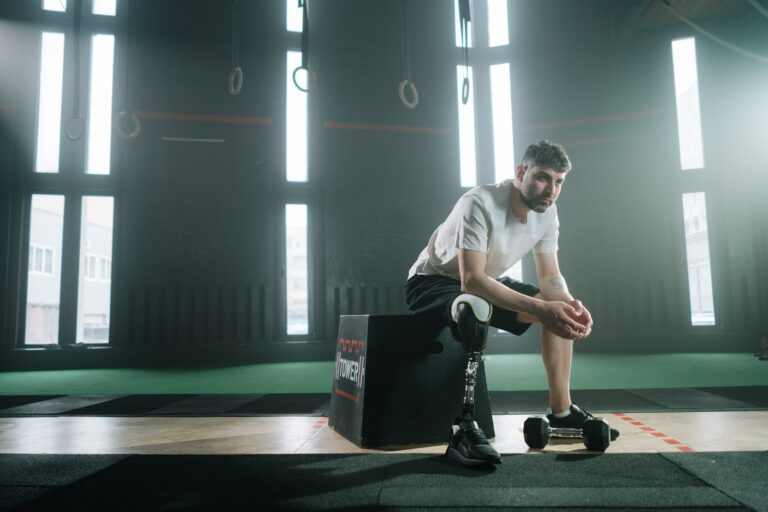
Your future self is being built right now, one workout at a time. The choices you make today—whether you exercise, rest, or stay sedentary—directly shape...