Understanding why outdoor running shoes often fail during long treadmill runs can save runners from discomfort, injury, and wasted money on footwear that simply isn’t designed for belt-based surfaces. Many runners assume their trusted trail shoes or road runners will perform identically on a treadmill, only to discover blisters, hot spots, and premature wear after just a few extended sessions. The biomechanics of treadmill running differ substantially from outdoor running, and shoes engineered for asphalt, concrete, or dirt trails don’t always translate well to the unique demands of motorized belt surfaces. This disconnect between footwear and surface creates real problems for the growing population of indoor runners.
Whether driven indoors by weather, safety concerns, or convenience, millions of runners rely on treadmills for significant portions of their training. Yet the fitness industry rarely addresses the mismatch between outdoor-optimized footwear and treadmill-specific requirements. Runners push through discomfort, assuming the problem lies with their form or conditioning rather than their shoe choice. By the end of this article, readers will understand the mechanical and thermal differences between treadmill and outdoor running, recognize why certain shoe features become liabilities on a belt, and learn how to select or modify footwear for successful long treadmill sessions. The goal isn’t to sell anyone on specialized treadmill shoes but to provide the knowledge needed to make informed decisions about existing footwear and future purchases.
Table of Contents
- Why Do Outdoor Running Shoes Perform Differently on Treadmills?
- The Treadmill Belt Factor and Shoe Outsole Compatibility
- Heat and Ventilation Challenges During Long Treadmill Sessions
- How to Choose Running Shoes That Perform on Both Treadmills and Roads
- Common Treadmill Running Shoe Problems and How to Avoid Them
- The Role of Running Form in Treadmill Shoe Performance
- How to Prepare
- How to Apply This
- Expert Tips
- Conclusion
- Frequently Asked Questions
Why Do Outdoor Running Shoes Perform Differently on Treadmills?
The fundamental reason outdoor running shoes struggle on treadmills relates to how the running surface itself behaves. On roads and trails, the ground remains stationary while the runner propels forward. On a treadmill, the belt moves backward beneath the feet, altering the forces experienced during each stride. This seemingly minor difference changes how shoes interact with the surface, particularly during the toe-off phase when propulsive force peaks.
Outdoor running shoes are engineered with outsole compounds and tread patterns optimized for grip on variable surfaces””wet pavement, loose gravel, uneven terrain. These aggressive traction features become counterproductive on the consistent, high-friction surface of a treadmill belt. Rather than providing security, the grippy rubber creates excessive friction that generates heat and causes the shoe to “stick” momentarily during push-off. This sticking action places abnormal stress on the upper materials and increases internal foot temperatures.
- **Surface Interaction Differences**: Treadmill belts have a coefficient of friction typically higher than most outdoor surfaces, causing outsoles designed for varied terrain to grip excessively and create drag.
- **Altered Gait Mechanics**: Research from the Journal of Sports Sciences indicates runners naturally shorten their stride length by approximately 3-4% on treadmills, changing how weight distributes across the shoe’s midsole.
- **Heat Accumulation Factors**: The consistent friction between shoe and belt, combined with zero airflow beneath the foot, creates thermal conditions outdoor shoes weren’t designed to manage.
The Treadmill Belt Factor and Shoe Outsole Compatibility
Treadmill belts consist of layered materials””typically a woven fabric base with PVC or rubber coating””designed to balance durability, cushioning, and consistent friction. This engineered surface responds differently to footwear than natural or constructed outdoor surfaces. The belt’s slight give under foot strike, combined with its backward movement, creates shear forces that outdoor shoe outsoles handle poorly.
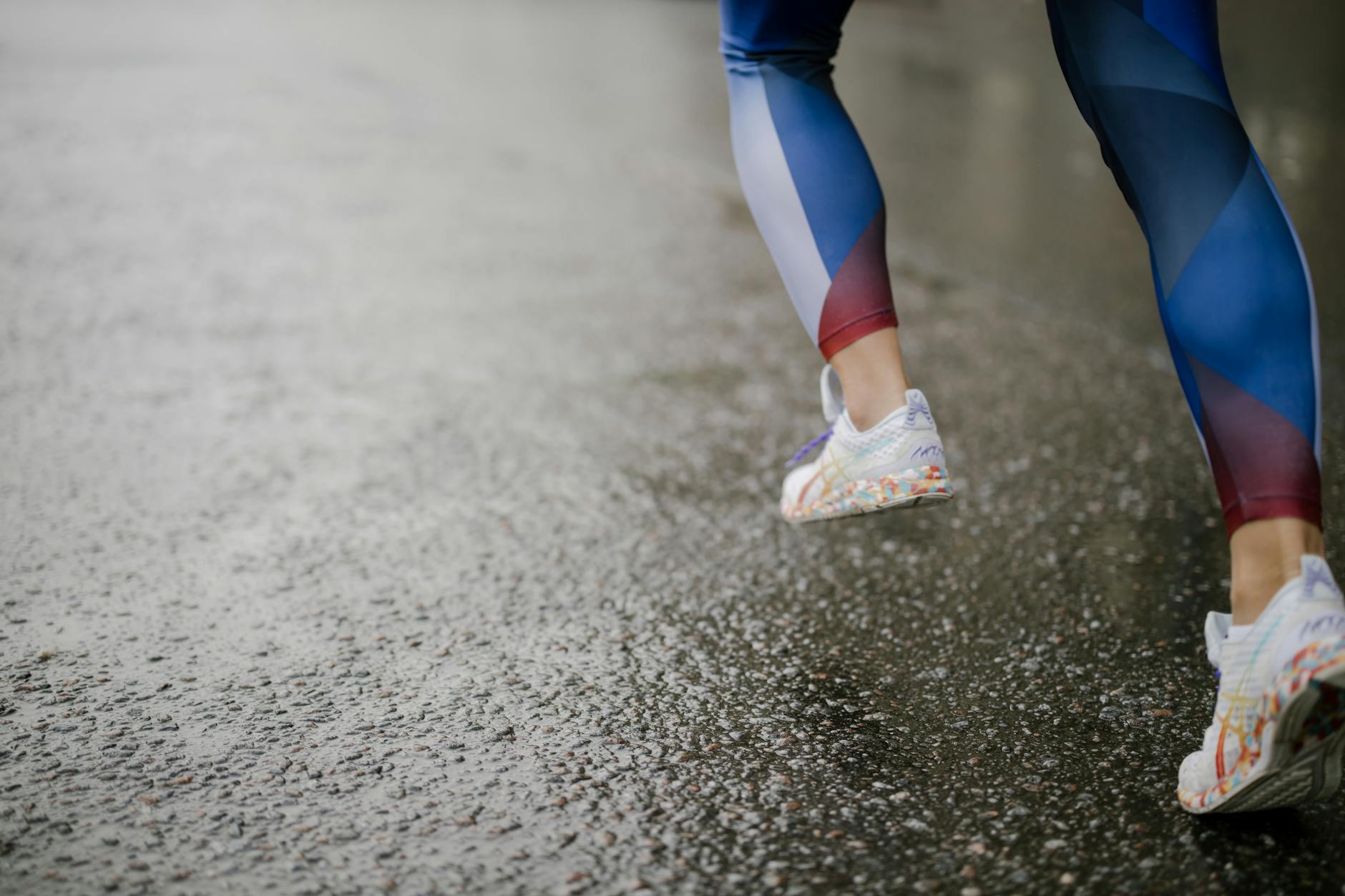
Most outdoor running shoes feature carbon rubber outsoles with pronounced lugs or multi-directional tread patterns. These designs excel at gripping unpredictable surfaces but create problems on uniform treadmill belts. The aggressive tread catches and releases with each foot strike, producing a subtle but cumulative dragging sensation. Over long runs, this resistance pattern fatigues lower leg muscles differently than outdoor running and accelerates outsole wear in concentrated areas rather than distributing it evenly.
- **Rubber Compound Mismatch**: Trail shoe outsoles use sticky rubber compounds rated 30-40 on the Shore A hardness scale, while treadmill-optimized shoes typically use harder compounds (50-60 Shore A) that slide more freely across belt surfaces.
- **Tread Pattern Problems**: Deep lugs designed to shed mud and grip loose surfaces trap heat against the belt and create uneven pressure distribution during the stance phase.
- **Wear Pattern Acceleration**: A 2019 analysis by Runner’s World found that outdoor shoes used primarily on treadmills showed 40% faster outsole degradation in the forefoot region compared to identical shoes used outdoors.
Heat and Ventilation Challenges During Long Treadmill Sessions
Extended treadmill running creates a thermal environment fundamentally different from outdoor running. Without natural wind passing over the feet during forward movement, heat builds rapidly inside the shoe. The treadmill surface itself warms from continuous friction, and most indoor environments lack the convective cooling that outdoor runners experience even on calm days.
This combination pushes foot temperatures significantly higher during treadmill sessions of 45 minutes or longer. Outdoor running shoes incorporate ventilation features based on assumptions about airflow patterns during forward motion. Mesh panels positioned to capture air as the foot moves forward lose their effectiveness when the runner remains stationary relative to the surrounding air. The breathable uppers that keep feet comfortable during outdoor runs become inadequate for the stagnant air conditions of treadmill use, leading to excessive moisture accumulation and elevated skin temperatures.
- **Temperature Differentials**: Studies measuring in-shoe temperatures found averages 8-12 degrees Fahrenheit higher during treadmill running versus outdoor running at equivalent paces and durations.
- **Moisture Accumulation**: Foot sweat production increases by approximately 20% in the elevated thermal conditions of treadmill running, overwhelming the wicking capabilities of standard sock and shoe combinations.
How to Choose Running Shoes That Perform on Both Treadmills and Roads
Selecting footwear that handles both environments requires understanding which features matter most for each surface and where compromises can be made. The ideal dual-purpose shoe balances adequate outdoor traction with a smooth enough outsole profile to minimize treadmill friction. Several categories of running shoes achieve this balance better than others.
Road running shoes with minimal tread depth represent the strongest starting point for dual-surface runners. Look for outsoles with flat or barely textured profiles rather than pronounced lugs. The rubber compound should feel firm rather than tacky when pressed with a fingernail. Uppers constructed primarily from engineered mesh””rather than woven textiles or leather overlays””provide the best combination of support and breathability for varying conditions.
- **Outsole Profile Selection**: Shoes with less than 3mm of tread depth and smooth transition zones between heel and forefoot perform best across both surfaces.
- **Upper Material Priorities**: Single-layer engineered mesh uppers with minimal overlays allow heat dissipation while maintaining structural integrity during lateral movements.
- **Midsole Considerations**: Firmer midsole foams (EVA-based rather than TPU-based) compress less against treadmill belts, reducing the “sinking” sensation that causes fatigue during long sessions.
- **Weight and Flexibility Factors**: Lighter shoes under 10 ounces typically generate less heat through reduced material friction and allow more natural foot mechanics on both surfaces.
Common Treadmill Running Shoe Problems and How to Avoid Them
Beyond the fundamental design mismatches, specific failure modes consistently appear when outdoor shoes meet treadmill belts. Recognizing these problems helps runners identify whether their current footwear is appropriate for indoor use and take corrective action before injuries develop. Blister formation on the ball of the foot and under the big toe represents the most common complaint among treadmill runners using outdoor shoes. The combination of elevated heat, increased friction, and altered push-off mechanics creates ideal conditions for skin breakdown.
Hot spots often appear first””areas of redness and sensitivity””progressing to fluid-filled blisters if running continues. The outsole sticking mentioned earlier causes the foot to slide slightly within the shoe during each stride, creating repetitive microtrauma. Upper separation from the midsole platform occurs with surprising frequency in outdoor shoes used extensively on treadmills. The constant friction and heat stress the adhesive bonds differently than outdoor use, particularly at the toe box where push-off forces concentrate. Shoes that would last 400-500 miles outdoors may show separation at 200-300 miles of treadmill use.
- **Premature Foam Breakdown**: Midsole foams exposed to consistent treadmill heat compress unevenly, losing cushioning properties faster in high-contact zones.
- **Heel Counter Deformation**: The different landing mechanics of treadmill running place lateral stress on heel counters, causing them to soften and lose their supportive shape.
The Role of Running Form in Treadmill Shoe Performance
Shoe selection represents only part of the equation for successful long treadmill runs. Running form adaptations can reduce the stress placed on outdoor shoes when treadmill-specific options aren’t available or practical. Minor adjustments to stride mechanics help compensate for the shoe-surface mismatch without compromising running economy.
Increasing cadence by 5-10% while slightly reducing stride length decreases ground contact time and the associated friction per stride. This modification reduces heat generation and minimizes the outsole sticking that causes premature wear. Landing with the foot more directly beneath the body’s center of mass rather than reaching forward also reduces shear forces between shoe and belt, preserving outsole integrity and reducing the likelihood of upper separation.
How to Prepare
- **Assess Outsole Condition**: Examine the current wear pattern on your shoes before treadmill use. Shoes with worn smooth areas actually perform better on treadmills than fresh outsoles with aggressive tread, making slightly worn outdoor shoes potential candidates for indoor duty.
- **Test Grip Levels**: Place the shoe on a treadmill belt without wearing it and push forward. Excessive resistance indicates the outsole rubber is too tacky for comfortable long runs. A slight slide is actually desirable for treadmill use.
- **Check Upper Ventilation**: Hold the shoe up to light and observe how much passes through the upper mesh. If minimal light penetrates, consider designating these shoes for outdoor use only and selecting more breathable alternatives for treadmill sessions.
- **Inspect Adhesive Bonds**: Look closely at the junction between outsole, midsole, and upper. Any visible separation or lifting indicates the shoe is already stressed and will fail faster under treadmill conditions.
- **Replace Insoles Strategically**: Standard insoles compress and lose moisture-wicking capacity with use. Fresh insoles improve thermal management and can extend the useful treadmill life of outdoor shoes.
How to Apply This
- **Rotate Shoes by Surface**: Designate specific pairs for primary treadmill use and others for outdoor running. This extends overall shoe lifespan and ensures appropriate footwear for each environment.
- **Implement Gradual Transitions**: When moving from outdoor to treadmill running, start with shorter sessions (20-30 minutes) to identify potential shoe issues before committing to long runs.
- **Monitor Hot Spot Development**: Pay attention to any areas of warmth or rubbing during treadmill runs. Address these immediately with different socks, lacing adjustments, or shoe changes rather than pushing through to blister formation.
- **Adjust Environmental Conditions**: Position a fan to direct airflow across the feet during treadmill runs. This external cooling partially compensates for the ventilation limitations of outdoor shoes on indoor surfaces.
Expert Tips
- Use technical running socks with synthetic moisture-wicking fibers and mesh ventilation panels for treadmill sessions, even if cotton socks suffice for outdoor runs. The reduced airflow of indoor running makes sock choice significantly more impactful.
- Apply anti-friction balm or powder to blister-prone areas before long treadmill runs when using outdoor shoes. The elevated heat and friction of treadmill surfaces make proactive protection more important than reactive treatment.
- Consider the timing of shoe purchases relative to planned training cycles. Outdoor shoes approaching 250 miles of wear often perform better on treadmills than fresh pairs due to partially worn outsoles and broken-in uppers.
- Remove shoes immediately after treadmill sessions and allow full air drying before storage. The moisture accumulated during indoor runs takes longer to evaporate than after outdoor sessions and can accelerate material breakdown if trapped inside stored shoes.
- Track treadmill and outdoor mileage separately for each pair of shoes. The different wear patterns mean shoes may be exhausted for one surface while remaining viable for the other.
Conclusion
The mismatch between outdoor running shoes and treadmill surfaces stems from fundamental differences in how these shoes interact with moving belts versus stationary ground. Heat buildup, excessive friction, altered gait mechanics, and inadequate ventilation combine to create conditions that outdoor shoes weren’t engineered to handle. Understanding these factors empowers runners to make informed decisions about footwear selection, form modifications, and expectations for shoe longevity.
Long treadmill runs don’t require specialty equipment or expensive dedicated shoes, but they do demand awareness of the unique challenges presented by belt-based running. Runners who recognize the limitations of outdoor shoes on treadmills can adapt their approach””selecting appropriate footwear, making form adjustments, managing heat, and monitoring wear patterns””to train effectively indoors without compromising comfort or accumulating unnecessary injury risk. The knowledge to run comfortably on any surface starts with understanding why shoes behave differently depending on what lies beneath them.
Frequently Asked Questions
How long does it typically take to see results?
Results vary depending on individual circumstances, but most people begin to see meaningful progress within 4-8 weeks of consistent effort. Patience and persistence are key factors in achieving lasting outcomes.
Is this approach suitable for beginners?
Yes, this approach works well for beginners when implemented gradually. Starting with the fundamentals and building up over time leads to better long-term results than trying to do everything at once.
What are the most common mistakes to avoid?
The most common mistakes include rushing the process, skipping foundational steps, and failing to track progress. Taking a methodical approach and learning from both successes and setbacks leads to better outcomes.
How can I measure my progress effectively?
Set specific, measurable goals at the outset and track relevant metrics regularly. Keep a journal or log to document your journey, and periodically review your progress against your initial objectives.
When should I seek professional help?
Consider consulting a professional if you encounter persistent challenges, need specialized expertise, or want to accelerate your progress. Professional guidance can provide valuable insights and help you avoid costly mistakes.
What resources do you recommend for further learning?
Look for reputable sources in the field, including industry publications, expert blogs, and educational courses. Joining communities of practitioners can also provide valuable peer support and knowledge sharing.