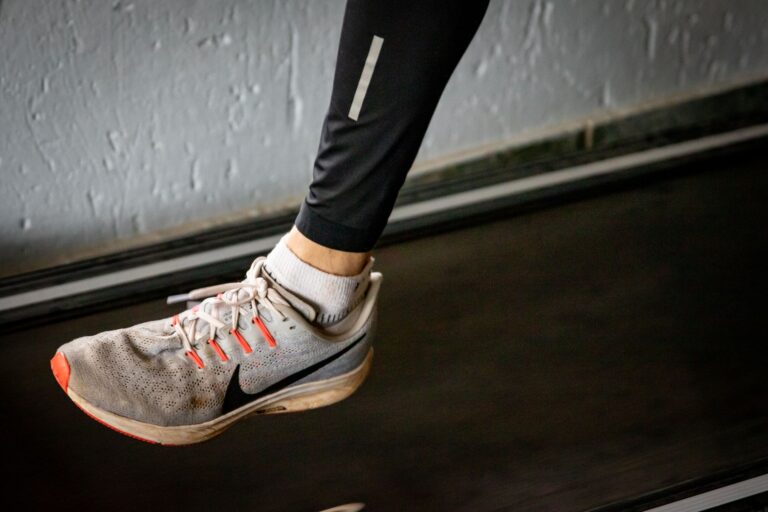
What treadmills do to running shoes differs significantly from the wear patterns created by road running, and understanding these differences can save runners money while preventing injury. The controlled environment of a treadmill creates a unique set of mechanical stresses on footwear that many runners overlook when evaluating shoe condition or planning replacements. While outdoor running exposes shoes to rocks, weather, and varied terrain, treadmill running subjects them to constant belt friction, elevated temperatures, and repetitive motion patterns that degrade materials in distinct ways. This topic matters because millions of runners split their training between treadmills and outdoor surfaces, yet most shoe replacement guidelines assume outdoor use exclusively.
The standard 300-500 mile replacement window may not apply accurately to shoes used primarily on treadmills, and the visible wear signs runners typically monitor often fail to reflect the internal degradation occurring beneath the surface. Runners who train predominantly indoors may be running on compromised cushioning long before the outsole shows obvious damage, or conversely, replacing shoes prematurely based on surface appearance rather than structural integrity. By the end of this article, readers will understand exactly how treadmill belts affect midsole compounds, outsole rubber, and upper materials differently than asphalt or concrete. The discussion covers the thermal effects of belt friction, the biomechanical implications of consistent surface contact, and practical strategies for maximizing shoe longevity across both training environments. Whether you run exclusively on treadmills, use them as a supplement to outdoor training, or manage a home gym, this information will help you make informed decisions about footwear maintenance and replacement timing.
Table of Contents
- How Do Treadmills Affect Running Shoe Wear Differently Than Roads?
- The Heat Factor: How Treadmill Belt Friction Damages Shoe Materials
- Biomechanical Differences: Stride Patterns on Treadmills Versus Roads
- Protecting Your Running Shoes From Treadmill-Specific Damage
- Common Mistakes: Why Treadmill Runners Replace Shoes at the Wrong Time
- Choosing Running Shoes Optimized for Treadmill Training
- How to Prepare
- How to Apply This
- Expert Tips
- Conclusion
- Frequently Asked Questions
How Do Treadmills Affect Running Shoe Wear Differently Than Roads?
The fundamental difference between treadmill and road running comes down to surface consistency and friction dynamics. Treadmill belts are engineered for grip, typically featuring textured rubber or PVC surfaces that create friction coefficients higher than most outdoor running surfaces. This increased grip means the outsole rubber experiences more abrasive contact per stride, even though the impact forces may be lower. Studies from footwear research laboratories indicate that treadmill belts can generate 15-20% more outsole friction than smooth asphalt surfaces, accelerating rubber degradation in specific contact zones. Road running introduces variability that actually distributes wear more evenly across the shoe. Cambered roads, uneven sidewalks, gravel patches, and natural terrain variations cause the foot to land at slightly different angles throughout a run.
This variability, while potentially creating other issues, prevents the concentrated wear patterns that develop on treadmills. Treadmill runners often notice deep grooves or smooth patches in very specific outsole locations because every stride contacts the belt at nearly identical angles. The mechanical properties of the running surface also differ substantially. Roads and sidewalks are rigid and non-compliant, meaning the shoe’s cushioning system does all the energy absorption work. Treadmill decks, particularly those with suspension systems, share the impact absorption load with the shoe’s midsole. This collaboration might seem beneficial, but it changes how midsole foams compress and recover. Some biomechanists argue that the partial unloading allows midsole materials to last longer, while others suggest the altered compression patterns accelerate certain types of foam degradation.
- Outsole rubber wears faster in concentrated zones on treadmills due to consistent foot strike patterns
- Midsole foam experiences different compression cycles when running on cushioned treadmill decks
- Upper materials face less abrasion from external debris but more stress from heat buildup
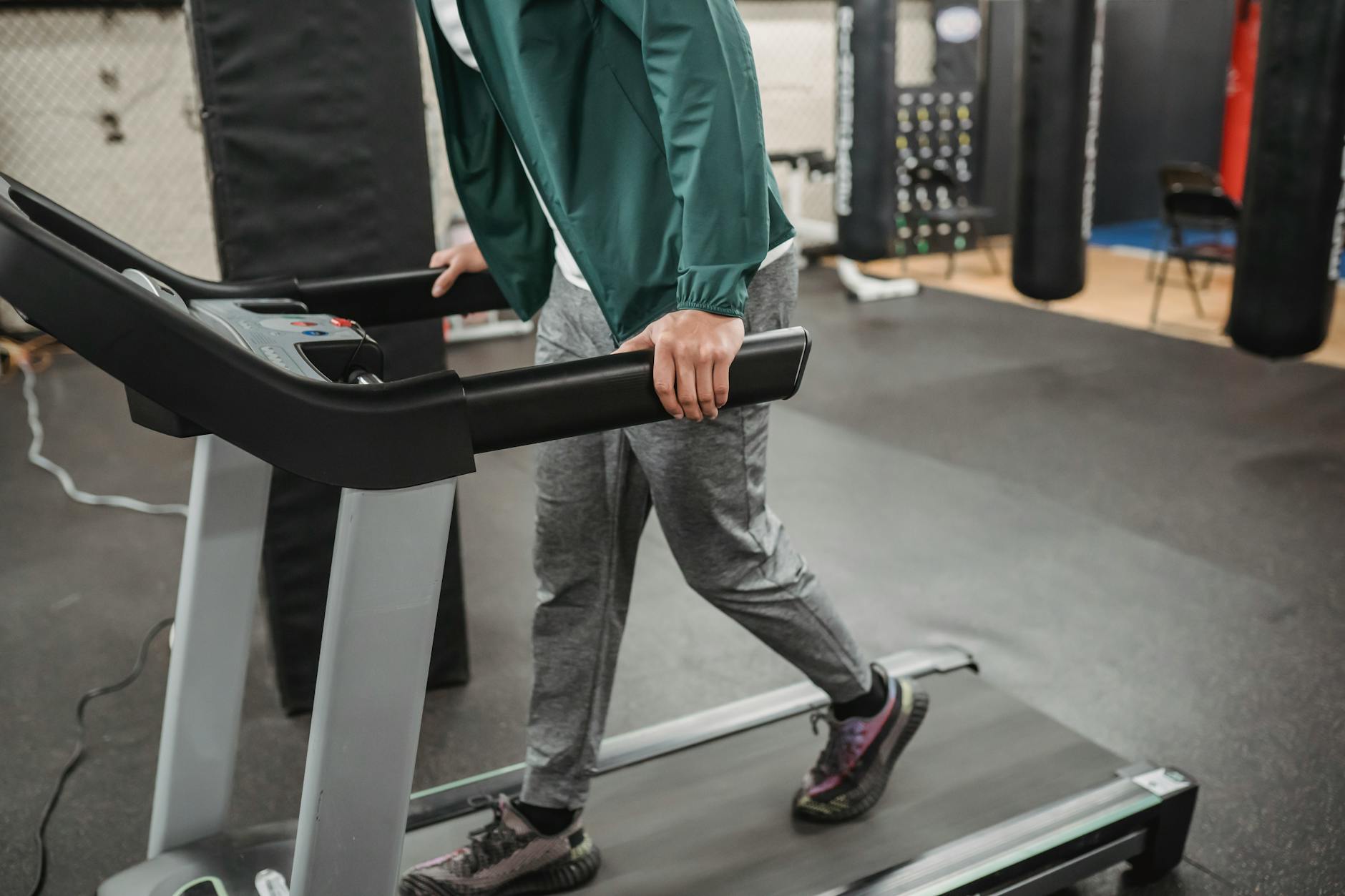
The Heat Factor: How Treadmill Belt Friction Damages Shoe Materials
Temperature represents one of the most underappreciated differences between treadmill and outdoor running shoe wear. Every foot strike on a treadmill belt generates friction heat, and this thermal energy accumulates in the outsole rubber and transfers into the midsole. Infrared measurements taken during treadmill running sessions show that outsole temperatures can reach 110-130 degrees Fahrenheit after 30 minutes of continuous running, compared to 80-95 degrees during equivalent outdoor runs in moderate weather. This temperature differential has significant implications for material longevity. EVA foam, the most common midsole material, begins to lose its elastic properties when repeatedly heated above 100 degrees Fahrenheit. The foam’s cell structure, which provides cushioning through controlled compression, becomes permanently deformed more quickly under thermal stress.
Runners on treadmills may notice their shoes feeling “flat” or “dead” earlier in their lifespan than the mileage would suggest. The cushioning hasn’t necessarily compressed through mechanical wear alone; the heat has accelerated the degradation process. Newer foam technologies like TPU-based materials demonstrate better heat resistance, but they’re not immune to thermal degradation. The heat effect extends to adhesives bonding shoe components together. Modern running shoes rely on heat-activated adhesives to attach midsoles to outsoles and secure overlays on uppers. Repeated exposure to elevated temperatures can soften these bonds, leading to delamination that wouldn’t occur as quickly in outdoor use. Runners who notice their shoes literally coming apart at the seams after treadmill-heavy training cycles aren’t imagining things; the environment genuinely stresses adhesive systems differently than road running does.
- Belt friction generates 20-35 degrees more heat than outdoor running surfaces
- EVA foam degrades faster when repeatedly exposed to temperatures above 100 degrees Fahrenheit
- Shoe adhesives may weaken prematurely under sustained thermal cycling
Biomechanical Differences: Stride Patterns on Treadmills Versus Roads
The treadmill belt moves beneath the runner rather than the runner propelling themselves across a static surface, and this distinction creates subtle but meaningful biomechanical differences. Research from gait analysis laboratories shows that treadmill running typically produces shorter stride lengths and higher cadences compared to overground running at equivalent speeds. These changes alter how forces distribute across the shoe with each ground contact, concentrating stress in different locations than road running would. On roads, runners push off against a fixed surface, generating horizontal propulsive forces that stress the forefoot region of the shoe. Treadmill running reduces this propulsive demand because the belt assists with horizontal movement.
Instead, runners experience relatively higher vertical loading and less anterior-posterior force variation. This shift means the heel and midfoot sections of the shoe may absorb proportionally more impact energy on treadmills, while forefoot wear patterns develop differently than outdoor running would predict. The perfectly flat, uniform surface of a treadmill also eliminates the natural foot adjustments that occur during outdoor running. Every stride lands on an identical surface at an identical angle, creating repetitive stress concentrations. Road running’s variability forces continuous micro-adjustments in foot placement, engaging stabilizer muscles and distributing forces across broader areas of the shoe. This is why treadmill runners sometimes develop very localized wear spots while outdoor runners see more diffuse patterns across the entire outsole.
- Stride length decreases and cadence increases on treadmills compared to road running
- Vertical loading patterns change, affecting midsole compression zones
- Repetitive identical foot strikes create concentrated wear spots rather than distributed degradation
Protecting Your Running Shoes From Treadmill-Specific Damage
Proactive measures can significantly extend shoe lifespan for runners who train primarily on treadmills. The first priority involves managing heat buildup, which accelerates nearly every form of material degradation. Allowing adequate cooling time between runs gives midsole foams an opportunity to recover their elastic properties. Running shoes used on treadmills should rest at least 24 hours between sessions, and runners who train daily should consider rotating between two pairs to ensure proper recovery time for each. Proper treadmill maintenance also affects shoe longevity. A well-lubricated treadmill belt generates less friction and therefore less heat during foot strikes.
Belts that have become worn, dried out, or improperly tensioned create substantially more friction than properly maintained surfaces. Runners using gym equipment should pay attention to belt condition; a squeaking or grabbing belt is damaging shoes faster than a smooth, well-maintained one. Home treadmill owners should follow manufacturer lubrication schedules religiously. Adjusting running form can mitigate some treadmill-specific wear patterns. Consciously varying foot strike location, using slight incline variations throughout workouts, and occasionally running at different speeds all help distribute forces more broadly across the shoe. Some runners find that setting a 1-2% incline better mimics outdoor running biomechanics and prevents the stride pattern changes that create concentrated wear zones. These small modifications won’t eliminate treadmill-specific damage but can meaningfully extend the functional lifespan of running shoes.
- Rotate between multiple pairs to allow 24+ hours of recovery between treadmill sessions
- Ensure treadmill belts are properly maintained and lubricated
- Use slight incline variations and speed changes to distribute wear more evenly
Common Mistakes: Why Treadmill Runners Replace Shoes at the Wrong Time
Many runners evaluate shoe condition based on outsole appearance, checking for worn rubber or smooth spots that indicate replacement time. This assessment method fails for treadmill-heavy training because treadmill belts often create less visible outsole wear than roads while simultaneously causing more internal midsole degradation. A shoe used primarily on treadmills might look nearly new on the bottom while the cushioning system has already lost 30-40% of its energy return capacity. Runners relying on visual inspection alone frequently train on compromised footwear. The opposite error also occurs. Treadmill belts can create distinctive wear marks that appear severe but don’t actually indicate structural compromise. The high-friction surface sometimes burnishes rubber smooth or creates grooved patterns that look alarming without corresponding cushioning loss.
Runners who replace shoes based on these surface marks may be discarding footwear with significant functional life remaining. Understanding that treadmill wear signatures differ from road wear helps runners interpret what they’re seeing more accurately. Generic mileage guidelines present another source of confusion. The standard 300-500 mile replacement recommendation comes primarily from road running research and doesn’t account for the different stress patterns of treadmill use. Some evidence suggests that the reduced impact forces of cushioned treadmill decks allow midsoles to maintain their properties longer, potentially extending usable life beyond 500 miles. Conversely, heat-related degradation might shorten lifespan below 300 miles for high-volume treadmill runners. The most reliable approach involves paying attention to how shoes feel rather than adhering rigidly to mileage numbers.
- Outsole appearance is a poor indicator of internal cushioning condition for treadmill shoes
- Surface wear marks from treadmill belts may look worse than they functionally are
- Standard mileage replacement guidelines don’t account for treadmill-specific stress patterns

Choosing Running Shoes Optimized for Treadmill Training
Not all running shoes perform equally well on treadmills, and runners who train predominantly indoors can benefit from selecting footwear with specific characteristics. Heat resistance becomes a priority consideration. Shoes featuring TPU-based foams like Adidas Boost or PEBA-based materials like Nike ZoomX demonstrate better thermal stability than traditional EVA compounds. While these technologies carry higher price points, the improved heat resistance may translate to longer functional lifespans in treadmill environments, potentially offsetting the initial cost difference. Outsole rubber composition also matters differently for treadmill use. Road running shoes often feature high-abrasion rubber compounds designed to resist concrete and asphalt degradation.
These hard rubbers perform adequately on treadmills but may be overkill for the softer belt surface. Some runners find that lighter, softer rubber compounds work well for treadmill-specific shoes, reducing overall weight without sacrificing durability since the belt creates less cutting abrasion than outdoor surfaces. Racing flats and lightweight trainers that would wear out quickly on roads often perform surprisingly well in treadmill rotation. Breathability warrants extra attention for treadmill shoe selection. Indoor running typically occurs in climate-controlled but often poorly ventilated spaces, and the additional heat generated by belt friction compounds moisture management challenges. Shoes with open mesh uppers and minimal overlays allow better airflow, helping regulate foot temperature and reducing the thermal stress that accelerates material breakdown. The synthetic overlays and dense materials that protect outdoor shoes from debris and weather add little value on treadmills while potentially trapping heat.
How to Prepare
- **Assess your current treadmill condition thoroughly.** Check belt tension by attempting to lift the belt edge at the midpoint; proper tension allows 2-3 inches of lift. Verify lubrication status according to manufacturer guidelines. A poorly maintained treadmill generates excessive friction that accelerates shoe degradation regardless of other precautions taken.
- **Evaluate your existing running shoes for treadmill-specific wear.** Press your thumb firmly into the midsole at several points, checking for areas of unusual softness or hardness compared to new shoes. Note any asymmetrical degradation patterns. Understanding your current shoes’ condition provides a baseline for monitoring future wear.
- **Establish a shoe rotation system before beginning intensive treadmill training.** Designate specific pairs for treadmill use and track mileage separately from outdoor shoes. Even budget-friendly rotation with two pairs dramatically extends the lifespan of each shoe by allowing proper recovery between sessions.
- **Create a post-run cooling protocol for your treadmill shoes.** Remove shoes immediately after runs and place them in a well-ventilated area away from heat sources. Some runners place shoes near a fan to accelerate cooling and moisture evaporation. Never store warm, damp shoes in enclosed spaces where heat and moisture remain trapped.
- **Document baseline cushioning feel and energy return when shoes are new.** Pay attention to how shoes respond during easy runs, noting the sensation of ground contact and toe-off spring. This subjective baseline becomes valuable for detecting gradual degradation that visual inspection might miss.
How to Apply This
- **Before each treadmill run, visually inspect both the treadmill belt surface and your shoe outsoles.** Look for debris, belt wear patterns, or outsole damage that could accelerate degradation. Wipe down belt surfaces if dust or residue has accumulated since your last session.
- **During runs, consciously vary your foot strike and cadence periodically.** Every 10 minutes, spend 30-60 seconds slightly adjusting your stride length or foot placement. Use incline changes when possible to alter the mechanical loading on your shoes throughout the workout.
- **After each session, perform the thumb press test on your midsole before the foam cools.** The immediate post-run period reveals cushioning status most accurately because the material hasn’t yet recovered from compression. Compare left and right shoes to identify asymmetrical wear.
- **Weekly, compare your treadmill shoes’ performance feel against your memory of their new condition.** If you detect meaningful cushioning loss, transition those shoes to walking or recovery runs while introducing newer shoes for quality training sessions. Tracking this subjectively provides earlier warning than mileage formulas alone.
Expert Tips
- **Track treadmill and outdoor mileage separately for each pair of shoes.** Mixed-use shoes complicate wear assessment, and understanding the actual surface exposure helps predict replacement timing more accurately than total mileage alone.
- **Consider using older outdoor shoes for treadmill runs rather than your freshest pairs.** The treadmill’s reduced impact stress means shoes with some midsole wear often perform adequately, extending their useful life before retirement while protecting newer shoes for road running.
- **Store treadmill shoes with cedar shoe trees or moisture-absorbing inserts between sessions.** Removing accumulated moisture reduces the fungal growth and material degradation that occur when shoes remain damp in enclosed spaces.
- **Monitor your legs for increased fatigue or soreness that might indicate cushioning loss.** Your body often detects midsole degradation before visual or tactile inspection reveals problems. Unexplained shin discomfort or knee pain may signal that shoes need replacement.
- **Keep environmental factors in mind when running at commercial gyms.** Higher ambient temperatures in crowded fitness centers compound the heat issues affecting shoe materials. Running during less busy hours or near air conditioning vents can meaningfully reduce thermal stress on footwear.
Conclusion
The relationship between treadmills and running shoes involves mechanical, thermal, and biomechanical factors that differ substantially from outdoor running wear patterns. Heat generated by belt friction accelerates midsole degradation, consistent stride patterns create concentrated stress zones, and the visual wear indicators runners typically rely upon may not accurately reflect internal shoe condition. Understanding these differences empowers runners to evaluate their footwear more accurately and make replacement decisions based on functional status rather than surface appearance or generic mileage guidelines. Managing treadmill-specific shoe wear doesn’t require expensive solutions or dramatic training changes.
Proper shoe rotation, adequate cooling time between sessions, and attention to treadmill maintenance address the primary degradation mechanisms. Selecting footwear with heat-resistant midsole compounds and prioritizing breathability over rugged outsole protection optimizes shoes for the indoor environment. Runners who apply these principles can extend shoe lifespan, maintain proper cushioning support throughout training cycles, and reduce the injury risk associated with running on degraded footwear. Whether treadmill running represents your primary training method or an occasional supplement, these strategies help maximize the value and protection your running shoes provide.
Frequently Asked Questions
How long does it typically take to see results?
Results vary depending on individual circumstances, but most people begin to see meaningful progress within 4-8 weeks of consistent effort. Patience and persistence are key factors in achieving lasting outcomes.
Is this approach suitable for beginners?
Yes, this approach works well for beginners when implemented gradually. Starting with the fundamentals and building up over time leads to better long-term results than trying to do everything at once.
What are the most common mistakes to avoid?
The most common mistakes include rushing the process, skipping foundational steps, and failing to track progress. Taking a methodical approach and learning from both successes and setbacks leads to better outcomes.
How can I measure my progress effectively?
Set specific, measurable goals at the outset and track relevant metrics regularly. Keep a journal or log to document your journey, and periodically review your progress against your initial objectives.
When should I seek professional help?
Consider consulting a professional if you encounter persistent challenges, need specialized expertise, or want to accelerate your progress. Professional guidance can provide valuable insights and help you avoid costly mistakes.
What resources do you recommend for further learning?
Look for reputable sources in the field, including industry publications, expert blogs, and educational courses. Joining communities of practitioners can also provide valuable peer support and knowledge sharing.