
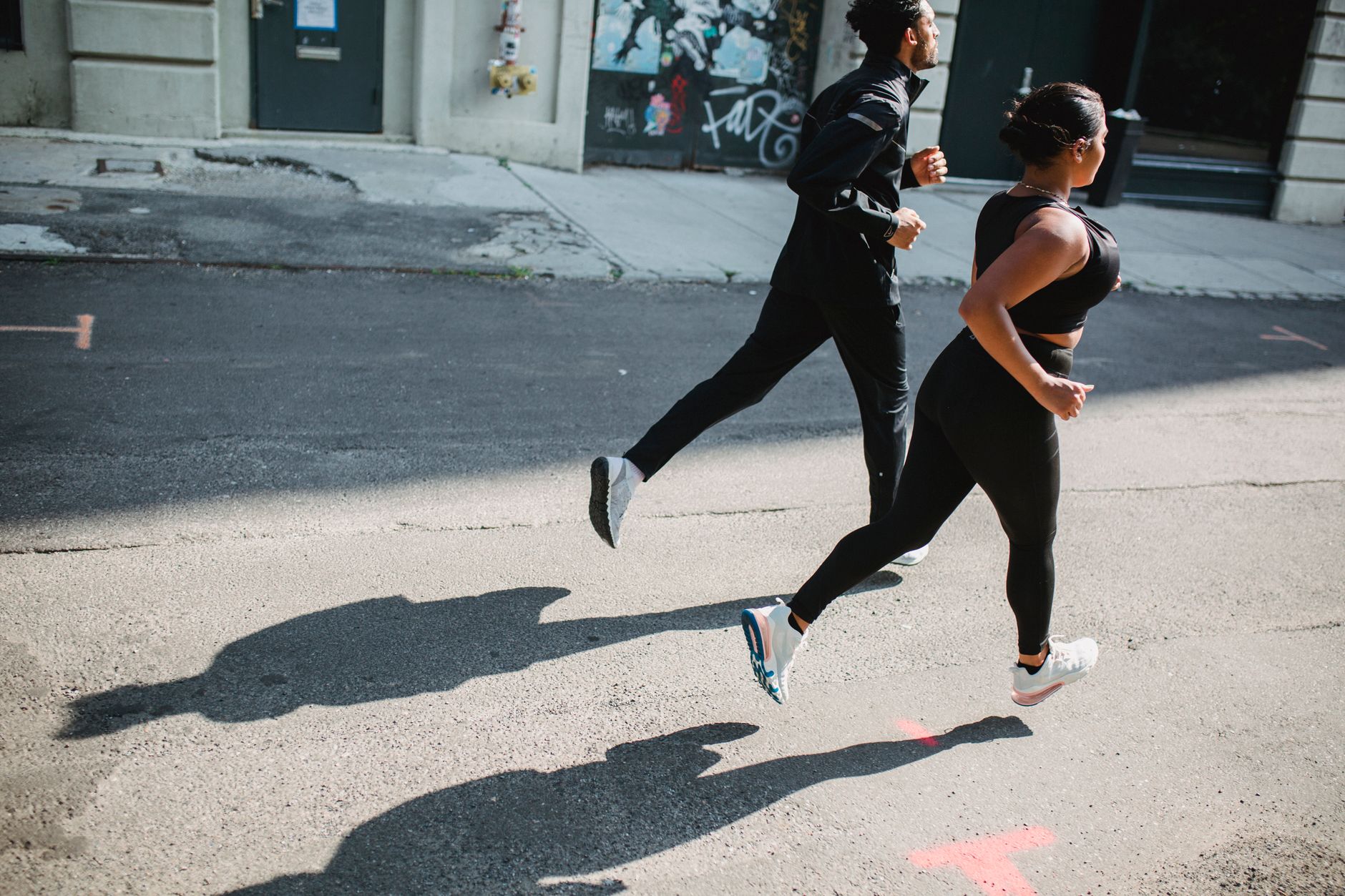
Reflective running gear is athletic clothing with retroreflective trim that returns headlights straight back toward drivers. Its purpose is to make night runners visible without extra weight, bulk, or lost pace.
Darkness drives that purpose. NHTSA reports 77% of U.S. pedestrian fatalities occurred in the dark, versus 19% in daylight, in its 2023 pedestrian crash data.
Medical information disclaimer: This article is for general educational purposes only and does not provide medical advice, diagnosis, or treatment. Always consult a physician or other qualified health professional about symptoms, medications, tests, or treatment decisions.
Table of Contents
- How does reflective trim work at night?
- Why does motion help drivers see you?
- What visibility standards apply to runners?
- How can you stay visible without extra effort?
How does reflective trim work at night?
Retroreflective trim acts like a light mirror. According to 3M, it returns incoming headlight beams directly back toward the light source and driver's eyes instead of scattering light, so the wearer looks bright in headlights in its visibility science guide.
Bright color alone does not do the same job. Queensland University of Technology research finds fluorescent yellow, red, and orange aid daytime detection. Fluorescence needs UV light, so fluorescent clothing alone works poorly at night.
Why does motion help drivers see you?
A steady glow is less useful than a moving shape. NHTSA finds conspicuity rises sharply at night when pedestrians move and wear retroreflective clothing on extremities in its pedestrian safety review.
Drivers recognize human walking and running motion faster than a static patch of light. That makes ankles, wrists, shoes, and lower legs valuable spots for reflective bands.
What visibility standards apply to runners?
Work clothing sets the high benchmark. The U.S. benchmark ANSI/ISEA 107-2004 Class 2 requires at least 775 square inches of fluorescent background plus 201 square inches of retroreflective material, according to USDA Forest Service testing staff.
It also requires visibility from 360 degrees. Running gear usually falls below that work level. Hazchem Safety explains that Europe's EN 17353:2020 covers enhanced-visibility gear for medium-risk leisure and sport. It replaced EN 1150 and EN 13356, while EN ISO 20471 remains for high-risk roadway work.
How can you stay visible without extra effort?
Night visibility does not require a bulky work vest. 3M makes wide-angle retroreflective lenses with heat-activated adhesive for athletic and casual garments, according to its consumer products data sheet. Runners can add night trim to light training clothes.
Visibility aids still have limits. NHTSA notes no studies have linked visibility aids to fewer crashes. AAA 2025 testing found nighttime automatic emergency braking avoided only 60% of collisions and sometimes missed high-visibility clothing, reported in its nighttime braking test results. Add ankle bands and a small light before your next dark run.
- Put retroreflective bands on ankles, wrists, or shoes to show running motion
- Pair reflective trim with an active light for dark streets and trails
- Choose fitted athletic trim over a loose work vest to protect pace and comfort