
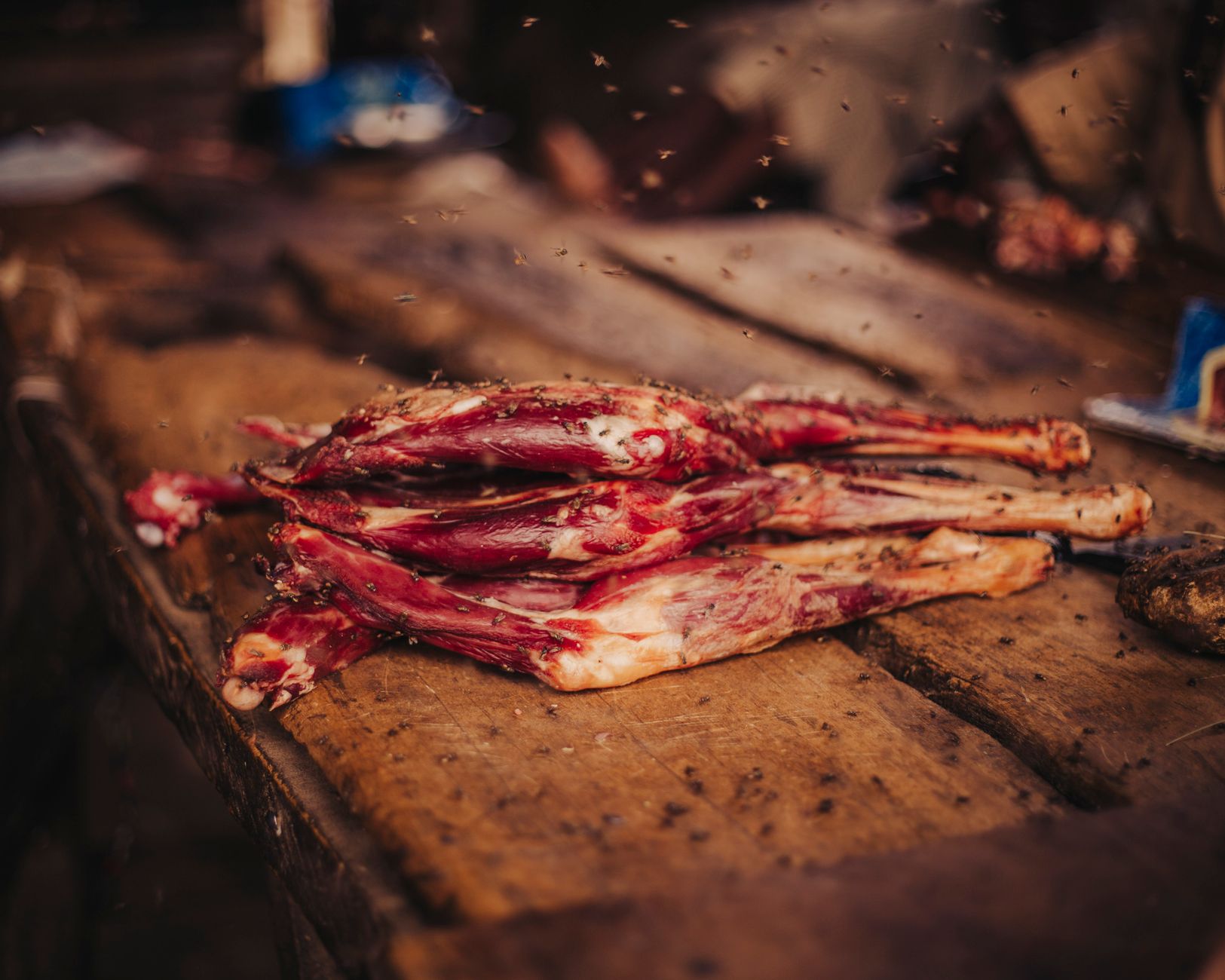
Carnivore diet running means doing aerobic runs while eating only meat, fish, eggs, and other animal foods, with almost no carbohydrate. The purpose is steady energy from body fat for easy and long runs, the best pace is easy to moderate, and fast efforts feel harder and often get slower. This approach fits runners who want fewer fuel stops and less stomach trouble on long outings. It does not fit runners chasing peak speed, short races, or hard interval blocks.
Medical information disclaimer: This article is for general educational purposes only and does not provide medical advice, diagnosis, or treatment. Always consult a physician or other qualified health professional about symptoms, medications, tests, or treatment decisions.
Table of Contents
- Why some runners try meat-only fuel
- What pace works best
- Why hard efforts feel harder
- How to adapt without wrecking training
Why some runners try meat-only fuel
Ultra-endurance athletes try low-carb or carnivore eating to draw more energy from body fat, maintain steady fuel, and avoid stomach upset and bonking from frequent carbohydrate feeding, according to Medscape reporting on sports nutrition research. The idea is simple: carry less food and keep effort even. That matters most on long, slow runs where fueling is hard.
Ohio State University researchers reported through ScienceDaily that long-term low-carb endurance athletes burned 1.54 versus 0.67 grams per minute of peak fat, 2.3-fold higher, at higher relative intensity, in the ScienceDaily summary of the Ohio State study. That change supports lower-intensity running. It does not guarantee faster racing.
What pace works best
Low-carbohydrate adaptation aids low- to moderate-intensity aerobic running but impairs high-intensity endurance above about 70 percent of VO2max, according to the Examine.com evidence review. Easy pace means you can breathe through your nose and speak in full sentences. Tempo pace, hills, strides, and kicks sit above that zone for most runners.
Competitive recreational runners ran equal 5-km time trials above 80 percent VO2max after 14 or more days on high-fat versus high-carb diets, according to the Journal of Sports Science and Medicine, but maximal performance was impaired within 4 days of switching diets. Treat that as a narrow exception, not a speed plan. For daily training, keep carnivore runs conversational and save hard sessions for after adaptation or for higher-carb fueling.
Why hard efforts feel harder
Elite race walkers on a ketogenic diet increased fat burning and aerobic capacity yet lost exercise economy and lost the performance gains from harder training, according to Burke and colleagues in the Journal of Physiology study. Economy means oxygen cost at a given speed. When economy worsens, the same pace costs more effort.
The same pattern shows in perception. Elite race walkers on low-carb high-fat diets reported greater perceived effort and sometimes could not finish planned sessions during 5.5 weeks of training, according to a PLOS ONE replication study. Expect heavy legs, faster breathing, and slower recovery on intervals. If workouts repeatedly fail, lower intensity, shorten the session, or add carbohydrate.
How to adapt without wrecking training
Runners need 2 to 4 weeks of easy aerobic pacing for fat adaptation, with lower workload and higher effort at first, according to a Nutrients systematic review, so coaches advise against starting carnivore within 6 weeks of a goal race while emphasizing fluids and sodium, in the Nutrients systematic review. Do not test the diet during peak weeks.
Start in base training when volume is low. Carnivore eating removes fiber and plant nutrients and can raise LDL cholesterol and cardiovascular strain. Get blood pressure and cholesterol checked before and during the trial.
- Run easy for 2 to 4 weeks and cut intervals, hills, and long-run speed.
- Drink extra fluids and get enough sodium, especially in heat.
- Track pace, heart rate, sleep, digestion, and missed workouts.
- Pause or stop and seek care for dizziness, chest pain, severe constipation, or very dark urine.
- People with hypertension, high cholesterol, or heart history should not try carnivore, according to Cleveland Clinic dietitians.