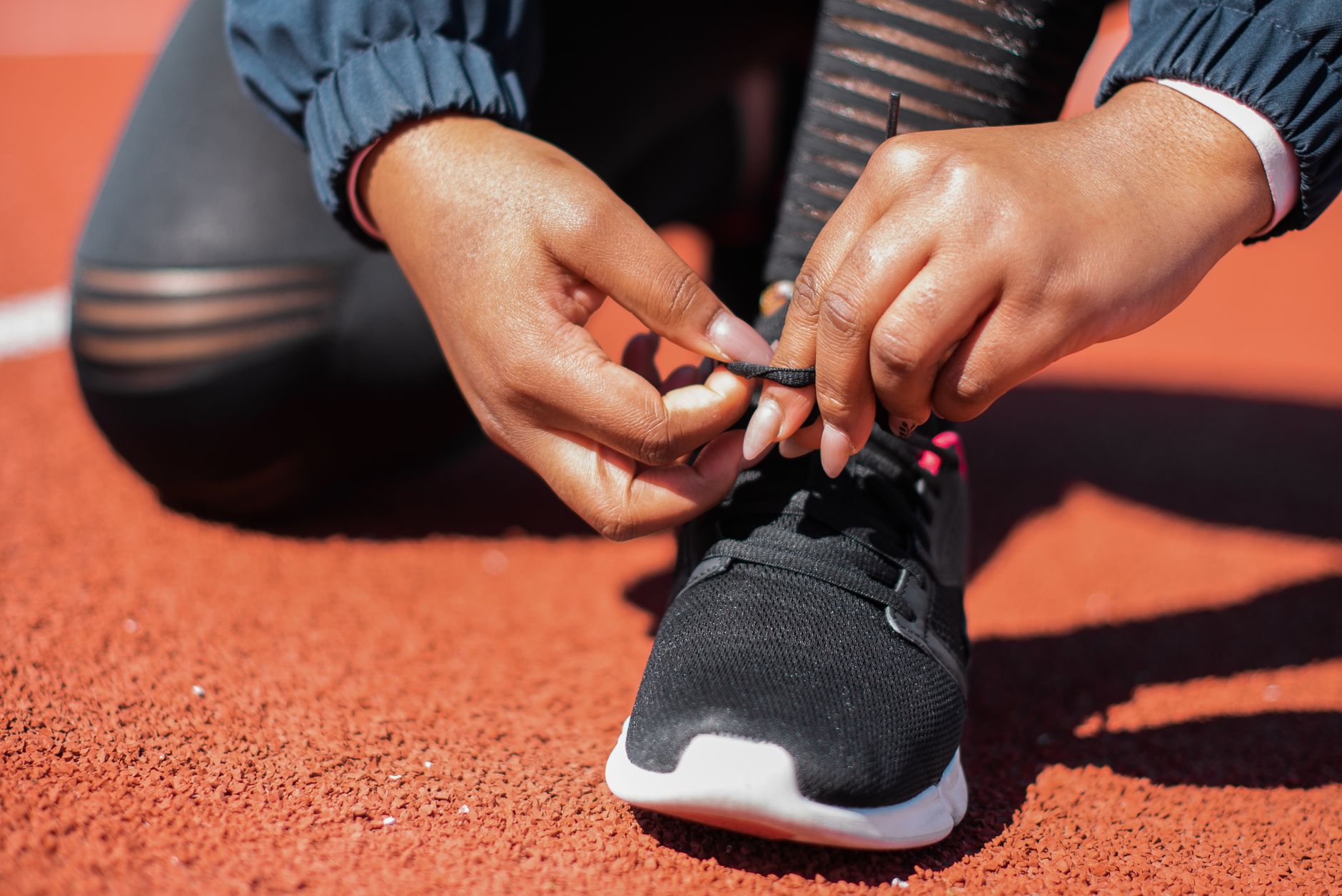
On running shoes fit daily training and racing when size, support features, and price match the runner's stride and mileage. This guide explains how to fit them, what CloudTec cushioning, Helion foam, and Speedboard plates do, and how to get value from a rotation. On is a Swiss performance brand focused on cushioned road running. Use this guide before you buy, when your current pair wears out, or when race goals change.
Medical information disclaimer: This article is for general educational purposes only and does not provide medical advice, diagnosis, or treatment. Always consult a physician or other qualified health professional about symptoms, medications, tests, or treatment decisions.
Table of Contents
- How should they fit?
- What do CloudTec, Helion, and Speedboard do?
- How do drop and stack change stride?
- When should you replace them?
- How do you get value from a rotation?
How should they fit?
Fit leaves about a thumb's width between longest toe and shoe end, with snug heel and midfoot. Canadian Running Magazine advises in its fitting guide that the foot should not slide forward and the heel should not lift.
Try shoes in the socks planned for running. Shop in the afternoon, when feet are slightly swollen. Walk, jog, and stop quickly to test hold.
- Longest toe has thumb-width space
- Heel and midfoot feel snug, not pinched
- No forward slide or heel lift
- Comfort holds in running socks
What do CloudTec, Helion, and Speedboard do?
On's official store describes CloudTec as hollow cushioning elements under the sole, Helion and Helion HF as resilient superfoam, and Speedboard as a plate through the midsole. Together they soften landing and propel toe-off.
For daily miles, prioritize even cushioning and secure hold. For workouts and races, a firmer plate and lighter foam feel quicker, but demand more strength and recovery.
How do drop and stack change stride?
Heel-to-toe drop means heel height minus forefoot height. A Journal of Foot and Ankle review reports in its 2024 review that traditional trainers use about 8-12mm while minimalist shoes use 0-4mm, changing foot angle and load distribution. A Nov.
19, 2024 bioRxiv treadmill study compared 50mm, 35mm, and 27mm stacks. Higher stacks pushed runners toward longer-step push style and altered stability, mainly at faster speeds. Harvard researchers led by Daniel Lieberman found habitual forefoot strikers showed different injury patterns than heel strikers. Cushioned heels enable heel landing by reducing discomfort, according to Harvard Gazette reporting.
When should you replace them?
The American Academy of Podiatric Sports Medicine advises through Jamesburg foot-doctor guidance in its shoe guidelines to replace running shoes after 300-500 miles. Change sooner when protection fades, even if the upper looks clean. Watch for functional wear rather than calendar age:.
- Tread worn smooth in strike zones
- Seams exposed or midsole creased
- New shin or joint pain after runs
How do you get value from a rotation?
Runners who alternated two or more models had about 39% lower injury risk, likely by varying load. Men's Journal, citing the Sports Medicine Research Laboratory Luxembourg, notes in its injury report that each pair also lasts longer because midsoles rest between runs.
A 2025 Runlovers rotation guide recommends doing most mileage in a daily trainer around $130 and reserving expensive carbon racers for races. Per-mile cost rises sharply for racers, and the speed benefit helps only a subset of runners. Mileage life and injury risk still vary by weight, surface, and form.
2 thoughts on “On Running Shoes Gear Guide: Fit, Features, and Value”
Comments are closed.