
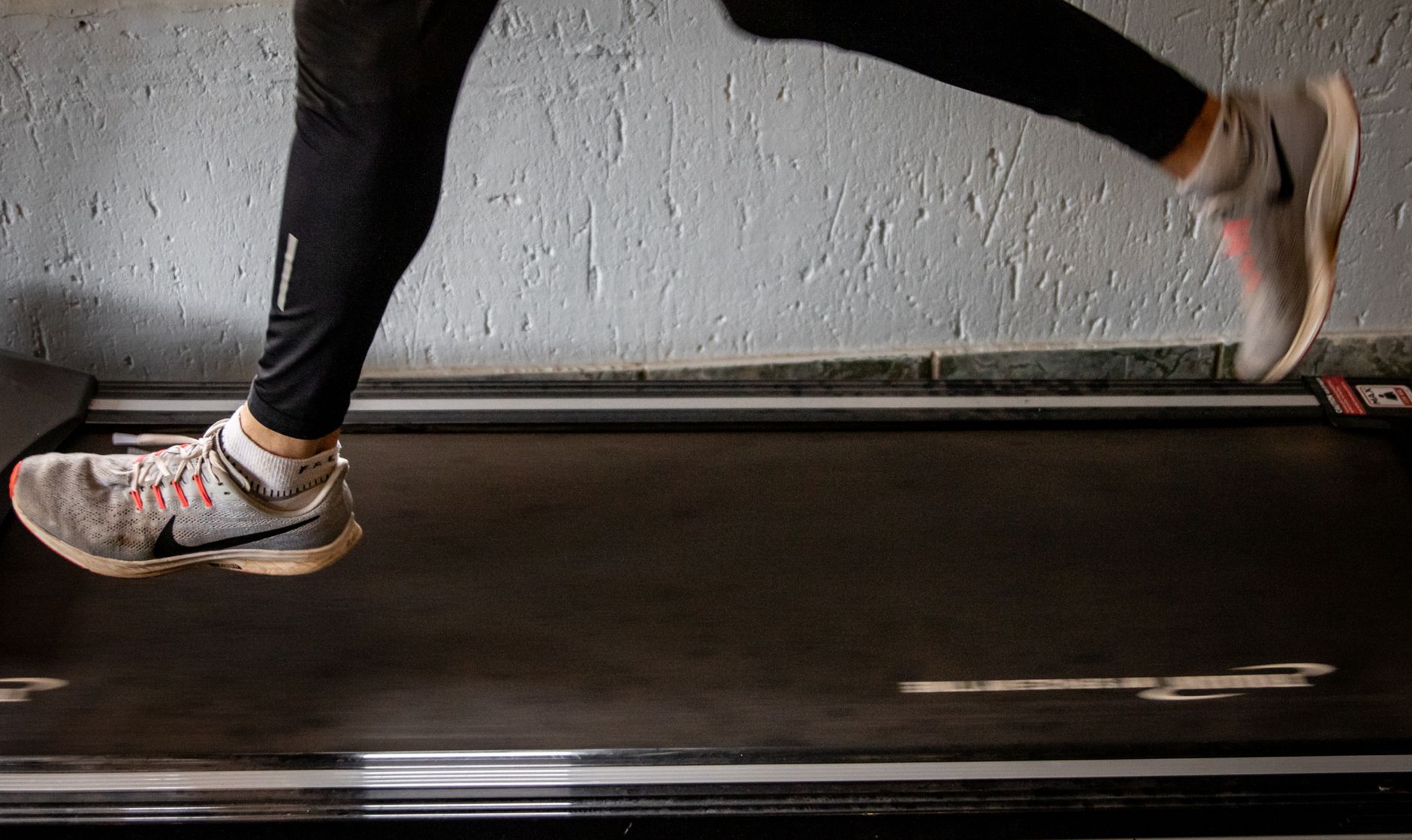
This Nike running-shoe workout guide links shoe fit to a complete warm-up, session, and recovery routine. Start with roomy, surface-matched shoes, warm up with movement, run a structured effort, then cool down and rest. Pronation, the way your foot rolls inward on landing, helps determine how much support and cushioning you need. Cushioning is the shoe's shock-absorbing material underfoot.
Medical information disclaimer: This article is for general educational purposes only and does not provide medical advice, diagnosis, or treatment. Always consult a physician or other qualified health professional about symptoms, medications, tests, or treatment decisions.
Table of Contents
- Choose shoes that fit the workout
- How do you warm up?
- What should the main session look like?
- How do you cool down and recover?
Choose shoes that fit the workout
Nike says running shoes should not fit too snugly, since tight fit raises the risk of lost or black toenails. Match shoe type to the surface you run on and to your pronation and cushioning needs. Use running shoes only for running.
Track mileage from day one. Nike gives a general replacement guideline of every 300-500 miles and advises writing the purchase date in a calendar, as described in Nike's UK shoe-buying guide. That simple record helps you replace worn cushioning before it affects comfort.
How do you warm up?
Nike advises a few minutes of dynamic, movement-based stretching before intense activity, including leg swings, spinal rotations, and arm circles, as outlined in Nike's post-run stretching guide. Nike Global Head Coach Chris Bennett gives the same beginner rule: do a few minutes of dynamic stretching before each run. Use this short sequence: Keep the effort light and keep moving throughout.
- leg swings forward and back
- spinal rotations at easy range
- arm circles to open the shoulders
What should the main session look like?
Nike Run Club guided runs provide coaching cues during the session. Beginners can start with the introductory 20-minute First Run, then try 8×1-minute intervals at 5K pace in the First Speed Run.
Fartlek, unstructured alternating of easier and harder running, is another useful format. Wareable's breakdown of Nike Run Club describes a fartlek run that alternates easier and harder efforts after a 7-minute warm-up, detailed in Wareable's Nike Run Club guide. Pick one format per day and keep easy days easy.
How do you cool down and recover?
Slow from running to a jog, then to a walk, for 5-10 minutes before stopping. Sports-medicine guidance published by the Michigan High School Athletic Association recommends that slow-down, then stretching every muscle group worked and finishing with deep belly breaths, as explained in the association's workout-basics guide.
Nike says static stretches right after running can help reduce muscle and joint stiffness known as DOMS. DOMS means delayed-onset muscle soreness, the ache felt a day or two after hard effort. Between sessions, Nike marathon guidance points to enough sleep, rest days, foam rolling, massage or ice baths, plus steady hydration and fueling.