
The best incline walking workouts this year center on three proven protocols: the 12-3-30 workout, Japanese interval walking, and progressive incline training. These methods aren’t new, but they’ve gained mainstream attention because they deliver measurable results without requiring intense effort. The 12-3-30 workout—setting your treadmill to a 12% incline, 3 mph speed, and walking for 30 minutes—burns approximately 304 calories in that single session and has become one of 2026’s most followed fitness trends after going viral through fitness communities. What makes incline walking so effective is the biomechanics: your body simply works harder against gravity. Incline walking burns 151% more calories than walking on flat ground at the same speed, and this calorie burn increases exponentially with steeper grades.
A 5% incline increases calorie burn by roughly 30%, while a 10% incline pushes that increase to 50–60%. The trend data backs this up, with incline walking searches up 50% year-on-year and now sitting in the top 20 fitness trends of 2026. Beyond calorie burn, incline walking activates your muscles differently than flat surfaces. Your glutes work 175% harder on an incline than on flat ground, alongside increased hamstring and calf activation. This combination makes incline walking one of the few low-impact workouts that delivers serious muscle engagement and fat-loss results without the joint stress of running.
Table of Contents
- Which Incline Walking Workouts Should You Actually Try?
- The Science of Incline Walking Calorie Burn and Fat Loss
- Progressive Training Protocols for Building Strength and Endurance
- Building Your Incline Walking Program: Frequency, Intensity, and Duration
- Avoiding Overtraining and Managing Joint Stress
- The Role of Interval Training in Incline Walking Results
- The Growing Incline Walking Trend and What’s Next
- Conclusion
Which Incline Walking Workouts Should You Actually Try?
Three workout formats dominate the 2026 incline walking landscape, each with distinct benefits. The 12-3-30 protocol remains the most accessible entry point: a fixed-intensity walk that requires no variation or thinking, making it ideal for consistency. Japanese interval walking, validated by researchers at Shinshu University, alternates 3 minutes of slow walking with 3 minutes of brisk walking, repeated 5 times for a 30-minute total session. studies show this format improves cardiovascular fitness, leg strength, and blood pressure more effectively than constant-pace walking—a significant finding because many people assume steady-state is always better for fitness.
The incline interval workout offers a middle ground: walk at 3.0 mph with a 1% incline for 2 minutes, then jump to 8–10% incline for 1 minute, repeating this cycle 10 times for a 30-minute total. This format burns approximately 380 calories, higher than the 12-3-30 despite the same time commitment. The extra calorie burn comes from the intensity variation and peak incline, but the tradeoff is that the 1-minute high-incline segments feel harder and may not suit beginners. A fourth option, progressive incline training, starts at 2% incline and 3.5 mph, then increases the incline by 1% every two minutes until reaching 10%, then decreases back down over 36 minutes. This format burns 350–450 calories and feels less jarring than abrupt interval switches.
The Science of Incline Walking Calorie Burn and Fat Loss
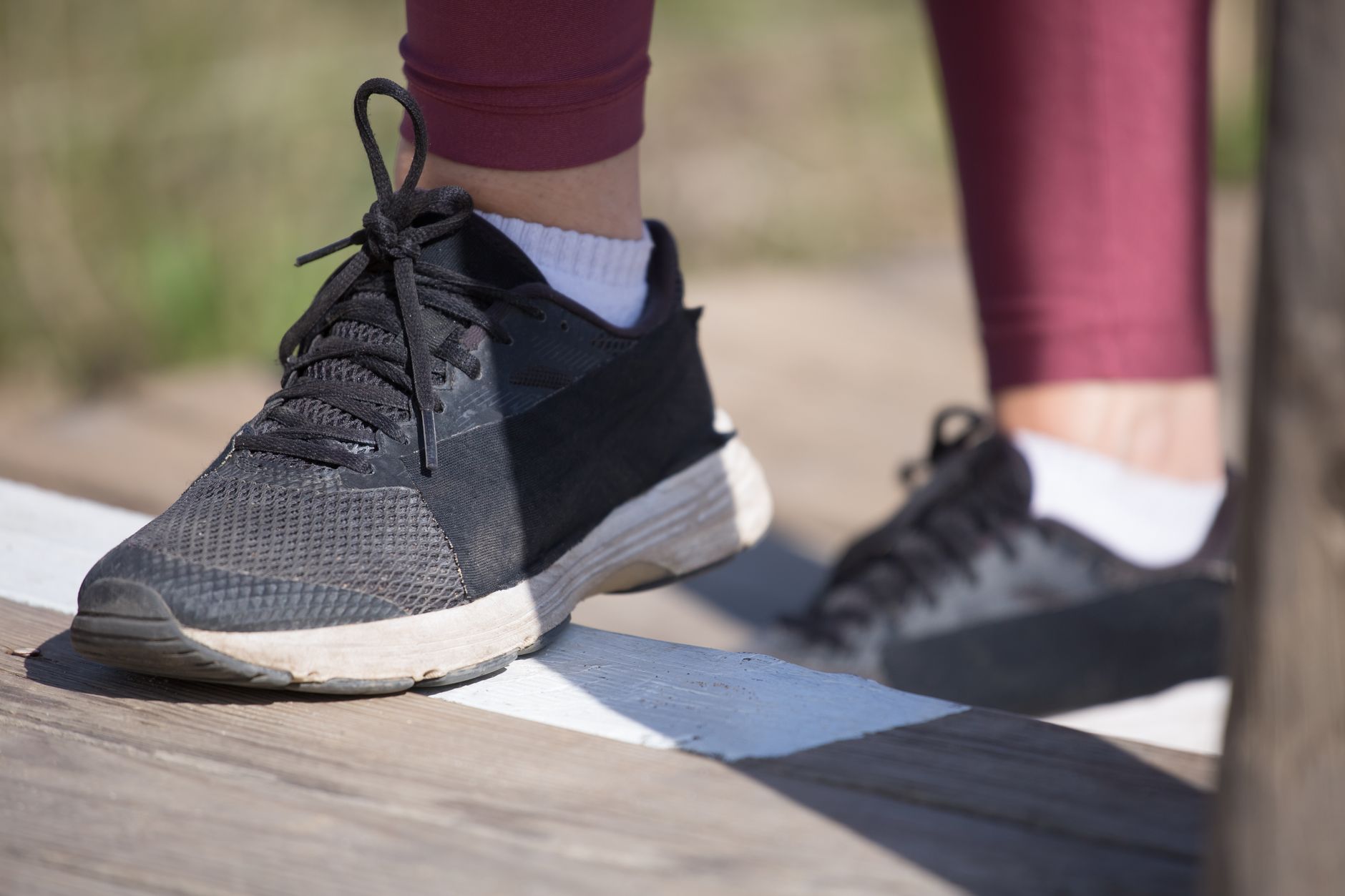
The metabolic advantage of incline walking extends beyond simple calorie counting. When researchers compare incline walking to flat running at matched calorie expenditure, incline walking produces 40.6% fat oxidation compared to 33.1% for running. This means your body preferentially burns fat tissue rather than carbohydrates or muscle, a significant advantage for people specifically targeting fat loss. The difference compounds over weeks and months of consistent training. Incline grades create a dose-response relationship with calorie burn.
A 5% incline increases your metabolic cost by approximately 52% compared to flat walking. At 10%, the metabolic cost rises 113%. At 12–15%, you’re burning nearly twice the calories of flat walking at an equivalent pace. However, there’s a practical limit: inclines beyond 15% place excessive stress on your lower back, Achilles tendons, and knees, which is why most experts recommend staying within the 8–12% range. This range represents the sweet spot where calorie burn remains high without creating biomechanical strain or injury risk that undermines long-term training.
Progressive Training Protocols for Building Strength and Endurance
Progressive incline training deserves its own focus because it’s one of the few methods that simultaneously builds aerobic capacity and lower-body strength. The protocol works by gradually increasing demand over each session: as your incline rises from 2% to 10%, your cardiovascular system works harder and your muscles face increasing resistance. This mimics the periodization principles used in serious athletic training but applies them to a simple walking format. The progressive method fits different training cycles well.
During a fat-loss phase, you might do progressive workouts 3–4 times per week, spacing them with lighter activity. During a strength-building phase, the same workout triggers more muscle adaptation. The protocol also prevents the adaptation plateau that hits constant-intensity workouts after 4–6 weeks. Because the incline is always changing, your nervous system and muscles remain challenged throughout the 36-minute session. One limitation: the continuous grade progression means you can’t easily pause or modify mid-workout if something feels wrong, so proper warm-up becomes essential.
Building Your Incline Walking Program: Frequency, Intensity, and Duration
Most research supports 3–5 incline walking sessions per week as the optimal frequency for fat loss without overtraining. Three sessions per week represents the minimum threshold for meaningful adaptation; five sessions per week maximizes results while still allowing recovery. Beyond five sessions weekly, your joints and connective tissue accumulate stress, especially at higher inclines, and recovery quality suffers. Your weekly schedule might look like: Monday and Wednesday with higher-incline interval work, Thursday with a lighter 12-3-30 session, and one weekend session with progressive training. Duration depends on your current fitness level and goals.
The 12-3-30 format’s 30-minute standard works well for beginners and people returning to fitness after time off. The Japanese interval protocol also spans 30 minutes but feels less monotonous because of the intensity shifts. Progressive training typically runs 36 minutes to accommodate the gradual climb and descent. Intermediate and advanced walkers can extend sessions to 45 minutes or add a second incline session on specific days. The tradeoff: more volume creates faster results but increases injury risk if you push too hard too fast. Most people improve fastest by keeping intensity moderate and prioritizing consistency over occasional heroic efforts.
Avoiding Overtraining and Managing Joint Stress
Incline walking’s low-impact reputation is partially deserved but easily overstated. Walking at 10–20% incline actually reduces stress on knee joints compared to flat-ground walking, a genuine advantage for people with mild knee concerns. However, this doesn’t mean the knees are unstressed; they’re simply stressed differently. The sustained load from high inclines can aggravate pre-existing issues with your Achilles tendons, lower back, or hip flexors, especially if you jump from flat walking directly into 12% inclines without adaptation. A common mistake: assuming that because walking feels easier than running, you can do more of it.
Many people start with five incline sessions weekly and experience overuse injuries within 3–4 weeks. The initial solution is reducing frequency to three sessions with at least one rest day between incline workouts. On non-incline days, flat-ground walking or other low-impact activities facilitate recovery. Proper footwear matters too; incline work requires shoes with solid arch support and cushioning because your calves and forefoot absorb significant force. Pain in your shins, calves, Achilles, or lower back warrants a week of reduced incline (dropping to 5–6% maximum) and a focus on recovery before returning to your target intensity.
The Role of Interval Training in Incline Walking Results
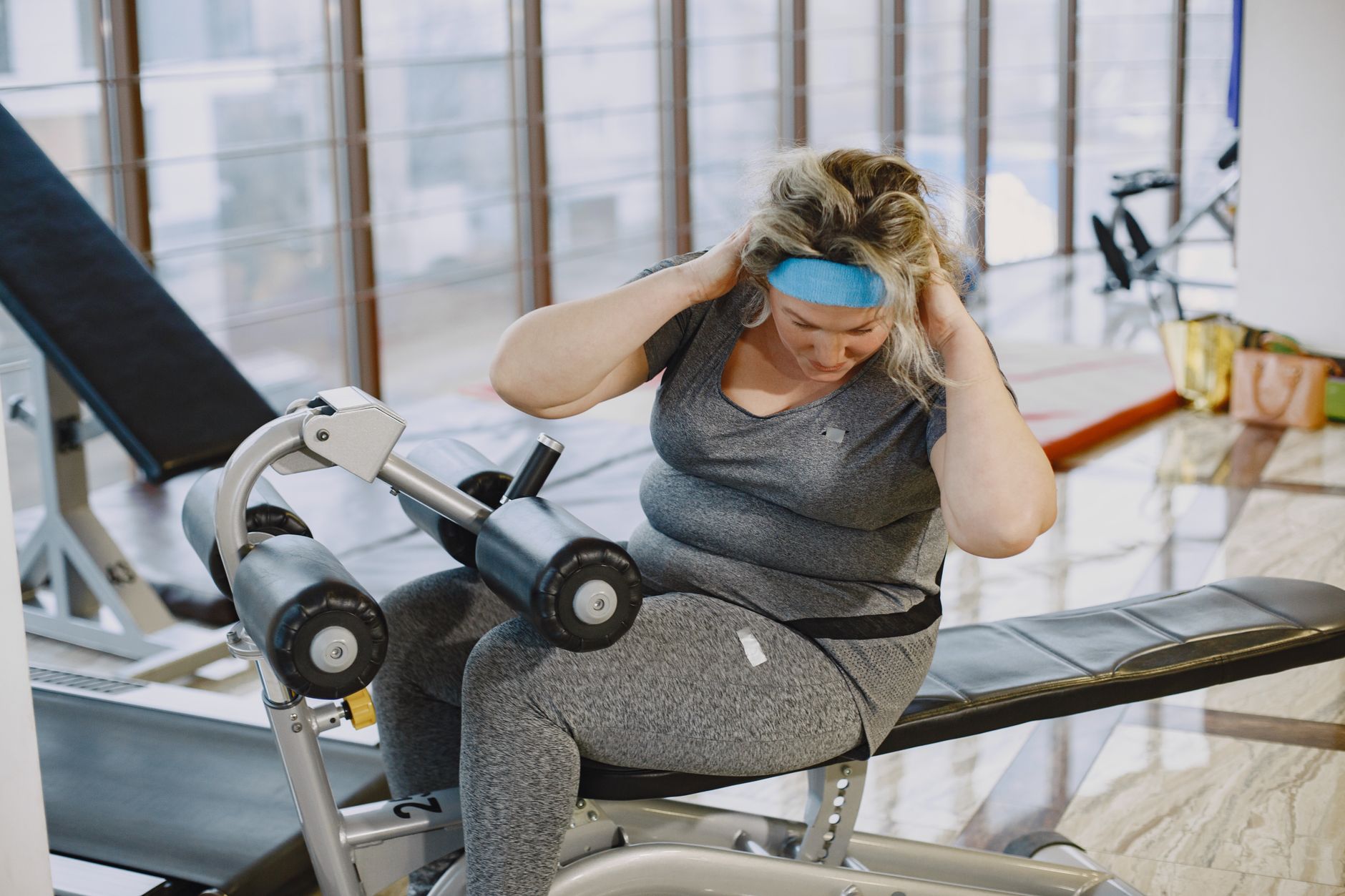
Interval training on inclines appears in most research as superior to steady-state incline walking for cardiovascular adaptation and fat loss. The Japanese interval walking study specifically showed that 3-minute intervals of alternating intensity outperformed constant-pace walking on multiple fitness markers. The mechanism is straightforward: brief high-intensity efforts trigger greater metabolic adaptation than sustained steady effort at moderate intensity. Your heart rate variability increases, your aerobic capacity improves faster, and your body’s fat-oxidation efficiency rises.
The incline interval format (1-minute high incline alternating with 2-minute low incline) takes this further by adding a mechanical challenge component. Your muscles and nervous system must rapidly adapt to grade changes, which produces additional training stimulus beyond simple aerobic work. Tracking data from 2026 fitness platforms shows interval walking formats like 12-3-30 and Japanese interval walking consistently outperform heavy lifting regimens and high-intensity gym challenges in terms of user adherence and reported results. This popularity likely reflects that intervals feel less monotonous than steady-state protocols, making them easier to sustain long-term.
The Growing Incline Walking Trend and What’s Next
Incline walking’s rise from a niche treadmill activity to a mainstream fitness trend reflects a broader shift in how people think about exercise. High-intensity workouts and complex training programs dominated the 2010s and early 2020s; now, practical, sustainable methods are gaining ground. The 50% year-on-year increase in incline walking searches shows this isn’t a temporary fad but a genuine recalibration toward low-barrier, high-return exercise formats.
Looking forward, expect to see more research on incline walking’s effects on metabolic health markers, bone density, and cardiovascular outcomes beyond simple calorie burn. Early data suggests the protocol may improve blood pressure and resting heart rate as effectively as high-intensity interval training for many people, which would make it a genuinely transformative option for older adults or people managing chronic health conditions. The next frontier is personalization: using wearable data to automatically adjust incline and speed throughout workouts based on real-time heart rate, recovery status, and individual response patterns.
Conclusion
The best incline walking workouts for 2026 center on three proven approaches: the fixed-intensity 12-3-30 method for simplicity and consistency, Japanese interval walking for balanced cardiovascular and strength gains, and progressive incline training for periodized improvement. All three formats outperform flat walking by massive margins—burning 151% more calories while activating muscles differently and delivering superior fat oxidation. The key advantage of incline walking is that it requires no gym membership, no equipment beyond a treadmill, and no complex programming; even beginners can start today and see results. Start with 3–4 sessions per week in the 8–12% incline range, choose whichever format appeals to you, and commit to consistency for at least 4 weeks before adjusting.
If you’re injury-prone or returning to fitness, begin with the 12-3-30 format for its simplicity and lower initial intensity. If you’re already active and want maximum fat-loss results, the incline interval protocol delivers them faster. Track how you feel after each session and respect the recovery days; incline walking’s low-impact nature shouldn’t lure you into excessive volume. The trend data is clear: this format works, it’s sustainable, and it’s here to stay.


