
Artificial intelligence calculates exercise intensity more accurately today because it analyzes dozens of biometric signals simultaneously—not just heart rate, but heart rate variability, sleep quality, skin temperature, breathing patterns, and even brain activity—then uses advanced machine learning algorithms to find non-linear relationships between these data points that old linear formulas could never detect. Traditional fitness trackers have relied on simple zone calculations based on maximum heart rate or fixed percentages; AI systems train on months of personal data to understand how your specific body responds to effort at different times of day, different recovery states, and different training phases. A runner using WHOOP 5.0, a modern AI-powered recovery system, receives a daily training recommendation that shifts based on real-time biometric data.
If your heart rate variability drops because of poor sleep, the system automatically suggests reducing intensity even if your resting heart rate looks normal. This personalization represents a fundamental shift in how millions of athletes now approach training—from following generic intensity zones to following custom, data-driven guidance that changes daily. The fitness technology industry has recognized this shift, with the global smart fitness market projected to reach $42.15 billion in 2026, growing at 25.9% annually. This growth reflects a real transition: from passive step counting to active AI coaching during workouts and recovery periods.
Table of Contents
- What Biometric Data Powers Modern Intensity Analysis
- Advanced Machine Learning Models for Personalized Training
- Real-Time Adjustment and Personalized Intensity Recommendations
- Heart Rate Variability: The Key Metric Changing Everything
- Context-Aware Training: Beyond Simple Heart Rate Numbers
- Proven Results: What the Research Shows
- The Future of AI-Guided Training
- Conclusion
What Biometric Data Powers Modern Intensity Analysis
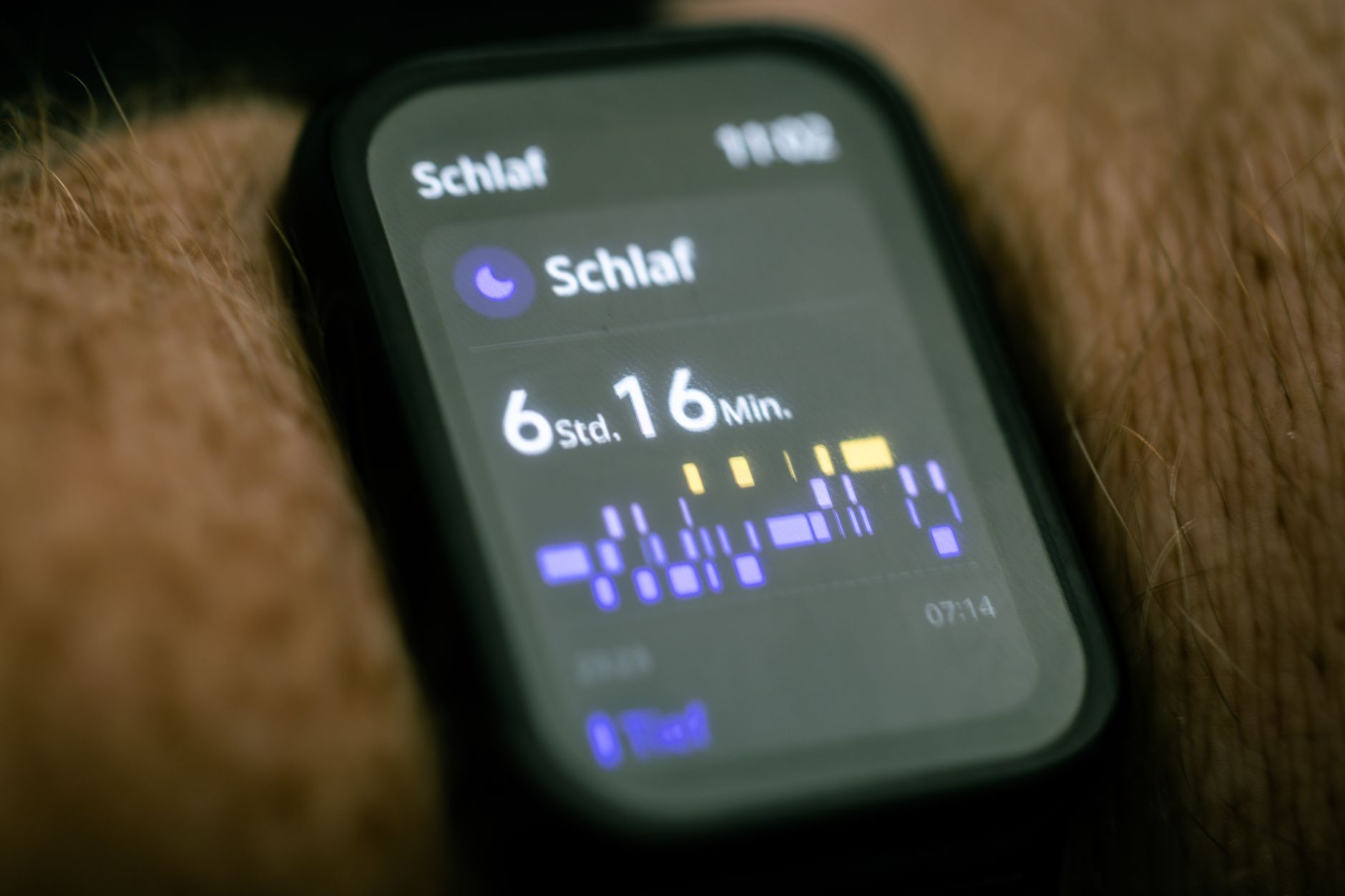
Modern AI systems monitor far more than the metric your old chest strap measured. Heart rate variability—the millisecond-to-millisecond changes in the time between heartbeats—has emerged as the primary metric analyzed by machine learning models, revealing patterns about nervous system stress and adaptation that a single heart rate number cannot capture. Alongside HRV, contemporary wearables measure sleep quality scores, skin temperature, breathing patterns, movement data, ECG signals, and oxygen saturation from the same devices you wear daily. Advanced wearables now include EEG sensors capable of detecting brain activity, and the market has shifted toward multi-sensor fusion rather than relying on any single input.
This matters because exercise intensity is not a one-dimensional phenomenon; a given heart rate could mean mild exertion during a steady run or maximum effort near the end of a hard interval session, depending on context. By combining multiple signals, AI systems distinguish between these scenarios. The practical benefit becomes clear when considering training load. An athlete wearing a device that monitors only heart rate might schedule hard intervals two days in a row, missing the fact that elevated resting heart rate indicates the nervous system hasn’t recovered. A multi-sensor AI system sees the elevated HRV disruption or the reduced sleep quality and adjusts the recommendation automatically.
Advanced Machine Learning Models for Personalized Training
Three main categories of algorithms now power intensity prediction at scale. Long Short-Term Memory (LSTM) networks, a type of deep learning architecture, excel at recognizing patterns in sequences—like how revolutions per minute and HRV patterns evolve during a run and how they predict exertion levels. Support Vector Regression (SVR) and Extreme Gradient Boosting (XGBoost) models compare predictions for day-to-day HRV fluctuations, capturing how the same workout produces different physiological signatures depending on recovery state. Deep learning models can estimate ventilatory thresholds from ECG data alone, without requiring separate respiratory measurements that older systems needed. However, these advances come with limitations that athletes should understand.
machine learning models require historical data to personalize—typically weeks or months of training to build an accurate understanding of your unique physiological fingerprint. A new athlete downloading WHOOP or a similar system won’t receive fully personalized guidance immediately. The algorithms also depend on consistent sensor contact and data quality; a loose strap or sweat-wet sensor can introduce noise that degrades the model’s output. Another limitation worth noting: AI systems trained on one population (young, healthy cyclists, for example) may not transfer perfectly to another (masters-level runners or athletes with certain medical conditions). This is why reputable systems in 2026 continue to collect data and refine their models rather than claiming universal accuracy.
Real-Time Adjustment and Personalized Intensity Recommendations
The practical implementation of these algorithms appears most clearly in real-world fitness systems. WHOOP 5.0 generates daily training recommendations by analyzing HRV, sleep quality, and recovery scores collected overnight and during the previous day’s activities. When recovery data indicates your nervous system is compromised, the system automatically suggests reducing intensity—not because of a rigid rule but because the model has learned your personal patterns and current state. AI-powered resistance systems at commercial gyms now adjust workout difficulty in real-time based on continuous heart rate monitoring, increasing or decreasing resistance to keep you in your target intensity zone without requiring manual adjustments.
This closed-loop feedback differs fundamentally from older systems where an athlete received a target zone and had to manually adjust effort to stay within it. EEG-enabled earbuds and smart rings delivered their first personalized recommendations during the first half of 2026, providing intensity guidance during training based on live brain and physiological data. The advantage becomes especially pronounced during unpredictable sessions. A tempo run that should have occurred at a certain intensity, based on planned training, might need adjustment because of accumulated fatigue from the previous week. A system monitoring only pre-planned zones would miss this necessity; an AI system monitoring current biometric state would not.

Heart Rate Variability: The Key Metric Changing Everything
Heart rate variability—the variation in time between consecutive heartbeats—has become central to modern intensity calculation because it reveals nervous system state in ways traditional heart rate cannot. A person might have an average heart rate of 60 beats per minute with extreme regularity (low HRV), or 60 beats per minute with significant variability between beats (high HRV). These represent completely different physiological states. High HRV typically indicates good recovery and parasympathetic nervous system activation; low HRV suggests stress, fatigue, or sympathetic nervous system dominance. Research has demonstrated a universal relationship between cycling power output and DFA-a1, a specific HRV metric, that enables accessible intensity zone tracking without expensive laboratory testing.
Studies published in peer-reviewed journals show that HRV-guided training improved VO2max while simultaneously reducing perceived exertion and preventing overtraining symptoms across eight to twelve week training periods. This dual benefit—better performance while feeling less strained—attracted millions of users to HRV-based guidance. The limitation here is that HRV responds to many stressors beyond exercise: sleep deprivation, psychological stress, illness, caffeine intake, and even travel across time zones all suppress HRV. An athlete interpreting a single HRV number in isolation might misdiagnose their true readiness. Modern AI addresses this by treating HRV as one signal within a broader context of sleep quality, resting heart rate trend, training history, and workout performance data.
Context-Aware Training: Beyond Simple Heart Rate Numbers
Modern AI intensity calculation uses what researchers call “context-dependent analysis”—algorithms that consider sleep quality, training load, and historical patterns simultaneously rather than examining each signal in isolation. This represents the core difference between contemporary systems and traditional intensity zones. A heart rate of 150 during a run means something entirely different if you slept poorly the previous night and completed a hard session two days ago, compared to a well-rested athlete on a recovery week. The technical advantage comes from non-linear pattern recognition. Old training wisdom relied on linear HRV formulas: more HRV means better recovery, period.
Modern AI learns non-linear relationships where context matters. Your HRV might be high today, but if the pattern shows it has been steadily declining over three days alongside declining sleep quality, the algorithm recognizes the beginning of overtraining even though today’s HRV looks good in isolation. A warning: this context-dependent analysis depends entirely on data accuracy and consistency. If you forget to wear your device for two nights, the training algorithm loses situational awareness. If you manually enter false sleep data or disconnect the system from your smartphone for a week, the model’s predictions degrade significantly. Systems in 2026 handle occasional data gaps gracefully, but they cannot perform miracles with missing information.

Proven Results: What the Research Shows
The evidence supporting AI intensity calculation comes from multiple research directions. Wearable companies like WHOOP have published research showing their HRV-guided training protocols improved endurance metrics while reducing perceived exertion—meaning athletes performed better while feeling like they worked harder.
Independent peer-reviewed research in sports medicine journals has validated machine learning approaches for predicting exercise intensity from biometric data, with special success using LSTM models for temporal prediction. Deep learning approaches to estimating exercise exertion from ECG alone have been validated against traditional respiratory measurements, achieving comparable accuracy without requiring additional equipment. This matters for practical deployment because wearable devices can now estimate ventilatory thresholds—a key training intensity marker—from heart signals alone, rather than requiring expensive metabolic testing.
The Future of AI-Guided Training
As of 2026, continuous automated monitoring has largely replaced manual periodic assessments in the systems adopted by serious athletes. Rather than visiting a lab for a V02max test or relying on annual fitness assessments, runners and cyclists now receive daily intensity recommendations based on up-to-the-minute biometric data.
The integration of brain activity monitoring through EEG-enabled wearables represents the next frontier, enabling the system to distinguish between different types of mental effort and central versus peripheral fatigue. The trajectory suggests even more specificity ahead: AI models will likely become better at predicting individual responses to different intensity protocols, identifying which athletes adapt better to polarized training (mostly easy and hard, little moderate) versus sweetspot training (more continuous moderate intensity). Early evidence suggests such personalization could become standard, moving beyond one-size-fits-most recommendations to truly individualized training guidance.
Conclusion
Artificial intelligence improves exercise intensity calculation by monitoring multiple biometric signals simultaneously, applying advanced machine learning algorithms that recognize non-linear relationships, and continuously adjusting recommendations based on individual recovery state and training history. The shift from static intensity zones to dynamic, personalized guidance represents a genuine advancement rooted in technology now widely available in consumer wearables.
If you run or train competitively, the practical next step is understanding what your wearable actually measures and how to interpret its recommendations. Not all devices use AI intensity guidance; many still rely on traditional heart rate zones. For those that do, consistency matters—wearing the device nightly, maintaining data logging, and trusting the system’s guidance across weeks of training will yield the personalization that makes AI-guided intensity meaningful.


