Seventy is not too late to get fit. Your body at 70 retains the capacity to build muscle, improve cardiovascular endurance, and increase flexibility in ways that can meaningfully transform your health and daily life. While aging brings genuine physiological changes—metabolism slows, bone density decreases, recovery takes longer—the foundational ability to train and adapt remains intact. Consider the case of Frank Pio Blanchette, who didn’t start running until age 51 and ran his first marathon at 72. His story isn’t unusual in the running world; it’s simply proof of what decades of research confirm.
The window for fitness improvement doesn’t slam shut at any particular age. What changes is the approach. A seventy-year-old needs different programming than a thirty-year-old—more attention to joint health, more recovery time, more careful progression—but these are adjustments, not roadblocks. The science shows that older adults who exercise regularly maintain better cognitive function, stronger bones, healthier hearts, and greater independence in their everyday lives. Age creates constraints; it doesn’t eliminate potential.
Table of Contents
- Can You Rebuild Fitness and Endurance Starting at 70?
- Muscle Loss and Bone Density: Real Challenges and How to Address Them
- Joint Health and Injury Prevention at 70
- Building a Sustainable Training Plan for Seventy-Year-Olds
- Medical Screening and Hidden Health Issues
- The Role of Nutrition and Recovery at 70
- Mental and Functional Benefits That Matter Most
- Conclusion
- Frequently Asked Questions
Can You Rebuild Fitness and Endurance Starting at 70?
Yes, you can rebuild fitness at 70, though the timeline and intensity will differ from younger athletes. Research consistently shows that older adults responding to endurance training experience improvements in VO2 max—the measure of how much oxygen your body can utilize—comparable to younger people on a relative basis. A landmark study from the University of Texas found that sedentary adults over 65 who participated in aerobic training improved their cardiovascular fitness by 25 percent or more over just a few months. The catch is that building endurance at 70 requires patience and consistency rather than rapid progression. Where a 35-year-old might build a running base in eight weeks, a 70-year-old might need twelve to sixteen weeks.
This isn’t a limitation of capacity so much as a requirement of recovery. Your connective tissues—tendons, ligaments, cartilage—adapt more slowly at 70. Jumping into high-volume training invites injury. Margaret Smith, a runner who started at 69, spent her first two months alternating between walking and light jogging before running a full 5K. By year two, she completed a half-marathon. The progression was slower, but the destination was real.
Muscle Loss and Bone Density: Real Challenges and How to Address Them
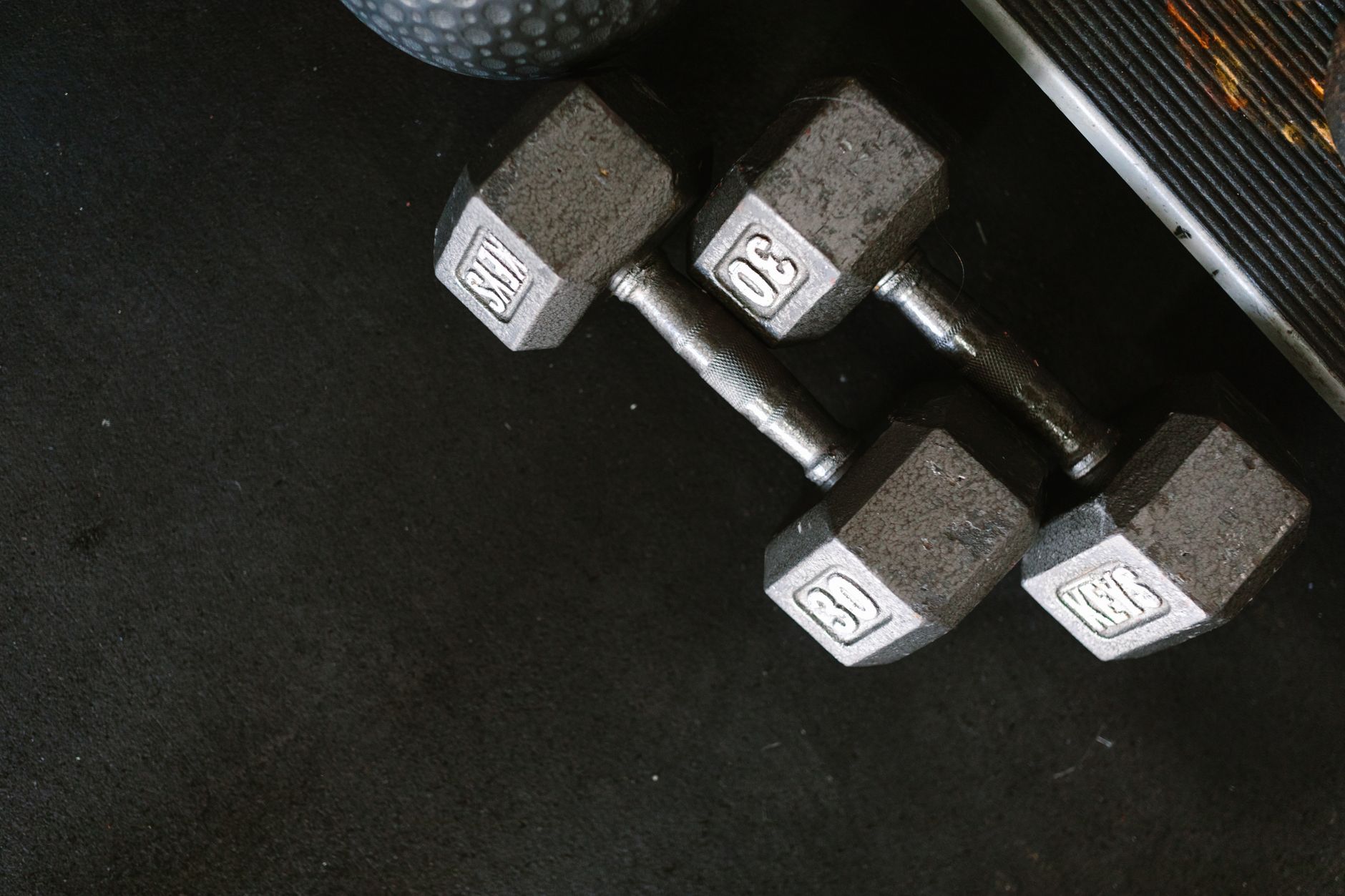
Starting at 70, you’re working against sarcopenia—age-related muscle loss that claims roughly 3 to 5 percent of muscle mass per decade after age 30. By 70, you’ve likely lost a significant amount of muscle if you’ve been sedentary. Bone density also declines, particularly in women after menopause, creating a genuine risk for osteoporosis and fractures. These are not scare tactics; they’re the reason you must include resistance training alongside any endurance work. The limitation here is that you can’t make up for forty years of sedentary living in a few months.
What you can do is stop the decline and rebuild meaningfully from your current point. Weight training—using resistance bands, free weights, or bodyweight—becomes non-negotiable. Studies show that even moderate resistance training twice weekly can reverse some muscle loss and improve bone density in older adults. The warning: starting heavy or progressing too quickly causes injury. A 70-year-old returning to fitness typically needs six to eight weeks of foundational strength work before adding significant running volume. This means that if your goal is to run a half-marathon, you’re realistically looking at a six to nine-month timeline from a sedentary start, not the twelve weeks a younger runner might take.
Joint Health and Injury Prevention at 70
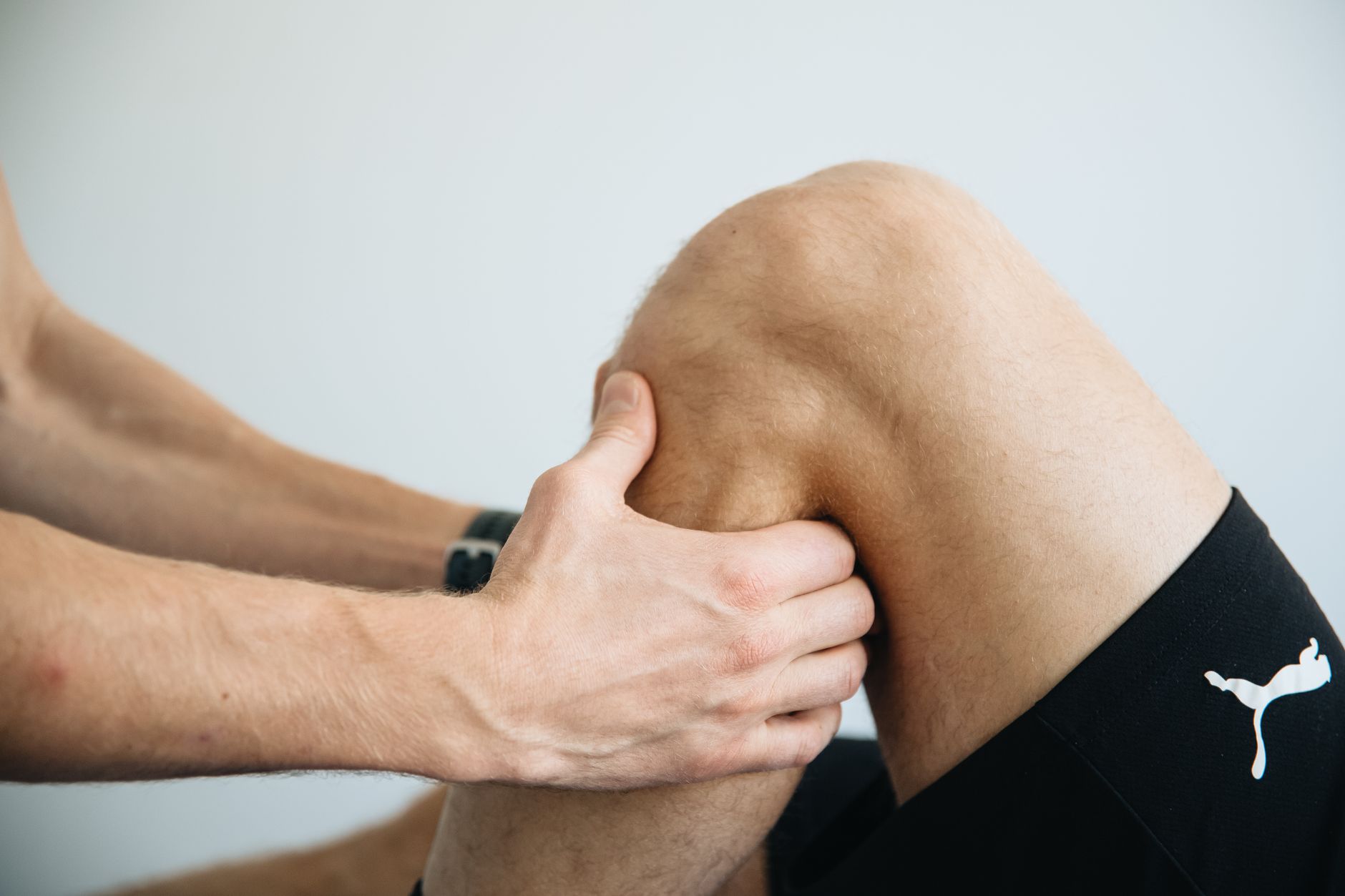
Your joints at 70 are dealing with decades of wear on cartilage, and synovial fluid production—the natural lubrication in your joints—decreases with age. This makes injury prevention and recovery the actual limiting factor in training at 70, far more than your body’s ability to adapt. The good news is that low-impact aerobic activity like running or walking actually supports joint health by promoting blood flow and nutrient delivery to cartilage, provided you avoid overuse. A specific example: Robert, a 71-year-old runner, kept his weekly mileage at 15 miles spread across four days, incorporating cross-training on an elliptical machine twice weekly.
This mix gave his knees enough stimulus to improve aerobic capacity without the cumulative impact stress of daily running. When he attempted to increase to 25 miles per week, his knee pain returned within two weeks. Scaling back to 18 miles with added rest days resolved it. The learning: consistency and moderation beat sporadic aggressive training. Your joints respond well to gradual, repeated stimulus; they rebel against sudden volume jumps.
Building a Sustainable Training Plan for Seventy-Year-Olds
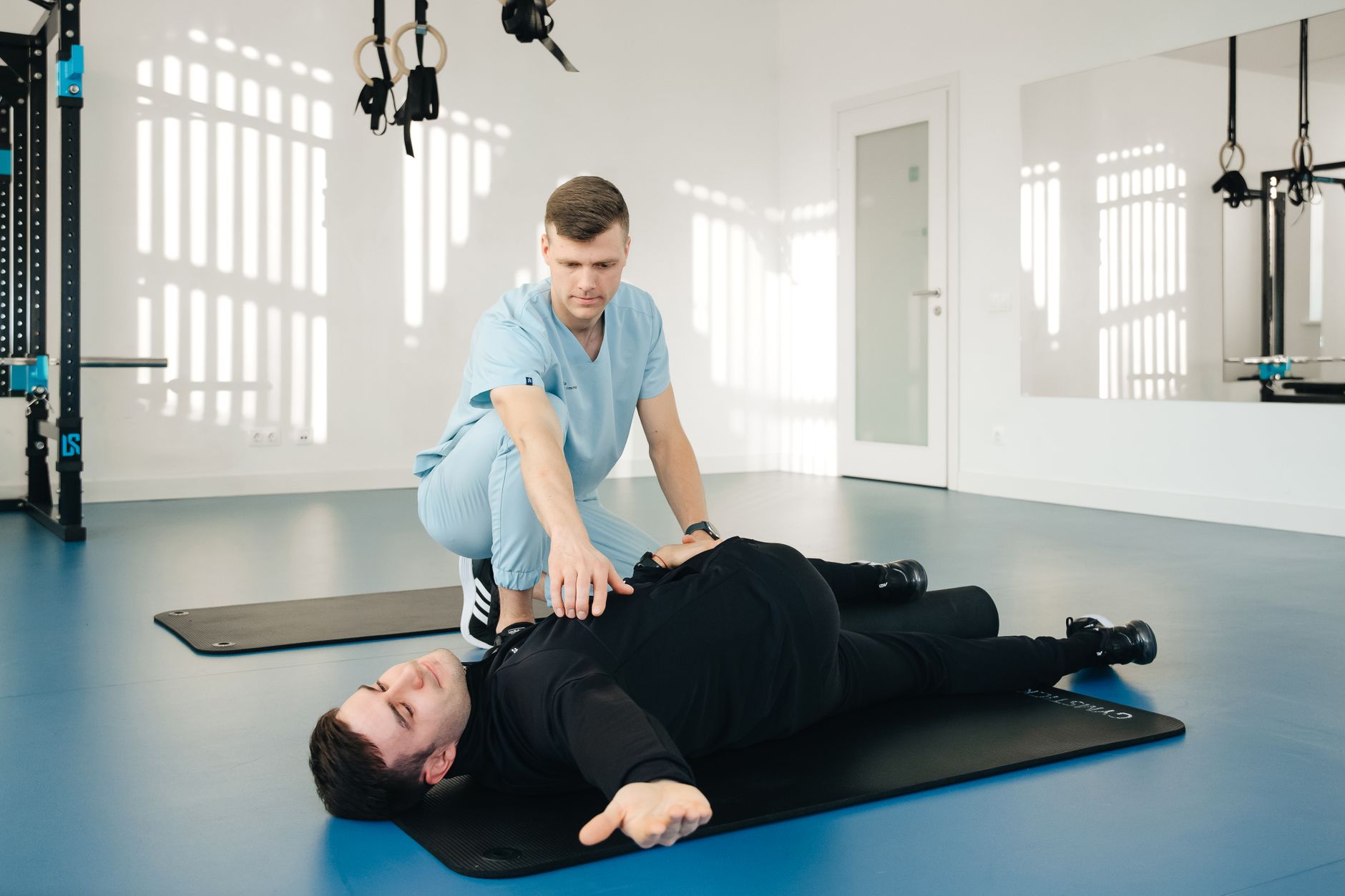
A realistic plan at 70 starts with a foundation phase, progresses conservatively, and includes deliberate recovery. Unlike younger runners, you should plan for only one structured workout per week initially—perhaps an easy long walk or run at conversational pace—supplemented by light cross-training and two to three sessions of strength work. After six weeks, you can add a second aerobic session and slightly increase distance on your primary session. The comparison worth noting: a 40-year-old runner might follow a 16-week marathon plan with 40–50 miles per week.
A 70-year-old pursuing the same goal needs 24–32 weeks and might peak at 25–30 miles per week. It takes longer, but many 70-year-olds finish marathons successfully. The tradeoff is that speed expectations shift. Your goal becomes completing the distance and finishing strong, not achieving a specific race time. That mental reframing often increases satisfaction because the challenge is meaningful without being unrealistic.
Medical Screening and Hidden Health Issues
Before starting any serious training at 70, you need medical clearance and honest assessment of your cardiovascular system. The risk of undiagnosed cardiac conditions increases significantly at this age. A stress test or your doctor’s evaluation isn’t an obstacle; it’s essential risk management. Many people discover during screening that they have manageable conditions—mild arrhythmias, slightly elevated blood pressure, or early-stage diabetes—that need to be factored into training decisions.
The warning: don’t skip this step or assume you’re fine because you feel okay. Some heart problems produce no symptoms until they’re critical. Additionally, medications you take for blood pressure, cholesterol, or other conditions affect how your body responds to training. Beta-blockers, for instance, dampen your maximum heart rate, meaning standard heart rate training zones don’t apply. A conversation with your doctor about your training goals ensures your plan works with your medication profile, not against it.
The Role of Nutrition and Recovery at 70
Protein needs actually increase with age—older adults require roughly 1.0 to 1.2 grams of protein per kilogram of body weight daily to preserve muscle, compared to 0.8 grams for younger adults. Most 70-year-olds undershoot this target, then wonder why they’re not gaining strength despite training. Spreading protein throughout the day matters too; one large dinner doesn’t trigger the same muscle-building response as three balanced meals.
Sleep and recovery between workouts become non-negotiable at 70. A 40-year-old might tolerate back-to-back hard sessions; a 70-year-old needs at least one full easy day between anything intense. Many successful older runners train four days per week rather than five or six, with two or three of those days being purely easy-paced to aid recovery.
Mental and Functional Benefits That Matter Most
The cardiovascular improvements and strength gains matter, but the real transformations happen in daily life. Seventy-year-olds who consistently train report better balance, easier stair climbing, less joint stiffness in the morning, and renewed independence. A study in the Journal of the American Geriatrics Society found that older adults who exercised regularly maintained significantly better cognitive function than sedentary peers, suggesting that the benefits extend to brain health alongside physical capacity.
Starting an endurance or strength program at 70 also provides structure, community, and purpose. Many running clubs and fitness groups have thriving populations of older adults who find social connection and motivation through shared training. That psychological component—feeling capable, part of a community, working toward concrete goals—often matters as much as the physical adaptations.
Conclusion
You can get fit at 70. The capacity is there. What’s required is a realistic timeline, attention to injury prevention, smart program design that emphasizes recovery, and medical clearance. You won’t build fitness as quickly as a 30-year-old, and you can’t ignore joint health the way younger athletes sometimes can. But these constraints are navigable.
Hundreds of thousands of people have demonstrated it. Your first step is scheduling a conversation with your doctor, then connecting with a trainer or coach experienced with older athletes. Be honest about your starting point and your goals. The next seventy years of your life are ahead of you—more of them than you might expect—and they will be substantially different if you’re mobile, strong, and capable versus sedentary and frail. The difference is made by the decision to start and the commitment to train consistently within realistic parameters.
Frequently Asked Questions
How much should a 70-year-old exercise per week?
Most guidelines recommend 150 minutes of moderate-intensity aerobic activity and two sessions of strength training weekly. For someone starting from sedentary, this builds over the first 8–12 weeks. Always start conservatively and increase gradually.
Will running damage my knees at 70?
Running doesn’t inherently damage healthy knees. Overuse does. Proper progression, adequate recovery, and reasonable weekly mileage protect joints. Many 70-year-olds run without knee problems; others need lower-impact cross-training. Your individual knee health and mechanics matter most.
Can I lose weight while getting fit at 70?
Yes, but slower than younger adults. Metabolism decreases with age, and weight loss requires attention to both exercise and nutrition. Combining strength training, aerobic work, and adequate protein intake creates the best environment for sustainable weight loss.
Do I need a gym membership to train at 70?
No. Bodyweight exercises, resistance bands, and outdoor walking or running require no gym. That said, some people find gym environments motivating and beneficial for structure and community.
What if I have arthritis at 70?
Many forms of arthritis improve with regular, gentle movement and strength training. Consistent exercise reduces pain for many people. Discuss your specific condition with your doctor or physical therapist to identify appropriate activities.
How soon will I notice improvements?
You’ll feel modest improvements in energy and daily function within 2–3 weeks. Measurable cardiovascular gains take 4–8 weeks. Visible muscle or significant endurance changes take 8–12 weeks or longer.