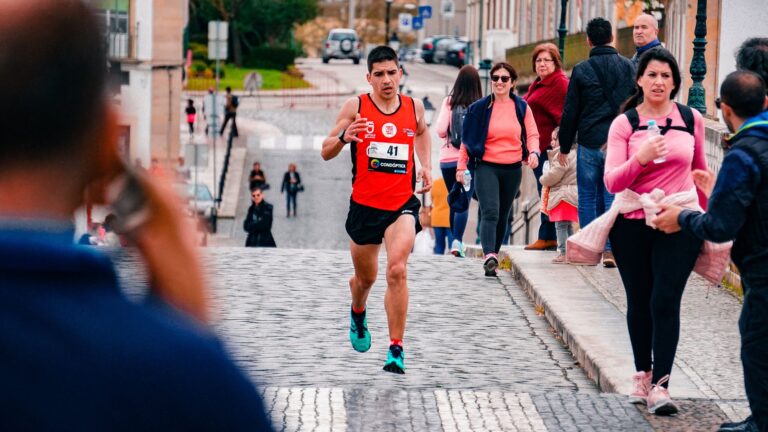
The Big Ten Conference has established itself as a host for major collegiate distance running events, including championship 10K races that combine competitive racing with festival atmospheres. These events represent the convergence of elite collegiate running with community engagement, drawing runners from across the conference and spectators who want to witness top-tier performance while enjoying the wider entertainment and vendor offerings that accompany the festival component.
Big Ten 10K championships with festival settings have become significant fixtures in the running calendar, offering something distinct from traditional track-focused championships. The festival element transforms what could be a single-day competition into a multi-faceted community event, with vendor booths, food, entertainment, and activities that extend beyond the race itself. This dual-purpose approach reflects how collegiate athletics have evolved to serve both competitors and local communities, creating gathering spaces that appeal to serious runners and casual participants alike.
Table of Contents
- What Makes Big Ten 10K Championships Different from Other Collegiate Races?
- Festival Components and Community Engagement Elements
- Training and Preparation Specific to Festival-Based Championships
- Course Design Considerations in Festival-Hosted 10K Championships
- Logistical Challenges and Weather Contingencies
- Spectator Experience and Support Networks
- Participation Beyond Elite Competition
What Makes Big Ten 10K Championships Different from Other Collegiate Races?
Big Ten 10K championships differ from many regional collegiate competitions primarily in their scale and the institutional resources behind them. The conference’s established infrastructure means these events typically benefit from professional-grade timing systems, medical support, course certification, and crowd management—elements that smaller collegiate races often lack. Compared to a typical university invitational 10K, a Big Ten championship brings together the conference’s strongest runners, creating a more competitive field that often attracts national attention from running media.
The festival component specifically distinguishes Big Ten 10K championships from traditional closed-campus championship formats. While other conferences might host their 10K championships on university grounds with limited spectator access, Big Ten events frequently open their festival areas to the general public. This means local runners, families, and fitness enthusiasts can experience the energy of a championship race without competing, creating a three-tiered audience of competitors, spectators with friends in the race, and casual attendees drawn by the festival atmosphere and community programming.
Festival Components and Community Engagement Elements
The festival structure of a Big Ten 10K championship typically includes vendor booths representing running brands, health and fitness companies, local businesses, and nonprofit organizations. These vendors aren’t incidental to the event—they’re part of the strategic design, ensuring that spectators and non-competing runners have reason to stay on-site before and after the race, extending the event’s economic impact on the host community. Restaurants, food trucks, and local eateries often participate, capitalizing on the concentrated crowd of thousands.
One limitation of festival-focused championships, however, is the potential distraction from pure competitive focus. Runners preparing for a championship race might find the noise and activity of a festival environment challenging compared to a quieter, more enclosed track setting. The festival atmosphere that excels at community engagement can make it harder for elite competitors to achieve the mental preparation and focus they prefer immediately before racing. Some runners specifically seek out quieter championship formats, while others thrive in the energized festival environment and feed off the crowd energy.
Training and Preparation Specific to Festival-Based Championships
Runners preparing for a Big Ten 10K championship with a festival component should account for the acoustic and sensory environment in their training strategy. If your race experience has primarily involved smaller, quieter events, you’ll want to practice running with crowd noise and distractions during your training. Running with music or running group sessions can simulate some aspects of this environment, though nothing completely replicates race-day conditions in a high-energy festival setting.
The timing of your warm-up becomes particularly important at festival-based championships. With more crowd activity and vendor areas to navigate, your pre-race routine might need adjustment compared to a traditional track championship. Many successful 10K racers at these events complete their warm-up several hours before their race time, using the festival environment to recover mentally while staying fueled and hydrated. This approach avoids the crush of activity immediately before race time while allowing competitors to maintain their readiness.
Course Design Considerations in Festival-Hosted 10K Championships
Big Ten 10K championships typically balance two competing design needs: creating a compelling spectator experience and providing a fair, fast racing surface for competitors. This sometimes means the course must pass through or near the festival venue multiple times, allowing crowds to see runners repeatedly. The trade-off is that not all portions of the route will be the fastest possible—some sections might include slightly rougher surfaces or marginal inclines that a purely competition-focused course would avoid.
When comparing festival-hosted 10K courses to point-to-point championship courses at other universities, festival races often include a loop design that returns competitors to the central venue. This increases crowd sightings but can mean navigating turns, elevation changes, or terrain variations that a long, flat point-to-point course wouldn’t include. Runners planning to target specific finishing times should study the actual course map and elevation profile rather than assuming it will be a fast, flat championship course.
Logistical Challenges and Weather Contingencies
Weather management becomes more complex when a Big Ten 10K championship includes a large public festival. High winds, heavy rain, or extreme heat that might not significantly affect a contained track event can create genuine safety and operational challenges when thousands of spectators, vendors, and participants are spread across outdoor festival areas. Event organizers must maintain contingency plans for heat precautions, lightning protocols, and accessibility during poor weather—complexities that smaller, more contained running events don’t face.
One important warning for participants: the festival atmosphere can normalize the event in a way that downplays the serious physical demands of 10K racing. The presence of casual activities, food vendors, and non-racing participants can create a misleading sense that the championship race itself is a casual affair. It’s not. The competitive field will include elite collegiate distance runners capable of sub-32-minute times, and the actual race competition remains serious, demanding, and unforgiving regardless of the festival environment surrounding it.
Spectator Experience and Support Networks
The festival format creates a significantly better spectator experience compared to closed championship races held on private university property. Friends and family members of runners can watch multiple portions of the race, access food and entertainment, and feel like they’re part of a larger community event rather than watching from a cordoned-off section.
This community-focused design has made some Big Ten 10K championships popular draws for running clubs and groups who use the event as a gathering point. Many Big Ten host universities leverage their running community’s loyalty to populate their festivals with alumni who ran for the university, creating generational involvement. The event becomes a homecoming of sorts for former runners, which shapes the atmosphere distinctly compared to neutral-ground championship venues.
Participation Beyond Elite Competition
Big Ten 10K championships with festival components often include supporting races or open 5K events that happen earlier in the day, allowing smaller runners and youth participants to compete within the championship infrastructure. These supporting races also allow more members of the community to participate directly rather than only as spectators, extending the inclusive mission of the festival format beyond the elite championship race itself.
The festival hosting model means these championships generate economic activity and visibility that extends to local running shops, sports medicine clinics, and fitness facilities in the host city. Unlike a contained track championship that primarily benefits the university, the festival format intentionally creates spillover benefits for the broader community and local running ecosystem.