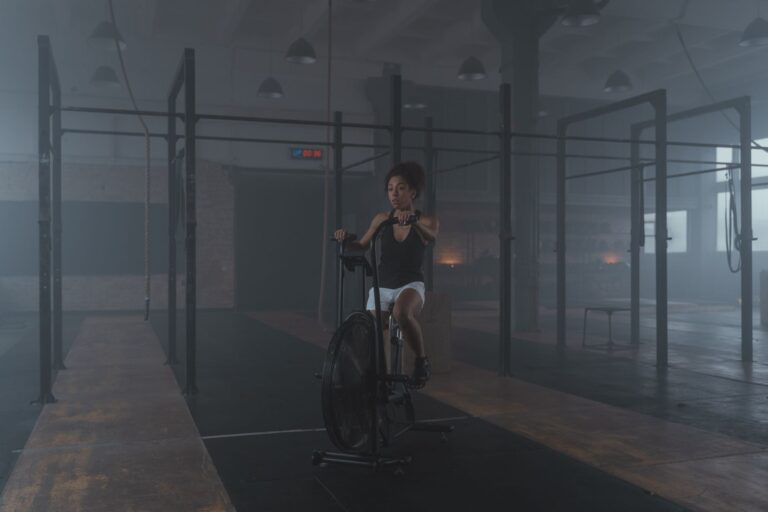
Stand-up paddleboarding (SUP) delivers a genuine cardiovascular workout that rivals running and cycling in terms of heart rate elevation and caloric expenditure. When you’re maintaining steady paddling on calm water at moderate intensity, your heart rate typically climbs into the 120-150 bpm range, placing you firmly in zone 2 or 3 training zones where aerobic adaptations occur. A 160-pound person paddling at a steady pace for 45 minutes can burn between 300-400 calories, comparable to a 30-minute moderate run. The key distinction between SUP and land-based cardio is stability demand.
Because you’re balancing on an unstable surface while generating forward propulsion, your core, shoulders, and legs work constantly to maintain position and generate power. This simultaneous strength and cardiovascular demand makes SUP a unique training stimulus that challenges your aerobic system while building functional strength most runners rarely develop. SUP isn’t a replacement for running-specific training if marathon performance is your goal, but as a cross-training modality it bridges the gap between pure cardio work and strength conditioning. The low-impact nature and adaptable intensity make it accessible for building aerobic fitness while giving joints a break from pounding impact.
Table of Contents
- How Does Stand-Up Paddleboarding Challenge Your Cardiovascular System?
- Understanding the Muscle Groups Engaged During Paddleboarding
- Building a Training Intensity Progression for SUP Cardio
- Stand-Up Paddleboarding versus Running and Cycling for Cardio Development
- Avoiding Common Mistakes That Limit Cardio Gains from Paddleboarding
- Seasonal Progression and Building Your Annual SUP Training Plan
- Integrating SUP into Your Overall Fitness and Cross-Training Strategy
- Conclusion
- Frequently Asked Questions
How Does Stand-Up Paddleboarding Challenge Your Cardiovascular System?
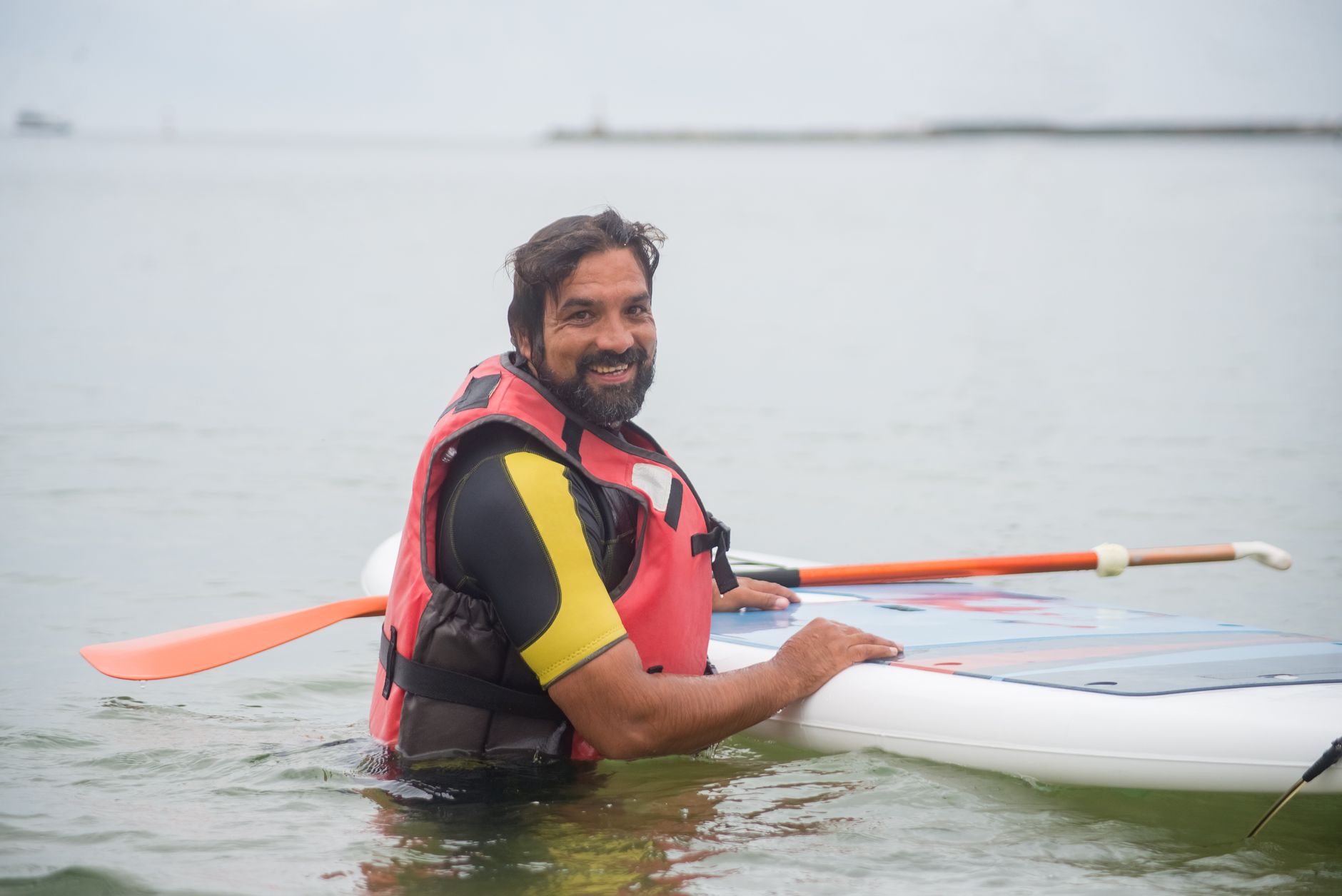
SUP elevates heart rate through two simultaneous demands: the stability challenge and the propulsive effort. Your core muscles engage throughout the entire session to keep you upright on a moving surface, while your shoulders and arms drive the paddle through the water. This combination means your cardiovascular system is working to fuel both stability maintenance and forward momentum. On a calm lake, a relaxed paddle maintains heart rate around 110-130 bpm, while transitioning to moving water, stronger wind conditions, or deliberately picking up pace can push you into 150-170 bpm territory. The progression is straightforward: flat, protected water at easy pace is your base aerobic work.
Moving to slightly choppy conditions or increasing paddle cadence raises intensity. Sprinting intervals or paddling into strong wind delivers high-intensity cardio comparable to track repeats or tempo runs. This scalability means you can dial in the exact training zone you need on any given day, which is a significant advantage over open-water swimming where conditions are often binary—good or not good. One limitation worth acknowledging: if you’re training for specific running performance, SUP doesn’t replicate the neuromuscular demands of running. Your legs aren’t propelling you the way they do on pavement or trail, so if you’re training for a 5K race, SUP develops your aerobic base but doesn’t build running-specific strength or efficiency. However, for general cardiovascular fitness and aerobic development, SUP delivers results.
Understanding the Muscle Groups Engaged During Paddleboarding
Stand-up paddleboarding is legitimately full-body work, not just upper body despite the obvious shoulder and arm involvement. Your core—rectus abdominis, obliques, and transverse abdominis—contract continuously to maintain your center of gravity on the board. Your back stabilizers engage every time you plant the paddle. Your legs and glutes fire to transfer power from your lower body up through your torso and into the paddle. This integrated chain means you’re building functional strength across muscle groups that runners often neglect. The catch is that paddling strength improves over weeks, not days. A beginner on their first SUP session will feel shoulder fatigue and muscular burn well before cardiovascular fatigue sets in.
Your muscles lack the endurance conditioning to sustain paddling effort, so your perceived cardio intensity might be masked by muscular fatigue. After four to six consistent sessions, muscular endurance adapts and your cardiovascular system becomes the limiting factor rather than shoulder endurance. This is why it’s critical to approach early SUP sessions conservatively—fatigue feels the same whether it’s cardiac or muscular, and paddling while fatigued significantly increases stability risk. The upper back and posterior chain receive unusual stimulus compared to typical cardio. If you’re accustomed to running, your anterior core and hip flexors are well-developed while your back muscles may be relatively weak. SUP reverses this pattern, building posterior chain strength that actually improves running posture and reduces injury risk. A runner who incorporates regular SUP develops balanced musculature that supports better spinal alignment.
Building a Training Intensity Progression for SUP Cardio
SUP cardio training follows the same intensity framework as running: base aerobic work, tempo work, and high-intensity intervals all translate to paddling. Your zone 2 work is easy paddling on calm water where you could maintain conversation—this is where you spend 60-70% of your paddling time and where aerobic adaptations occur. Zone 3 is steady-state paddling where speaking full sentences becomes difficult but you could manage short phrases. Zone 4 and 5 work is where you push hard enough that sustained effort becomes difficult, typically in 3-5 minute blocks with recovery between efforts. A practical example: Monday might be an easy 45-minute paddle on flat water, keeping heart rate around 120 bpm.
Wednesday becomes your tempo session where you paddle at a hard-but-sustainable pace for 20 minutes, sitting around 140-150 bpm. Saturday might be an interval session where you paddle hard for 4 minutes, recover for 3 minutes, repeat 4-5 times. The progression works because paddling intensity is immediately adjustable—increase paddle cadence, attack the water harder, or seek choppier conditions to raise intensity instantly. The measurement challenge is that SUP training zones are individual and water conditions matter enormously. A paddler working at 140 bpm on a lake might be working zone 3, while another paddler at the same bpm might be zone 2 simply because their fitness is different. Heart rate monitors or pace/distance tracking (if your board has GPS) helps calibrate your understanding of intensity, but the talk test remains reliable—can you speak in sentences or just single words?.
Stand-Up Paddleboarding versus Running and Cycling for Cardio Development
If your goal is pure aerobic fitness in the shortest time, running typically delivers. A 30-minute run at hard effort produces greater aerobic stimulus than a 30-minute SUP session because running doesn’t require stability work and can be more intensely exhausting. Cycling occupies middle ground—higher intensity potential than SUP because leg power is your primary propulsive force, but less stability demand. SUP trades peak intensity potential for strength-building and joint impact reduction. Where SUP excels is durability and longevity. A runner doing 40 miles per week takes significant impact stress; a paddler doing equivalent time on water generates zero impact.
If you’re carrying excess weight, recovering from injury, or simply prefer low-impact cardio, SUP returns better relative value than running. The tradeoff is clear: SUP builds endurance and strength simultaneously while running builds endurance and running-specific power. For someone seeking general fitness, SUP delivers. For someone training for a road race, running is non-negotiable. Combining SUP with running creates an effective training plan that wouldn’t work if you were doubling down on the same modality. A runner doing 4 running days per week and adding 2 SUP sessions gets aerobic development, injury-risk reduction through reduced impact, and posterior chain strength development that improves running posture. The modality diversity prevents overuse patterns that emerge from single-sport focus.
Avoiding Common Mistakes That Limit Cardio Gains from Paddleboarding
The most frequent mistake is insufficient consistency. SUP requires neurological adaptation to balance on water; this adaptation takes 4-6 weeks before the activity feels natural. Beginners who do one session every two weeks never reach the consistency threshold where muscular adaptation allows cardiovascular intensity to become the training stimulus. A meaningful cardio training block requires weekly sessions, minimum. Two sessions per week is optimal, three or more if SUP is your primary cardio modality. Another common error is overestimating intensity early. Paddlers with running backgrounds often approach SUP at their running intensity level and experience rapid fatigue and sometimes falls because core and shoulder endurance haven’t adapted. This creates a false ceiling where paddlers think they’ve hit their SUP fitness limit when they’ve actually just overreached.
A runner with 5K fitness isn’t automatically zone 3 fit on a paddleboard. Start conservatively, spend 2-3 weeks in true zone 2 work, then progress intensity. The safety warning deserves emphasis: paddling while fatigued increases drowning risk. Unlike running where fatigue simply means slower pace or a shortened workout, paddling while exhausted means reduced core stability and impaired balance. Your risk of entering water increases substantially. A basic rule: stop before you’re completely exhausted, especially during early sessions. You’re building fitness, not proving something. If you’re paddling alone, this becomes even more critical—end sessions with energy reserves remaining.
Seasonal Progression and Building Your Annual SUP Training Plan
If you have access to water year-round, SUP can be a consistent primary cardio modality. If you’re seasonal (frozen water in winter or no access in certain months), SUP works best as a summer/fall block that builds aerobic base you maintain through winter running or gym work. A practical annual structure is six weeks of base building with consistent zone 2 work, four weeks of intensity focus with tempo and interval sessions, then a maintenance block where you do one or two paddling sessions weekly alongside other training.
A specific example: a runner planning to race a half-marathon in October might use May-July for a 12-week SUP block doing 2-3 paddling sessions weekly. This develops aerobic fitness and reduces impact stress during a high-mileage training block. In August they shift to pure running focus while maintaining one recovery paddle session weekly. This pattern maximizes aerobic development while building injury resilience through modality variation.
Integrating SUP into Your Overall Fitness and Cross-Training Strategy
SUP occupies a unique space in cross-training because it’s simultaneously pure cardio and functional strength work. A triathlete might view SUP as supplementary to their three core disciplines, but a runner with limited time benefits enormously from SUP’s dual stimulus. Unlike stationary cycling or elliptical work that develops cardio in isolation, SUP packages aerobic development with core strengthening, posterior chain building, and balance improvement—all practical adaptations that reduce injury risk.
The future of SUP training will likely see more structured programming as the sport professionalizes. Currently, most SUP cardio work is self-designed, but as the sport grows, structured training plans and coaching will become more available. The adaptability of paddleboarding—it works on lakes, rivers, oceans, and even flatwater canals—makes it accessible in most geographical regions where water exists, expanding its utility as a training tool for general fitness beyond pure sport-specific development.
Conclusion
Stand-up paddleboarding is a legitimate and effective cardiovascular training modality that builds aerobic fitness while simultaneously developing functional strength most land-based cardio neglects. The low-impact nature makes it suitable for athletes with joint concerns, the intensity scalability allows you to dial in appropriate training zones, and the muscular engagement creates a more comprehensive training stimulus than pure endurance running or cycling.
The practical next step is accessing a board and water—either through rentals, purchase, or membership at a local paddleboarding facility. Start with consistent zone 2 sessions on calm, protected water, progress gradually to harder intensity and more challenging water conditions, and integrate SUP with your existing training to gain both the aerobic benefits and injury-reduction advantages of cross-training. Done consistently over weeks, SUP builds genuine fitness while being genuinely enjoyable.
Frequently Asked Questions
How many calories does SUP burning really?
A 160-pound person paddling at moderate pace for 45 minutes typically burns 300-400 calories. Heavier individuals burn more, lighter individuals burn less. High-intensity paddling can reach 500+ calories per hour. This is comparable to moderate running pace.
Is SUP better than running for cardio?
No, they’re different. Running typically builds higher peak aerobic capacity. SUP builds aerobic fitness with lower impact and added strength benefit. For general fitness, SUP is excellent. For running race preparation, running is necessary.
How often should I paddle to improve cardio fitness?
Minimum one session weekly, though two sessions weekly is the practical threshold where meaningful adaptations occur. Three or more sessions weekly is optimal if SUP is your primary cardio modality.
Can I get injured paddleboarding?
Yes. Most injuries are shoulder strain from overuse or technique issues. Core and lower back fatigue can develop. The primary risk is falling into water while fatigued. Start conservatively, progress gradually, and don’t paddle alone when you’re learning.
What’s the best paddle or board for cardio training?
Stiff, efficient boards (displacement hulls designed for touring) are better than soft recreational boards. Lightweight paddles are better than heavy ones. However, rental equipment works fine for determining if SUP suits you before investing in equipment.
How long does it take to build aerobic fitness through SUP?
Neurological adaptation to balance takes 4-6 weeks. Noticeable cardiovascular improvements appear around 6-8 weeks of consistent training. Substantial aerobic base building takes 12 weeks of regular sessions.