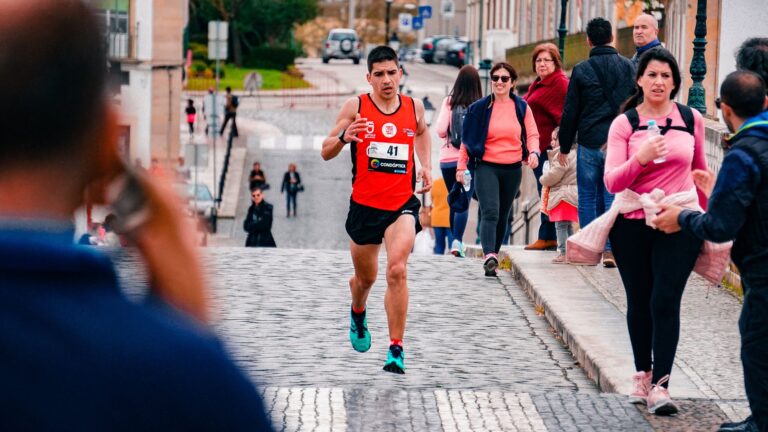
Indoor cycling is one of the most efficient ways to accumulate high-intensity minutes because it allows you to sustain near-maximum effort with minimal recovery friction. Unlike running, where impact and outdoor variables create natural pacing constraints, indoor cycling lets you control resistance and duration precisely, enabling you to hit and maintain threshold power zones for extended periods. A typical 45-minute spin class can deliver 15 to 25 minutes of genuine high-intensity work, compared to a 30-minute outdoor run that might include only 8 to 12 minutes of actual hard efforts—making stationary bikes an outsized opportunity for building aerobic capacity and metabolic adaptation.
The appeal is practical: there’s no weather dependency, no route planning, no pacing yourself around traffic or terrain. You can dial resistance to whatever you need, jump between sprint intervals and sustainable threshold work, and track power output directly rather than guessing effort level. For runners seeking to maximize intensity minutes without accumulating additional joint stress, indoor cycling offers a legitimate crosstraining pathway that translates to meaningful fitness gains when structured correctly.
Table of Contents
- How Does Indoor Cycling Actually Build Intensity Minutes?
- Why Indoor Cycling Is Superior for High-Intensity Volume—and Where It Falls Short
- The Role of Resistance and Cadence in Maximizing Intensity
- Programming Indoor Cycling Intensity for Runners
- The Risk of Overestimating Effort and Burnout
- Using Metrics to Track and Validate Intensity Minutes
- Indoor Cycling as Part of Longer-Term Running Development
- Conclusion
How Does Indoor Cycling Actually Build Intensity Minutes?
Indoor cycling builds intensity minutes through sustained efforts that elevate heart rate into Zone 3 (threshold) or Zone 4-5 (high-intensity interval zones). The key difference from other cardio is that you can hold these zones for 5, 10, or even 20 minutes at a time without the recovery drift that occurs in running. With a stationary bike, you’re supporting only your body weight against the flywheel resistance, not fighting gravity with each leg strike. This means less neuromuscular fatigue and less joint impact, allowing your cardiovascular system to work harder without systemic burnout.
Power output is measurable and repeatable on a stationary bike in ways that pace on the road is not. A rider targeting 300 watts can dial resistance to hit that number and hold it for a specific duration. A runner chasing a 7:00 mile pace battles terrain, wind, and inconsistent fitness day-to-day and must estimate effort subjectively. For building intensity minutes—the accumulation of time spent above lactate threshold or in VO2 max zones—this precision matters. A 30-minute session with 20 minutes at threshold on a bike is far more reliable than hoping to hit and hold that effort outdoors.
Why Indoor Cycling Is Superior for High-Intensity Volume—and Where It Falls Short
Indoor cycling excels at building aerobic capacity and power output specifically because it isolates the cardiovascular demand without the impact demands of running. Your quads, glutes, and hip flexors work hard, but your knees, ankles, and hips absorb no ground-reaction forces. This is a genuine advantage if you’re recovering from injury or if you want to stack intensity without piling on running mileage. Some runners boost their VO2 max by 5 to 10 percent within 6 to 8 weeks of adding two to three high-intensity cycling sessions per week. However, there’s a real limitation: indoor cycling doesn’t improve running economy or teach your body to run fast.
The biomechanics are fundamentally different. Cycling doesn’t develop your hamstrings and glutes in the lengthened, eccentric-load way that running does, and it doesn’t strengthen your ankle stabilizers or train your neural patterns for ground contact. A runner who replaces 50 percent of their running volume with cycling might see a short-term fitness bump in VO2 max tests but then plateau or regress in their actual running speed. The efficiency of the run itself requires running-specific stimulus. Using indoor cycling to replace running entirely is a losing tradeoff; using it to augment running while recovering from overuse can be smart.
The Role of Resistance and Cadence in Maximizing Intensity
intensity on a bike is controlled by two levers: resistance and cadence. Power output is the product of these two—the same 300 watts can come from grinding high resistance at 70 rpm or spinning lighter resistance at 110 rpm. For runners, lower cadence (80–95 rpm) tends to feel more natural and builds neuromuscular strength in the legs, which transfers somewhat to running power. Higher cadence (100–120 rpm) feels more running-like and spares the knees from the sustained heavy loading of low-cadence grinding.
A practical example: a 45-minute threshold workout might include 5 minutes of warm-up, 3 x 8 minutes at threshold power with 2 minutes easy between repeats, and 5 minutes cool-down. The actual intensity-minute target is 24 minutes (3 × 8). If you maintain 95 rpm throughout the threshold blocks, you’ll accumulate it more sustainably than if you’re grinding 70 rpm at the same power—your heart rate will be slightly lower, your legs will feel fresher, and you’ll be less likely to blow up midway through. Cadence choice matters for how cleanly you can stack intensity minutes without accumulating unnecessary fatigue.
Programming Indoor Cycling Intensity for Runners
For runners, the most effective use of indoor cycling is as a secondary high-intensity stimulus, not a replacement. A typical week might include two running workouts at threshold or VO2 max pace, plus one to two indoor cycling sessions at similar intensity. The cycling sessions are shorter—30 to 45 minutes total, with 15 to 20 intensity minutes—and lower impact than running, allowing you to stack intensity without courting overtraining. One tradeoff: if you’re cycling hard on Monday and doing a running threshold session on Tuesday, the recovery demand is real.
Some runners find they adapt better when they separate modalities by 48 hours. Others benefit from stacking them on consecutive days if the cycling session is moderate intensity (Zone 2) and the running session is the hard day. Testing your own response over 4 to 6 weeks is essential. A runner doing 8 intensity minutes per week in cycling plus 8 to 12 in running is accumulating 16 to 20 intensity minutes weekly—a meaningful volume that drives fitness gains without the injury risk of doing all 20 as running mileage.
The Risk of Overestimating Effort and Burnout
A common pitfall is mistaking the isolation and comfort of indoor cycling for sustainability. Because there’s no wind, no hills, and no environmental variability, indoor cycling can feel deceptively easy, leading riders to overestimate the intensity they’re producing. You might think you’re working hard, but if your heart rate is only at 80 percent max HR, you’re not in true high-intensity zone. Power meters solve this problem directly, but without one, relying on perceived exertion on a stationary bike is risky.
Overuse injuries from cycling are less common than from running, but they do occur. Repetitive knee and hip issues can develop from weeks of grinding high resistance at low cadence. The warning: high-intensity cycling should never exceed more than 3 days per week, and at least one session should be a moderate-intensity, longer-duration ride to develop aerobic base. A runner doing 4 spinning classes per week plus their normal running volume is asking for burnout or injury, not fitness gain. High intensity is metabolically expensive; stacking it carelessly will degrade recovery and suppress immune function.

Using Metrics to Track and Validate Intensity Minutes
Power meters on stationary bikes provide the gold standard for quantifying intensity. If your bike doesn’t have one built in, a power meter for a home trainer costs $300 to $800 and transforms how accurately you can dose intensity. With power data, you can precisely define your zones: 100 to 120 percent of FTP (functional threshold power) is Zone 3, 120 to 150 percent is Zone 4, and above 150 is Zone 5. Logging these sessions over time reveals whether you’re accumulating the intensity minutes you intend.
Even without a power meter, heart rate can guide you adequately if you’ve established your zones through testing. A 20-minute bike test at all-out effort gives you your estimated VO2 max power, and you can work backward to estimate your threshold HR. An example: a runner with a threshold HR of 165 bpm should target 85 to 90 percent of that (140–149 bpm) for Zone 3 threshold work. Tracking HR consistency session to session gives you confidence that you’re actually working in the right zone and not just spinning comfortably.
Indoor Cycling as Part of Longer-Term Running Development
For runners building aerobic capacity and planning races 12 or more weeks out, indoor cycling intensity becomes more valuable as the training phase advances. Early in a training block, most intensity should be running-specific because that’s where the adaptation matters most. By 8 to 10 weeks out from a goal race, adding cycling intensity becomes a way to maintain fitness while reducing running volume and injury risk.
Elite distance runners and triathlon coaches frequently use this approach: taper running mileage while maintaining VO2 max and threshold capacity through cycling. Looking forward, the role of indoor cycling in endurance training is likely to grow as more home setups include power meters and structured workout apps. The ability to dose intensity precisely with minimal injury risk will continue attracting runners and triathletes. The limitation remains biomechanical—cycling will never replace running as your primary training stimulus—but as a high-intensity crosstraining tool, it’s moving from niche to mainstream in well-organized training programs.
Conclusion
Indoor cycling can generate meaningful intensity minutes efficiently, allowing runners to accumulate high-intensity volume without the joint impact of running alone. When used strategically—as a one to two session per week supplement to running, not a replacement—it boosts VO2 max, power output, and aerobic capacity while keeping recovery and injury risk manageable. The precision of resistance and power control makes it possible to hit and sustain specific intensity zones in ways that outdoor running often cannot.
The key is honest assessment of what indoor cycling does and doesn’t do: it builds cardiovascular fitness and power, but it doesn’t improve running economy or teach your legs to run fast. Use it to augment your running, not displace it. Track your power output or heart rate to ensure you’re actually working in the intensity zones you intend. Over an 8 to 12 week training block, two indoor cycling sessions per week—totaling 30 to 40 intensity minutes—can meaningfully accelerate fitness gains when combined with consistent running and adequate recovery.