Cardiovascular exercise does strengthen bone health in older adults, but not in the way many assume. While running and high-impact aerobic activities build bone density by creating mechanical stress on the skeleton, they must be combined with other stimulus to maximize bone health—resistance training, adequate protein, and sufficient calcium intake are equally critical. A 78-year-old competitive runner who trains three days a week may maintain bone density comparable to someone 20 years younger, but only if she also lifts weights twice weekly and consumes adequate nutrition; cardio alone cannot prevent the bone loss that accelerates after age 70.
For older adults, the relationship between cardiovascular fitness and skeletal strength is indirect but measurable. Running improves balance and coordination, which reduces fall risk—the actual cause of most osteoporotic fractures in people over 65. A study of women ages 65-80 who maintained a regular running routine found 3-5% better hip bone density than matched sedentary controls, but this protective effect disappeared within two years of stopping exercise. The implication is clear: cardio supports bone health, but only as part of a sustained, multifaceted approach.
Table of Contents
- How Does Running Impact Bone Density in Aging Bodies?
- The Interaction Between Cardio Fitness and Fracture Risk in Older Adults
- Cardio Exercise Types and Their Skeletal Impact
- Building a Sustainable Cardio Program That Protects Bones
- Hormonal Changes, Medications, and Bone Loss Despite Exercise
- Nutrition and the Cardio-Bone Connection
- Future Outlook and Emerging Research on Cardio and Skeletal Aging
- Conclusion
- Frequently Asked Questions
How Does Running Impact Bone Density in Aging Bodies?
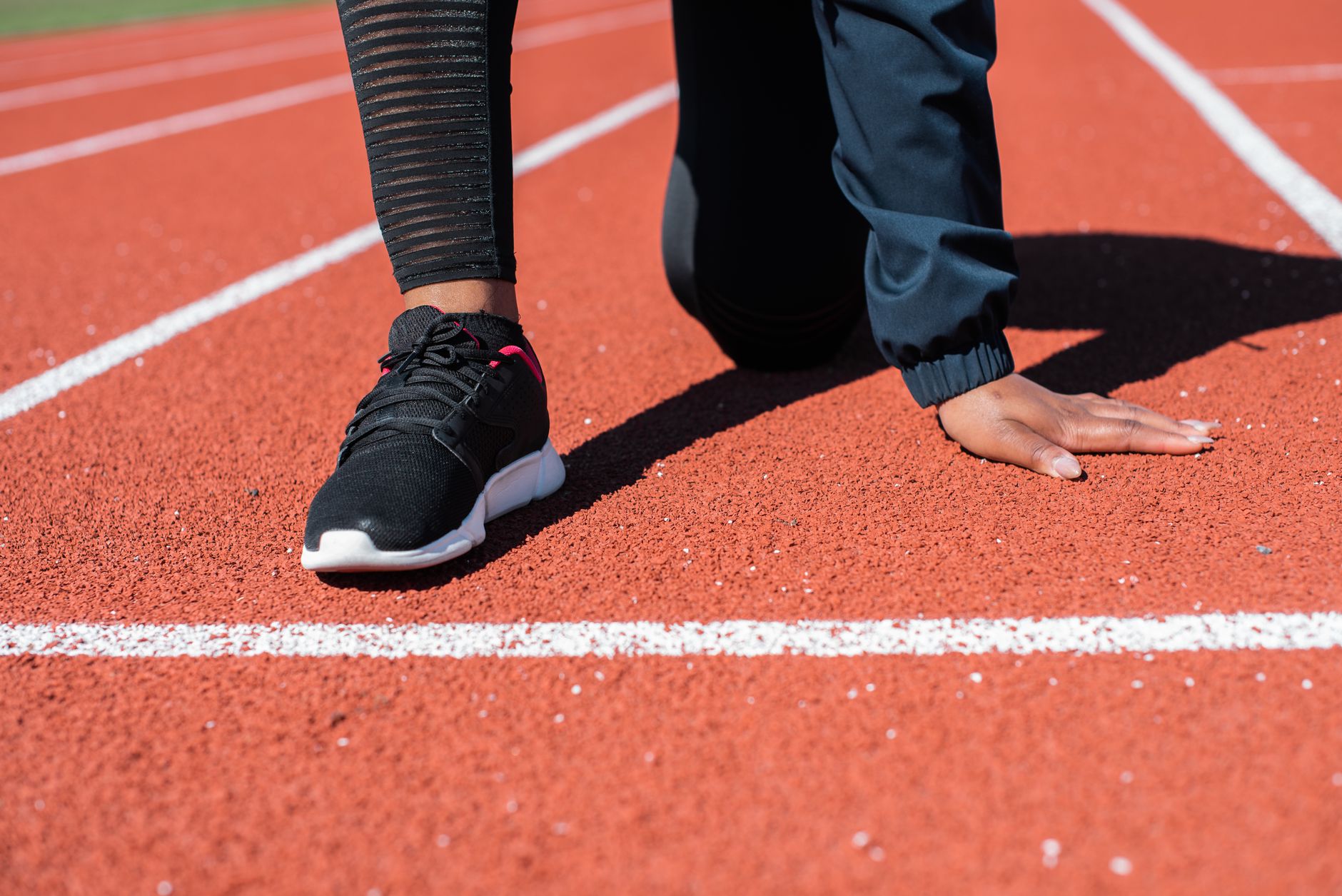
Running creates mechanical forces that stimulate bone-building cells called osteoblasts, signaling the skeleton to maintain or increase density. In older adults, this adaptive response is slower and less efficient than in younger runners—a 65-year-old runner may gain bone density at half the rate of a 25-year-old running identical distances. However, the effect is real. Weight-bearing aerobic exercise like running activates the hip, spine, and legs, the three skeletal regions most vulnerable to fracture-related disability in older age.
The limitation here is that cardio alone cannot overcome the baseline bone loss triggered by hormonal changes. Post-menopausal women lose bone 2-3% annually for five to seven years, a rate that no amount of running alone can fully arrest. A 70-year-old man who runs 20 miles per week but does no resistance training will still lose 0.5-1% of bone mass yearly—just slower than a sedentary peer. Runners do benefit from the cumulative effect: someone who has run consistently for 30 years often arrives at age 60 with a higher bone density baseline, providing a buffer against age-related loss. But starting a running program after 65 without concurrent strength training produces modest benefits that take 18-24 months to become measurable.
The Interaction Between Cardio Fitness and Fracture Risk in Older Adults
Cardiovascular fitness and bone strength together reduce fall-related fracture risk—the mechanism by which most osteoporotic breaks occur. A fit older adult with strong cardiovascular capacity has better balance, reaction time, and leg strength to catch a fall, even if bone density is slightly lower than average. This explains why some 80-year-old runners sustain fewer fractures than sedentary 65-year-olds with higher measured bone density. A major limitation is that fall prevention depends on continued exercise consistency.
Missing six months of cardio and strength training after age 70 results in observable declines in balance and proprioception—the body’s sense of position in space. A runner who stops training abruptly due to injury or illness may see her fracture risk rise sharply even if bone density remains stable, because the neuromuscular protective mechanisms fade. Additionally, running at high intensity can pose injury risk in older adults with poor bone quality (regardless of density), particularly in the femoral neck and spine. An osteoporotic 75-year-old who returns to distance running without gradually building volume faces elevated risk of stress fractures, even though running would benefit her bones if approached cautiously.
Cardio Exercise Types and Their Skeletal Impact
High-impact activities like running produce greater bone stimulus than low-impact options like swimming or cycling. Running generates impact forces of 2-2.5 times body weight with each foot strike, signaling bones to strengthen. Swimming, despite excellent cardiovascular benefits, creates minimal skeletal loading because water buoyancy eliminates impact—competitive swimmers often have lower bone density than runners of the same age, a tradeoff worth understanding.
Elliptical machines and stationary cycling fall between these extremes. They build cardiovascular fitness with minimal impact, making them safer for those with existing joint pain or fragile bones, but they provide less bone stimulus than running. A 70-year-old with early osteoporosis or osteopenia might achieve better long-term skeletal health cycling three days weekly plus strength training than attempting to run and risking a stress fracture that derails all activity. The choice depends on individual bone status, not just fitness preferences.

Building a Sustainable Cardio Program That Protects Bones
For older runners, consistency and gradual progression matter more than intensity. A reasonable approach is 150 minutes of moderate-intensity cardio weekly—about three 50-minute runs or five 30-minute sessions—combined with two sessions of resistance training targeting the hips, spine, and legs. This combination addresses both cardiovascular fitness and skeletal loading. Someone starting this program at age 65 after years of sedentary life should expect 12-18 months before bone density improvements appear on a DEXA scan.
One practical tradeoff: higher-mileage running (40+ miles weekly) does maximize bone stimulus but increases injury risk in older adults, particularly stress fractures in the tibia and femur. A 72-year-old who shifted from 30 miles weekly to 50 miles weekly increased his training stress fracture risk by 40% despite improved bone density—the mechanical stimulus was too aggressive for his tissues to handle. Most bone benefits in older adults plateau around 20-30 miles weekly when combined with strength training, suggesting that more is not better for those past 65. Moderate, consistent running produces better long-term outcomes than intense, sporadic running.
Hormonal Changes, Medications, and Bone Loss Despite Exercise
Age-related hormone decline—particularly in testosterone and estrogen—drives bone loss faster than exercise can compensate. A 70-year-old man on no testosterone replacement loses 1% of bone mass yearly even while running 25 miles weekly, because his body’s hormonal environment actively signals bones to remodel downward. This is not a failure of exercise but an illustration of its limits. Additionally, several common medications accelerate bone loss independently of activity level.
Long-term corticosteroid use (for conditions like COPD or rheumatoid arthritis) suppresses bone formation and increases fracture risk even in active older adults. Proton pump inhibitors, widely used for acid reflux, impair calcium absorption—an older runner taking daily PPIs may achieve only 40% of the bone-building benefit of running compared to someone with normal stomach acid. These interactions mean that cardio alone cannot overcome medication-driven bone loss. An older adult on these drugs needs explicit fracture risk screening (like FRAX scoring) and targeted interventions beyond fitness, possibly including pharmacological bone support.
Nutrition and the Cardio-Bone Connection
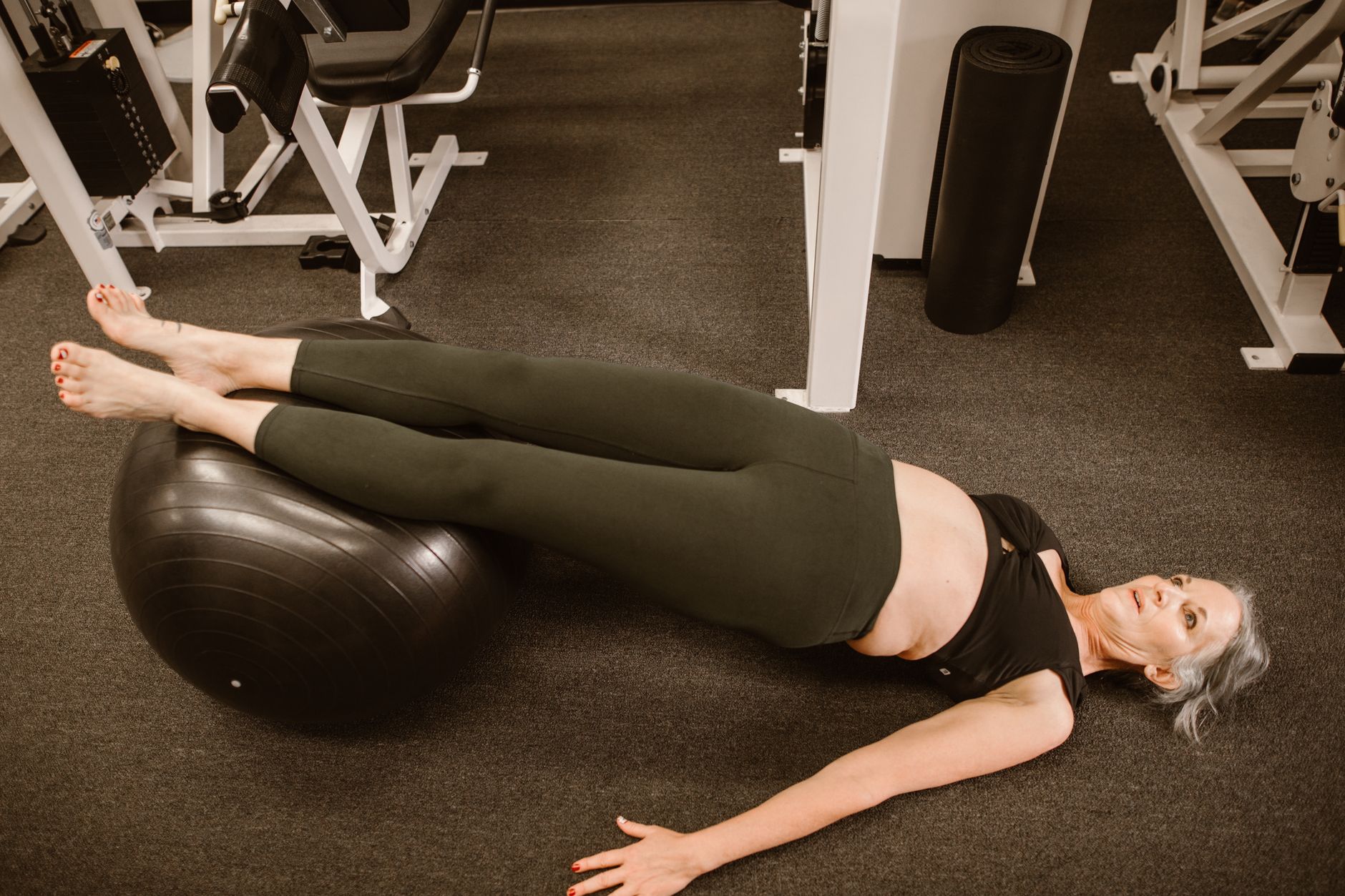
No cardio program succeeds without adequate calcium (1,000-1,200 mg daily for older adults) and vitamin D (800-1,000 IU daily, often higher with testing). A 68-year-old runner consuming 600 mg of calcium daily will see minimal bone benefit from training because insufficient mineral substrate limits the skeleton’s ability to build new bone. Protein intake also matters; bone remodeling requires amino acids, and older adults need 1.0-1.2 grams per kilogram of body weight daily, higher than younger adults.
A 150-pound runner needs roughly 68-82 grams of protein daily—an amount that requires deliberate planning to reach. Real-world example: a 72-year-old woman running 15 miles weekly but consuming only 45 grams of protein and 700 mg of calcium daily showed no bone density gain over two years despite consistent training. When her dietitian adjusted her intake to 75 grams protein and 1,100 mg calcium, she gained 1.2% bone density annually—the same running, doubled benefit through nutrition.
Future Outlook and Emerging Research on Cardio and Skeletal Aging
Recent research is exploring personalized approaches to bone health in aging runners, moving beyond one-size-fits-all guidelines. Genetic factors influence bone quality and response to exercise; some older adults gain significant bone density from running while others show minimal change despite identical training. Advanced bone-imaging techniques like trabecular bone score (TBS) are beginning to complement traditional DEXA scans, identifying those at highest fracture risk despite normal density measurements.
Within five years, older runners may have genetic or imaging profiles that predict their individual cardio-bone benefit and guide personalized programming. The broader shift is toward viewing cardio fitness and bone health as interdependent systems in aging, not separate concerns. An older runner who builds cardiovascular reserve, maintains muscle mass through resistance training, and optimizes nutrition does not just live longer—she likely lives longer without fracture-related disability, independence loss, or accelerated frailty. The integration of these elements, not cardio in isolation, defines successful aging for active adults.
Conclusion
Cardiovascular exercise meaningfully supports bone health in older adults, but only as part of a comprehensive approach. Running and other weight-bearing aerobic activities stimulate bone remodeling, improve balance and fall prevention, and reduce fracture risk when sustained consistently. A 65-year-old who has run for decades arrives at older age with a skeletal advantage, and those starting cardio at any age will see measurable bone benefits within 18 months if they also include resistance training, adequate nutrition, and proper recovery.
However, cardio alone—without strength training, sufficient calcium and vitamin D, adequate protein, or attention to medications and hormonal status—provides only partial bone protection. For older runners, the most effective strategy combines consistent weight-bearing cardiovascular exercise with targeted resistance training, deliberate nutrition, and medical screening for conditions that accelerate bone loss. This multifaceted approach leverages cardio’s skeletal benefits while addressing the systemic factors that dominate bone health in aging bodies.
Frequently Asked Questions
Can walking provide the same bone benefits as running for older adults?
Walking is excellent for cardiovascular health and fall prevention but produces less bone stimulus than running because it generates lower impact forces. Brisk walking (4.5+ mph) may maintain bone density but rarely increases it; running produces measurable density gains. However, for someone with severe osteoporosis, walking plus strength training is safer than running.
How often should I do cardio to see bone density improvements?
Consistency matters more than frequency. 150 minutes weekly of moderate-intensity cardio (roughly three 50-minute runs) combined with resistance training typically shows measurable bone gains within 12-18 months. More frequent training does not accelerate bone improvement proportionally and increases injury risk in older adults.
Does osteoporosis medication eliminate the need for exercise?
No. Medications like bisphosphonates slow bone loss but do not restore bone strength to healthy levels. Exercise remains essential. The combination of medication, exercise, and nutrition produces better outcomes than either approach alone. Discuss medication alongside training with your doctor.
Can I build bone density by starting running after age 70?
Yes, but gains are slower and require commitment. Starting a running program at 70 should include a gradual build (adding 10% per week), concurrent strength training, bone density screening, and attention to nutrition. Expect measurable gains in 18-24 months rather than 6-12.
What’s the relationship between running pace and bone impact?
Faster running produces higher impact forces, generating greater bone stimulus—but it also increases injury risk. Moderate-intensity running (conversational pace, 60-70% max heart rate) provides sufficient bone stimulus for older adults with lower injury risk than high-intensity training. Distance matters more than speed for bone health.
Should I avoid running if I have low bone density?
Not necessarily. Start cautiously with a doctor’s clearance, use a gradual progression plan, and combine running with strength training. Low-impact cardio like elliptical machines or cycling may be safer initially, transitioning to running as bone status stabilizes. A physical therapist can assess your individual risk.