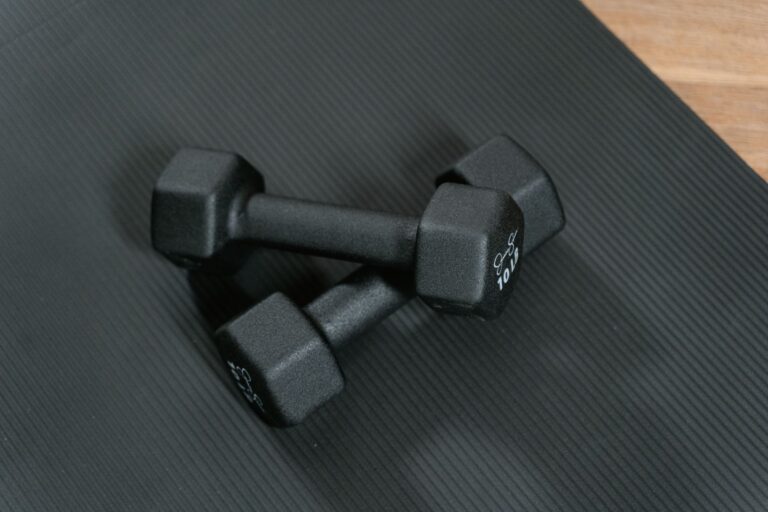
The CDC recommends both cardiovascular exercise and strength training because they address different aspects of physical fitness and work together to provide comprehensive health benefits that neither type of exercise can achieve alone. Cardio strengthens your heart and lungs while burning calories, but it doesn’t build or maintain muscle mass. Strength training builds muscle and bone density, but it doesn’t provide the cardiovascular adaptations your heart needs.
For example, a runner who logs 30 miles a week but never lifts weights will have excellent aerobic capacity but may experience age-related muscle loss and weaker bones, while someone who only lifts weights will have strong muscles but potentially weaker cardiovascular function and reduced endurance capacity. The CDC’s dual-exercise recommendation exists because research consistently shows that the combination of both activities produces better overall health outcomes than either one alone. This isn’t just theory—it’s what the CDC and leading health organizations have concluded after reviewing decades of research on how the human body responds to different types of physical stress. When you exercise only one way, you leave significant health benefits on the table.
Table of Contents
- HOW CARDIO AND STRENGTH TRAINING ADDRESS DIFFERENT Fitness Systems
- WHAT THE CDC GUIDELINES ACTUALLY SPECIFY
- THE CUMULATIVE HEALTH BENEFITS OF THE COMBINATION
- PRACTICAL STRATEGIES FOR FITTING BOTH INTO A REAL SCHEDULE
- COMMON MISTAKES AND INJURIES ASSOCIATED WITH IMBALANCE
- HOW THE RECOMMENDATIONS ADJUST FOR DIFFERENT POPULATIONS
- THE LONG-TERM SUSTAINABILITY CASE FOR THE COMBINED APPROACH
- Conclusion
HOW CARDIO AND STRENGTH TRAINING ADDRESS DIFFERENT Fitness Systems
Cardiovascular exercise trains your aerobic system—the network of veins, arteries, and capillaries that deliver oxygen and nutrients throughout your body. When you run, bike, swim, or do any sustained activity that elevates your heart rate, you’re teaching your cardiovascular system to work more efficiently. Your heart becomes stronger, your resting heart rate decreases, and your body becomes more efficient at utilizing oxygen. The cdc recommends 150 minutes of moderate-intensity activity per week—roughly 30 minutes a day, five days a week—to maintain this cardiovascular adaptation. This could be brisk walking, light jogging, or recreational cycling at a pace where you can talk but not sing. Strength training, by contrast, creates microscopic damage to muscle fibers that rebuild stronger and larger during recovery.
The CDC’s requirement of muscle-strengthening activities on 2 or more days per week targets all major muscle groups: the legs, hips, back, abdomen, chest, shoulders, and arms. This type of training doesn’t primarily improve your heart’s pumping ability, but it does improve metabolic health, bone density, functional movement, and the ability to perform daily tasks without injury. A person doing only cardio might be able to run a 5K comfortably but struggle to carry groceries or stand up from a low chair without assistance as they age. The two systems complement each other. Strong muscles improve your movement efficiency during cardio work, making running or cycling feel easier. Better cardiovascular fitness reduces the strain on your heart during intense strength-training sessions. Together, they create a resilient, adaptable body that handles both sustained effort and powerful movements.
WHAT THE CDC GUIDELINES ACTUALLY SPECIFY
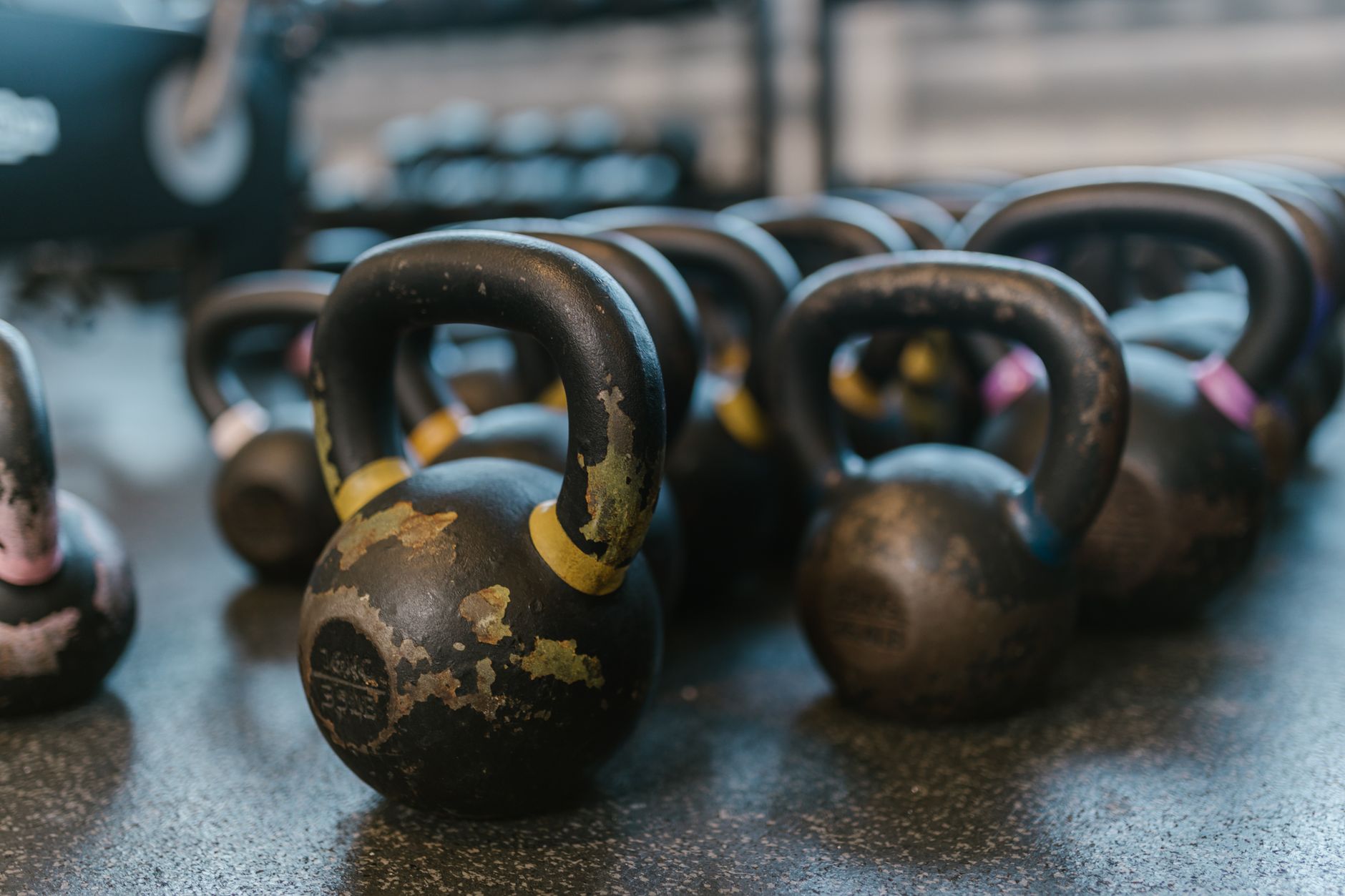
The CDC’s official adult activity guidelines establish specific targets, not vague suggestions about “staying active.” Adults need 150 minutes of moderate-intensity aerobic activity per week, or 75 minutes of vigorous-intensity activity, or some equivalent combination. This means you could run for 37 minutes at a vigorous pace three times per week and meet your aerobic requirement, or you could walk briskly for 30 minutes five days per week. The flexibility here is intentional—the CDC emphasizes that activity can be spread throughout the week and broken into smaller chunks. You don’t need to block off a continuous hour; three 10-minute walks count toward your 30-minute daily goal. The muscle-strengthening component requires activities on 2 or more days per week that work all major muscle groups. This could include traditional weightlifting, bodyweight exercises, resistance bands, or even heavy gardening if done with sufficient intensity. The key requirement is that the work challenges your muscles enough to create that adaptation response.
A limitation worth noting: many people misunderstand “2 or more days” to mean they can do the same muscle groups twice and skip others. The CDC specifies all major muscle groups, so proper strength training should hit your legs, hips, back, abdomen, chest, shoulders, and arms across those training sessions, not just do bicep curls twice and call it complete. Another important finding from recent CDC data is that approximately half of U.S. adults meet the recommended amount of physical activity, which means the other half falls short. This gap isn’t random—it correlates strongly with age, socioeconomic status, and access to facilities. The CDC also notes that going beyond the minimum recommendations provides even more health benefits. Someone doing 300 minutes of moderate-intensity activity or 150 minutes of vigorous-intensity activity will see greater improvements in disease prevention and longevity than someone meeting the minimum.
THE CUMULATIVE HEALTH BENEFITS OF THE COMBINATION
The reason the CDC recommends both is that they prevent different diseases and decline pathways. Cardiovascular exercise directly reduces your risk of heart disease, stroke, type 2 diabetes, and obesity. It improves blood pressure, cholesterol profiles, and reduces inflammation throughout the body. Strength training addresses bone density loss, which becomes critical after age 50 when natural bone resorption accelerates. For women, this is especially important around menopause; for men, it becomes significant in the 60s and beyond. Without strength training, bone density gradually declines, increasing fracture risk in falls. The metabolic benefit of strength training is often underappreciated.
Muscle tissue burns calories at rest, so maintaining muscle mass is essential for long-term weight management. Someone who loses weight through cardio alone but doesn’t maintain or build muscle may end up with a slower metabolism, making it harder to keep weight off long-term. Conversely, someone who adds muscle through strength training finds that weight maintenance becomes easier, even if they don’t change their diet. Together, these exercises also protect against functional decline and disability in aging. A 70-year-old who has maintained both cardiovascular fitness and muscle strength can walk long distances, climb stairs, play with grandchildren, and live independently. One who has only done cardio might have good aerobic capacity but weak legs and poor balance. One who has only lifted weights might be strong but tire easily on walks. The combination creates the robust health foundation the CDC emphasizes.

PRACTICAL STRATEGIES FOR FITTING BOTH INTO A REAL SCHEDULE
The challenge most people face isn’t understanding why both types of exercise matter—it’s actually fitting them into a busy week. The good news is that the CDC’s recommendation is less time-intensive than many people assume. A reasonable weekly structure might look like running three times per week (Monday, Wednesday, Friday for 30-40 minutes each) and doing strength training twice per week (Tuesday and Thursday for 20-30 minutes each). This totals roughly 2-2.5 hours per week, which fits within most schedules if it’s a genuine priority. One effective strategy is combining modalities strategically. A 5-minute strength warmup before a run—bodyweight squats, push-ups, lunges—doesn’t add much time but primes your muscles.
Conversely, running at moderate intensity for 20 minutes twice per week combined with vigorous-intensity sessions once weekly can meet your aerobic target with good variety. The comparison is important: someone doing 150 minutes of steady cardio per week will develop aerobic capacity but may experience plateaus or boredom. Someone mixing moderate and vigorous sessions stimulates different adaptations and keeps training mentally engaging. A limitation of generic advice here is that individual recovery capacity varies significantly. A 25-year-old can typically handle five sessions per week with high intensity and recover fine. A 60-year-old doing the same volume might face chronic fatigue or overuse injuries. The CDC guidelines work for average adults, but the practical implementation requires honesty about your personal recovery, work stress, sleep quality, and injury history.
COMMON MISTAKES AND INJURIES ASSOCIATED WITH IMBALANCE
The most common mistake is doing only cardio and skipping strength work entirely. Many long-distance runners fall into this trap, accumulating high mileage while neglecting the strength work that would prevent injuries and maintain bone health. These runners often experience plateau effects—eventually, more running doesn’t produce better results because the underlying strength foundation isn’t there. They’re also vulnerable to sudden functional loss if injury forces them to stop running; without muscle reserve, they decondition rapidly. The opposite mistake—strength-focused training without adequate cardio—creates different problems. Someone who spends four hours a week in the weight room but never does sustained cardio might have impressive muscles but poor cardiovascular health. Their resting heart rate might be elevated. Their ability to sustain effort over time is limited.
Their risk of metabolic complications doesn’t decrease as much as it would with adequate aerobic training. A warning here: it’s tempting to assume that intense weight training elevates your heart rate enough to provide cardio benefits. It doesn’t. While strength training is valuable and does provide some cardiovascular stimulus, it’s not a substitute for dedicated aerobic work. Another issue is exercise-induced injury from imbalance. Someone who runs 40 miles per week without strength training often develops weak hip stabilizers, which cascade into knee pain. Someone who only lifts heavy may develop poor movement patterns because they never train endurance strength or movement efficiency at speed. The CDC’s “both” recommendation exists partly because attempting one modality to extremes creates injury risk that the other modality prevents.

HOW THE RECOMMENDATIONS ADJUST FOR DIFFERENT POPULATIONS
The CDC recognizes that a one-size-fits-all approach doesn’t work. Older adults—defined as age 65 and up—should still get 150 minutes of moderate-intensity activity and muscle-strengthening work on 2 or more days per week, just like younger adults. However, the CDC adds an additional component: balance-improving activities. This is critical because falls are a leading cause of injury and functional decline in older adults. Balance work might include tai chi, yoga, standing on one leg, or heel-to-toe walking. For someone in their 70s who has been sedentary, the balance component often becomes as important as the cardio and strength components. Children and adolescents aged 6-17 have more demanding requirements in some ways.
They need 60 minutes or more of moderate- to vigorous-intensity physical activity daily—that’s significantly more than adults’ 150 minutes per week, though spread across each day. They also need muscle-strengthening activities at least 3 days per week. The practical example here is that children who play team sports often naturally hit these targets because sports involve both sustained effort and varied movements that build strength. A child doing only swimming three days per week and no strength work is meeting the aerobic target but missing the strength component. Pregnant and postpartum women also have modified guidelines. During pregnancy, maintaining cardio work is generally safe and beneficial, while strength training should be adjusted to avoid heavy loading on joints and the pelvic floor. The CDC emphasizes that even light to moderate activity during pregnancy reduces complications and aids postpartum recovery.
THE LONG-TERM SUSTAINABILITY CASE FOR THE COMBINED APPROACH
The reason the CDC makes recommendations that include both modalities is that this combination is more sustainable long-term than extreme focus on one type. Someone who runs 60 miles per week and does no strength work often burns out—joints wear down, boredom sets in, or injury forces a sudden stop. Someone who maintains 150 minutes of varied cardio activity plus two strength sessions per week can sustain that for decades. The variety keeps it engaging mentally. The balanced stimulus prevents overuse injuries.
The strength work maintains the bone and muscle reserve that prevents sudden disability. Looking forward, as the U.S. population ages and chronic disease rates remain high, the CDC’s dual-exercise recommendation will become even more relevant. Nearly half of U.S. adults currently meet activity recommendations, which means significant room for improvement through increased adoption of these guidelines. The future sustainability of population health depends on people understanding not just that they should exercise, but why the specific combination of cardio and strength training is non-negotiable for long-term health.
Conclusion
The CDC recommends both cardiovascular and strength training because each addresses distinct physiological systems and each prevents different aspects of age-related decline. Cardio strengthens your heart and lungs, reduces disease risk, and improves endurance capacity. Strength training builds and maintains muscle and bone, improves functional movement, and supports metabolic health. Neither can fully compensate for the absence of the other. The specific CDC targets—150 minutes of moderate-intensity aerobic activity plus muscle-strengthening work 2 or more days per week—are achievable within most schedules while providing comprehensive health protection.
If you’re currently doing only one type of exercise, the most practical next step is to add the missing component gradually. If you’re a runner, add two 20-minute strength sessions per week. If you’re primarily lifting, add 90 minutes of moderate-paced cardio spread across three sessions. You don’t need to be an elite athlete to follow these guidelines—consistency at moderate intensity matters far more than intensity alone. The goal is building sustainable habits that protect your health for decades, and that requires honoring both halves of what the CDC recommends.