Exercise snacks—short bursts of intense activity lasting just one to five minutes—add up to measurable cardiovascular gains that rival traditional long-duration workouts. Research shows that performing these micro-workouts at least twice daily can improve VO2 max by 5 to 17 percent, the gold standard measure of cardiorespiratory fitness. For someone struggling to find 45 minutes for a conventional cardio session, this finding is transformative: a person might climb stairs hard for three minutes after breakfast, do another three-minute staircase sprint before dinner, and over four to twelve weeks witness real improvements in their aerobic capacity and heart health.
The mechanism is straightforward. When you push your cardiovascular system into moderate-to-vigorous intensity for brief windows multiple times per day, you accumulate a training stimulus that your body recognizes and adapts to. A meta-analysis examining 27 studies with 970 participants published in early 2025 confirmed that these short bursts deliver consistent, significant benefits to maximal oxygen uptake—even when the total weekly exercise time adds up to only five to sixty-five minutes. This challenges the long-held belief that cardio improvement requires hour-long sessions.
Table of Contents
- What Counts as an Exercise Snack and Why the Brevity Works
- VO2 Max Improvements and Blood Pressure Reductions
- Metabolic and Glucose Control—The Hidden Wins Beyond Aerobic Fitness
- Building a Practical Exercise Snack Routine
- Age-Specific Responses and the Importance of Individual Assessment
- Why Adherence Stays High and the Time-Efficiency Advantage
- Cognitive and Long-Term Health Outcomes
- Conclusion
What Counts as an Exercise Snack and Why the Brevity Works
An exercise snack isn’t a casual stroll or light stretching. It’s a deliberate burst of moderate-to-vigorous activity—the kind where your breathing quickens and your muscles work hard. A typical snack lasts one to five minutes. The protocol that research has tested most thoroughly calls for at least two of these snacks performed on at least three to seven days per week, sustained for four to twelve weeks. The beauty lies in the frequency: your cardiovascular system doesn’t distinguish between thirty minutes of continuous running and six five-minute intervals of stair climbing spread throughout the day. Both create an oxygen demand that forces the heart and lungs to adapt.
Why does such a short duration work? Muscle fiber recruitment and oxygen delivery happen quickly during high-intensity effort. Within the first minute of vigorous activity, your heart rate climbs, your breathing deepens, and your muscles begin drawing oxygen more efficiently. Repeating this stimulus multiple times daily creates a cumulative training stress. Compare this to someone who exercises once a week for an hour: their body experiences one spike in cardiovascular demand, then has six days of relative rest. The person doing two five-minute snacks daily delivers six signals to the heart and lungs to adapt, creating a denser training stimulus. It’s the difference between tapping a hammer once versus tapping it six times in quick succession.
VO2 Max Improvements and Blood Pressure Reductions
The most dramatic evidence for exercise snacks centers on VO2 max—the maximum amount of oxygen your body can utilize during intense exercise, measured in milliliters per kilogram of body weight per minute. That 5 to 17 percent improvement isn’t trivial. For a runner with a baseline VO2 max of 40, reaching 42 to 46 translates to noticeable gains in pace sustainability and endurance performance. The standardized effect size across the meta-analyses was 0.63, indicating a medium-to-large real-world benefit. Blood pressure benefits follow closely.
Studies showed a standardized mean difference of −0.67 for systolic blood pressure reduction and −0.34 for diastolic reduction. In practical terms, someone with pre-hypertension might see their systolic reading drop by five to ten millimeters of mercury after twelve weeks of consistent exercise snacks. This matters because elevated resting blood pressure is a risk factor for heart disease and stroke. However, a limitation worth noting: people with uncontrolled hypertension should consult their physician before beginning vigorous exercise, and some individuals see modest blood pressure changes despite regular snacking. Individual variation is real, and genetics, diet, stress, and sleep all play roles in blood pressure control.
Metabolic and Glucose Control—The Hidden Wins Beyond Aerobic Fitness
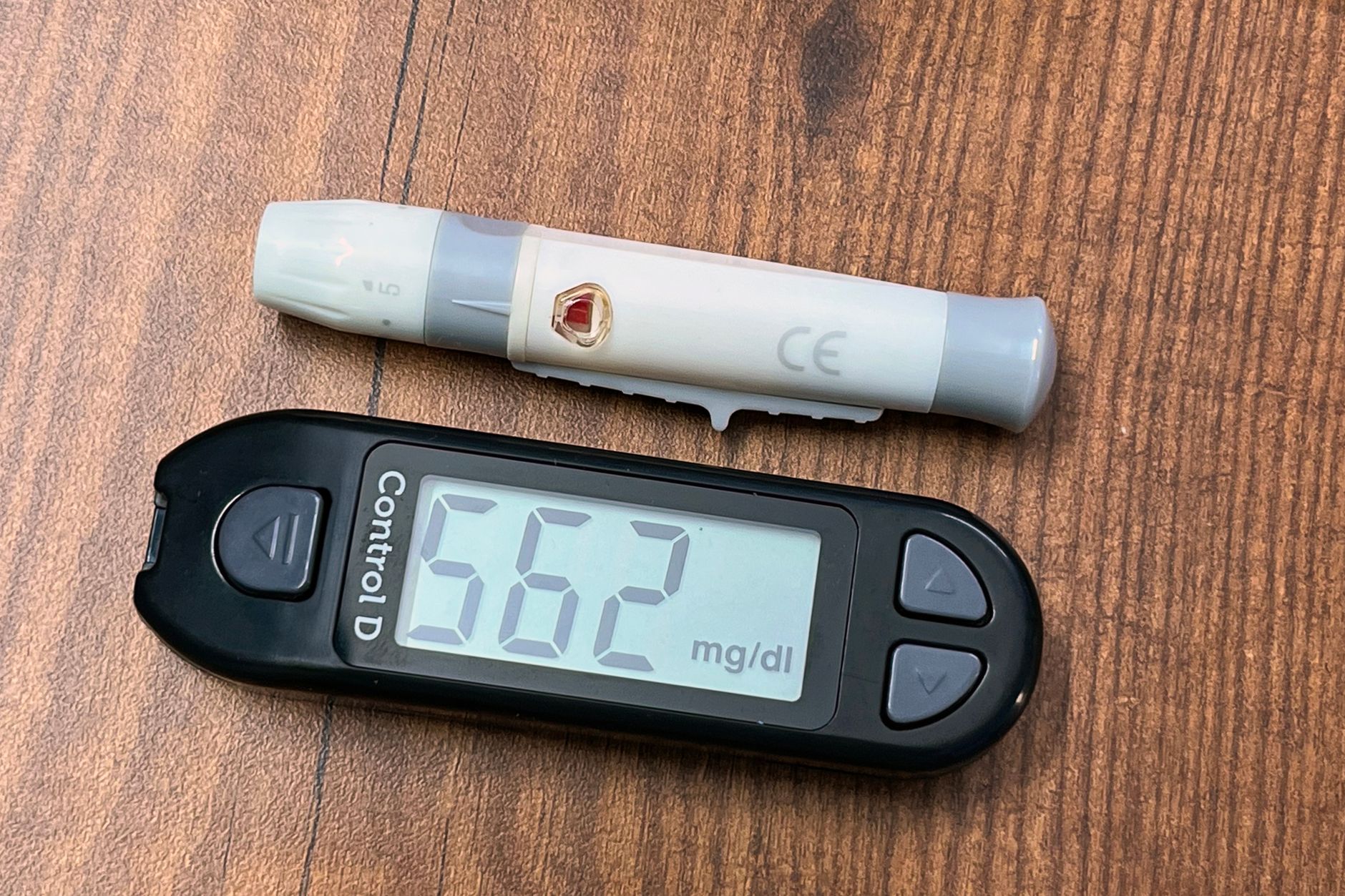
While the cardiovascular improvements grab headlines, exercise snacks also reshape how your body handles glucose and fat metabolism. Research found significant improvements in postprandial glucose—the blood sugar spike that occurs after you eat a meal. When your muscles contract vigorously, they pull glucose from the bloodstream without needing insulin, acting as a glucose sink. Perform a three-minute stair climb after lunch, and your blood sugar response to that meal flattens considerably. Over time, improved insulin sensitivity means your pancreas doesn’t have to work as hard, and your risk of type 2 diabetes declines.
The metabolic benefits extend to triglycerides and body composition. Meta-analyses found standardized effect sizes of −0.21 for body fat reduction and −0.21 for waist circumference reduction. These aren’t massive changes, but they’re meaningful—a person might lose two to three pounds of fat mass and drop a quarter-inch from their waist circumference over three months. A limitation here: exercise snacks alone don’t override a poor diet. Someone consuming excess calories will struggle to see meaningful fat loss regardless of how many stair sprints they do. Exercise snacks work best when paired with reasonable nutritional habits.
Building a Practical Exercise Snack Routine
The real-world implementation of exercise snacks varies by age and available equipment. For younger and middle-aged adults, stair climbing—whether a flight of stairs at home, in an office building, or a stadium—serves as the most studied and effective snack. A burst of stair climbing can mean climbing two flights hard, pausing to recover for thirty seconds, then climbing two more flights. The intensity should feel challenging; you should emerge breathing hard.
For those without stairs, hill sprints, cycling at high resistance for one to three minutes, or even jumping jacks and burpees indoors all qualify. Older adults benefit most from leg-focused strength exercises and tai chi, which build lower-limb strength and mobility alongside cardiovascular challenge. A snack might consist of bodyweight squats, step-ups on a sturdy bench, or flowing tai chi movements performed at brisk intensity for three to five minutes. The comparison here is important: older adults performing exercise snacks show improvements in VO2 max comparable to younger populations, but the muscle-building component offers additional protection against falls and frailty. The tradeoff is that older adults may need longer recovery between snacks and should begin with lower intensity to allow adaptation.
Age-Specific Responses and the Importance of Individual Assessment
Research confirms that exercise snacks work across all age groups and fitness levels, with acceptance and adherence rates consistently high. Older adults tolerate the protocol well, likely because the short duration prevents fatigue and soreness that might discourage someone beginning a new exercise program. However, individual variation in response is substantial. Some people see VO2 max improvements at the higher end of the range (15-17 percent), while others experience gains of 5 percent.
This variation depends on genetics, baseline fitness, consistency, diet, sleep quality, and other lifestyle factors. A key limitation: people with cardiovascular disease, arrhythmias, or uncontrolled blood pressure should not jump into vigorous exercise snacks without medical clearance. What feels like an appropriate intensity to a healthy person might trigger angina or arrhythmias in someone with underlying cardiac pathology. Additionally, sedentary individuals just beginning an exercise program should start conservatively—perhaps with moderate intensity (brisk walking) rather than vigorous (sprinting), working up to true exercise snacks over several weeks. Pushing too hard too fast increases injury risk and discourages continuation.
Why Adherence Stays High and the Time-Efficiency Advantage
One of the most striking findings across all research is the adherence rate. Dropout rates in exercise snack studies are lower than in traditional structured exercise programs. This likely reflects two factors: the time-efficiency advantage and the psychological ease of committing to five minutes rather than forty-five. When someone can slot a three-minute staircase sprint into their day without disrupting work, family time, or sleep, the barriers collapse. No need to change clothes, drive to the gym, shower afterward.
You grab the nearest stairs during a work break, push hard for three minutes, return to your desk breathing hard but already mentally back on task. A practical example: a busy professional with a forty-minute commute can’t easily fit a traditional cardio session into their day. But perform one three-minute stair sprint before work, another during lunch in the office stairwell, and a third before dinner at home—suddenly they’ve accumulated nine minutes of vigorous activity without major lifestyle disruption. This is why acceptability across all age groups and settings remains consistently high. The constraint is real: time is the barrier preventing most people from exercising, and exercise snacks bypass it entirely.
Cognitive and Long-Term Health Outcomes
Emerging 2026 research extends the benefits beyond traditional cardiovascular markers. A June 2026 study published in Frontiers in Public Health found cognitive performance improvements in older adults who engaged in regular exercise snacks. This suggests that the improvements in cerebral blood flow and oxygen delivery translate into measurable gains in memory, processing speed, and executive function. The connection makes mechanistic sense: better cardiorespiratory fitness supports better brain oxygenation and neuroplasticity.
For the aging population, this means exercise snacks offer a dual benefit—maintaining heart health while preserving mental sharpness. Looking forward, research continues to clarify optimal snack duration, intensity, and frequency across diverse populations. Studies are exploring whether very short snacks (sixty seconds) accumulate benefits comparable to three-to-five-minute snacks, and whether combining exercise snacks with resistance training produces synergistic gains. The practical implication is clear: exercise snacks are not a fringe strategy but an evidence-backed approach to cardiovascular health that fits modern life better than traditional programs.
Conclusion
Exercise snacks add up to real cardiovascular gains—VO2 max improvements of 5 to 17 percent, blood pressure reductions, better glucose control, and favorable changes in body composition. A person performing just two five-minute bursts of vigorous activity daily, at least three to seven days per week, will see measurable adaptations in their aerobic capacity and heart health within four to twelve weeks. The mechanism is robust across ages and populations, and the adherence rates suggest that this approach solves the time-barrier problem that defeats most exercise programs.
The path forward is straightforward: identify your snack option (stairs, hills, cycling, or strength work), commit to consistency over perfection, and track changes in how you feel, your resting heart rate, or your performance in actual running. Unlike trendy fitness approaches, exercise snacks rest on solid science with decades of exercise physiology backing. They work because your cardiovascular system responds to training stimulus regardless of whether that stimulus arrives in one long dose or multiple short bursts.