
A good headlamp is not optional for pre-dawn running—it’s essential safety equipment. If you’re hitting the pavement before sunrise, a headlamp makes you visible to traffic, reveals obstacles on your path, and lets you maintain your training schedule year-round when darkness dominates the early morning hours. Many runners mistakenly think a smartphone light or basic keychain flashlight will suffice, but these fail quickly when you need them most, producing unstable beams and draining battery power within minutes of use. Consider the typical scenario: You’re running at 5:30 a.m.
on a November morning when it won’t be light for another hour. A weak light source means drivers might not see you until it’s too late, and a poorly positioned beam won’t catch the pothole or curb that could turn an ankle. A dedicated running headlamp solves both problems by providing a stable, hands-free light source positioned at eye level, ensuring optimal visibility both for you and for oncoming traffic. Beyond visibility, the right headlamp fits seamlessly into your routine. Unlike handheld flashlights that tire your arms or phone lights that deplete your device’s battery, a headlamp straps securely to your forehead and stays put through the entire workout, whether you’re doing a three-mile easy run or crushing a ten-mile tempo session.
Table of Contents
- Why Do Pre-Dawn Runners Need Consistent Lighting for Safety?
- Types of Headlamps and Their Performance Differences
- Beam Pattern and Visibility Distance: What Actually Matters on the Road
- Fit, Weight Distribution, and Comfort During Running
- Battery Performance and Runtime Limitations
- Red Light Modes and Comfort for Early Morning Eyes
- The Growing Intersection of Running Lights and Wearable Technology
- Conclusion
- Frequently Asked Questions
Why Do Pre-Dawn Runners Need Consistent Lighting for Safety?
The human eye cannot function effectively in near-total darkness, no matter how many times you’ve run a route in daylight. Your pupils can dilate, but they still need some light source to work with, and ambient light from distant streetlights or a moon is often insufficient to spot curbs, roots, or small debris on the running surface. Without a headlamp, you’re essentially running blind through your neighborhood while simultaneously being invisible to drivers who may not expect pedestrians before sunrise. The statistics are sobering. According to traffic safety data, pedestrian accidents peak during low-light hours—particularly in the early morning and evening. Drivers need time to react, and if they can’t see you until you’re already in their headlight beam, you’ve lost the margin for safety.
A headlamp helps with this asymmetry: you see the road hazards ahead, and the backscatter of your light source makes you more conspicuous to drivers approaching from behind or turning onto side streets. Many runners initially resist using a headlamp because they feel it slows them down or seems unnecessary on a familiar route. This is a dangerous assumption. Even on a route you’ve run fifty times, darkness transforms the landscape. Fallen branches, potholes from recent rain, or debris from storms create new hazards that you cannot detect without light. Adding a headlamp to your gear actually reduces injury risk and allows you to maintain your planned pace without the caution-step of running blind.

Types of Headlamps and Their Performance Differences
Headlamps for running come in three primary categories: lightweight LED models designed specifically for athletes, general-purpose camping or work headlamps that happen to function for running, and budget-oriented options that sacrifice performance for cost. The best choice depends on your priorities, but it’s worth understanding the tradeoffs before purchasing. Running-specific headlamps typically weigh between 50 and 150 grams and feature brightness levels from 200 to 500 lumens, which is adequate for most pre-dawn conditions without creating excessive glare or battery drain. Popular models from brands like Petzl, Black Diamond, and Fenix are engineered with a slight downward tilt to reduce glare in your own eyes while still illuminating the ground ahead. General-purpose headlamps, by contrast, often provide 400 to 800 lumens but weigh significantly more—sometimes over 300 grams—making them uncomfortable for extended running.
They also tend to have a more forward-facing beam design, which works well for hiking but can create eye strain during running. A critical limitation of budget headlamps is inconsistent beam quality and poor battery performance. A $15 headlamp might deliver decent light for the first twenty minutes but then dim rapidly as battery voltage drops, forcing you into dimmer light modes that defeat the purpose of carrying the device. Mid-range options ($50-$100) offer the best return on investment for runners, providing sufficient brightness, reasonable weight, and battery life that spans multiple workouts on a single charge. High-end models ($150+) add features like red-light modes for night running or smartphone connectivity, but these extras are rarely necessary for basic pre-dawn training.
Beam Pattern and Visibility Distance: What Actually Matters on the Road
The brightness rating alone—measured in lumens—doesn’t tell the complete story. A 300-lumen headlamp with a focused, forward-pointing beam can illuminate the ground 20-30 feet ahead, which is sufficient to spot obstacles and adjust your stride at an easy running pace. An 800-lumen general-purpose headlamp creates a broader beam but doesn’t necessarily throw the light as far, so the perceived visibility might actually be worse for forward running despite the higher lumen count. Most running headlamps feature a wide beam pattern that covers roughly 40-60 degrees horizontally, ensuring you see not just the center of your path but also the edges and potential hazards in your peripheral vision. This is important because roots and curbs often occur at the path’s edge, and a narrowly focused beam would miss them entirely.
If you’re running on roads with significant traffic, you also want a beam that’s bright enough to be noticed by drivers, which typically requires at least 200 lumens of output on a dark road. In more urban settings with some ambient streetlight, 150 lumens may suffice. One overlooked consideration is beam steadiness and flicker. Cheaper headlamps sometimes flicker as battery voltage fluctuates, and this flickering is actually more distracting—and less effective at alerting drivers—than a consistent, slightly dimmer beam. If you’re running past stationary people or cars, a steady light source is significantly more noticeable than an intermittently bright one, so prioritize steady output over raw lumen count.

Fit, Weight Distribution, and Comfort During Running
A headlamp that slips backward or forward with each stride becomes a distraction, and a poorly positioned light creates a distracting beam that bobs across your path rather than staying stable. The best running headlamps feature adjustable straps that distribute weight across the forehead and back of the head, similar to a lightweight baseball cap. Most quality options weigh between 60-120 grams—light enough that you forget you’re wearing it after a few minutes, but substantial enough to feel secure. When comparing headlamps, test the strap adjustment on your own head if possible. Some models use rigid straps that accommodate only a narrow range of head sizes, while others employ stretchy, adjustable material that works well for most adults.
The strap material also matters: silicone or neoprene won’t slip when you sweat, whereas thin fabric straps may slide over time, especially during longer runs when perspiration accumulates. If you’re wearing a running cap or beanie for cold weather, ensure the headlamp can be positioned over or under your hat without excessive awkwardness. Weight distribution is the key factor that separates comfortable headlamps from ones you’ll leave at home. A top-heavy lamp that concentrates its weight at the front of your forehead will create neck strain during a long run, whereas a balanced design spreads the weight across your head, making the lamp feel nearly weightless. This is why running-specific models, despite their higher cost, are worth the investment compared to general camping headlamps.
Battery Performance and Runtime Limitations
A headlamp’s practical value is directly tied to its battery life. Manufacturers often advertise runtime at maximum brightness, which can be misleading if you use the dimmer modes that you’ll actually rely on during most pre-dawn runs. A headlamp rated for three hours at full brightness might run for eight to ten hours on a lower setting, but if the lower setting is too dim to be useful, that extended runtime is meaningless. Check the actual brightness output in the mode you plan to use—typically medium or low—and verify the runtime at that setting. For a typical 45-minute to 90-minute pre-dawn run, you need at least 90 minutes of usable light at your chosen brightness level.
Most modern rechargeable LED headlamps easily exceed this requirement on a single charge, lasting several full runs between recharges. However, if you’re running frequently in winter months, you might do three or four pre-dawn workouts per week, meaning you could use your headlamp every single day for months. In this scenario, a headlamp with weak battery performance or no easy recharging method becomes frustrating. Another limitation to consider: battery performance degrades in cold weather. If you’re running pre-dawn in December or January, a rechargeable battery that provides three hours of light in summer might deliver only two hours in freezing conditions. This means wintertime runners should consider either carrying a backup lamp or prioritizing headlamps with removable, replaceable battery packs rather than permanently integrated batteries.
Red Light Modes and Comfort for Early Morning Eyes
Many modern running headlamps include a red light mode alongside the standard white beam. This feature serves two purposes: red light preserves your night vision better than white light, and it’s less disruptive if other early morning runners are approaching from the opposite direction. If you’re part of a running club that does group pre-dawn workouts, a red light mode makes sense because you can illuminate your path without blinding your training partners.
However, red light is genuinely dimmer than white light at the same brightness setting, and some runners find it insufficient for detecting obstacles at running pace. A red light headlamp works best for established routes where you know the terrain well, or for very easy, cautious running where speed isn’t the priority. If you do high-intensity pre-dawn workouts or run on unfamiliar terrain, you’ll likely want the white beam option, and the red light becomes a secondary feature rather than a primary tool.
The Growing Intersection of Running Lights and Wearable Technology
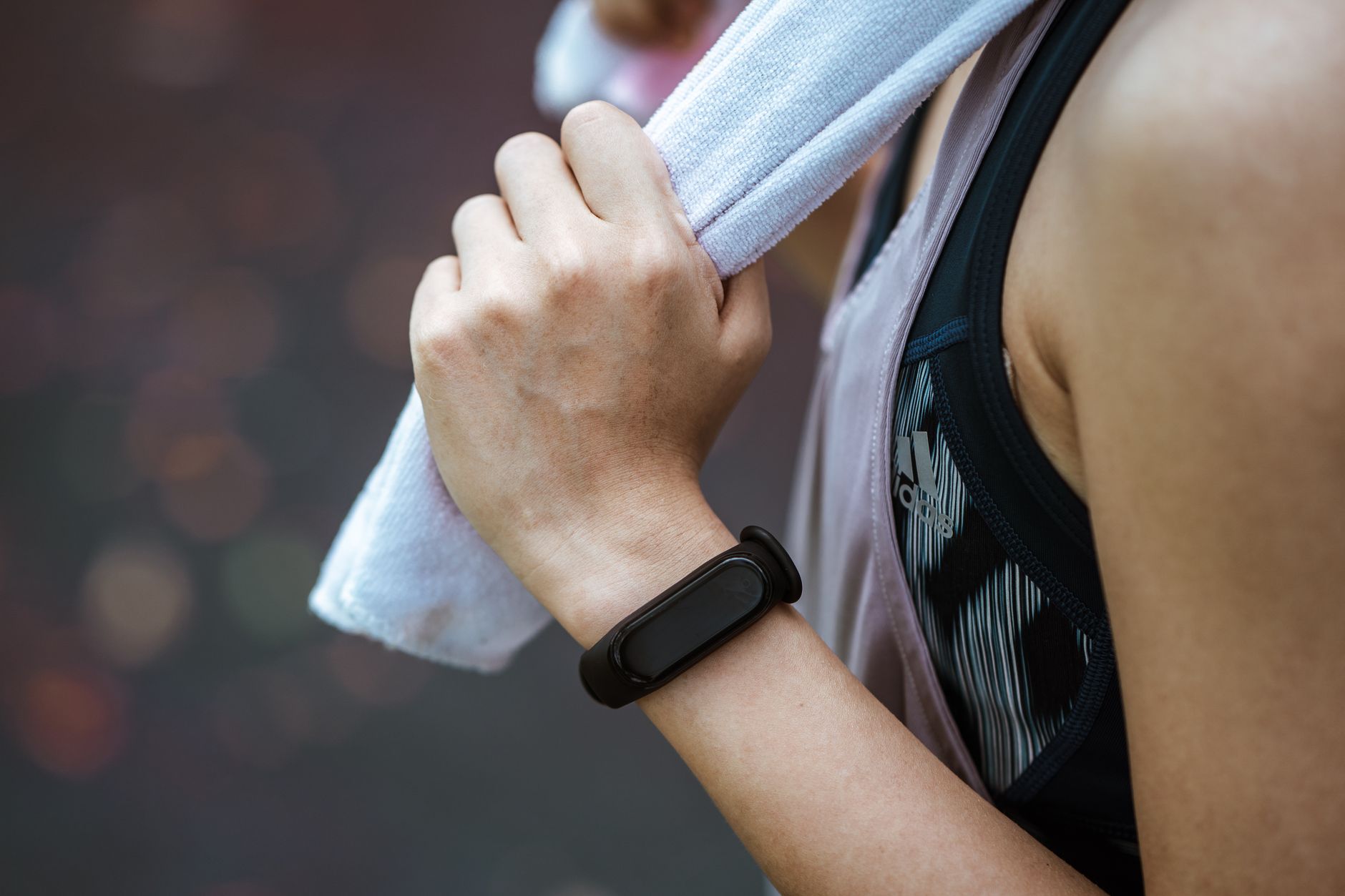
As technology advances, running headlamps are beginning to integrate with smartwatches and fitness trackers, allowing automatic activation at sunrise and sunset or adjustment of brightness based on ambient light sensors. Some models now include smart features that dim the light when you pause (detecting a rest period) and brighten again when you resume, reducing battery drain and providing automatic brightness adjustment. These features are still emerging in the mainstream market and typically add $50-$100 to the cost, but they represent the future direction of running light technology.
A few high-end models now include GPS integration and phone connectivity, sending alerts if you stray from a planned route or enabling emergency contacts to track your location during solo pre-dawn runs. For most runners, these features are unnecessary, but for runners in high-crime areas or those who run alone frequently, the safety features may provide genuine peace of mind. As these integrated systems become more common and prices drop, they’ll likely transition from luxury features to standard inclusions in mid-range running headlamps.
Conclusion
A quality headlamp is one of the most cost-effective safety investments a pre-dawn runner can make. For $50-$100, you gain visibility, safety, and the confidence to maintain your training schedule through the darkest months of the year when early morning workouts are essential.
The right lamp should be lightweight, have steady output at adequate brightness (200-300 lumens is usually sufficient), and feature a secure, comfortable fit that you forget about after the first mile. Before purchasing, identify your specific needs: Are you running solo or with others? How frequently will you use the lamp—daily, weekly, or occasionally? What’s your budget and priority—maximum performance or simplicity? Once you’ve answered these questions, test a headlamp from a reputable running brand, verify that the brightness and runtime match your planned workouts, and ensure the fit and weight distribution feel natural. With the right headlamp strapped to your forehead, pre-dawn running becomes safer, more enjoyable, and sustainable throughout the year.
Frequently Asked Questions
How bright does a headlamp need to be for pre-dawn running?
Most runners find 200-300 lumens sufficient for seeing the path and being visible to traffic. Anything below 150 lumens on dark roads starts to feel inadequate, while 400+ lumens is typically overkill and drains batteries faster.
Can I use a smartphone flashlight instead of a dedicated headlamp?
A smartphone light is better than nothing in an emergency, but it’s unreliable for regular pre-dawn running. Phone lights drain battery quickly, don’t stay in a fixed position, and are less visible to drivers than a dedicated headlamp designed to be seen.
What’s the best headlamp if I run in very cold weather?
Choose a model with replaceable batteries rather than permanently integrated rechargeable batteries, since cold reduces battery performance. Brands like Petzl offer alkaline battery options that perform better in freezing temperatures.
Do I need a red light mode on my headlamp?
Red light is optional but useful for group runs where you don’t want to blind other runners. For solo runs on fixed routes at easy paces, red light can work, but for speed work or unfamiliar terrain, white light is more practical.
How often should I replace or upgrade my headlamp?
With proper care, a quality running headlamp lasts 2-4 years before the LED dims noticeably or the battery pack degrades. Moderate-use runners often get 3-4 seasons from a single lamp before upgrade becomes necessary.
Is a heavier headlamp safer because it’s more visible?
Not necessarily. A heavier lamp might have more lumens, but visibility depends more on beam consistency and driver line-of-sight. A lighter lamp with steady output is often more effective than a heavier lamp with flicker or poor beam pattern.


