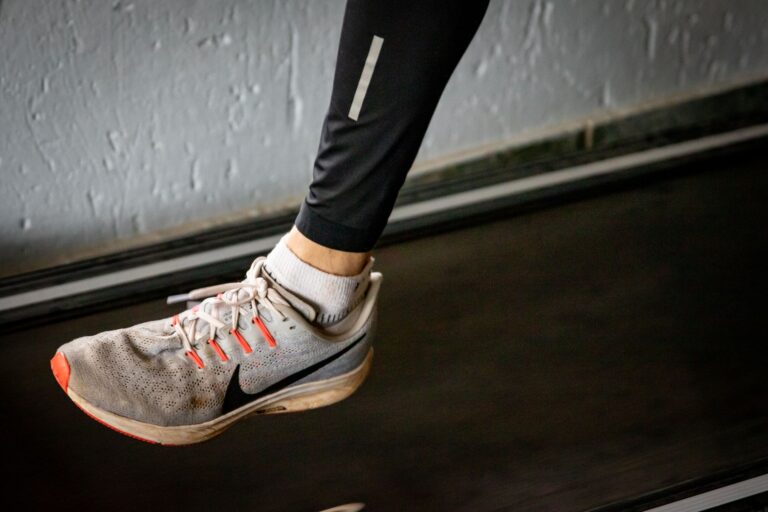
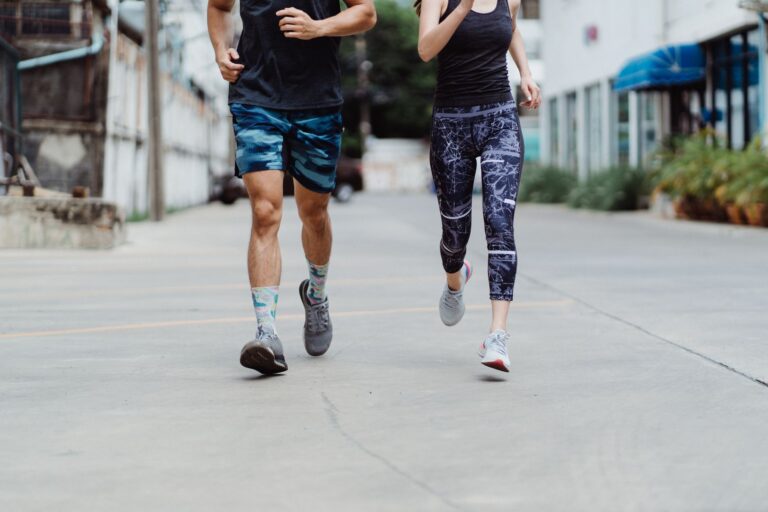
Tights with zippered storage pockets are running bottoms designed with small zip closures built into the fabric, typically placed on the sides of the thighs or ankles, allowing runners to carry essentials like keys, cards, or small phones without the bounce and discomfort of traditional cargo pockets. For runners who don’t want to wear a belt or carry a hydration pack on longer runs, these tights solve a real problem: having nowhere secure to put the items you actually need during a 5-mile workout.
The zippered design differs fundamentally from standard running tights, which often have shallow, open pockets that lose items with every stride. A runner doing a Sunday morning 10K, for instance, needs somewhere to keep her apartment key and a credit card without spending the entire run worrying they’ll fall out and be lost on the pavement. Zippered pockets eliminate that anxiety by keeping contents contained and protected.
Table of Contents
- How Do Zippered Pockets Actually Function in Running Tights?
- Storage Capacity and Realistic Limitations for Distance Runners
- Material Quality and Durability of the Zipper Installation
- Choosing Between Zippered Storage and Other Carrying Options
- Common Problems Runners Experience with Zippered Pockets
- Styling and Practical Use Cases for Different Running Situations
- The Future of Running Gear Storage Technology
- Conclusion
- Frequently Asked Questions
How Do Zippered Pockets Actually Function in Running Tights?
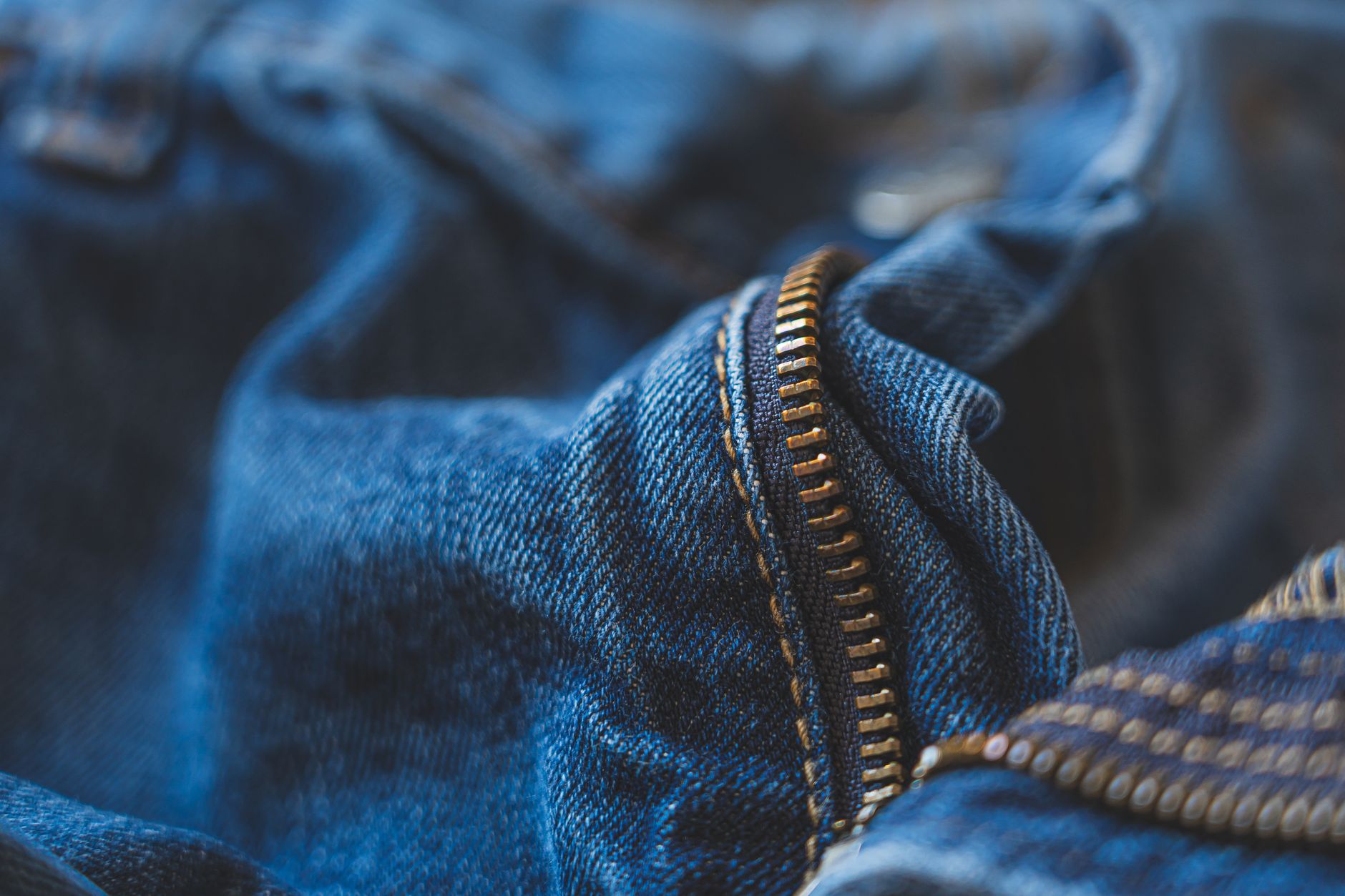
Zippered storage pockets on running tights are constructed as small sealed compartments stitched directly into the leg fabric, typically measuring 3 to 5 inches across and positioned on the outer thigh or calf area. The zippers used are usually flat, plastic or metal, designed to minimize bulk and reduce chafing against your skin. Some brands integrate the pocket as a separate lined pouch sewn underneath a window of outer fabric, while others build them flush with the garment for a sleeker profile.
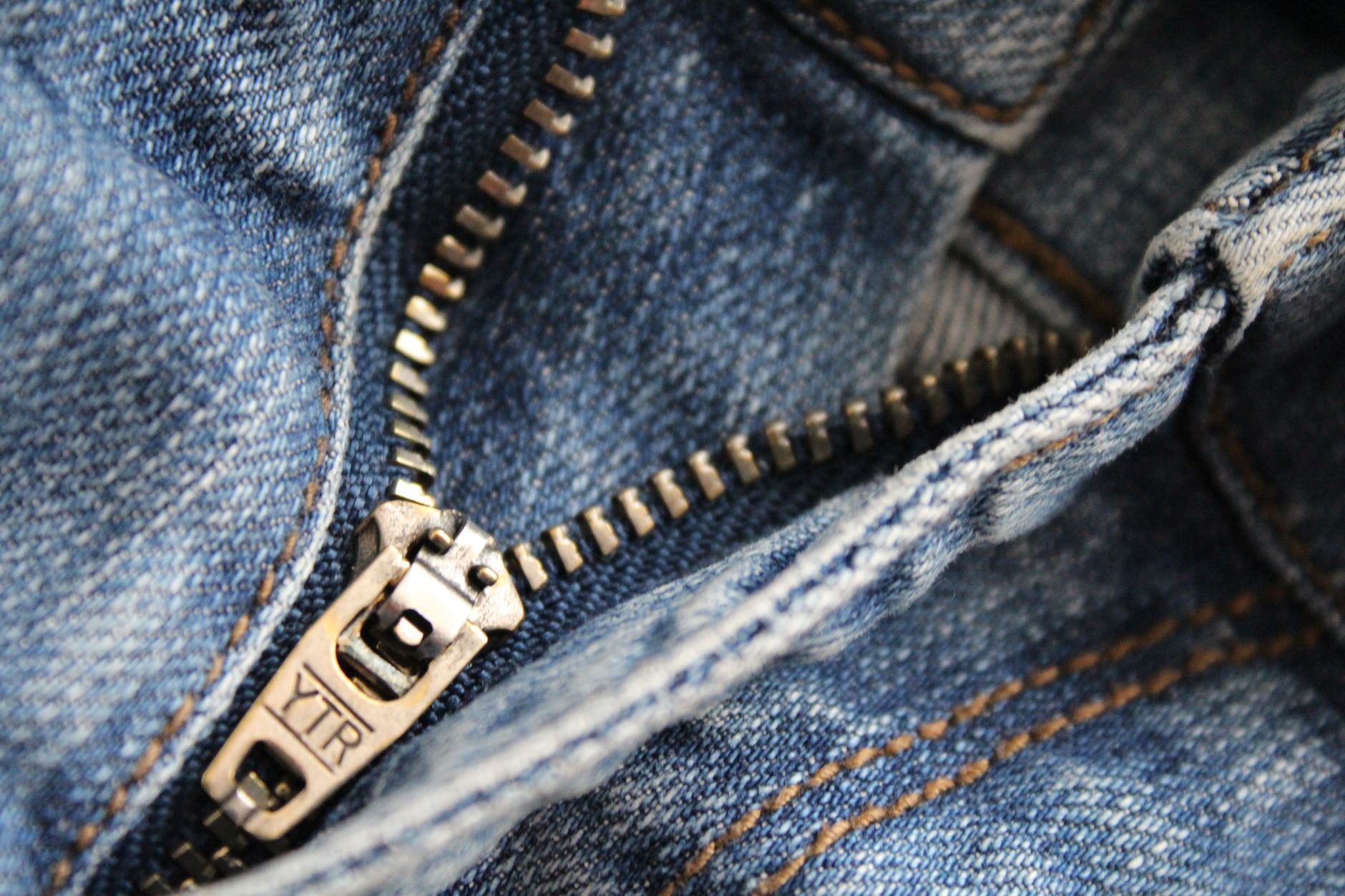
The construction method matters significantly because poorly integrated pockets can create uncomfortable ridges along your legs or become catch points during movement. A comparison: cheap zippered tights might use standard zippers that snag and require constant adjustment, while premium brands use YKK or coil zippers specifically engineered to glide smoothly and sit flat against your body. The difference becomes obvious after about two miles when you’re constantly aware of a zipper catching fabric or pulling uncomfortably against your quadriceps.
Storage Capacity and Realistic Limitations for Distance Runners
Most zippered tights pockets are designed for minimal storage: typically enough space for a single house key, a small card-based ID, or an AirTag, but not multiple items simultaneously. This limitation matters because runners often underestimate how much they think they need to carry. A runner planning a 7-mile route might assume she needs her phone (doesn’t fit), two energy gels (definitely doesn’t fit), a small flashlight, and keys—and quickly realize the pocket will hold only one or two of these items.
The zippered pocket depth also creates a secondary issue: if you carry something with hard edges like a credit card, you’ll feel it pressing against your thigh with every stride. This pressure becomes noticeably uncomfortable after 30 to 45 minutes of continuous running, even if the pocket itself functions perfectly. The lesson here is that these tights work best for minimal storage runs—neighborhood loops or track work—rather than longer adventures where you need to bring more gear.
Material Quality and Durability of the Zipper Installation
The durability of zippered tights depends entirely on the quality of the stitching around the zipper installation. This is where many mid-range brands fail: the stitching holding the zipper casing to the main garment is often too thin or uses thread that degrades quickly with washing and friction. A runner might find that after 30 to 40 wears, the stitching around a pocket begins to separate, causing the zipper to pull away from the fabric or creating small tears that let items fall out.
Premium brands like Nike, Athleta, and Lululemon use reinforced bar-tacking (dense stitching that crosses multiple times) around zipper installations, meaning the pocket stays secure through hundreds of miles and countless wash cycles. you can test durability yourself by gently tugging on the zipper from multiple angles—if you feel any give or movement in the surrounding fabric, the construction isn’t durable enough for serious runner use. This is a real-world example where spending an extra $20 on a better-constructed pair means not having to replace them after a few months of regular training.
Choosing Between Zippered Storage and Other Carrying Options
When deciding whether zippered tights make sense for your running routine, you’re essentially comparing three options: zippered tights, running belts, and handheld phone holders. Zippered tights win for convenience and minimal bulk—nothing bounces, nothing adds weight, and you don’t have to think about the gear. The tradeoff is limited storage and the discomfort factor mentioned earlier.
Running belts, by comparison, hold more items and distribute weight more evenly, but they bounce slightly and many runners find them cumbersome on shorter runs. For most distance runners, the practical sweet spot is owning zippered tights for routine 3 to 8-mile runs in familiar territory, and switching to a belt for longer routes where you need multiple items or might need access to them while moving. If you regularly run at a track or do loop routes around your neighborhood, zippered tights probably cover 70 percent of your running needs. If you’re doing half-marathons or trail running, a belt becomes essential.
Common Problems Runners Experience with Zippered Pockets
The most frequent issue runners report is that zippered pockets sit in exactly the spot where your leg flexes during running, meaning the zipper slides up and down involuntarily as you move. This constant motion not only creates a distracting sensation but also increases wear on the zipper mechanism and can eventually cause the slider to separate from the zipper teeth. To minimize this, look for tights where the pocket sits higher on the thigh, away from the natural flex zone, or choose brands that use recessed zippers designed to stay in one position.
Another real problem is that moisture and sweat can accumulate inside the pocket, especially if you’re storing anything porous like a card or paper ID. Over time, this moisture can cause the zipper tracks to corrode or develop mold inside the pocket itself. The solution is to ensure your items are fully dry before storing them and to leave the zipper open during drying to allow air circulation. Some runners have reported rust staining on their cards and keys from moisture-damaged zippers, so this isn’t a minor inconvenience—it’s a maintenance issue worth taking seriously.

Styling and Practical Use Cases for Different Running Situations
Zippered tights integrate seamlessly into your running wardrobe because the pockets are usually subtle enough not to disrupt the garment’s aesthetic lines. For tempo runs, track workouts, and neighborhood loops, they function practically without drawing attention. On a 5-mile easy run through your local park, a pair of fitted tights with zippered pockets works equally well for someone just carrying keys or someone bringing a small AirTag for safety tracking.
The practical reality is that zippered tights shine most for urban runners and track athletes who need minimal gear. A runner doing speed work at a local track can store a key and her phone with no issues. A trail runner heading into remote areas, by contrast, would find the limited storage and potential moisture issues problematic and should consider a pack instead. This makes zippered tights a specialized tool for specific situations rather than an all-purpose solution.
The Future of Running Gear Storage Technology
The running apparel industry is gradually improving zipper-integrated storage, with newer designs exploring recessed pockets that create less bulk and smoother zippers designed specifically for athletic wear. Some brands are experimenting with waterproof zipper linings to address the moisture issue, while others are increasing pocket depth by 20 to 30 percent to accommodate slightly larger items without creating uncomfortable pressure points.
Looking forward, the real innovation isn’t just better zippers—it’s thoughtful integration that acknowledges how runners actually move. As the sport continues to evolve and more casual runners participate in longer distances, gear storage solutions will become increasingly important, and zippered tights are likely to remain a viable option for short to medium-distance runners who value simplicity and minimal bulk over maximum carrying capacity.
Conclusion
Zippered tights offer a practical, minimalist storage solution for runners who want to carry a few small essentials without the bulk and bounce of a traditional running belt or pack. They work best for familiar routes under 10 miles where you need to carry only a key, card, or small tracker.
The tradeoff is limited storage capacity, potential durability issues if poorly constructed, and the discomfort of carrying anything with hard edges. If you run neighborhood loops, do track workouts, or prefer minimal-gear short runs, zippered tights are worth trying—but invest in a quality brand with reinforced stitching around the zipper to ensure they last through hundreds of miles of use. For longer adventures or trail running, consider supplementing them with a belt or pack that offers better weight distribution and greater storage capacity.
Frequently Asked Questions
Can I fit a full-size smartphone in zippered running tights?
Most zippered running tights pockets are designed for items around 3 by 5 inches maximum, which excludes standard smartphones. Compact items like AirTags, keys, cards, or small ID holders are the practical limit.
How do I prevent the zipper from sliding during my run?
Choose tights where the pocket sits high on the thigh, away from where your leg naturally flexes during running. Check zipper reviews for brands using recessed or fixed-position sliders that resist movement.
Will sweat damage the zipper?
Moisture can cause zipper corrosion and interior pocket mold over time. Allow the pocket to air-dry fully after runs, keep items dry before storing them, and leave the zipper open during drying to promote airflow.
Are zippered tights worth the extra cost compared to regular tights?
If you regularly run routes where you need to carry keys or ID, the extra $15 to $30 for zippered tights is worthwhile. If you prefer running without gear or always use a belt, regular tights may serve you better.
What should I store in a zippered pocket to avoid damage?
Store only items that are fully dry and won’t degrade from moisture exposure. Keys, plastic ID cards, and AirTags work well. Avoid paper documents, electronics, or anything with metal components that corrode easily.
Can I add zippered pockets to regular running tights?
While possible with a skilled tailor, the custom work often costs more than buying new zippered tights. DIY zipper installation risks seam integrity and moisture problems, making it less practical than purchasing purpose-built gear.