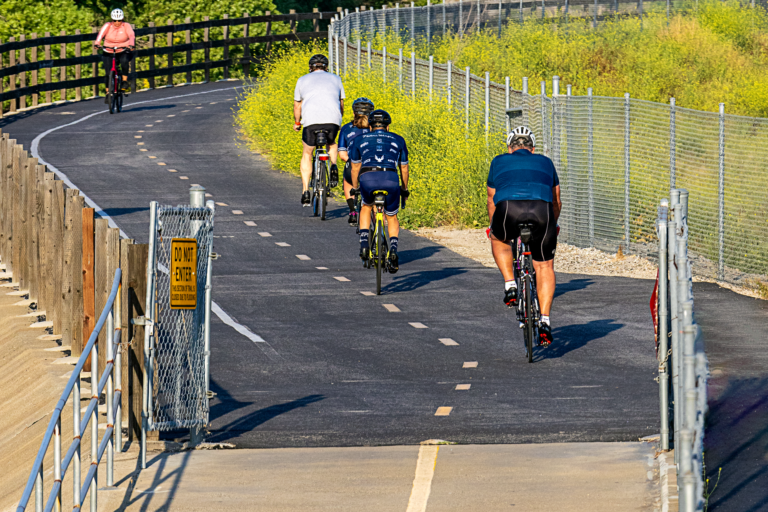
The difference between a 65-year-old who runs marathons and a 65-year-old who struggles to climb stairs comes down to a handful of modifiable factors, not destiny or genes alone. While aging does bring real physiological changes—muscle loss, hormonal shifts, and declining cardiovascular efficiency—these changes happen at vastly different rates depending on lifestyle choices, activity level, and how someone manages chronic conditions. A retired accountant in Denver who runs three times a week and strength trains regularly will have dramatically different energy levels than someone who stopped moving after retirement, even if they’re the same age and have similar genetics. The research is consistent: the adults over 60 who stay energetic tend to share specific habits. They exercise regularly, maintain muscle mass, sleep well, manage stress, and often have social connections and a sense of purpose. These aren’t secrets—they’re well-documented patterns.
But the real insight is that energy at 60-plus isn’t about fighting aging itself; it’s about fighting the decline that comes from inactivity, poor nutrition, and isolation. The good news is that none of these factors are beyond your control, even if you’re starting from a place of fatigue or declining fitness. The gap between energetic and slow-moving older adults often widens over a single decade. Someone who maintains strength training and consistent aerobic activity at 60 might have twice the functional capacity of someone sedentary—and that gap only grows. Reversing the slide is possible, but it’s harder the longer someone waits. Understanding what actually drives energy levels can help you make decisions now that protect your vitality for decades ahead.
Table of Contents
- What Separates High-Energy Adults From Those Who Decline Quickly
- The Cardiovascular Component and Why Deconditioning Compounds Quickly
- How Hormonal Changes and Metabolic Factors Influence Daily Energy
- Building and Maintaining Muscle—The Practical Reality of Strength Training
- Sleep Quality, Stress Management, and Their Underestimated Impact on Energy
- Nutrition and Hydration—The Foundation Everything Else Builds On
- Social Connection and Sense of Purpose—The Overlooked Energy Multipliers
- Conclusion
- Frequently Asked Questions
What Separates High-Energy Adults From Those Who Decline Quickly
Energy at any age flows from basic physical fitness—aerobic capacity, muscle strength, and muscular endurance. In adults over 60, the difference is stark. Someone who continues regular exercise maintains cardiovascular efficiency; their heart pumps more blood per beat, their muscles extract oxygen efficiently, and their metabolism stays responsive. Meanwhile, someone sedentary loses aerobic capacity at roughly 10 percent per decade after age 25, and that rate accelerates in the 60s and 70s for people who don’t exercise. A 65-year-old who runs three times weekly might have the VO2 max of a sedentary 45-year-old, while a sedentary 65-year-old might function like a 75-year-old. Muscle mass drives energy in ways many people underestimate.
Muscle tissue is metabolically active—it burns calories even at rest and stabilizes blood sugar, which directly affects energy levels. Adults over 60 lose about 3 to 8 percent of muscle mass per decade if inactive, accelerating to nearly 6 to 8 percent annually after age 75 for sedentary individuals. This loss isn’t just about being weaker; it triggers cascading problems. Lower muscle mass means slower metabolism, reduced calorie burn, weight gain, and higher injury risk. An older adult doing resistance training twice weekly maintains muscle mass and even builds it, reversing this decline. The difference in daily energy is profound—stairs don’t tire you out, you don’t get winded from exertion, and you have reserves for unexpected physical demands.

The Cardiovascular Component and Why Deconditioning Compounds Quickly
Heart disease, high blood pressure, and other cardiovascular conditions are common in adults over 60, and they dramatically impact energy. Someone with well-controlled blood pressure and no significant heart disease can sustain activity easily. Someone with unmanaged hypertension or atherosclerosis has a heart that works harder to do simple tasks, leaving them exhausted. The deconditioned heart becomes less efficient: it beats faster to deliver the same amount of blood, oxygen delivery to muscles lags, and fatigue sets in quickly. The dangerous part is that cardiovascular deconditioning reinforces itself.
As activity drops, fitness declines, which increases cardiovascular stress, which reduces the capacity for activity even further. A sedentary 60-year-old who becomes short of breath walking upstairs is experiencing the early stage of this spiral. The good news: moderate aerobic activity—even brisk walking—reverses this in weeks to months. However, anyone with undiagnosed heart symptoms (chest discomfort, unusual shortness of breath, irregular heartbeats) needs medical evaluation before starting exercise. This is a real limitation: you can’t outrun untreated cardiovascular disease, and pushing running-too-much-be-harmful/” title=”Can Running Too Much Be Harmful”>too hard without medical clearance carries genuine risk.
How Hormonal Changes and Metabolic Factors Influence Daily Energy
Hormones change significantly in the 60s and beyond, and they’re a major lever on energy levels. Testosterone declines in men, estrogen drops in women post-menopause, and growth hormone production decreases across both sexes. These aren’t just abstract changes—they directly affect muscle maintenance, recovery, fat distribution, mood, and sleep quality. An older adult with healthy hormone levels (typically through activity, Weight Loss“>good sleep, and healthy weight) maintains stable energy throughout the day. Someone with hormone imbalances—low testosterone in men, thyroid dysfunction in either sex, or unmanaged diabetes—experiences afternoon crashes, brain fog, and profound fatigue.
Thyroid function is a common culprit that gets missed. Hypothyroidism (underactive thyroid) becomes more common with age and can create such severe fatigue that normal activity feels impossible. The fix is straightforward—thyroid medication—but only if the condition is diagnosed. Similarly, uncontrolled diabetes impairs energy through blood sugar dysregulation; the energy roller coaster of spikes and crashes is exhausting over time. A concrete example: a 68-year-old man with well-managed type 2 diabetes, on consistent thyroid replacement, and with testosterone in healthy range experiences completely different energy than an otherwise identical peer with the same conditions but poor management. Regular blood work and medical oversight matter.
Building and Maintaining Muscle—The Practical Reality of Strength Training
Strength training is the single most powerful tool for maintaining energy past 60, but most older adults either don’t do it or do it wrong. Effective strength training doesn’t require gyms or heavy weights. Two sessions weekly of 20 to 30 minutes—targeting major muscle groups with resistance bands, light dumbbells, or bodyweight exercises—is enough to maintain and build muscle. The key is consistency and progression: you need to challenge your muscles slightly more over time, even if the increases are tiny. The trade-off is real: it requires discipline and shows up in schedule and soreness.
A typical week might include squats, chest press, rows, and core work on Tuesday, then walking or running on Wednesday, strength work again on Friday, and cardio on Sunday. This crowds a schedule, and the first two weeks bring muscle soreness that deters many people. However, the payoff is dramatic. Someone who maintains this pattern sees strength improvements within four weeks, noticeable energy increases within two months, and sustained energy and independence indefinitely. A 62-year-old woman who started strength training reported that within three months she could carry groceries without thinking twice and had energy for evening activities—things that had been draining six months prior.
Sleep Quality, Stress Management, and Their Underestimated Impact on Energy
Sleep becomes harder after 60. You wake more often, achieve less deep sleep, and are more sensitive to light and noise. Chronic poor sleep creates fatigue that no amount of rest seems to fix—a vicious cycle where tiredness makes it harder to fall asleep. Someone sleeping 5-6 hours nightly with frequent waking will be exhausted regardless of fitness level, while someone sleeping 7-8 hours deeply will have substantially more energy even if fitness is similar. Sleep apnea is common in older adults and goes undiagnosed frequently; it fragments sleep into micro-arousals, leaving someone exhausted despite spending eight hours in bed.
Stress and worry drain energy too, sometimes more than physical exertion. An older adult dealing with caregiving stress, financial pressure, or grief experiences legitimate physiological fatigue—their nervous system is in a heightened state that exhausts over time. Chronic stress elevates cortisol, disrupts sleep, and impairs recovery from exercise. There’s a real limitation here: you can’t simply exercise your way out of severe stress or undiagnosed sleep apnea. The solution requires addressing the root cause—sleep study if apnea is suspected, stress reduction through meditation or therapy, or lifestyle changes that lower pressure. A 70-year-old man reported that after getting fitted for a CPAP device for sleep apnea, his energy tripled within weeks, and he finally had the stamina for activities his wife had been encouraging for years.

Nutrition and Hydration—The Foundation Everything Else Builds On
What you eat directly impacts energy availability and recovery. Older adults often eat less protein than needed to maintain muscle, particularly if appetite has declined or if they’ve simplified meals to avoid cooking complexity. Insufficient protein means the body can’t repair muscle after exercise, so recovery is poor and fatigue persists. Dehydration is equally common and equally overlooked—older adults drink less water as thirst sensation declines, and even mild dehydration causes fatigue and brain fog.
Adding 1200 to 1500 calories of nutrient-dense food daily—with adequate protein at each meal, vegetables for micronutrients, whole grains for stable energy, and 8-10 glasses of water—is foundational. An example: a 64-year-old runner complained of relentless fatigue on morning runs despite good sleep and regular exercise. Dietary assessment revealed protein at only 40-50 grams daily (half what she needed) and inconsistent hydration. After adding a protein-rich breakfast and drinking water consistently, her energy on runs improved significantly within a week. The fix was simple but requires awareness and consistency.
Social Connection and Sense of Purpose—The Overlooked Energy Multipliers
Energy isn’t purely physical. Adults over 60 who maintain strong social connections, volunteer work, or meaningful pursuits report higher energy levels than isolated peers, even when fitness is comparable. Purpose and social engagement activate the brain differently, improve mood through natural neurochemistry, and motivate consistency in other healthy habits. Someone training for a race with a running club or walking group has accountability and enjoyment that makes exercise sustainable.
Someone isolated and without purpose finds it hard to stay motivated, and motivation carries fitness. This isn’t sentimental—it’s measurable. Older adults with strong social ties and sense of purpose show better cardiovascular outcomes, stronger immune function, and more stable energy. A 71-year-old woman who joined a local running group and began mentoring younger runners reported that the social aspect made her prioritize training in ways she never had alone; the energy and vitality that followed surprised her. Purpose and connection compound the benefits of exercise, nutrition, and sleep.
Conclusion
The adults over 60 who stay energetic aren’t lucky or genetically blessed. They’ve built habits around consistent aerobic activity, strength training, adequate sleep, good nutrition, stress management, medical check-ups, and often maintain social connection and purpose. These factors interact—someone sleeping poorly won’t recover from exercise well; someone with unmanaged blood pressure won’t have the capacity for training. But each one is within reach, and changes in even two or three areas can shift your energy noticeably within weeks to months. The critical insight is time.
Decline accelerates, but so does recovery if you choose it. A 62-year-old starting an exercise program can build fitness and energy that will sustain them well into their 70s and 80s. But waiting until 75 makes the physical effort steeper and the window smaller. The energetic 70-year-olds you see didn’t necessarily start with better genes or circumstances—they made choices, consistently, that protected their vitality. The power to do the same is available to you.
Frequently Asked Questions
Is it too late to start exercising if I’m 65 and sedentary?
No. Studies consistently show that people who start regular exercise in their 60s and 70s improve fitness, energy, and function within weeks to months. It’s harder than starting earlier, and you should get medical clearance first, but the improvements are real and meaningful. The worst time to start is tomorrow.
How much exercise do I actually need?
The baseline is 150 minutes of moderate aerobic activity weekly (like brisk walking) plus two strength sessions. For most older adults, this means 30-40 minutes of movement five days a week, plus two 20-30 minute strength sessions. More is beneficial, but consistency matters more than volume.
Why am I tired even though I sleep eight hours?
Poor sleep quality matters more than hours. Common culprits: sleep apnea, medication side effects, chronic stress, poor sleep environment (too light, too warm), or a health condition like thyroid dysfunction or diabetes. A sleep study and medical check-up are worthwhile if fatigue persists despite adequate sleep time.
Can I get results from just walking?
Walking is excellent and absolutely better than sedentary. For energy and health, it’s enough to maintain baseline fitness and mood. However, strength training is harder to replace—you’ll lose muscle without resistance work, and that accelerates decline. The best approach combines walking with some strength training.
How long until I feel more energetic?
Two weeks of consistent activity and good sleep show measurable improvements in energy. Four weeks show noticeable changes in strength and mood. Two to three months show substantial changes in fitness and how you feel in daily life. Hormonal and recovery improvements take longer but follow if the basics are consistent.