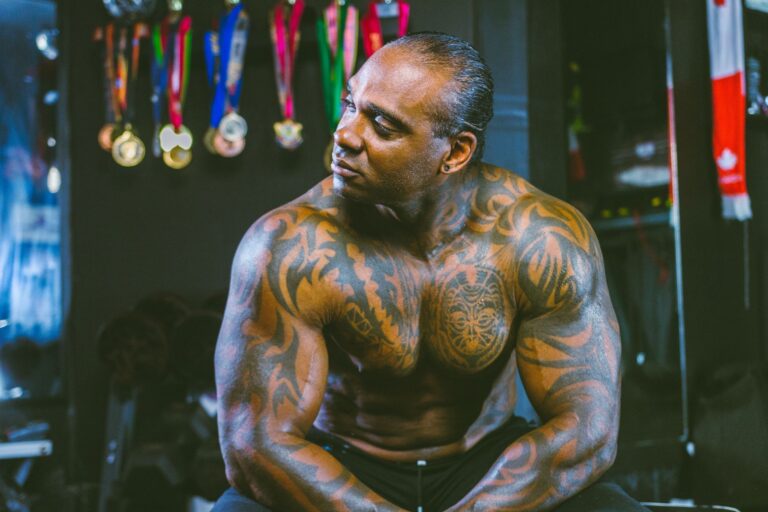
The confidence that comes from being physically capable at 60 and beyond is fundamentally different from the confidence you might feel at 30 or 40. It’s not about being faster or stronger than everyone else—it’s about defying the expectations that society has quietly placed on aging bodies. When you can run three miles without stopping, climb stairs without holding the rail, or carry groceries in one trip, you’re not just accomplishing a task. You’re reclaiming a sense of agency and capability that many people assume they lose with age. A 62-year-old who completes a half-marathon doesn’t just have physical fitness; she has proof, every single day, that the declining trajectory most people expect isn’t inevitable.
This confidence extends beyond the physical act itself. It touches how you move through the world, how you approach challenges, and how you see your own future. When your body can do hard things, your mind believes you can handle difficulty. You don’t avoid stairs; you climb them without thinking. You don’t wait for someone to help; you trust yourself to get the job done. This confidence reshapes not just how you spend your time, but how you imagine the next decade of your life.
Table of Contents
- Why Physical Capability Matters More at 60 Than at Younger Ages
- The Real Physical Changes You’re Managing at 60
- How Physical Confidence Affects Daily Decision-Making
- Training Smart Instead of Training Hard at 60
- The Injury Risk That Capable Runners at 60 Still Face
- The Mental Shift That Comes With Sustained Physical Capability
- The Future of Capability and What Comes Next
- Conclusion
Why Physical Capability Matters More at 60 Than at Younger Ages
At 60, the stakes of physical capability feel different because the contrast is more obvious. A 35-year-old who runs might not even notice it as an achievement—running is what young people do. But a 60-year-old who runs regularly is doing something that contradicts the cultural narrative about aging. Statistically, aerobic fitness tends to decline by about 3 to 8 percent per decade after age 30, and muscle mass decreases by roughly 3 to 8 percent per decade starting in middle age. These aren’t inevitable collapses; they’re trends that people can slow or even reverse with consistent effort.
But because the decline is real and visible to your peers, maintaining or improving your fitness at 60 means you’re actively swimming against the current. The psychological weight of this matters. When a 60-year-old maintains the ability to run at the same pace they ran at 50, they haven’t just stayed fit—they’ve defied a narrative that’s been reinforced since childhood: that bodies get slower, weaker, and more fragile over time. This creates a particular kind of confidence, one rooted in evidence rather than hope. You’re not wondering if you can still do this; you know you can, because you just did it last week.

The Real Physical Changes You’re Managing at 60
Capability at 60 doesn’t mean your body hasn’t changed. Your body has changed significantly, and that’s precisely why the achievement is meaningful. Tendons and ligaments lose elasticity. Recovery takes longer. The cardiovascular system adapts more slowly to training. Joint flexibility decreases.
Your metabolism shifts. These aren’t minor adjustments—they’re substantial physiological changes that require adaptation and respect. Some runners in their 60s find they need more warm-up time before a run, more recovery days between hard efforts, and different nutrition strategies than worked at 45. The confidence that comes from capability at 60 is also confidence that comes from understanding and managing these limitations rather than ignoring them. A runner who knows they need to add dynamic stretching before every run and foam rolling after hard workouts isn’t less capable than a younger runner who doesn’t—they’re differently capable, and they know what their body requires. This is where many people stumble: they try to train their 60-year-old body using protocols designed for a 30-year-old body, get injured, and conclude they’re simply “too old” to run. They’ve actually just ignored what their body was telling them.
How Physical Confidence Affects Daily Decision-Making
There’s a particular moment of confidence that happens when you decide to do something physical without first calculating whether you can manage it. A 60-year-old who is physically capable might volunteer to Intensity Minutes Help Adults Enjoy Outdoor Activities Longer”>help a friend move because carrying boxes for a few hours feels doable, not dangerous. They might take a vacation that involves hiking because they know their legs can handle it. They might say yes to spontaneous activity instead of declining because of fatigue or soreness.
This extends to small, repeated decisions that accumulate over years. A woman in her 60s who is a regular runner might park farther away from the store entrance because the walk doesn’t feel like an ordeal. She might take stairs when an elevator is available, not out of deliberate training effort but because she can. She might play with her grandchildren without worrying that a game of tag or a wrestling match will leave her injured. These decisions compound—every day, a capable body offers more choices, and more choices create more confidence in your own reliability.

Training Smart Instead of Training Hard at 60
The practical gap between training for capability at 30 versus at 60 is significant, and this gap is where a lot of people underestimate what they can do. Younger runners can often get away with inconsistent training, poor recovery, and occasional overreach. Runners in their 60s who try this approach often get hurt. The difference isn’t that they’re incapable; it’s that the margin for error is smaller. A runner at 65 who runs four days a week with two easy days, one moderate day, and one hard day, plus adequate sleep and nutrition, might be more capable and more resilient than a 35-year-old who runs five days a week with inconsistent effort and drinks too much coffee.
This is actually liberating once you accept it. You don’t need to train hard to be capable. You need to train consistently, with respect for recovery, and with attention to what your body needs. Many people in their 60s find they reach their best fitness not by increasing volume but by increasing consistency and quality of recovery. Compare a 60-year-old who runs 20 miles a week with perfect form, adequate sleep, and careful nutrition against a 60-year-old who runs 35 miles a week on injury and fatigue—the first runner will be the capable, confident one.
The Injury Risk That Capable Runners at 60 Still Face
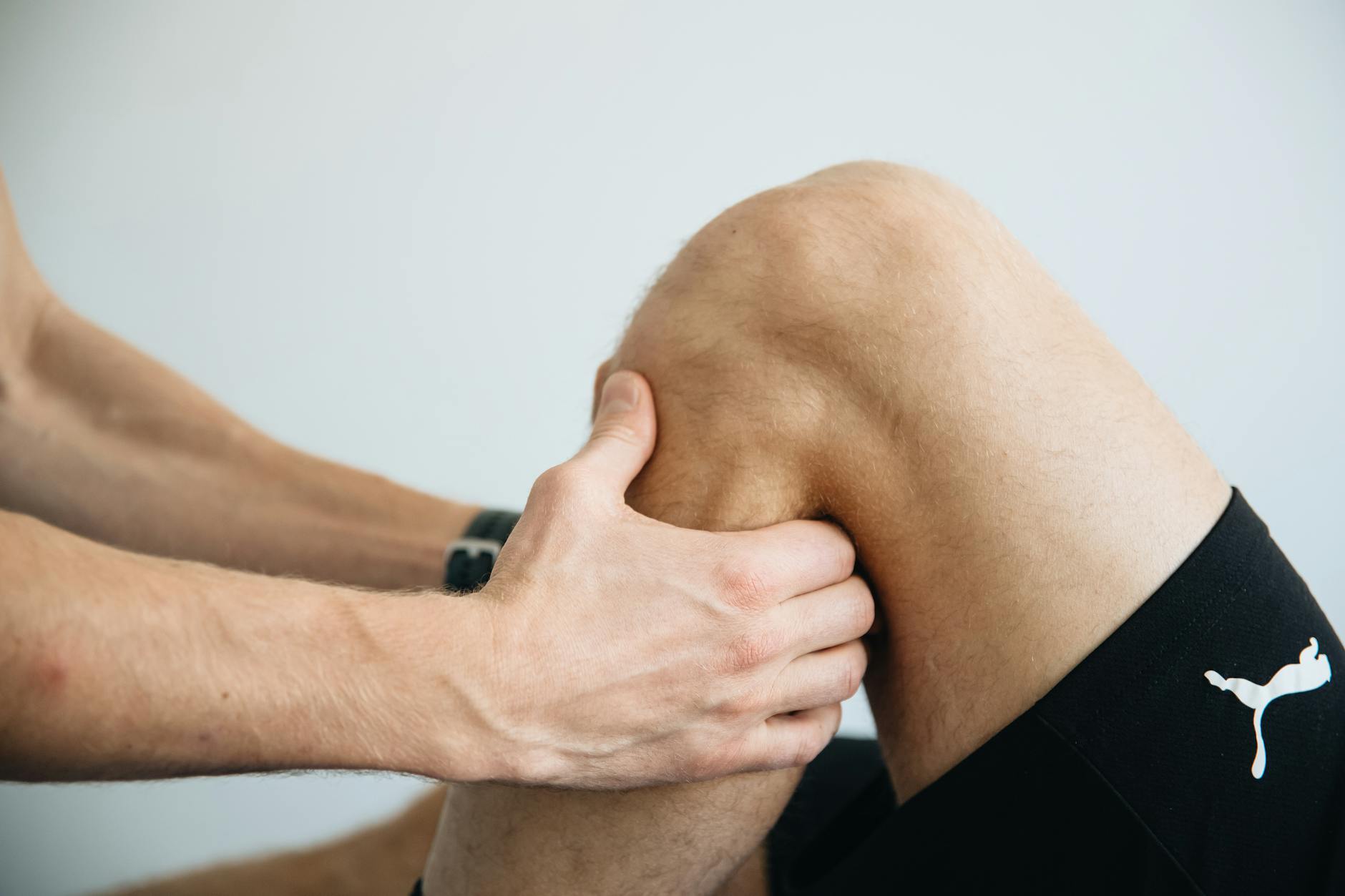
Being capable at 60 doesn’t mean you’re invulnerable. In fact, some of the worst injuries happen to runners who are confident enough to do things their body isn’t prepared for. A runner who’s used to doing five-mile runs might try eight miles on a day when they’re tired or underfueled, not because they can’t do it physically but because their confidence makes them believe they can push through. Injuries in your 60s also tend to recover more slowly. A calf strain that would sideline a 30-year-old for two weeks might sideline a 60-year-old for six weeks.
The warning here is simple: capability at 60 needs to be paired with humility about the recovery process. The most capable runners in their 60s are often the ones who know exactly when to back off. They skip the workout when they’re tired, not as a defeat but as a strategic choice. They listen to pain as information, not as weakness. They accept that some things—especially rapid increases in volume or intensity—require more time to adapt to than they did at 40.
The Mental Shift That Comes With Sustained Physical Capability
There’s a particular confidence that builds when you’ve been capable for years rather than weeks. A person who’s been running consistently for the past 10 years, maintaining fitness from their 50s into their 60s, doesn’t doubt their ability to run a 10K. They’ve done it dozens of times. They know what effort it takes. They know their body will respond. This sustained, embodied confidence is different from the confidence of believing you could do something theoretical—it’s the confidence of knowing because you’ve done it.
This extends into how you approach other difficulties. Someone who’s proven to themselves repeatedly that they can do hard physical things often approaches life challenges differently. They’ve already demonstrated that effort and consistency pay off. They’ve already proven they can get stronger despite aging. They’ve already shown themselves they’re reliable. That confidence transfers.
The Future of Capability and What Comes Next
The confidence you build being physically capable at 60 isn’t just about the present moment—it’s about the trajectory you’re setting for the next two decades. A runner who’s fit and capable at 60 isn’t guaranteed to stay that way at 70, but they’re infinitely more likely to remain capable than someone who’s sedentary. They’ve built a foundation and a habit. They’ve proven the payoff is real.
Even if they can’t run as fast or as far at 70, they’ll likely still be doing something, still experiencing the confidence of a capable body. The cultural narrative around aging is slowly shifting. More people are seeing 60 as a stage of life where capability is possible and normal, not remarkable. This change matters because culture shapes expectations, and expectations shape behavior. When you believe 60-year-olds can be fit, you’re more likely to be a fit 60-year-old.
Conclusion
The confidence that comes from being physically capable at 60 and beyond is the confidence of defying expectations—both the quiet ones society holds about aging and the limiting ones you might have held about yourself. It’s rooted in evidence, earned through consistency and respect for your body’s actual needs, and it reaches far beyond the moment of physical exertion itself. When you can do hard things with your body, you understand in a way that’s hard to explain to someone who hasn’t experienced it that aging doesn’t mean decline.
It means different, not less. If you’re 50 or 55 or 60 right now, the path isn’t complicated: consistency matters more than intensity, recovery matters more than volume, and the payoff isn’t just a faster pace at a 5K. It’s the daily confidence of a body that does what you ask of it. That’s worth the work.