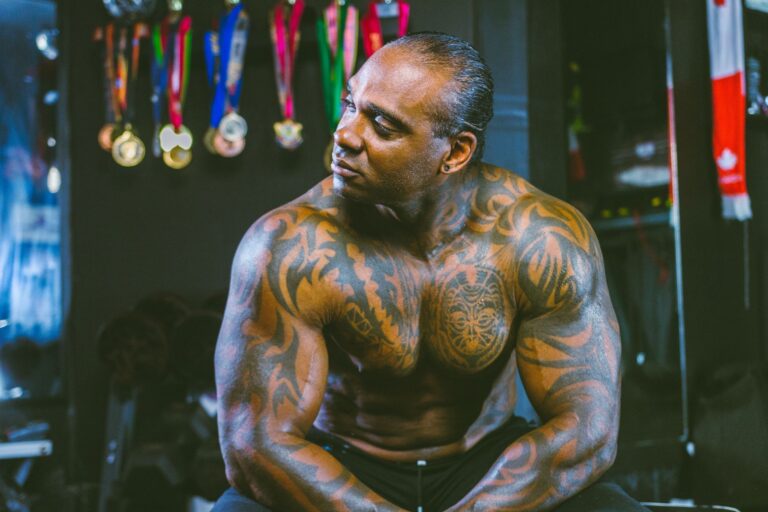
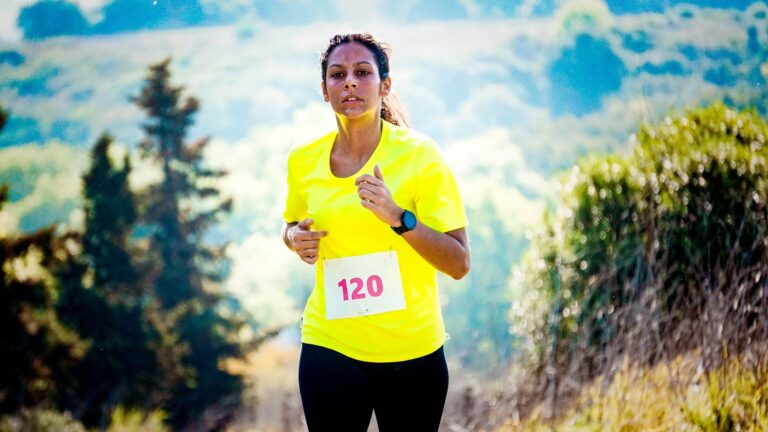
Physical confidence after 60 is one of the most underrated rewards of staying active throughout your life. It’s the quiet certainty that your body can still do what you ask it to do—whether that’s climbing stairs without hesitation, standing for hours without discomfort, or maintaining the strength to live independently. For many people, this confidence doesn’t come automatically with age; it comes from deliberate movement and the accumulated evidence that your body responds to training at any stage of life. A 63-year-old runner I know recently completed her first half-marathon, something she’d never done before; what struck her most wasn’t the finish time, but the realization mid-race that she could push herself and recover, that her legs would carry her 13 miles when she asked them to.
This confidence transforms how you move through the world. Instead of hesitating before standing up from a chair or worrying about a slip on a wet floor, you trust your balance and strength. Instead of declining invitations to walk through a city or hike a trail because you’re unsure of your fitness, you make those plans without second-guessing yourself. The physical capability is important, but the psychological shift is equally profound—you stop seeing yourself as fragile or limited by age.
Table of Contents
- Why Physical Confidence Matters More After 60
- How Aging Changes Physical Capability and Why It Matters
- running-and-walking-in-building-confid”>The Role of Running and Walking in Building Confidence
- Building Confidence Safely and Sustainably
- Common Obstacles and How to Work Through Them
- The Social and Mental Health Benefits
- What Comes Next: Building on Confidence to Stay Strong
- Conclusion
Why Physical Confidence Matters More After 60
after 60, your body naturally loses muscle mass and bone density at an accelerating rate, which is precisely why maintaining confidence in your physical abilities becomes such a crucial part of healthy aging. Research shows that older adults who maintain high confidence in their physical capabilities have better health outcomes, fewer falls, and higher quality of life compared to those who become sedentary. The difference isn’t just that confident people exercise more; it’s that confidence reinforces the behavior. When you trust your body, you’re more likely to use it, which maintains the very strength and balance that built that confidence in the first place.
The psychological component is measurable and real. Studies on self-efficacy—the belief that you can accomplish a task—show that older adults with high physical self-efficacy report better mental health, lower rates of depression, and greater life satisfaction. They’re also more likely to stay independent longer, which means living in your own home, driving, and managing daily tasks without assistance. Compare this to someone who becomes fearful of falling after one stumble and stops being active; that fear accelerates the loss of balance and strength, making a fall more likely. Confidence creates a virtuous cycle; fear creates a downward one.
How Aging Changes Physical Capability and Why It Matters
The physical realities of aging are unavoidable: after 30, most people lose about 3-8% of muscle mass per decade, and that rate accelerates after 60. Your aerobic capacity declines, flexibility decreases, and recovery takes longer. But here’s the crucial limitation: these declines are not fixed in stone. Someone who does nothing loses muscle much faster than someone who maintains a strength training routine.
The difference between a sedentary 65-year-old and an active 65-year-old isn’t subtle—it can be 20-30 years of functional ability. A warning that often goes unspoken: confidence without appropriate caution can lead to injury. An older adult who is confident in their abilities might push harder than their body is ready for, or might skip the warm-up because they feel fine. Overuse injuries, stress fractures, and sudden joint problems are common in active older Intensity Minutes“>adults who don’t respect the fact that recovery is genuinely slower at 65 than at 25. The goal isn’t to eliminate caution; it’s to distinguish between realistic caution (you need more recovery) and fear-based avoidance (avoiding movement because you’re afraid).
The Role of Running and Walking in Building Confidence
Running or walking regularly after 60 builds confidence in a uniquely direct way: you can feel your improvements happening. A woman who starts walking 20 minutes three times a week and gradually increases to 45-minute walks notices that the hill near her house gets easier; the walk to downtown no longer leaves her breathless; her knees feel stronger. These are tangible pieces of evidence that your body is responding to the work you’re putting in, and that evidence creates confidence faster than almost any other intervention. The specificity matters too.
If you’re worried about your endurance, running or walking trains the exact system that’s involved in everyday activities like traveling or exploring. You’re not just improving on a treadmill; you’re improving at the activities you actually want to do. A 62-year-old who couldn’t walk more than a mile without pain now trains for 10K races and finds herself capable of vacation hiking trips she’d given up on years earlier. The confidence from that progression extends beyond running—it affects how she moves through daily life, how she sees herself, and what she believes is possible.
Building Confidence Safely and Sustainably
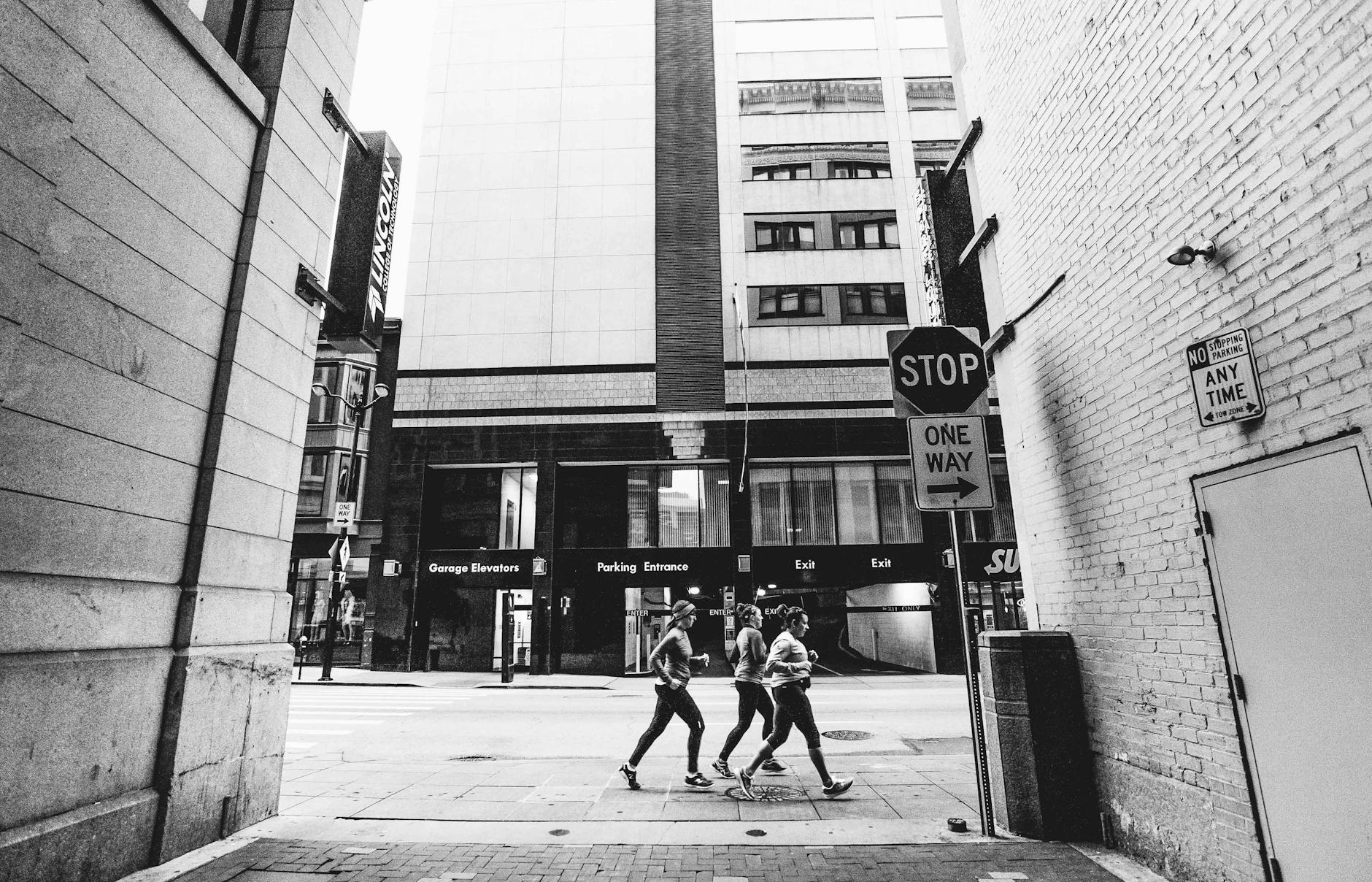
The practical path to physical confidence after 60 requires patience and realistic progression. Start where you are, not where you were 10 years ago. If you’ve been sedentary, 15-20 minutes of walking three times a week is an appropriate starting point, not a warm-up. Increase duration or frequency by roughly 10% per week; this slow progression feels tedious compared to how quickly a 30-year-old can ramp up training, but it’s what actually prevents injury and builds sustainable fitness. The tradeoff is clear: slow progress that you maintain beats fast progress that injures you and forces you to quit.
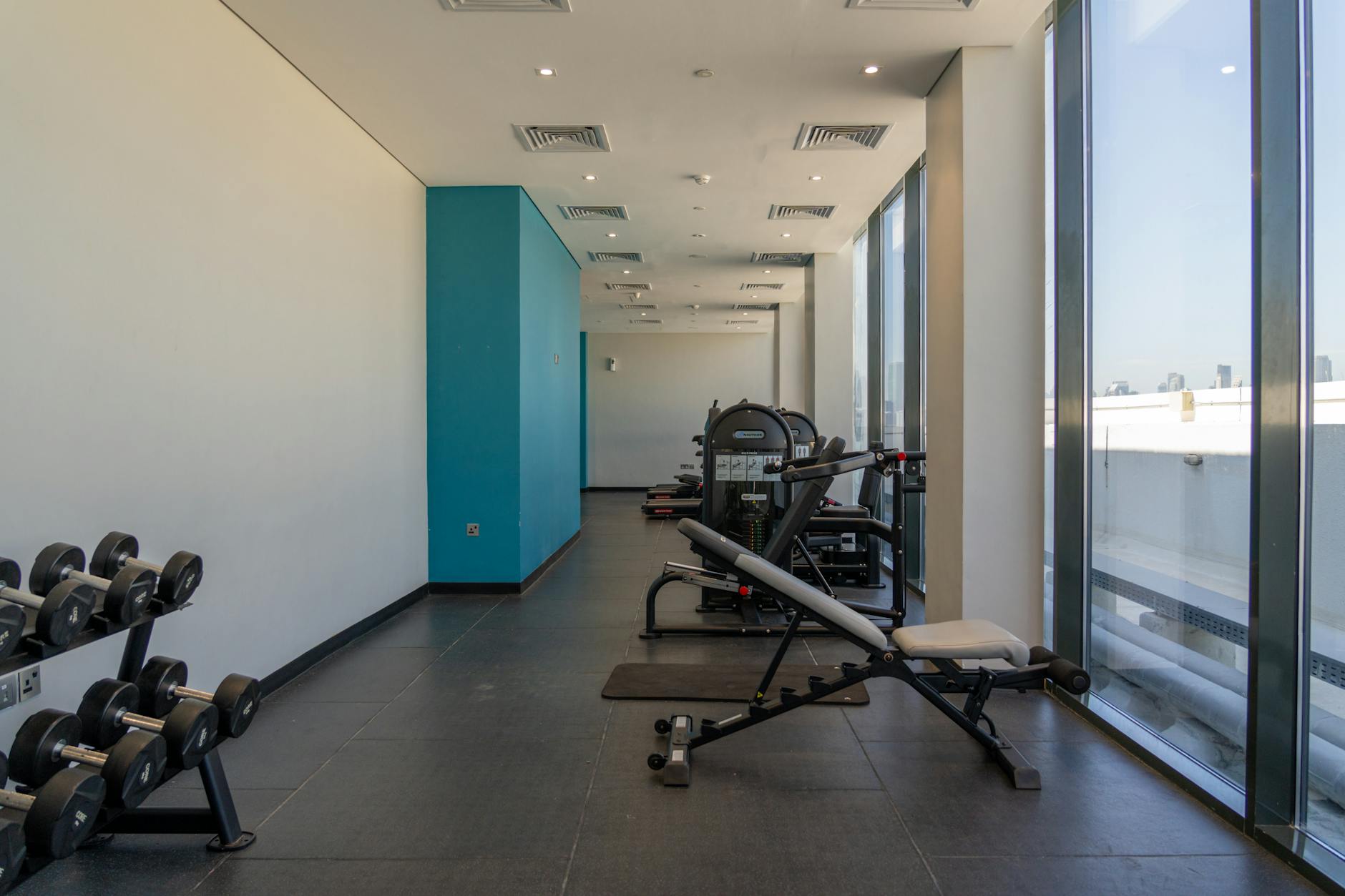
Strength training deserves equal time with aerobic activity, but it’s often neglected by older runners. Two sessions per week of resistance work—whether that’s weights, resistance bands, or bodyweight exercises—directly addresses the muscle loss and bone density decline that come with age. It’s the most effective tool you have for maintaining independence. Many older adults who run exclusively gradually lose the lower-body strength to get up from a squat or climb stairs, even as their aerobic fitness stays high. The complementary approach—walking or running plus intentional strength work—creates confidence across multiple physical domains.
Common Obstacles and How to Work Through Them
One of the most common barriers is comparing your body now to your body then. A runner who was fast at 40 is often slower at 60, and for some people, this gap becomes demoralizing enough that they quit. The warning here is worth taking seriously: if you can’t shift your relationship to metrics like pace and distance, staying active becomes harder after 60. The solution most older athletes find is reframing goals around consistency, feeling, and capability rather than speed. A runner who shifts from “I want to run a sub-8 minute mile” to “I want to run 30 minutes without stopping” often finds the activity joyful again.
Joint and muscle soreness is another real consideration. Some of it is normal training response; some of it is a sign you’re doing too much too soon. The distinction matters because pushing through normal soreness builds resilience, but pushing through pain from overuse creates injury. Recovery also takes longer—you might need 48 hours between hard efforts instead of 24. This isn’t weakness; it’s biology. Building confidence after 60 means respecting these realities rather than fighting them.
The Social and Mental Health Benefits
Physical confidence often radiates into social life in unexpected ways. An older adult who builds fitness through group running or walking classes often finds a community of people at similar life stages, facing similar questions about aging and capability. The social aspect reinforces the physical confidence: when you’re around people showing up consistently, maintaining their fitness, and living actively, you’re more likely to maintain your own. The shared experience of being a 60+ runner or walker creates a kind of permission to keep moving, keep improving, and keep believing in yourself.
The mental health shift is substantial. Depression and anxiety are both higher in sedentary older adults, and lower in those who maintain regular physical activity. But the mechanism isn’t just general exercise; it’s confidence. When you know your body works and will respond to what you ask of it, daily life becomes less stressful. The anticipatory anxiety about physical limitation—will I be able to do this, will I hurt myself if I try—decreases substantially.
What Comes Next: Building on Confidence to Stay Strong
Physical confidence at 60 isn’t a destination; it’s a practice you maintain. The older adults who stay active longest are those who view their training as non-negotiable, like taking medication or brushing teeth. They miss workouts, they have setbacks and injuries, but they return to it because the alternative—losing confidence and capability—has become unacceptable to them.
Looking forward, the goal isn’t to run a marathon at 80 or to recover the body you had at 40. It’s to maintain the capability to do the things you want to do for as long as possible—to walk your grandchildren around a city, to explore a new place on vacation, to live independently in your own home. Physical confidence after 60 is the foundation that makes those futures possible.
Conclusion
The joy of physical confidence after 60 comes from the evidence that your body still works, still responds, and still has capacity. It’s earned through consistent effort and maintained through ongoing practice. This confidence isn’t about speed or appearance; it’s about the simple certainty that you can move the way you need to move, live the way you want to live, and maintain independence for years to come. If you’re starting from scratch, begin this week.
Walk for 15 minutes. Add two days of gentle resistance work. Notice how you feel. That feeling—the recognition that you can do this, that your body is capable—is the beginning of the confidence that changes everything about aging.