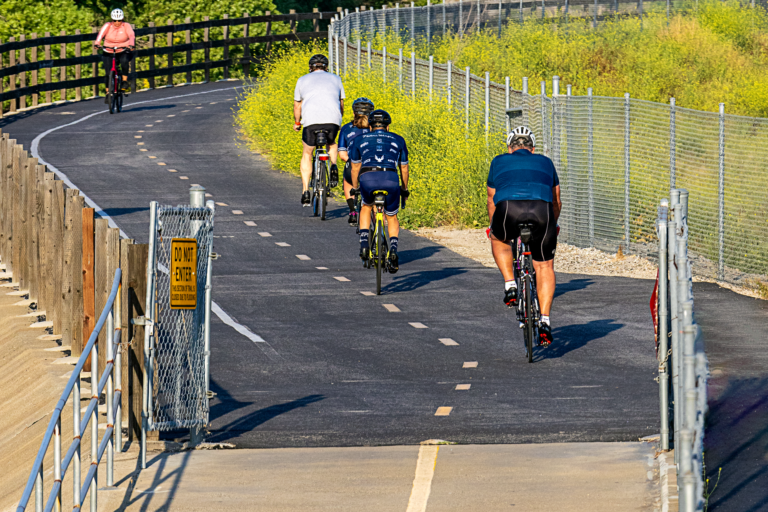
Staying capable and independent beyond 60 depends less on genetics and more on consistent physical training, strategic movement patterns, and understanding what actually declines with age—and what doesn’t. A 62-year-old runner who logs 25 miles a week will maintain far more functional capacity than a sedentary 45-year-old, not because of some genetic lottery but because the body responds to the demands placed on it regardless of age. The key is knowing which capacities matter most for independence and attacking them systematically.
Independence after 60 isn’t about running marathons or lifting heavy weight—it’s about maintaining the ability to carry groceries upstairs, get off the floor without using your hands, walk for an hour without pain, recover from an illness quickly, and live without relying on others for basic tasks. These capabilities hinge on three elements: aerobic fitness, muscular strength and balance, and the consistency to maintain both across decades. Most people lose these not because aging makes it inevitable, but because they stop using them.
Table of Contents
- What Physical Abilities Actually Decline With Age, and What Doesn’t
- Building and Maintaining Aerobic Foundation Without Overuse
- Strength Training as the Overlooked Lever for Independence
- Balance and Fall Prevention Through Practical Movement
- Nutrition and Recovery as Hidden Constraints
- Managing Existing Conditions and Testing Limits
- The Long View—Maintaining Capability Across Decades
- Conclusion
- Frequently Asked Questions
What Physical Abilities Actually Decline With Age, and What Doesn’t
Contrary to what many people believe, aerobic capacity doesn’t collapse at 60—it declines by about 10% per decade if you remain sedentary, but the decline can be cut in half or slowed to nearly nothing through regular endurance exercise. A 65-year-old who runs three times a week will have VO2 max values comparable to a sedentary 35-year-old, according to longitudinal studies. What does decline more stubbornly is muscle mass, which drops 3-8% per decade after age 30 if untrained, accelerating after 60. However, this is entirely reverseable. Studies of people who began resistance training in their 60s and 70s showed muscle gains equal to or exceeding those of younger people doing the same program—sometimes within 8-12 weeks.
Balance and proprioception (your sense of where your body is in space) do genuinely decline with age, but again, this responds dramatically to training. A person who has never done single-leg work will lose balance ability; a person who practices it consistently will not. The classic test—standing on one leg for 30 seconds with eyes closed—is easy for trained athletes in their 70s and extremely difficult for untrained 40-year-olds. Bone density is another true challenge; it declines particularly in women after menopause, and this process is slow and harder to reverse than muscle or aerobic fitness. But it still responds to impact exercise and resistance training, meaning a 65-year-old who runs and strength trains regularly can maintain bone density better than a 35-year-old who does neither.
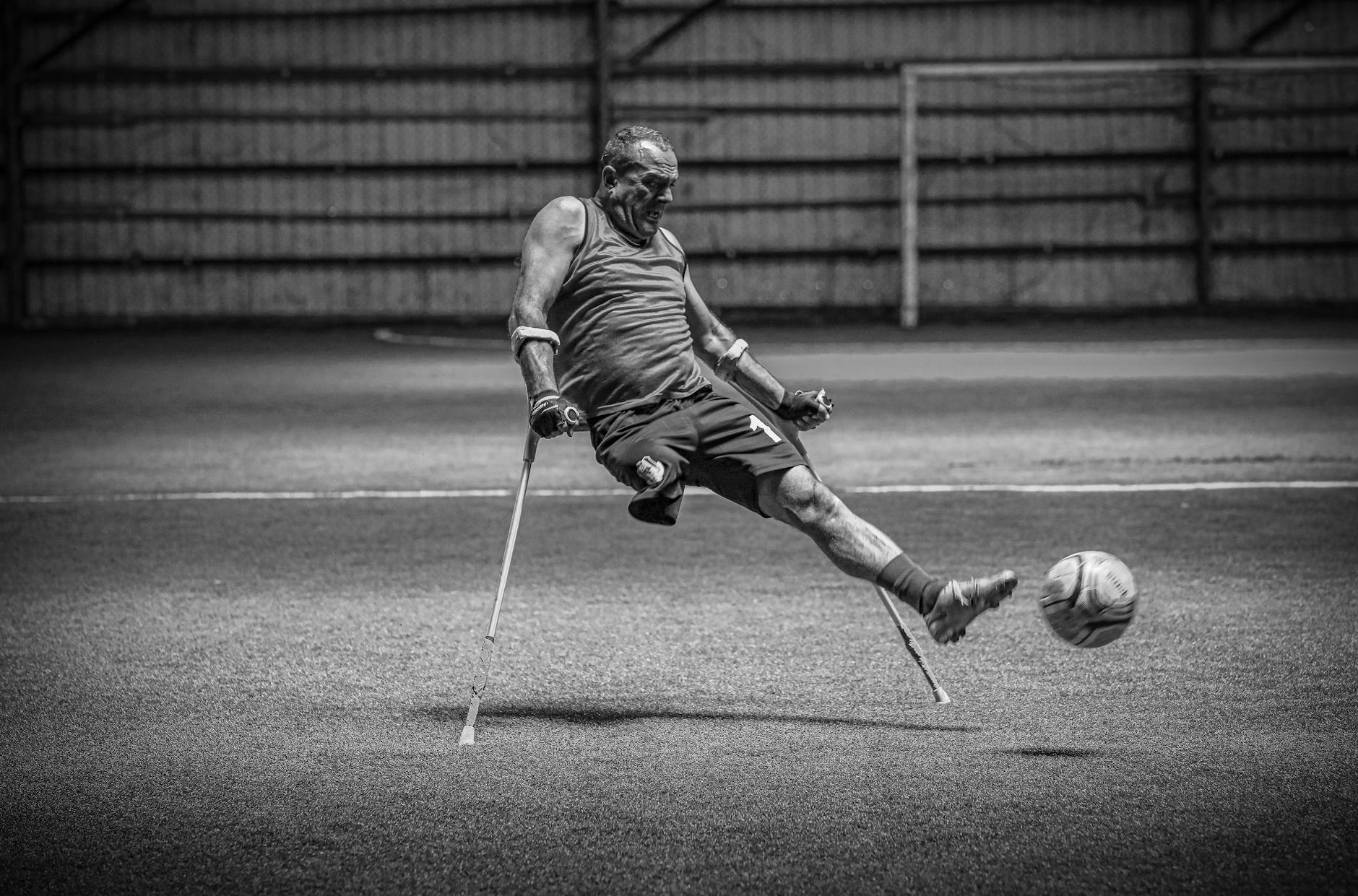
Building and Maintaining Aerobic Foundation Without Overuse
The most efficient way to build aerobic capacity at any age is with consistent, moderate-intensity endurance work—running, walking, cycling, or swimming for 150 minutes per week at a sustainable pace. This is less about heroic efforts and more about accumulation. A 65-year-old who jogs for 30 minutes four times a week has a far greater aerobic base than someone who runs hard once a week and does nothing else. The moderate pace is crucial because it allows recovery and sustainability; intensity should increase slowly and make up only 10-15% of weekly volume. A significant limitation of aerobic training at 60+ is injury risk, particularly from impact exercise like running if the body isn’t prepared.
Jumping from sedentary to running 20 miles a week will likely result in injury. The safer progression is walking first, then walk-jog intervals, building up over months—not weeks. A 58-year-old starting from scratch might need four to six months of consistent walking before adding any jogging. Additionally, overtraining in this age group leads to persistent fatigue and illness susceptibility; recovery takes longer, so one hard workout per week with easier days in between is more effective than trying to push hard multiple times weekly. Joint stress accumulates differently in older bodies; running on hard surfaces becomes higher-risk, making a treadmill, track, or trail preferable for people returning to running after years away.
Strength Training as the Overlooked Lever for Independence
Strength training matters more for independence over 60 than for younger people because everyday tasks—climbing stairs, carrying objects, getting up from a chair—are all about relative strength. As muscle mass naturally declines, maintenance of strength prevents that decline from translating into loss of function. A person who loses 10 pounds of muscle but maintains the strength they had at 50 will notice no loss of independence; a person who loses that muscle and does nothing to maintain strength will struggle with tasks that were once automatic. The most effective approach is two full-body sessions per week targeting major muscle groups: squats or leg presses for the legs, horizontal and vertical pushing and pulling movements, and some core work.
These don’t require a gym or heavy weights; bodyweight variations, resistance bands, and dumbbells work equally well. The critical variable is progression—gradually adding weight or reps over weeks and months, never going to absolute failure, and always prioritizing form over load. A 62-year-old doing 12 pushups with good form Intensity Minutes Improve Balance, Stamina, and Confidence”>weekly will maintain and even increase chest and shoulder strength; someone doing zero pushups will lose it. The downside of strength training is that it requires more attention to recovery and nutrition than aerobic work; inadequate protein intake (most people over 60 eat less protein than they did at 30) combined with demanding workouts leads to fatigue and plateaus rather than progress.

Balance and Fall Prevention Through Practical Movement
Falls are the leading cause of injury-related death in people over 60, and balance degradation is the primary cause of falls. Single-leg stance work, lateral movements, and uneven surface walking are the most practical ways to maintain balance because they work your proprioceptive system. Yoga and tai chi are effective, but they’re not necessary; simply practicing standing on one leg for 30 seconds at a time, walking heel-to-toe in a straight line, or walking backward regularly will maintain and improve balance substantially. A comparison: two people, both 68 years old, both walk regularly.
One incorporates balance work into their routine two times per week; the other does not. Over five years, the person doing balance work is roughly 40% less likely to suffer a fall that causes injury, according to meta-analyses of fall prevention programs. The person without balance training will gradually notice difficulty standing on one leg, trouble navigating uneven terrain, and increasing nervousness about losing their footing. The tradeoff is time—effective balance training requires only 10-15 minutes per session—versus risk reduction that compounds over years.
Nutrition and Recovery as Hidden Constraints
Most people over 60 undereat protein, typically consuming 0.6-0.8 grams per kilogram of body weight when they should aim for 1.2-1.6 grams for someone training consistently. This directly limits muscle gain and recovery. A 70-kilogram person eating 42 grams of protein daily (typical) versus 84 grams daily will recover differently from workouts, maintain less muscle despite training, and be more vulnerable to illness. Unlike younger people, whose bodies are somewhat forgiving, older bodies don’t make up for nutritional shortcuts.
Recovery also requires adequate sleep and consistency with training spacing. A 60-year-old who does a hard workout Monday and tries another hard session Tuesday will feel worse and progress slower than doing one hard session Tuesday and an easy session Friday. Overtraining shows up differently in older people—not as acute injury but as persistent fatigue, elevated resting heart rate, irritability, and viral illness susceptibility. The warning here is that pushing through fatigue, which is often rewarded in younger athletes, becomes counterproductive; listening to recovery signals is part of the skill of training effectively at 60+. Additionally, the common advice to “train hard” is often misapplied; most training should be easy to moderate intensity, with hard efforts limited and infrequent.

Managing Existing Conditions and Testing Limits
Many people over 60 have managed conditions like high blood pressure, diabetes, arthritis, or heart disease. These don’t automatically preclude training, but they require baseline assessment and sometimes modification. A person with controlled hypertension can often train harder than their sedentary peers; someone with known cardiac disease needs different guidance than someone without it. The starting point is conversation with a physician and sometimes a stress test, not avoidance of activity.
A practical example: a 64-year-old with type 2 diabetes starts running 20 minutes three times a week. Within weeks, their blood glucose control improves, often to the point where medications can be reduced. However, this improvement requires monitoring and adjustment—training hard while on a fixed medication dose increases hypoglycemia risk. The lesson is that improvements in capacity often bring unexpected changes in medical needs; close attention to how the body responds prevents problems.
The Long View—Maintaining Capability Across Decades
The people who maintain independence into their 80s and beyond are those who made physical training a consistent habit in their 50s and 60s, not those who tried to catch up later. Starting at 65 with zero fitness history is possible but much harder than maintaining fitness from 55 onward. The compounding benefit of consistent training—done at a sustainable intensity, never pushed so hard that it causes injury or burnout—across 20+ years is profound.
A person who logs 1,000 easy aerobic hours between 60 and 80 will have vastly different outcomes than someone who is sedentary. The forward outlook for staying capable and independent is increasingly favorable for people who act before 60 or early in the 60s. Medical advances in managing chronic disease, better understanding of aging physiology, and the emergence of community running and fitness groups designed specifically for older adults mean that the tools for maintaining independence are more accessible than ever. The limitation is consistency and cultural expectation—many people over 60 are told to “slow down” or “take it easy,” when the evidence clearly shows that consistent, appropriately structured training is what enables a longer, more independent life.
Conclusion
Staying capable and independent beyond 60 comes down to aerobic fitness, strength, balance, and the consistency to maintain them across decades. The good news is that the human body responds to training at any age—decay is not inevitable, but rather the result of inactivity. A person beginning training at 65 can achieve and sustain fitness levels that rival people decades younger. The specific practices are straightforward: endurance exercise at moderate intensity most days, strength training two times per week, balance work regularly, adequate protein intake, and recovery time between hard efforts.
The path forward requires treating your body like a skill that demands regular practice rather than a machine that degrades predictably. Start now, regardless of age, because the best time to build the fitness that protects independence is today. Small consistent efforts—running three times a week, strength training twice, walking daily—compound into decades of capability that most people assume is lost to aging. That assumption is wrong, and acting on that knowledge is what separates people who live independently and people who don’t.
Frequently Asked Questions
Is it too late to start training at 65?
No. Studies show that people beginning training in their 60s and even 70s achieve significant gains in aerobic capacity, muscle, and function within weeks to months. The key is starting conservatively and building consistency.
How much running is safe at 60+?
If you’re returning to running after years away, start with walking for 4-6 weeks, then progress to walk-jog intervals. Once jogging is comfortable, build up to 15-20 miles per week maximum for most people, running 3-4 days per week with easy paces.
Can you build muscle at 60 if you’re untrained?
Yes. Studies show untrained people in their 60s and 70s achieve muscle gains similar to younger people when strength training for the first time. The process is slower and requires adequate protein, but the response is real.
What’s the most important factor for staying independent?
Consistency over intensity. A person who does moderate exercise most days of the week maintains more capability than someone who trains hard sporadically. The accumulation of activity over months and years matters more than any single workout.
How often should I do balance training?
Two to three times per week for 10-15 minutes is sufficient to maintain and improve balance. It can be incorporated into other training or done separately.
Should I see a doctor before starting to train?
If you have known cardiac disease, uncontrolled blood pressure, or other significant health conditions, yes—discuss training plans with your physician. For generally healthy people, no baseline testing is required, but a check-in conversation is reasonable.