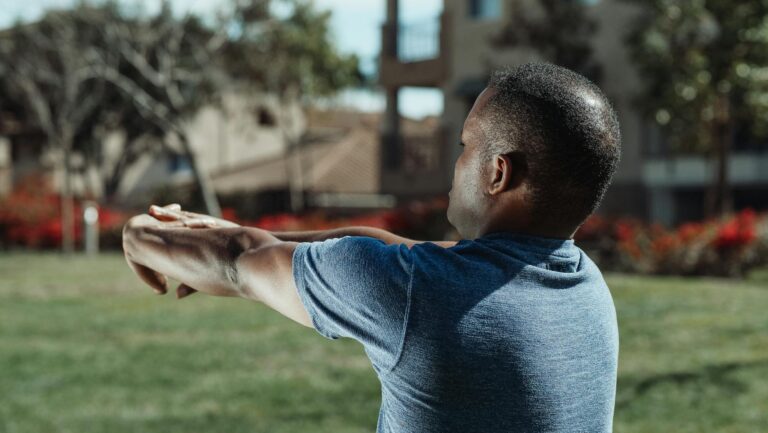
The fitness habit that changes daily life for people over 60 is simple: embedding regular movement into your everyday routine until it becomes invisible. It’s not about joining a gym or following a rigid workout schedule—it’s about weaving purposeful motion into the activities you already do, so naturally that it stops feeling like exercise. This shift from viewing fitness as a separate activity to seeing it as woven into daily life is what separates people who stay strong, independent, and engaged from those who experience the slow decline of sedentary aging. Consider someone like Margaret, 67, who used to think of fitness as something only gym enthusiasts did. She started by parking farther from the grocery store, taking the stairs, and walking to a neighbor’s house instead of driving.
Within months, she realized she had more energy, could chase her grandchildren without breathing hard, and didn’t feel that familiar ache in her knees. She wasn’t training for anything—she was simply accumulating movement throughout her day. And that simple shift has begun to reshape her entire experience of aging. The numbers back this up: regular exercise reduces the risk of early death by up to 30 percent for people over 60, yet only 3 in 10 people meet government activity guidelines. By 2030, one in six people worldwide will be over 60, making this not a niche concern but a mainstream public health question: How do you stay vital and independent as you age?.
Table of Contents
- Why Daily Movement Matters More Than You Think
- The Cardiovascular and Mortality Benefits of Staying Active
- How Strength Training Complements Daily Walking
- Daily Movement vs. Structured Exercise Programs
- Barriers to Building the Habit and How to Address Them
- Technology as a Tool for Building Daily Movement Habits
- Looking Forward—Making Daily Movement Your Baseline
- Conclusion
Why Daily Movement Matters More Than You Think
Daily movement accumulates in ways that structured exercise often doesn’t. Research shows that walking in increments of 10 Intensity Minutes Help Adults Over 60 Enjoy Sports Again”>minutes or more has the biggest impact on lowering mortality and cardiovascular disease—and those increments don’t have to happen all at once. A 10-minute walk after lunch, a 15-minute stroll after dinner, and climbing stairs throughout the day all count. This is fundamentally different from the old model of “exercise,” where you had to block out an hour and go somewhere specific. Instead, the habit that changes daily life is the one you can do anywhere: walking.
Aiming for at least 7,000 steps per day provides significant health benefits, though research increasingly suggests that 8,000 to 10,000 steps daily helps lower your chances of age-related illnesses even more. The key difference between people who stay fit after 60 without feeling like they’re constantly “exercising” and those who struggle is that the fit ones build movement into their daily routines so thoroughly it doesn’t register as structured exercise. They take stairs when an elevator is available, walk to nearby destinations, park farther away, and stand while working or talking on the phone—not because they’re obsessively tracking steps, but because movement has become their default. A simple comparison: walking 30 minutes daily in a single block gives you health benefits, but walking three 10-minute segments throughout your day often feels less taxing and is easier to sustain long-term. This is why the habit that changes daily life is often the accumulated one, not the scheduled one.
The Cardiovascular and Mortality Benefits of Staying Active
The science is clear: regular aerobic activity—primarily walking for most people—transforms how your body ages. A 2025 systematic review found that people over 60 in aerobic exercise groups experienced lower blood pressure and heart rates, and better cardiorespiratory health than control groups. Blood pressure improvements are especially significant because hypertension is one of the silent killers of aging. With daily movement, you’re not just exercising—you’re actively lowering one of your most dangerous risk factors. The reduction in early death risk—up to 30 percent with regular exercise—isn’t theoretical for people over 60. This translates to years added to your life, but more importantly, it translates to quality.
Cardiovascular fitness has a “profound effect” on independence and quality of life. Without it, activities of daily living—climbing stairs, carrying groceries, playing with grandchildren—can become more of a burden than a pleasure. The habit matters because it’s the difference between aging as a passive experience and aging as something you have agency over. One limitation worth noting: the research assumes consistency. A week of walking won’t offset two weeks of inactivity. The 30 percent reduction in early death risk comes from people who maintain regular movement over months and years, not sporadic bursts of activity. This is why embedding the habit into daily life—rather than treating it as an occasional chore—is what actually changes outcomes.
How Strength Training Complements Daily Walking
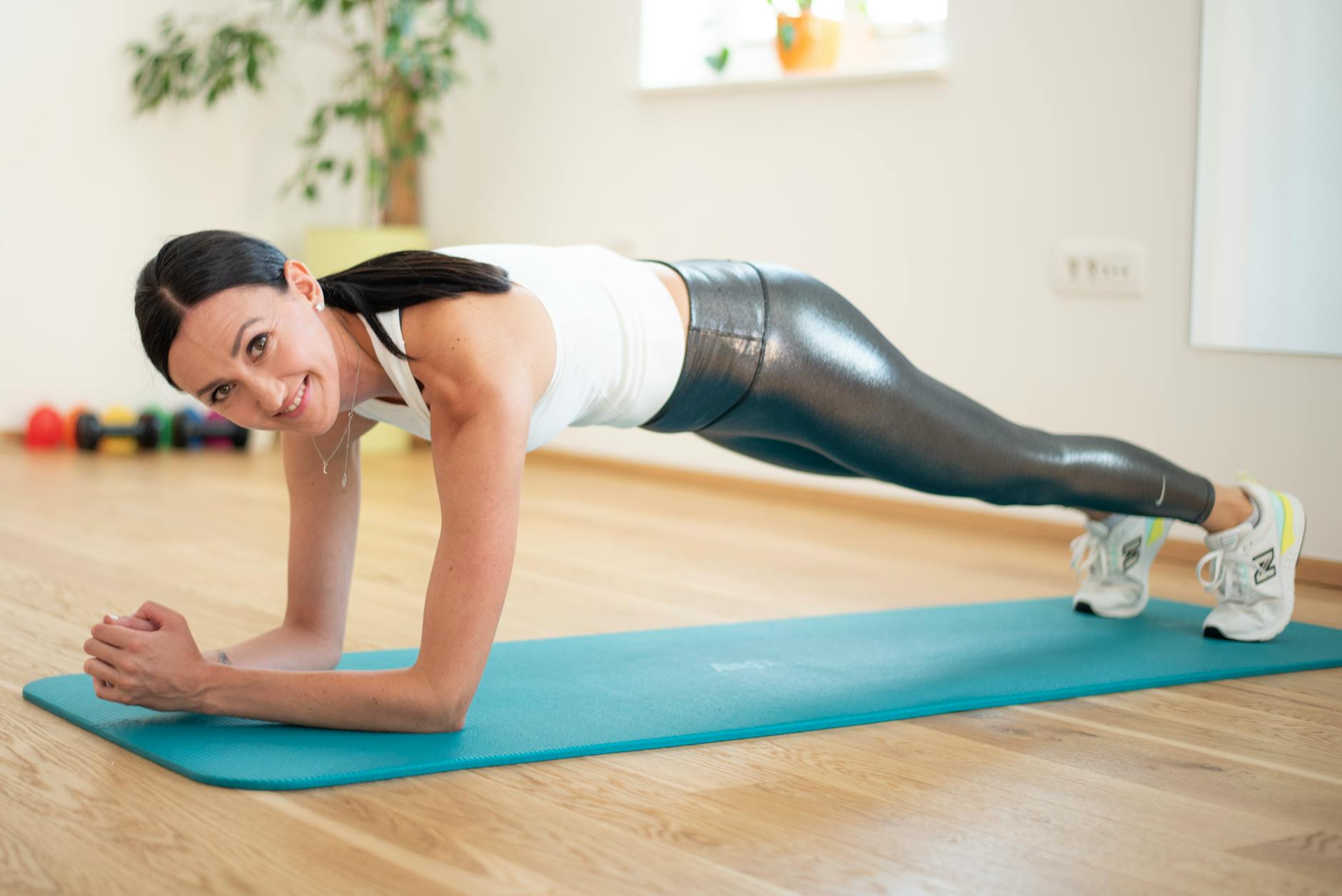
Walking is foundational, but it doesn’t tell the whole story. Resistance training—lifting weights, using resistance bands, or bodyweight exercises—twice weekly enhances muscle strength and physical function, specifically improving gait speed. People who add strength training to their daily walking routine experience even better results than those who only walk. The combination addresses different aspects of aging: walking builds cardiovascular health and endurance, while strength training preserves the muscle mass you naturally lose as you age, a condition called sarcopenia. A 2025 study published in Archives of Gerontology and Geriatrics found that resistance training lowered blood pressure for people 60 and older—meaning it’s not just about muscles, but about systemic health. Strength training also counteracts bone loss and restores bone density, leading to fewer fractures and improved balance.
That matters because falls are a leading cause of injury and loss of independence in older adults. Better balance means lower fall risk, and that translates to the freedom to move through your home and community without fear. An example: James, 72, added two sessions of light resistance training to his daily walking routine. He used bands and bodyweight exercises—no heavy weights. Within three months, he could carry his groceries with his arms at his sides instead of clutching them to his chest, could stand up from a chair without needing to push with his hands, and noticed his posture had improved. The combined habit—daily walking plus twice-weekly strength work—changed not just his fitness but his confidence and sense of capability.
Daily Movement vs. Structured Exercise Programs
There’s a fundamental tradeoff to understand: structured exercise programs often fail for people over 60 because they require consistency in an unnatural context. A gym membership works best if you enjoy the gym. But the habit that actually changes daily life is the one that doesn’t feel forced—it’s the movement you can sustain for decades because it’s woven into how you live, not imposed on top of it. The U.S. Department of Health and Human Services recommends 150 minutes per week of moderate-intensity aerobic activity (like brisk walking) plus muscle-strengthening activities at least twice weekly.
That’s the target. But for most people, hitting that target is easier through daily life integration than through structured sessions. Walking to run errands, climbing stairs, playing actively with grandchildren, gardening—these accumulate. The comparison is clear: someone who walks 30 minutes five days a week in addition to sitting for eight hours daily may see less benefit than someone who walks 20 minutes daily and moves throughout the day. The tradeoff: structured exercise can feel efficient and focused, but daily movement integration is sustainable. Most people who successfully stay active after 60 have made the switch to seeing movement as a non-negotiable part of how they live, like brushing their teeth, not as an optional activity they fit in when motivated.
Barriers to Building the Habit and How to Address Them
One major barrier people face is the belief that they’re either active or sedentary—that there’s no middle ground. This false binary keeps people from starting. The reality is that embedding daily movement works precisely because it doesn’t require perfection. A day where you get only 4,000 steps is still better than a day with 1,000. Progress isn’t all-or-nothing. Another barrier is underestimating what counts. People over 60 often discount the benefits of “light” activity—thinking it doesn’t matter because it’s not a formal workout. But research is clear: the accumulation matters.
Walking to work, doing household chores, playing with grandchildren, light gardening—all of this counts toward your daily movement target and provides real health benefits. The warning here: don’t dismiss low-intensity activity as worthless. Consistency at a sustainable intensity beats occasional intense bursts. A third barrier is injury risk. Some people over 60 fear that starting an exercise habit will cause injury. The reality is that sedentary people who suddenly try intense workouts are at higher risk, but gradual, consistent daily movement is actually protective. Starting by adding short walks and gradually building up is how you safely develop this habit. The limitation: you need to listen to your body and distinguish between healthy exertion and pain that signals injury.

Technology as a Tool for Building Daily Movement Habits
Wearables have evolved significantly, and the technology now available can either support or complicate your habit-building. Smartwatches and fitness trackers topped 2026 fitness trends for older adults, measuring not just steps and heart rate, but heart rate variability (HRV), sleep quality, recovery, blood pressure, and temperature. For some people, having that data is motivating—seeing that your daily movement habit is improving your HRV or sleep quality makes the habit feel real and reinforcing. The caution: technology can also become a distraction.
Some people get so caught up in optimizing metrics that they lose sight of the actual goal—becoming stronger, more independent, and healthier. The best approach is to use wearables as informational support, not as the primary goal. If a smartwatch helps you notice that you feel better on days you hit 8,000 steps and worse on sedentary days, that’s valuable insight. If you’re obsessing over hitting a specific step count to the point of pain, the tool isn’t serving you.
Looking Forward—Making Daily Movement Your Baseline
As more people live into their 60s and 70s, the norm around aging is shifting. The outdated view that decline is inevitable is giving way to research showing that active people at 70 can have the fitness level of sedentary people at 50. This shift matters because it removes the assumption of decline and replaces it with agency.
You don’t have to accept a narrowing life as you age—and the habit that drives this isn’t extraordinary; it’s just consistent daily movement. The future of fitness for older adults is also becoming more personalized through technology and better understanding of what actually works. But at its core, the habit remains simple: movement as a baseline, not an add-on. People who thrive after 60 aren’t the ones following the latest fitness trend—they’re the ones who have made movement so integral to their daily life that stopping would feel strange, like missing brushing their teeth.
Conclusion
The over-60 fitness habit that changes daily life isn’t a secret or a special program—it’s the ordinary choice to embed movement into everything you do. It’s the decision to accumulate steps throughout your day, to choose stairs, to walk to nearby destinations, and to add strength training twice weekly. It’s the habit that reduces your mortality risk by up to 30 percent, improves your independence, enhances your balance and strength, and makes you feel capable in your own life. More than anything, it’s sustainable because it doesn’t feel like a burden—it becomes how you live. If you’re over 60 and not yet active, start small.
Add a 10-minute walk today. Park farther away tomorrow. Use a resistance band next week. You don’t need to transform yourself overnight or join anything. You just need to start embedding daily movement into your routine and let consistency do the work. Within months, you’ll notice that the habit has changed not just your fitness, but your entire experience of daily life—and that’s when you’ll understand why this habit, above all others, matters most.