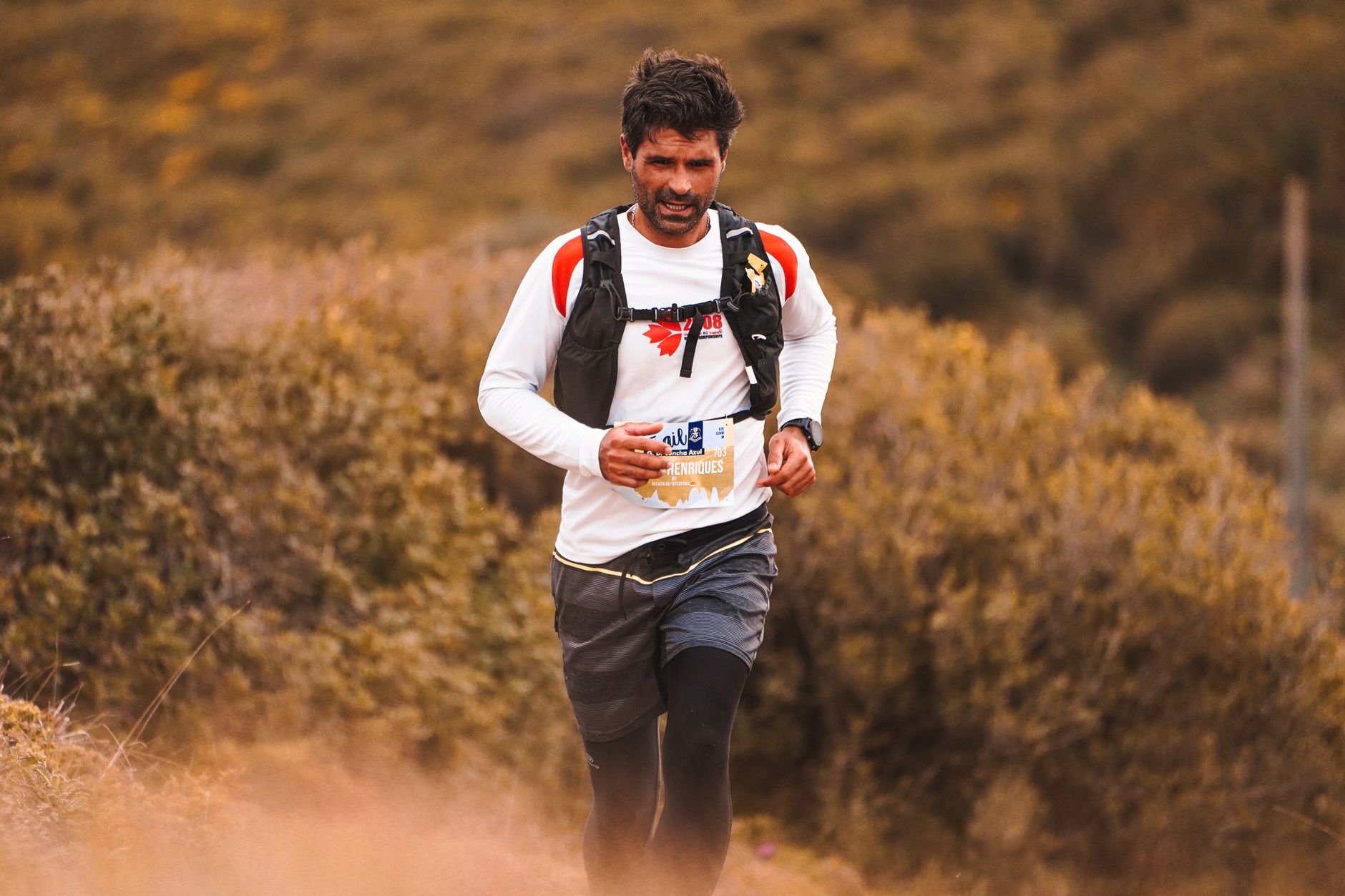
Hard trail running at dusk can throw off your sleep cycle because high strain close to bedtime delays sleep onset and keeps nighttime heart rate high. Bright headlamps, phones, and lit streets add a second push by delaying melatonin release. Your sleep cycle is the timed sequence of light sleep, deep sleep, and dreaming that repeats through the night. Dusk trail runs can shift when that sequence starts and reduce its quality, but timing, effort, and light exposure decide how much.
Medical information disclaimer: This article is for general educational purposes only and does not provide medical advice, diagnosis, or treatment. Always consult a physician or other qualified health professional about symptoms, medications, tests, or treatment decisions.
Table of Contents
- How late hard efforts push sleep later
- Why light after sunset shifts the clock
- Does every evening run harm sleep?
- How to run at dusk and still sleep well
How late hard efforts push sleep later
Researchers reporting in Nature Communications found later-day exercise timing and higher strain were linked to delayed sleep onset, shorter sleep, lower quality, higher nighttime heart rate, and lower heart-rate variability in a one-year study of 14,689 active adults. That pattern fits a hard dusk climb or tempo run finished near bedtime.
The same large wearable study found bouts ending at least four hours before sleep were not tied to those effects, according to Nature Communications. A review in npj Biological Timing and Sleep reports evening exercise can delay or suppress melatonin release, which may impair sleep onset and quality after short-term vigorous evening exertion. Melatonin is the hormone that signals the brain that night has begun.
Why light after sunset shifts the clock
Trail runners often add light after dark without noticing it. Headlamps, phones, and lit roads keep the eyes exposed when the brain expects dimming.
In human circadian experiments reported in Proceedings of the National Academy of Sciences, 50 percent melatonin suppression occurred below 30 lux of evening light, about typical indoor or device-lit brightness, in the laboratory light-exposure tests. That means ordinary post-run light can help shift the internal clock later.
Does every evening run harm sleep?
No. Intensity and timing matter more than evening movement itself. Sleep experts caution that vigorous exercise within about one hour of bedtime leaves little time for elevated core body temperature to fall, which may delay sleep and raise awakenings, according to the Sleep Foundation.
Moderate evening exercise generally does not harm sleep. A 23-study meta-analysis linked it to slightly more deep slow-wave sleep and less light stage-1 sleep, as summarized through the Sleep Foundation review of exercise timing. Slow-wave sleep is the deep, restorative stage, while stage-1 is the lightest sleep.
How to run at dusk and still sleep well
Trail runners who train at dusk should finish hard efforts at least one to three hours before bed, cool down, and dim bright lights afterward, according to practical guidance from the Sleep Foundation and Johns Hopkins Medicine. That gap lets body temperature fall and melatonin rise. Dim house lights after you return and keep phone brightness low until bed.
- Move intervals or long climbs earlier and keep the last miles easy.
- Change quickly, shower warm but not very hot, then cool the bedroom.
- Dim house lights, turn phone brightness down, and avoid long bright screens.
- Keep bedtime steady so the morning clock signal stays regular.