Understanding why grip matters less outside but more than you think on a treadmill fundamentally changes how runners approach these two distinct training environments. The surface beneath your feet behaves differently depending on whether you’re striking asphalt, trail, or a motorized belt, and the biomechanical demands shift accordingly. Many runners assume that the same shoe and the same technique work identically in both settings, but this assumption overlooks critical differences in how traction, stability, and ground reaction forces operate between outdoor terrain and indoor equipment. Outdoor running presents a paradox: while the surfaces vary wildly””from wet pavement to loose gravel to packed dirt””your foot actually has more natural mechanisms to adapt.
The ground doesn’t move, your body weight provides consistent downward force, and your proprioceptive system can read and respond to surface changes in real time. Treadmill running, by contrast, involves a continuously moving belt that creates unique friction dynamics most runners never consider. The belt’s speed, the deck’s texture, and the way your foot lands relative to the belt’s movement all influence how much grip actually matters. This article breaks down the physics and biomechanics behind running surface traction, explains why outdoor runners can often get away with less aggressive shoe treads than expected, and reveals why treadmill runners face underappreciated grip challenges that affect both performance and injury risk. By the end, you’ll understand how to optimize your footwear choices and running form for each environment, potentially improving your efficiency and reducing your chance of slips, falls, and compensatory injuries.
Table of Contents
- What Makes Treadmill Grip Different from Outdoor Running Surfaces?
- The Science of Footwear Traction on Moving Versus Stationary Surfaces
- Why Outdoor Running Surfaces Provide Natural Traction Advantages
- Practical Footwear Selection for Treadmill Versus Outdoor Training
- Common Treadmill Grip Problems and How to Address Them
- The Role of Running Form in Maximizing Available Grip
- How to Prepare
- How to Apply This
- Expert Tips
- Conclusion
- Frequently Asked Questions
What Makes Treadmill Grip Different from Outdoor Running Surfaces?
The fundamental difference between treadmill and outdoor grip comes down to relative motion. When you run outside, the ground is stationary. Your foot strikes, creates friction with the surface, and pushes off against an immovable object. The coefficient of friction between your shoe and the ground determines how much horizontal force you can apply before slipping, but because the surface doesn’t move, your body weight alone provides substantial normal force to maintain traction.
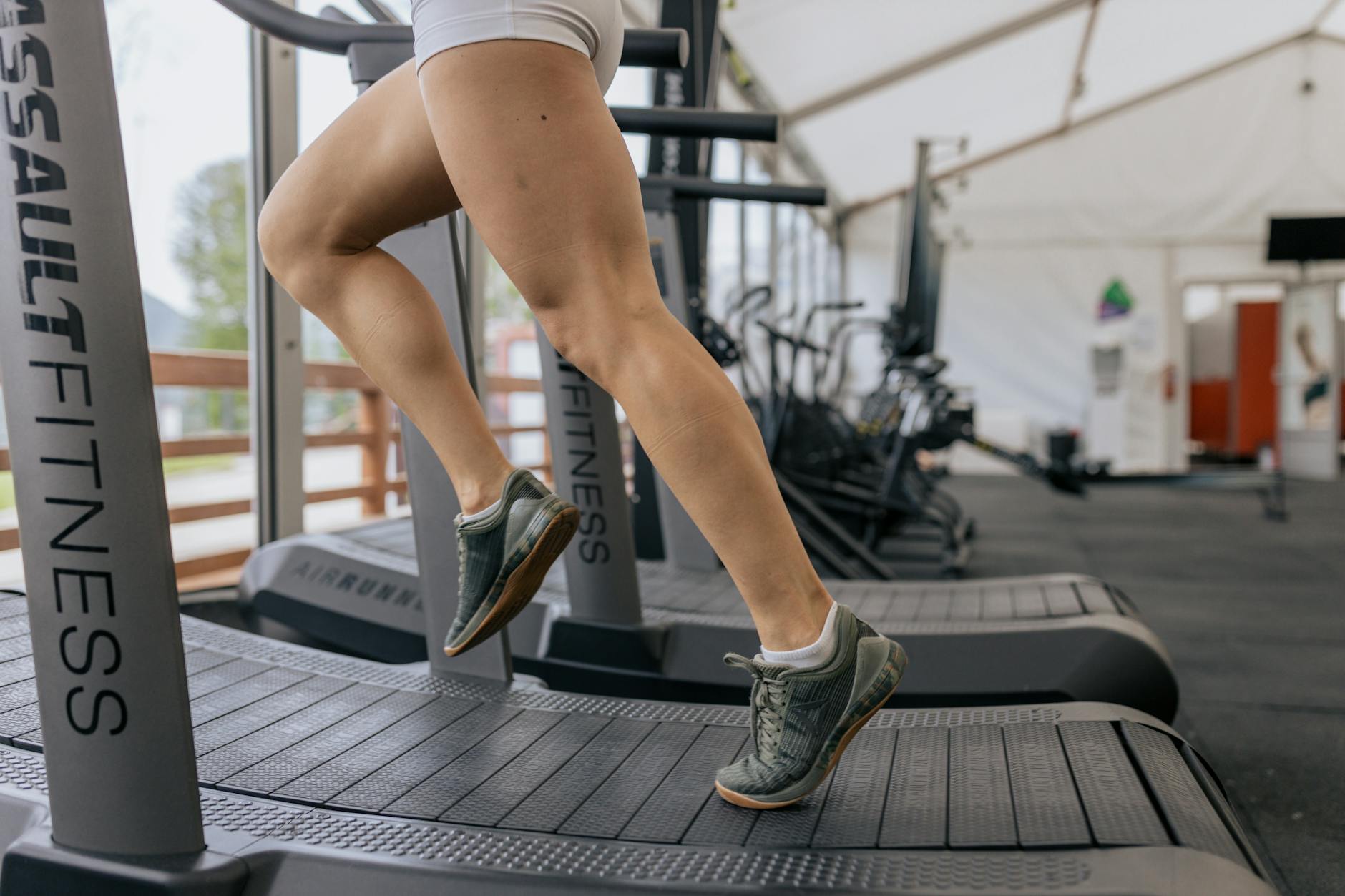
Treadmill running introduces a moving surface that changes the grip equation entirely. The belt travels backward at your set pace, meaning your foot must match the belt’s speed at the moment of contact to avoid sliding. Any mismatch creates shear forces that your shoe’s outsole must manage through friction. The belt material””typically a combination of PVC, rubber, and fabric layers””has different friction characteristics than concrete or asphalt. Most treadmill belts are designed to be somewhat slick to reduce wear on the deck and motor, which means they inherently provide less grip than rough outdoor surfaces.
- **Relative velocity at contact**: Outdoors, your foot decelerates from forward swing to zero velocity at ground contact. On a treadmill, your foot must match a constantly moving surface, requiring precise timing that affects how friction engages.
- **Surface consistency**: Outdoor surfaces vary in texture, moisture, and debris, but treadmill belts maintain uniform friction properties””until they wear down or accumulate dust and lubricant residue that reduces grip.
- **Vertical loading differences**: Studies show treadmill running typically produces 5-10% less peak vertical ground reaction force than overground running at the same speed, meaning less normal force is available to generate friction.
The Science of Footwear Traction on Moving Versus Stationary Surfaces
Friction in running footwear operates through two primary mechanisms: adhesion and mechanical interlocking. Adhesion refers to the molecular attraction between the shoe’s rubber compound and the running surface. Mechanical interlocking occurs when the shoe’s tread pattern physically engages with surface irregularities””think of trail shoe lugs digging into soft earth. These mechanisms behave differently on treadmills compared to outdoor terrain. On outdoor surfaces, mechanical interlocking plays a larger role than most runners realize. Even smooth-looking pavement has microscopic texture that shoe treads can grip.
Wet conditions reduce adhesion but often leave mechanical interlocking partially intact, which is why moderately worn shoes can still perform adequately on damp roads. Trail surfaces amplify the importance of mechanical interlocking, with deeper lugs providing superior grip on loose or uneven terrain. However, the stationary nature of these surfaces means the shoe has time to fully engage before propulsive forces are applied. Treadmill belts present a different scenario. The smooth, consistent surface offers minimal opportunity for mechanical interlocking””there are no irregularities for treads to grip. This leaves adhesion as the primary friction mechanism, making the rubber compound of your outsole more important than the tread pattern. Worn-down shoes that perform fine on textured outdoor surfaces may slip noticeably on a treadmill because the degraded rubber has lost its adhesive properties.
- **Rubber durometer matters more on treadmills**: Softer rubber compounds (lower durometer ratings) typically provide better adhesion on smooth surfaces like treadmill belts.
- **Tread depth becomes secondary**: Deep lugs designed for trail running offer no advantage on a treadmill and may actually reduce contact area, decreasing available friction.
- **Belt condition affects grip significantly**: A well-maintained, clean treadmill belt provides substantially better traction than a dusty, over-lubricated, or worn belt.
Why Outdoor Running Surfaces Provide Natural Traction Advantages
Outdoor running benefits from several inherent traction advantages that runners rarely appreciate until they experience a treadmill slip. The natural variability of outdoor surfaces, while sometimes challenging, actually trains your neuromuscular system to maintain grip through constant micro-adjustments. Your brain processes visual and proprioceptive information about upcoming terrain changes and prepares your muscles to respond, a process that happens automatically after years of walking and running on varied surfaces. Ground compliance””how much a surface deforms under load””also contributes to outdoor traction. Asphalt and concrete are relatively rigid, but they still compress microscopically under foot strike, allowing brief molecular bonding between shoe and surface.
Softer surfaces like dirt trails or grass deform more substantially, and the shoe actually sinks slightly into the material, creating a mechanical “cup” that resists horizontal sliding. This effect doesn’t exist on treadmill decks, which are engineered to remain flat and rigid. The angle of force application differs between environments as well. Outdoor runners naturally adjust their foot strike angle based on terrain slope and surface conditions, optimizing the direction of force to maximize available friction. Treadmill runners, constrained to a flat, level surface moving at constant speed, have fewer opportunities for such adaptations.
- **Surface deformation aids grip**: Even hard outdoor surfaces compress enough under foot strike to increase friction through conformational contact.
- **Variable terrain trains better proprioception**: Outdoor runners develop superior balance and traction-management skills that help them avoid slips across all surfaces.
- **Natural inclines and declines change force vectors**: Running up or down slopes shifts the balance between vertical and horizontal forces in ways that often improve traction compared to flat treadmill running.

Practical Footwear Selection for Treadmill Versus Outdoor Training
Selecting appropriate footwear for each running environment requires understanding which shoe characteristics matter most in each context. For outdoor running on roads and paths, a moderate tread pattern with quality rubber compound handles most conditions effectively. The shoe’s overall fit, cushioning, and support characteristics typically matter more than grip-specific features because the surfaces provide adequate traction for most runners in most conditions. Treadmill running shifts the priority toward outsole material and condition. A shoe with worn, hardened rubber that still feels comfortable may slip unexpectedly on a treadmill belt.
Racing flats and minimalist shoes with thin, exposed rubber often perform well on treadmills because their outsoles maintain full surface contact with the belt. Conversely, heavily cushioned shoes with thick midsoles and multi-surface treads may actually provide less treadmill traction because the cushioning allows more foot movement relative to the belt. Consider maintaining separate shoes for treadmill training if you run indoors frequently. The controlled environment means the shoes experience less wear from debris, moisture, and temperature variations, so they maintain their adhesive properties longer. Many runners find that a slightly worn outdoor shoe performs worse on a treadmill than a newer shoe would, even though the outdoor shoe still feels adequate on pavement.
- **Check outsole condition regularly**: Smooth, shiny rubber indicates lost adhesive properties that affect treadmill grip more than outdoor traction.
- **Avoid aggressive trail shoes on treadmills**: Deep lugs reduce surface contact area without providing any mechanical interlocking benefit on smooth belts.
- **Consider dedicated treadmill footwear**: Shoes with flatter, softer rubber outsoles often provide superior treadmill grip even if they wear faster on outdoor surfaces.
- **Test new shoes on the treadmill first**: A brief treadmill run reveals grip characteristics that may not be apparent during outdoor testing.
Common Treadmill Grip Problems and How to Address Them
Treadmill slipping occurs more frequently than many runners admit, often because they attribute the sensation to their own clumsiness rather than recognizing it as a friction problem. The most common symptom is a subtle backward slide during push-off, which forces the runner to shorten their stride or increase cadence to compensate. Over time, these compensations can alter running mechanics and contribute to overuse injuries, particularly in the Achilles tendon and plantar fascia. Belt maintenance plays a crucial role in treadmill grip that runners cannot directly control but should be aware of. Commercial gym treadmills often develop grip problems from accumulated dust, skin oils, and cleaning product residue.
The silicone lubricant applied to the deck to reduce belt friction can migrate to the belt surface, creating slick spots. Home treadmill owners face similar issues if they over-lubricate their machines or neglect to clean the belt surface periodically. Environmental factors affect treadmill grip as well. High humidity can create a thin moisture layer on the belt surface that reduces friction. Some runners notice worse treadmill grip during summer months or in poorly ventilated gym spaces. Conversely, very dry conditions can cause static buildup that attracts dust to the belt surface, also reducing traction.
- **Wipe down the belt before running**: A clean, dry belt provides noticeably better grip than a dusty or residue-covered surface.
- **Report slippery gym treadmills to staff**: Many gyms are unaware of belt condition problems until members provide feedback.
- **Adjust running form if slipping persists**: Shortening stride slightly and increasing cadence reduces horizontal forces at foot strike, decreasing slip risk.
- **Consider belt speed variations**: Some runners notice worse grip at certain speeds where their natural stride timing mismatches the belt movement.

The Role of Running Form in Maximizing Available Grip
Running biomechanics influence how effectively you use available traction on any surface, but the impact is amplified on treadmills where grip margins are narrower. A pronounced heel strike creates a braking force that pushes forward against the backward-moving belt””essentially asking the shoe to grip while the belt tries to pull it away. This combination increases slip risk compared to a midfoot strike that contacts the belt more vertically.
Cadence also affects grip utilization. Higher cadence running (typically 170-180 steps per minute or above) involves shorter ground contact times and reduced horizontal forces at each foot strike. These characteristics naturally reduce the friction demands on the shoe-belt interface. Many running coaches recommend slightly higher cadence for treadmill running anyway because it tends to produce more efficient biomechanics in the constrained environment.
- **Midfoot striking reduces treadmill slip risk**: Contacting the belt beneath your center of mass minimizes the horizontal force component that challenges friction.
- **Higher cadence means less friction demand per step**: More frequent, lighter contacts are easier to grip than fewer, harder contacts.
- **Arm swing affects stability**: Controlled arm movement helps maintain balance and reduces the side-to-side forces that can cause lateral slipping.
How to Prepare
- **Assess your current shoe outsole condition** by examining the rubber for signs of wear, hardening, or smoothing. Press your thumbnail into the rubber””if it doesn’t leave a temporary indent, the rubber has hardened and lost adhesive properties. Check both the heel and forefoot areas since wear patterns vary by running style.
- **Test your shoes on a treadmill before outdoor conditions demand grip** by running at moderate speed for several minutes and noting any sliding sensations during push-off. Increase speed gradually to find the point where grip becomes marginal. This baseline helps you recognize when shoes need replacement for treadmill use.
- **Clean your treadmill belt weekly if you own the machine** using a damp cloth with mild detergent, then wiping dry. Avoid silicone-based cleaning products on the belt surface. For gym treadmills, wipe the belt with a clean towel before your run to remove dust and residue from previous users.
- **Evaluate your running form through video analysis** on both outdoor surfaces and treadmills. Look for excessive heel striking, overstriding, or lateral wobble that increases friction demands. Many smartphones can capture slow-motion video that reveals details invisible at normal speed.
- **Build a footwear rotation that includes treadmill-appropriate options** by selecting at least one pair with flatter, softer rubber outsoles for indoor training. This doesn’t require buying specialized treadmill shoes””many road racing flats and lightweight trainers work well on treadmill belts.
How to Apply This
- **Implement a shoe inspection routine before every treadmill session** by flipping the shoe over and checking for debris, moisture, or visible rubber degradation. Remove any pebbles or sticky substances that could affect surface contact.
- **Modify your treadmill warm-up to include grip testing** by starting at a slow walk and gradually increasing to your target pace while paying attention to any slip sensations. If you notice sliding, consider using a different treadmill or adjusting your footwear before continuing.
- **Adjust your outdoor shoe selection based on actual conditions** rather than worst-case planning. For most dry road and path running, moderate tread patterns provide ample grip without the weight and stiffness penalties of aggressive trail shoes.
- **Track grip-related observations in your training log** alongside other workout notes. Recording which shoes performed well on which surfaces and conditions builds a personal database that informs future footwear decisions and helps identify when shoes need replacement.
Expert Tips
- **Rotate treadmill shoes separately from outdoor rotation**: Keeping your best-gripping shoes for treadmill use extends their useful life in that environment even after they’ve become marginal for outdoor running.
- **Consider belt speed when evaluating grip**: Most grip problems occur at higher speeds where the velocity mismatch between foot and belt at contact is greatest. If you only experience slipping during fast intervals, the issue may be speed-specific rather than general grip failure.
- **Pay attention to temperature effects on rubber**: Cold rubber provides less adhesion than warm rubber. If your treadmill is in an unheated garage or basement, your shoes may grip poorly until they warm up during the run.
- **Don’t ignore subtle slip sensations**: Many runners dismiss minor sliding as normal treadmill feel. These small slips accumulate stress on stabilizing muscles and can contribute to injuries over time. Address grip issues before they cause problems.
- **Match sock material to grip needs**: Moisture-wicking socks help maintain consistent friction between foot and shoe interior, preventing the in-shoe sliding that can compound grip challenges on slippery surfaces.
Conclusion
The relationship between grip, running surface, and footwear is more nuanced than the simple assumption that outdoor running requires more traction. While outdoor surfaces certainly present variable conditions, the stationary ground and natural terrain features often provide mechanical traction advantages that runners take for granted. Treadmill running, despite its controlled environment, demands more from your shoe’s adhesive properties because the moving belt and smooth surface eliminate many natural grip mechanisms.
Understanding these dynamics empowers better decision-making about footwear selection, equipment maintenance, and running technique. Runners who recognize the unique grip challenges of treadmill training can address them proactively through appropriate shoe selection, belt cleaning, and form adjustments. Those who appreciate why outdoor surfaces often provide adequate traction despite their variability can avoid over-specifying their footwear and focus on other performance factors. The goal is matching your equipment and technique to each environment’s actual demands””not assumptions about what should matter.
Frequently Asked Questions
How long does it typically take to see results?
Results vary depending on individual circumstances, but most people begin to see meaningful progress within 4-8 weeks of consistent effort. Patience and persistence are key factors in achieving lasting outcomes.
Is this approach suitable for beginners?
Yes, this approach works well for beginners when implemented gradually. Starting with the fundamentals and building up over time leads to better long-term results than trying to do everything at once.
What are the most common mistakes to avoid?
The most common mistakes include rushing the process, skipping foundational steps, and failing to track progress. Taking a methodical approach and learning from both successes and setbacks leads to better outcomes.
How can I measure my progress effectively?
Set specific, measurable goals at the outset and track relevant metrics regularly. Keep a journal or log to document your journey, and periodically review your progress against your initial objectives.
When should I seek professional help?
Consider consulting a professional if you encounter persistent challenges, need specialized expertise, or want to accelerate your progress. Professional guidance can provide valuable insights and help you avoid costly mistakes.
What resources do you recommend for further learning?
Look for reputable sources in the field, including industry publications, expert blogs, and educational courses. Joining communities of practitioners can also provide valuable peer support and knowledge sharing.